Until the late 1990s, the prevailing belief among neuroscientists was that the human brain stops producing new nerve cells (neurons) after adulthood.
According to this view, over time, brain cells die naturally, and brain function gradually deteriorates without the possibility of renewal.
In the late 1990s, a dramatic shift occurred.
Groundbreaking studies revealed a fascinating phenomenon: neurogenesis,
the process by which stem cells in the brain can divide and develop into new neurons, occurs throughout a person's life, even in adulthood and very old age.
The brain, a flexible and dynamic organ:
In the 1960s, medical science discovered that the brain is more flexible, adaptable, and fluid than previously thought, shaking the conventional understanding.
This neural plasticity allows the brain to form new connections between neurons and heal itself to some extent after trauma and stroke.
In the 1980s and 1990s, with the advancement of brain measurement technologies, further evidence emerged indicating the formation of new neurons in the hippocampus.
This brain region is known for its role in forming new memories and its importance for logic and recall.
Damage to the hippocampus can cause cognitive impairments and memory problems.
Conclusive evidence:
Many studies on injuries and diseases related to the hippocampus, such as Alzheimer's disease and other types of dementia, confirmed the hypothesis.
The formation of new memories throughout our lives indicates constant change in the brain, a feature that highlights its plasticity and dynamism.
This insight, along with the possibility of neurogenesis (creation of new neurons) in adults, led pioneering neuroscientist Fred Gage to study the hippocampus in a new way.
In the late 1990s, Gage and his team proved, contrary to nearly a century of accepted knowledge, that adult human brains do indeed produce new brain cells.
Immense impact:
This groundbreaking discovery has since been confirmed repeatedly.
Gage's findings shook the foundations of brain understanding, demolishing two deeply rooted myths about the brain and aging:
- The brain stops growing in the early 20s.
- After age 20, we only lose brain cells, so aging inevitably leads to cognitive decline and memory loss.
Science has also discovered that neurogenesis rates appear to differ between individuals.
Some brains seem to create new neurons at a faster rate and others at a slower rate, but the differences in humans are still being studied and are difficult to measure accurately.
The rate of neurogenesis may be one of the factors contributing to brain health and quality of life.
Your Quality of Life Depends on Neurogenesis: A Breakthrough in Understanding the Brain
The connection between neurogenesis and quality of life:
Your quality of life is directly linked to the rate of neurogenesis, the process of creating new neurons in the brain.
High rates of neurogenesis provide significant cognitive, emotional, and physical benefits:
- Cognitive improvement: Flexible thinking, strong memory, realizing full potential.
- Emotional health: Vitality, protection against stress and depression, high mood, positive outlook.
- Physical health: Strong immunity, normal functioning of body systems.
In contrast, studies show that low rates of neurogenesis are associated with:
- Cognitive decline: Brain shrinkage, memory impairments, dementia.
- Emotional problems: Stress, anxiety, depression.
- Health impairment: Decreased immunity, functional problems in body systems.
Aging as neurotoxic neglect:
"Normal" brain aging is not an inevitable natural process, but rather a result of a lifestyle that damages the brain (neurotoxic).
This lifestyle causes a significant slowdown in the rate of neurogenesis, first in middle age and then more noticeably in old age.
The good news: Neurogenesis can be increased at any age!
The encouraging news is that neurogenesis can be stimulated and improved at any age through appropriate stimuli.
These stimuli can lead to a significant increase in cognition, mood, and overall health. In fact,
this approach not only extends the "good years" of the brain but improves the brain itself in ways previously thought impossible.
Increase Your Neurogenesis: Improving Brain Function at Any Age
You can increase your rate of neurogenesis (creation of new neurons in the brain) by three to five times at any age.
This means you can:
- Maintain high cognitive function: Sharp thinking, strong memory, realizing full potential, for many years.
- Improve your brain's 'life' and memory: Enhance the ability to learn, remember, and function optimally.
- Delay cognitive decline: Slow down and prevent the negative effects of aging on the brain.
The shattered myth:
In the past, we thought our genes fatally determined the rate of aging and brain function.
Today we know that diet and lifestyle have a significantly greater impact on these factors.
The fascinating experiment:
Immediately after the discovery of neurogenesis, researchers examined the possibility of "jumpstarting" the process using an enriched environment.
In another study on mice of different ages and health conditions, they provided the mice with an environment including:
- Running wheels
- Areas to explore
- Nesting materials
- Other mice for interaction
- Sensory novelties
The results were astonishing:
- Neurogenesis increased significantly: In a study on older mice living in an enriched environment long-term, about 5 times more new neurons were formed compared to control mice.
- Dramatic improvement in cognitive abilities: The mice with the extra brain cells learned faster, solved problems more efficiently, and demonstrated superior cognitive skills.
- Improved emotional resilience: The mice were protected from stress and depression and showed improved resistance to fear.
Consistent findings at any age:
The experiment showed consistently positive results, even when the enriched environment began in middle age or old age.
The decisive factor: Lifestyle change:
The key factor for success was the complete change in the mice's lifestyle.
An enriched environment not only encouraged the creation of new neurons but also caused them to survive and develop significantly.
Increase Neurogenesis with Diet:
- Fresh vegetables and fruits: The diet should mainly consist of fresh vegetables and fruits,
especially those low in carbohydrates and high in fiber, contributing to a feeling of fullness and proper digestive system movement. - Low GI fruits: Choose fresh fruits with a low glycemic index (slowly converted to sugar),
fresh vegetables and salads, and cooked vegetables. - Healthy fats: High-quality healthy fats should constitute most of the calories (but not the bulk) from the foods we consume.
These include:- Omega-3: From high-quality fish rich in omega-3, flax seeds, grass-fed beef, pasture-raised eggs.
- Monounsaturated fats: From extra virgin olive oil, avocado, nuts, seeds.
- Medium-chain triglycerides: From extra virgin coconut oil.
- Saturated fats: From grass-fed meat, pasture-raised eggs, milk, yogurt, cheese.
- Coconut oil: Coconut oil is not an evidence-based treatment for Alzheimer's or cognitive decline. A 2023 controlled trial in mild-to-moderate Alzheimer's patients found no cognitive difference between coconut oil and control, and reviews of coconut oil and medium-chain triglycerides found only weak and mixed evidence. Therefore, there is no dosage recommendation here, and reports of "dramatic improvement" are anecdotal only. As a cooking oil, coconut oil is relatively stable at high heat, but this is a culinary note, not a medical claim. Cooking with butter is another alternative to processed vegetable oils.
- Reduce oxidized fats: Minimize cooking at high temperatures, and avoid burnt or charred meat, overcooked eggs or egg powder, or milk powder.
Reduce or eliminate regular grain-fed beef, fish with high mercury content, and fish high in omega-6.
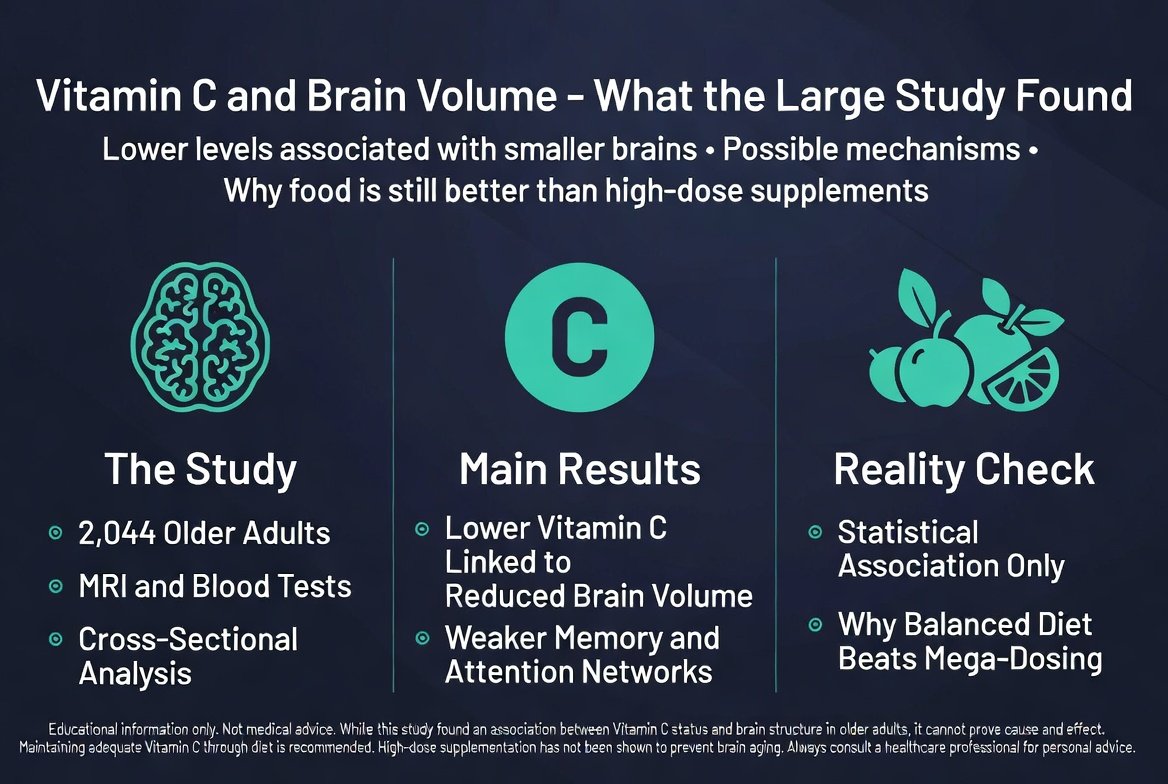
Avoid trans fats and most vegetable oils except extra virgin olive oil, which is best used cold rather than for cooking. - Lower sugar and carbohydrate intake: High sugar levels significantly reduce neurogenesis, and even "high" blood sugar levels are associated with smaller brain volumes, especially in the hippocampus, less gray matter, and more cognitive decline in people over 60.
- All carbohydrates are ultimately converted to glucose.
White flour and whole wheat flour are both converted to sugar within the same time frame, despite the better press for whole wheat. - Starchy vegetables like potatoes, rice, and sweet potatoes have a high GI load that taxes our systems.
- Eat high-fructose fruits (mango, peaches, plums, persimmon, bananas, grapes, lychee).
- All carbohydrates are ultimately converted to glucose.
Carbohydrates:
- High-fiber carbohydrates: Prefer carbohydrates with lots of fiber, as the body needs time to break down the fiber and release the sugar.
This time lag prevents the sugar and insulin spikes behind insulin resistance. - Intermittent fasting: Increase the time between meals and practice intermittent fasting.
Increasing the time between meals raises levels of brain-derived neurotrophic factor, a nerve growth factor, and the rate of neurogenesis, and increases insulin sensitivity.
Intermittent fasting can also improve metabolic syndrome, which is linked to cognitive decline.
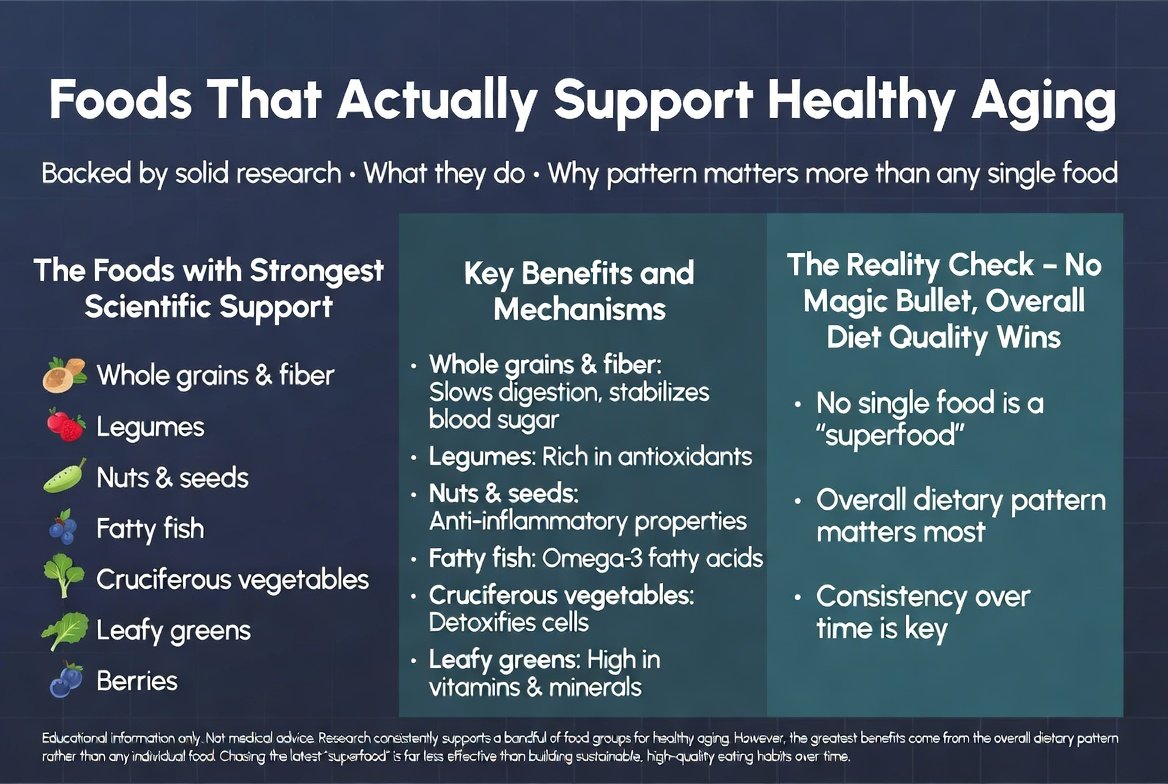
Superfoods for Brain Cell Growth:
Many foods can contribute to brain health and encourage the growth of new brain cells. Here are some of the most recommended foods:
Berries:
- Berries are rich in powerful antioxidants called anthocyanins, which can protect brain cells from damage and improve brain function.
- Studies have shown that eating berries regularly can improve memory, learning, and overall cognitive function.
Fatty fish:
- Fatty fish like salmon, mackerel, and sardines are rich in omega-3 fatty acids, which are essential for brain health.
- Omega-3 fatty acids contribute to the development of brain cells, improve blood flow to the brain, and protect against dementia and other neurodegenerative diseases.
Nuts and seeds:
- Nuts and seeds like almonds, walnuts, flax seeds, and chia seeds are rich in proteins, vitamins, minerals, and healthy fatty acids, which are essential for brain health.
- Eating nuts and seeds regularly can improve memory, concentration, and learning abilities.
Green vegetables:
- Green vegetables like broccoli, spinach, and lettuce are rich in vitamins, minerals, and antioxidants, which are essential for brain health.
- Green vegetables also contain lutein and zeaxanthin, carotenoids that can protect the eyes from degenerative diseases like age-related macular degeneration.
Eggs:
- Eggs are an excellent source of protein, choline, and B vitamins, which are essential for brain health.
- Choline is an essential nutrient for brain function and can improve memory and learning.
Dark chocolate:
- Dark chocolate (70% cocoa or higher) contains flavonoids, antioxidants that can protect brain cells from damage and improve blood flow to the brain.
- Studies have shown that eating dark chocolate regularly can improve cognitive function and improve mood.
Avoidance
- Alcohol: Avoid alcohol.
Moderate alcohol consumption reduces neurogenesis by 40% and also BDNF levels.
Note that heavy drinking in adolescence may cause significant effects on neurogenesis levels and BDNF levels even in adulthood. - Caffeine: Studies in rodents suggest that moderate to high doses of caffeine may reduce neurogenesis, but there is no evidence that regular caffeine consumption noticeably impairs memory in humans.
Those interested can try gradually reducing their caffeine intake and see how they feel.
Deficiency in B vitamins can impair cognitive function, but B supplements are mainly beneficial in a deficiency state and not as "stimulants" for those who are not deficient. - Vitamin and mineral deficiency: Avoid deficiency in zinc, vitamin A, thiamine, and folic acid (B1 and B9).
When we are deficient in these vitamins and minerals, neurogenesis slows down, but returns to normal when we supplement or restore healthy levels.
Start Moving!
Aerobic activity is one of the best ways to maintain brain health. It encourages the growth of new brain cells, improves memory and cognitive function, and reduces the risk of neurodegenerative diseases like Alzheimer's.
Many studies support the strong link between physical activity and brain health:
- A study published in the journal "Neuroscience News" found that physical activity stimulates the creation of new nerve cells, improves cognitive functions like attention and memory, and can improve sleep quality.
- Another study, published in the journal "Nature Medicine," discovered that physical activity increases levels of the BDNF protein in the brain, which is essential for the growth and function of nerve cells.
- A recent American study conducted among older adults showed that physical activity protected those at the highest risk (via a genetic allele) of developing Alzheimer's, preventing both the memory loss and hippocampal shrinkage seen in non-exercisers.
Different types of aerobic activity:
- Walking: Start with short walks of 20-30 minutes several times a week, and gradually increase the duration and intensity.
- Running: Pay attention to proper running with shock absorption, like ChiRunning or gentle running.
- Cycling: Use a quality helmet and be careful of hard landings and jolts.
- Swimming: Excellent full-body activity with low impact.
- Dancing: A fun way to burn calories and improve cognitive fitness.
- Aerobics classes: A wide variety of options available, like Zumba, Pilates, yoga, and more.
- Soccer, tennis, hiking: Any activity that elevates heart rate is considered aerobic.
Dietary Supplements
Important caveat: Most evidence for the supplements below is preliminary or based on animal and laboratory studies, and cognitive benefit in humans is generally unproven. This should not be seen as medical advice or a recommended dosage.
Vitamin E:
- High doses of vitamin E (200-800 IU per day) are sometimes mentioned, but there is no proven cognitive benefit from high doses, and they have even been linked to safety concerns. It is better to rely on vitamin E from food.
Omega-3 fatty acids:
- 2-4 grams per day
- Increase neurogenesis, raise BDNF levels, and increase brain size.
Green tea:
- Drinking one or several cups of green tea per day
- The polyphenols in green tea are being studied in the context of working memory, but the evidence is still preliminary.
Curcumin:
- 200-1,200 mg per day (with piperine or lecithin)
- Improves cognitive function.
Goji berry:
- 500 mg once or twice a day (dried or extract)
- Has strong effects on stimulating neurogenesis.
Grape seed extract:
- 100 mg once or twice a day (90% polyphenol extract)
- Beneficial for the heart and brain, and increases brain cell growth.
Ginkgo biloba:
- 120 mg per day (standardized extract)
- Data on increasing neurogenesis and reducing amyloid plaque come from mouse studies. Cognitive benefit in humans is unproven.
Quercetin:
- 500 mg once or twice a day
- Increases neurogenesis in a dose-dependent manner.
Lithium:
- Low-dose lithium (about 5 mg per day) is mainly studied in animal studies in the context of BDNF levels. Cognitive benefit in humans is unproven, and any use of lithium requires medical supervision.
Note:
It is recommended to consult a healthcare professional before taking dietary supplements.
Dosages may vary depending on age, health, and medical condition.
References:
https://scholar.google.co.il/scholar?q=Br+Med+Bull,+2012%3B+103:+89%E2%80%93114&hl=iw&as_sdt=0&as_vis=1&oi=scholart
https://nyaspubs.onlinelibrary.wiley.com/doi/full/10.1111/j.1749-6632.2011.06089.x
https://www.sciencedirect.com/science/article/abs/pii/S0306452212008457
https://www.nature.com/articles/nm1198_1313
https://academic.oup.com/cercor/article/24/11/3059/304487?login=false
https://www.sciencedirect.com/science/article/abs/pii/S0006322399002474
https://www.nature.com/articles/ejcn2012105
https://content.iospress.com/articles/journal-of-alzheimers-disease/jad01189
https://www.nature.com/articles/386493a0

💬 Comments (0)
Be the first to comment on the article.