Dr. Julie Chen, an integrative medicine physician, consultant at the Buck Institute for Research on Aging, and Chief Medical Officer of a precision medicine company called Radence, shared in a recent press interview the 4 daily habits she has personally maintained for a decade. These are not theories: these are what she does.
Habit 1: Sleep (Including a Sleep Apnea Test)
Dr. Chen aims for 7-8 hours of sleep per night, as recommended. But she goes a step further: despite having no classic risk factors (she doesn't snore, is not overweight), she underwent a comprehensive sleep apnea test, both at-home and in a sleep lab. She says, understanding how important sleep is for brain and heart health, she chose to take the test, and describes herself as someone who prefers not to guess when it comes to health matters.
The lesson from her personal example: even without prominent symptoms, one can consider a sleep apnea test, as sleep-disordered breathing is not always noticeable.
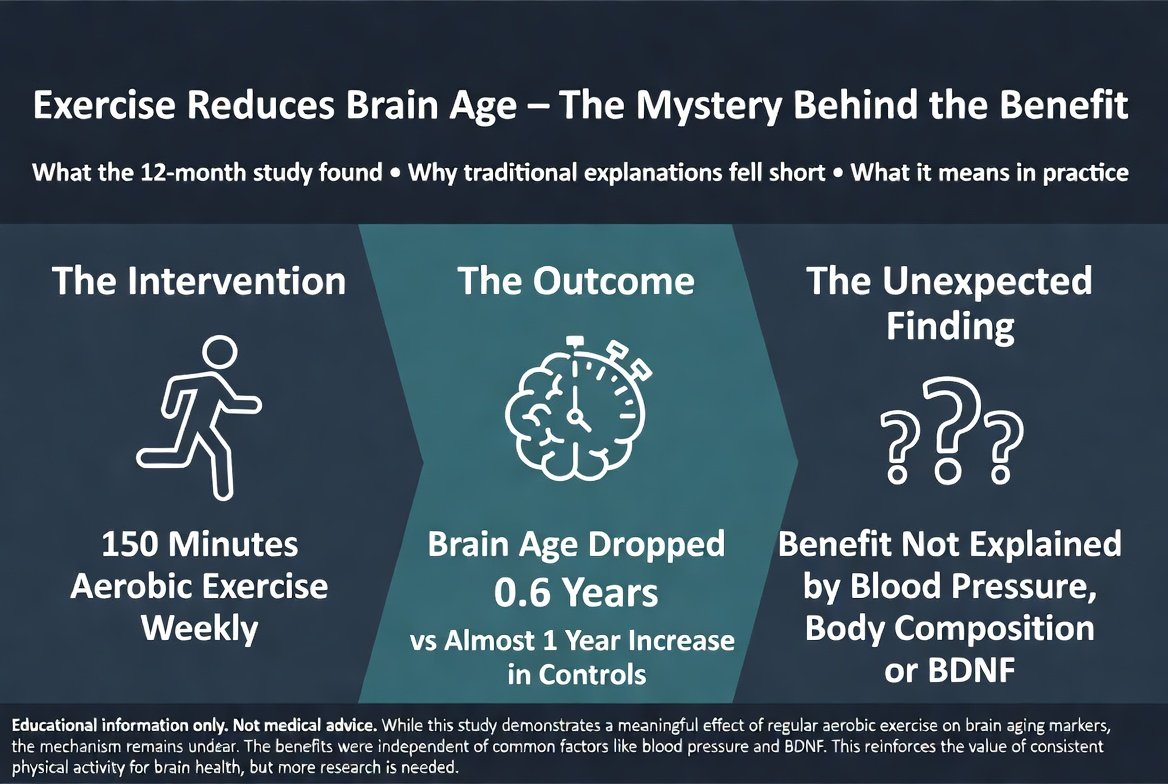
Habit 2: Daily Combination of Cardio and Strength
Chen works out 6 mornings a week, 30-45 minutes. The order:
- 20 minutes of cardio on a Peloton or treadmill
- Abdominal, leg, and arm exercises with an emphasis on compound movements
Specific exercises she performs:
- Squat with overhead press: squatting with a lift overhead (works legs, core, and arms simultaneously)
- Plank: for core strengthening
- Pushing and pulling exercises (push-ups, rows)
She noted that in the past she used to run 6-7 miles (about 10-11 km), but now she prefers less cardio, more strength. The reason: muscle mass naturally declines with age, so over the years she has increased her strength training to build and preserve muscle.
Habit 3: Colorful Diet + Supplementation Based on Tests
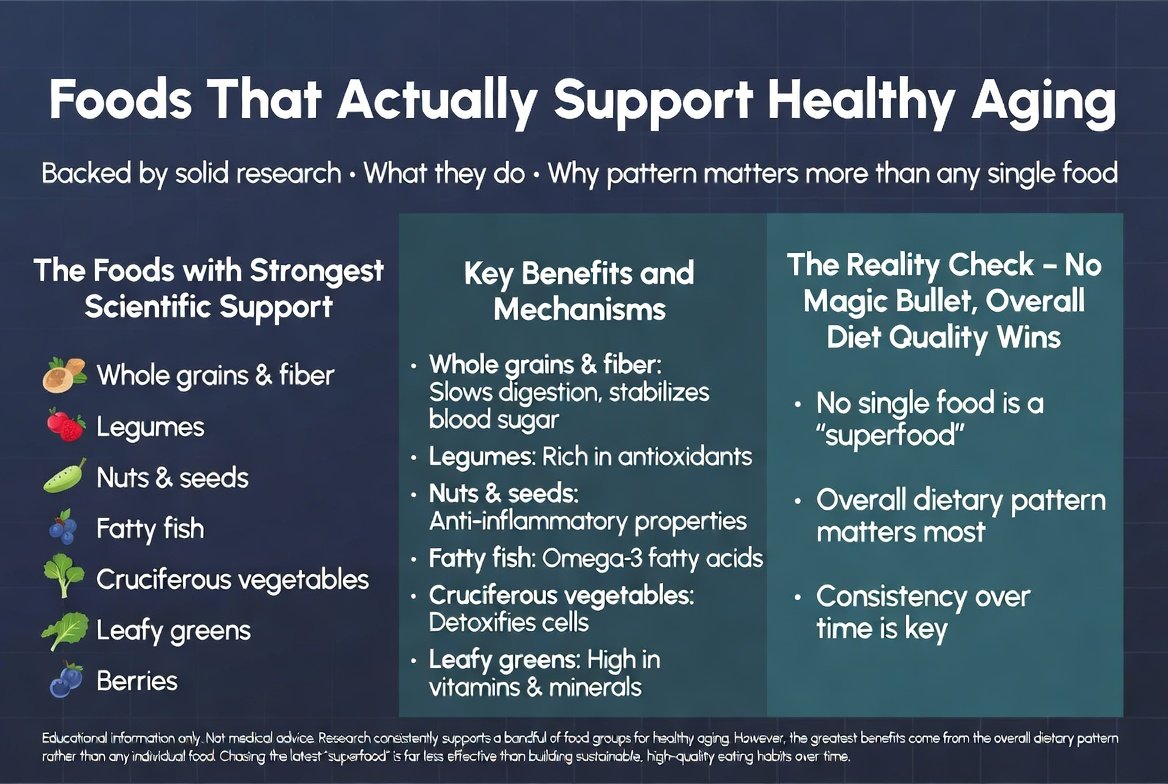
Chen rotates protein sources: roasted chicken, salmon, shrimp. Along with this, she consumes a wide variety of vegetables:
- Mixed greens
- Spaghetti squash
- Pea shoots
- Broccoli and cauliflower
- Cucumbers and colorful peppers
She ensures a variety of colors on her plate, based on the concept that each color brings different phytochemicals and dietary fibers with anti-inflammatory effects. She criticizes a monotonous diet and notes that some people settle for only spinach leaves as their sole salad.
Concurrently, she performs periodic blood tests for vitamin levels and supplements deficiencies:
- B complex (especially B12)
- Vitamin D
Her explanation: due to modern mass food production methods, vegetables may be selected for shelf life and appearance rather than nutritional density, and supplements help her fill nutritional gaps when intake or absorption is limited.
Habit 4: Intermittent Fasting + Green Tea
Chen practices time-restricted eating: fasting from 9 PM to 2 PM. A total of 17 hours of fasting per day.
During the fast, she drinks green tea (unlimited) and water. This gives her a steady stream of mild caffeine and antioxidants throughout the day, maintaining stable energy.
She notes that she finds this very beneficial for reducing inflammation, one of the key drivers of aging.
An important warning she mentions: intermittent fasting is not suitable for everyone. People with a history of eating disorders, pregnant women, and individuals with blood sugar issues should consult a doctor before starting.
What Can Be Learned from the 4 Habits
Chen's approach presents several practical principles:
- Don't guess. Sleep apnea tests, vitamin levels, lipid profiles, even without symptoms
- Combination, not extremes. Cardio + strength, not just one of them
- Diet is a routine. Not a temporary diet, but colorful choices daily
- Fasting gradually. If starting, need to assess personally, not adopt a known plan
The Bottom Line
There is no secret supplement here, no miracle drug. Dr. Chen focuses on the basics, but in a test-based, consistent, and precise manner. This is the difference between those who live healthily and those who don't: not new ideas. But consistent application.





💬 Comments (0)
Be the first to comment on the article.