The article investigates the process by which certain dietary supplements may slow ovarian aging in rats.
Sirtuins and mitochondrial function are involved in this process.
Fertility and its decline with age
Decline in fertility in women occurs relatively quickly during life. Aging leads to a decrease in the quantity and quality of eggs, and fertilization capacity declines as early as a woman's 30s.
Therefore, many research groups are trying to tackle the problem of aging ovaries from several angles.
This study focuses on mitochondria
The researchers in this study specifically focused on the effect of aging on the mechanisms of mitochondrial fission and fusion in the ovaries.
These processes are essential for normal mitochondrial function and for biological processes dependent on mitochondria.
Previous studies have shown that higher levels of NAD+ can improve mitochondrial function and reverse ovarian aging.
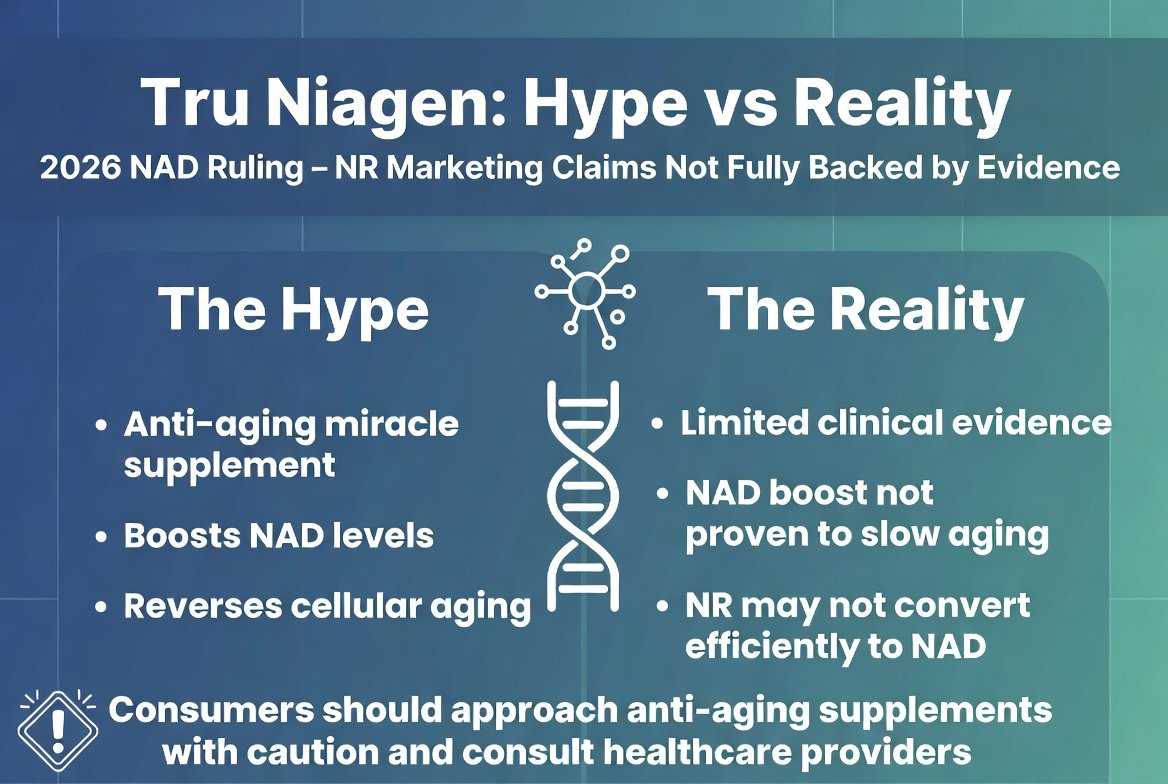
Since NAD+ precursors, namely nicotinamide mononucleotide (NMN) and nicotinamide riboside (NR), are commonly consumed as dietary supplements and have a good safety profile, these researchers determined it was worth testing whether administering NMN or NR supplements to rats could improve ovarian aging.
Better body weight and better appearance
The researchers compared four groups of rats, with six animals in each group:
Young, middle-aged,
Middle-aged + NMN
and Middle-aged + NR.
The treated animals received NMN and NR for 17 days.
The next day, the researchers compared the animals' biomarkers.
First, the researchers compared body weight to ovarian weight in the animals to calculate the ovarian index, which serves as a measure of fertility in females.
A higher ovarian index indicates better fertility.
The results showed a slight increase in the ovarian index following NMN and NR treatments.
The researchers also examined the organ's morphology.
They observed larger amounts of corpus luteum in middle-aged rats treated with NMN and NR.
The corpus luteum is a structure formed in the ovary after ovulation.
It secretes progesterone, a hormone essential for implantation and pregnancy.
Aging leads to a decline in the corpus luteum.
Another indication of the ovarian aging state in middle-aged rats that showed improvement following NMN and NR treatments was an increase in the number of antral follicles and a decrease in the number of atretic follicles.
Ovarian follicles are sacs containing immature eggs.
Antral follicles are large follicles preparing for ovulation, while atretic follicles are characterized by apoptotic bodies, a degenerated egg, and fragmentation of the egg nucleus.
Hormones and their effect on ovarian aging
Based on the ratio of luteinizing hormone (LH) to follicle-stimulating hormone (FSH) (LH/FSH) in the rats, the researchers learned that "ovarian aging impaired the LH/FSH balance" and increased follicular atresia in the ovaries, a process of follicle degeneration or resorption accompanied by apoptosis.
However, again, applications of NMN and NR improved these parameters: they helped rebalance the LH/FSH ratio and reduced follicular atresia.
Mitochondria and sirtuins in the service of better ovarian health
The phenotypic descriptions described earlier are the known suspects in ovarian aging.
However, in this article, the researchers also decided to investigate mitochondrial phenotypes as a measure of ovarian health because mitochondrial fission and fusion proteins are essential in oogenesis, embryogenesis, implantation, and protection of the ovarian follicle reserve.
Compared to young rats, middle-aged rats had significantly lower levels of gene transcripts for genes related to mitochondrial fusion.
Treatment with NMN and NR helped increase the expression of these genes in middle-aged rats to levels close to those observed in young rats.
Gene transcript levels related to mitochondrial fission in middle-aged rats were higher compared to those in young rats.
Treatment with NMN and NR significantly reduced the levels of these genes in the rat ovaries. Protein analysis confirmed the positive effect of NMN and NR.
The connection between NMN, NR, and mitochondria
The observed connection between NMN, NR, and mitochondria prompted the researchers to examine sirtuin levels.
Sirtuins have previously been described as helping to delay ovarian aging and balance mitochondrial dynamics, and they are regulated by NAD+.
Therefore, measuring their levels was essential in this experimental setup.
The researchers noted lower levels of Sirt1 transcripts in the middle-aged group compared to young rats, likely due to an aging-induced decline in NAD+.
Treatment with NAD+ precursors, NMN and NR, increased Sirt1 levels in the ovaries. These results were confirmed by measuring SIRT1 protein levels.
Summary and future outlook
Based on the current results and previous studies, they hypothesized that the release of NAD+ from NMN and NR supplements led to the activation of SIRT1.
Activated SIRT1 led to a decrease in DRP1, one of the fission proteins, which reduced the frequency of mitochondrial fission.
The researchers note that previous studies in animal models and humans show that NMN and NR supplements are safe even at high doses.
This is good news for future testing of NMN and NR supplements in humans to delay ovarian aging.
The study shows that administration of an NAD+ precursor (NMN or NR) restores the LH/FSH balance and mitochondrial dynamics, increases SIRT1 activity, and alleviates folliculogenesis problems in middle-aged rats.
Therefore, we believe that NMN and NR may be used as a drug or dietary supplement to reduce age-related folliculogenesis or ovulation problems.
Study limitations and suggestions for future research
It is important to note that this study was conducted on rats, and further studies are needed to confirm the results in humans.
Additionally, the study did not examine the long-term effects of NMN and NR on ovarian health and fertility. Furthermore, the study only measured ovarian markers, follicle count, and hormones, and did not examine actual fertility outcomes such as pregnancy or births.
Future research may focus on the following aspects:
- Clinical trials in humans to examine the safety and efficacy of NMN and NR for delaying ovarian aging and improving fertility.
- Investigation of the precise molecular mechanisms through which NMN and NR affect ovarian health.
- Testing the effects of NMN and NR on other aspects of women's health, such as bone health and cardiovascular health.
Summary
This early animal study suggests a possible and promising mechanism for delaying ovarian aging, which warrants further research. NMN and NR are relatively safe dietary supplements already in widespread use, making them attractive candidates for further research and development. However, these are findings in rats only, with no human data and no proof of actual fertility improvement.
Sources
Arslan, N.P., Taskin, M., & Keles, O.N. (2024). Nicotinamide Mononucleotide and Nicotinamide Riboside Reverse Ovarian Aging in Rats Via Rebalancing Mitochondrial Fission and Fusion Mechanisms. Pharmaceutical Research, 41(5), 921-935. DOI: 10.1007/s11095-024-03704-3 (PMID 38684562).
Bayne, J., et al. (2020). Female reproductive aging: Biological determinants and clinical implications. Maturitas, 137, 101-110.
Wai, T., & Partridge, L. (2016). Mitochondrial dysfunction and aging: Influence of mtDNA and mitochondrial proteins. Cell and Bioscience, 6(1), 1-12.
Wang, Y., et al. (2016). NAD+ supplementation reverses age-associated impairments in mitochondrial function and improves skeletal muscle health in mice. Cell Metabolism, 24(2), 180-193.
Goswami, C., et al. (2009). Ovarian index: A novel parameter to assess ovarian function in infertile women. Journal of Human Reproductive Sciences, 2(2), 59-63.
Wiltgen, J., & Christenson, L. (2005). The corpus luteum: Structure and function. Domestic Animal Endocrinology, 29(2), 301-322.
Jones, E., & Carr, B. (2016). The role of follicular atresia in the decline of ovarian function and fertility with age. Human Reproduction Update, 22(3), 289-301.
Van den Hurk, R., & Visser, J. (2008). Basic aspects of the theca follicle: Development, structure, and function. Molecular and Cellular Endocrinology, 293(1-2), 3-22.
Tatone, M., et al. (2014). Mitochondrial dynamics and female fertility. Mitochondrion, 14(7), 1002-1010.
Su, Y., & Yan, M. (2023). Mitochondrial dynamics in oogenesis and embryogenesis. Trends in Cell Biology, 33(2), 109-121.
Cheng, X., et al. (2014). SIRT1 in ovarian aging and female reproductive senescence. Frontiers in Aging Neuroscience, 6, 153.


💬 Comments (0)
Be the first to comment on the article.