Longevity science is at an interesting moment. On one hand, headlines promise an imminent revolution: drugs that slow aging, blood tests that tell you your true biological age, and molecules that reverse clocks. On the other hand, most serious professionals in the field are much more cautious. This episode of Dr. Peter Attia's podcast The Drive, with guest Professor Brian Kennedy, is exactly the conversation needed to understand where the line lies between what is already known and what is still hoped for. Kennedy is one of the world's leading aging researchers, director of the Centre for Healthy Longevity at the National University of Singapore, and someone who has worked for years on understanding molecular pathways that affect lifespan.
What the video is about
The conversation moves at a relaxed pace across several central axes that together compose a current state-of-the-field picture:
- Aging models: Kennedy presents why old models of aging are insufficient, distinguishing between aging as a linear accumulation of biological damage and aging as an exponential increase in mortality risk with age. This distinction is not merely academic; it changes how we think about when and how to intervene.
- Human rapamycin trials: The conversation dives into perhaps the most exciting drug in the field, rapamycin, and why it has moved from mouse experiments to the first attempts in healthy humans. Attia and Kennedy discuss the open questions: dosage, timing, whether intermittent dosing is better, and the relationship between rapamycin and exercise.
- Biological clocks and their limitations: Kennedy explains why most existing aging markers and biological clocks are still of little real clinical utility, and describes his work on a clock based on clinical lab data that should be more practical for doctors.
- Promising compounds and lifestyle habits: They go over molecules attracting research attention, such as alpha-ketoglutarate, urolithin A, and NAD+ boosters, as well as the most powerful interventions we already have evidence for: training to improve VO2 max, strength training, and metabolic drugs like GLP-1 and SGLT2.
Two models of aging
One of the interesting points in the conversation is the distinction between two ways of thinking about aging. According to one model, aging is a slow, linear accumulation of damage, DNA damage, faulty proteins, cells that stop functioning. According to the second model, what characterizes aging is precisely the exponential increase in mortality risk: from a certain age, the chance of dying doubles every few years. This difference is important because it determines what exactly we are trying to fix. If aging is accumulated damage, perhaps we can slow the accumulation. If it is a result of entire biological systems losing resilience, we need to think in terms of strengthening robustness rather than just spot repairs. Kennedy emphasizes that no single model tells the whole story, and that is precisely why the field is still debating fundamental questions.
Rapamycin: from promise in mice to caution in humans
Rapamycin is probably the only drug that has consistently extended the lifespan of mice even when given at an old age, and it does so by inhibiting a pathway called mTOR involved in nutrient sensing and cell growth. That is why it is such a focus of interest. But the transition from mouse to human is far from simple, and here the conversation becomes sober. The most prominent human trial to date, the PEARL trial, followed about 114 healthy adults aged 50 to 85 who took low-dose rapamycin once a week versus a control group for about a year. The results show that the drug was well tolerated at low doses, with side effects similar to the placebo group, and early encouraging signs of improvement in muscle mass and sense of well-being. However, it is very important what the trial did not show: it did not provide proof that rapamycin extends lifespan in humans, a significant portion of the measures were based on self-reporting, and the effects on long-term health were limited. That is, there is a promising direction here, but not an approved longevity drug. Rapamycin remains an investigational drug for this use, and taking it without medical supervision is not recommended.
Why biological clocks are still not good enough
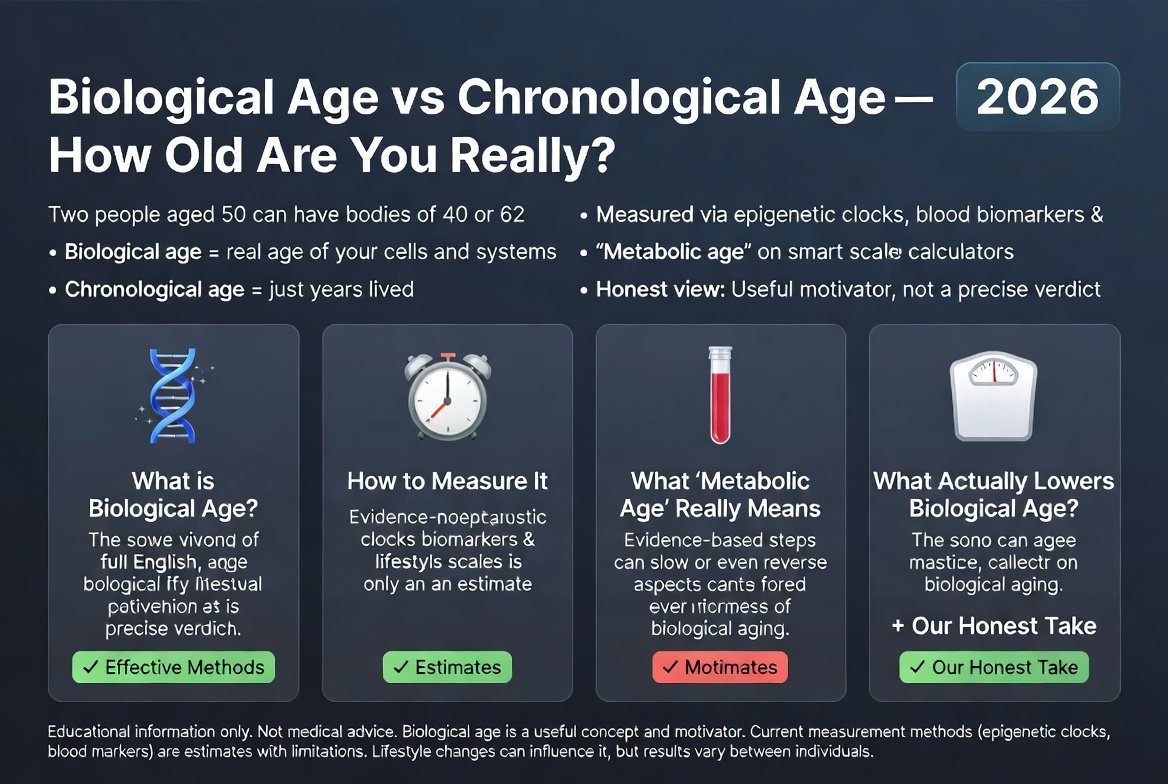
Another topic Kennedy sheds critical light on is biological clocks, those tests that claim to measure your biological age. The first generation of epigenetic clocks, like the Horvath clock, were trained to predict chronological age, and the second generation, like PhenoAge and GrimAge, try to predict mortality risk. Kennedy explains that despite the excitement, most of these markers still have no clear clinical utility. They suffer from reproducibility issues between labs, a significant portion of the variability they measure may stem from random rather than biological processes, and they do not always tell the doctor what to actually do. Precisely because of this, Kennedy's lab is working on a different approach: a clock based on about 50 common clinical parameters already measured in routine blood tests, aiming to provide a practical metric that guides intervention rather than just an impressive number. The message to the viewer is clear: a biological age test is an interesting tool for tracking, but not a verdict, and the number it returns should be treated with caution.
Compounds and interventions: between promise and evidence
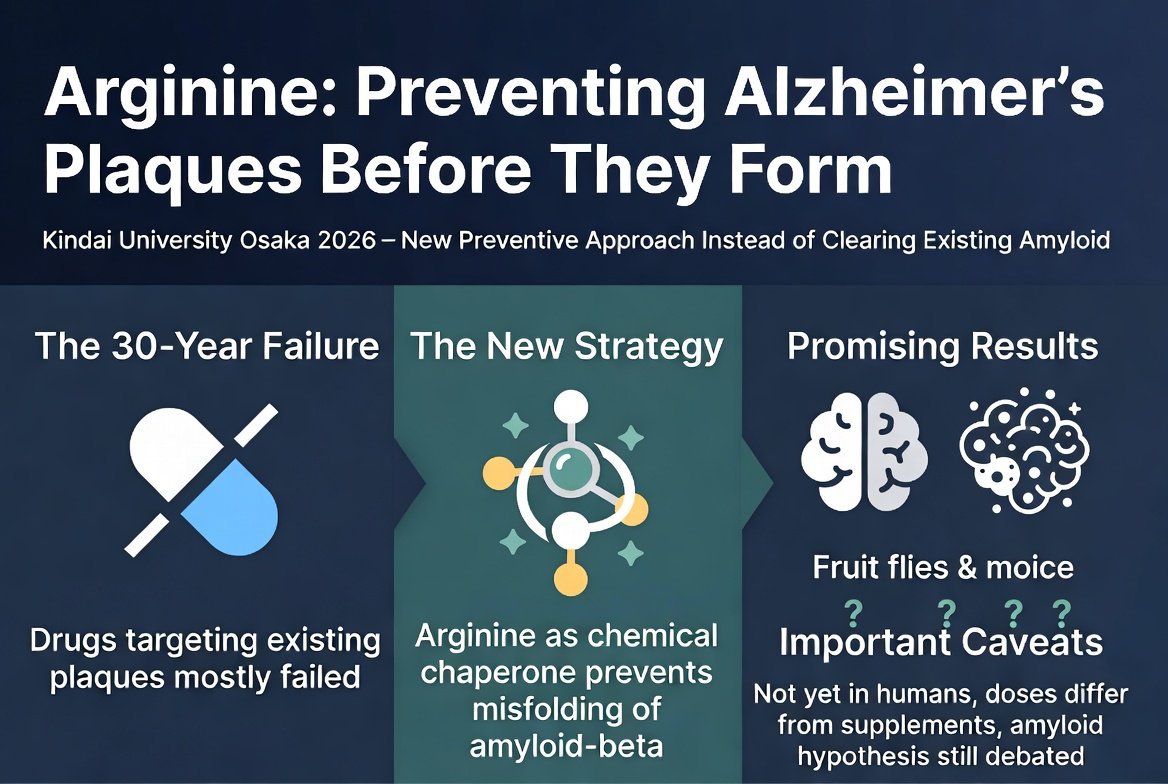
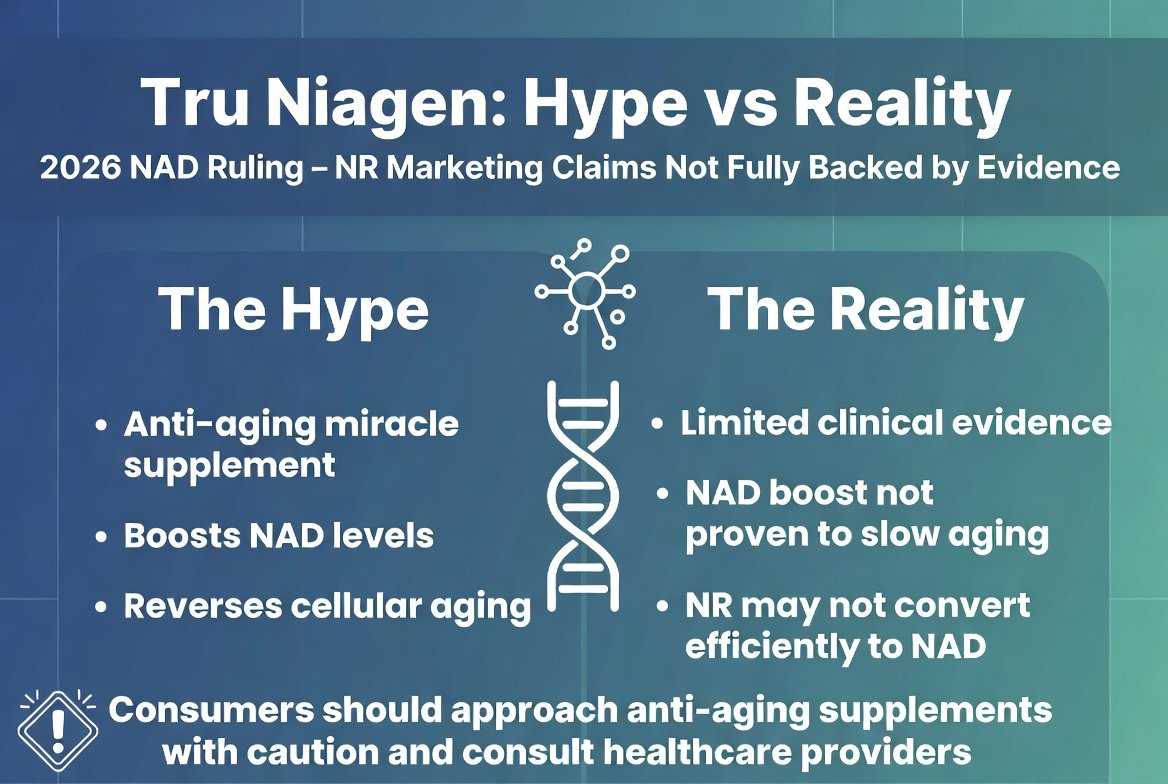
In this part, the conversation goes over the molecules everyone is talking about. Alpha-ketoglutarate, urolithin A, and NAD+ boosters all show interesting early evidence, mainly in cells and animals, but controlled human evidence for longevity is still thin. This is an important reminder: a promising compound is not the same as a proven drug. In contrast, the interventions with the strongest evidence are precisely those not in a supplement bottle. Attia and Kennedy both emphasize the exceptional value of high aerobic fitness, as reflected in VO2 max, of strength training to maintain muscle mass, and of metabolic health. They also mention the growing role of metabolic drugs like GLP-1 and SGLT2, which started their journey treating diabetes and obesity and are now generating research interest in a broader context of health and aging.
Why you should watch
This episode is among the best you will find if you want a balanced and up-to-date picture of longevity science, without hype and without despair. Brian Kennedy is exactly the kind of guest we appreciate: a serious scientist who is excited about the potential but refuses to cross the line into promises not backed by evidence. Peter Attia, for his part, pushes with sharp questions and repeatedly brings the conversation back to what is truly established. This is exactly the approach we hold here: to note the exciting progress, but also to clearly mark where the boundary lies between established science and hypothesis.
It is worth remembering a few things while watching. Rapamycin is an investigational drug for use in longevity, and human trials, promising as they may be, have not yet proven life extension. Biological clocks are a promising but imperfect tool, and the biological age number they return is not a decree. And most promising compounds are still in the early stage, far from controlled human proof. What does work, and works well, is the basics: movement, strength, aerobic fitness, sleep, and metabolic health. This video is excellent for understanding where the field is going, provided you remember the gap between promise and proof.
References:
The Peter Attia Drive, Episode 357 with Brian Kennedy
Results of the PEARL rapamycin trial, Aging journal
Enjoy watching!
💬 Comments (0)
Be the first to comment on the article.