Garlic is one of the oldest spices in the world, and almost every culture has attributed healing powers to it. Most turned out to be myth. But every so often, a study manages to isolate a specific molecule from a familiar food and show real biology behind it. This time it's a compound called S1PC, with a tempting headline: it may slow age-related muscle loss. So before rushing to buy garlic supplements, it's worth stopping to understand what exactly was found, in which creature, and what is still very far from being proven.
What is the S1PC compound?
S1PC (short for S-1-propenyl-L-cysteine) is a rare amino acid formed during the aging process of garlic, and is not found in fresh garlic from the shelf. To understand this difference, you need to know the material it was derived from:
- Aged Garlic Extract: Garlic that has undergone a prolonged aging process, months to years, under controlled humidity conditions. This process changes the chemistry of the garlic.
- During the aging process, pungent and irritating compounds like allicin break down, and in their place, more stable and soluble sulfur compounds are formed, including S1PC.
- This means that even if you eat large amounts of fresh garlic, you will not get the same molecule. This is a critical point we will return to.
- S1PC has been studied before in the context of blood pressure and inflammation, but its connection to muscle is new.
The connection to muscle: A surprising pathway from fat to the brain
The truly interesting part of the study is not that garlic helps muscle, but how. The researchers discovered a communication chain between three different organs, known as inter-organ communication:
- Step 1, inside the fat: S1PC activates an enzyme called LKB1 in white adipose tissue. This enzyme is a central energy sensor in the cell.
- Step 2, the SIRT1 pathway: Activation of LKB1 leads to activation of the SIRT1 pathway, the same pathway long associated with longevity and caloric restriction.
- Step 3, release of eNAMPT: As a result, the fat tissue secretes a protein called eNAMPT into the blood. This is the enzyme that is a bottleneck in the production of NAD+, a molecule essential for cellular energy, DNA repair, and normal function that declines with age.
- Step 4, to the brain: The eNAMPT travels through the bloodstream to the hypothalamus in the brain, and from there a sympathetic nerve signal is sent that ultimately improves muscle function.
In simple terms: according to the study, fat is not just a calorie store, but a signaling organ. S1PC seems to flip a switch that reminds fat to release the substance that fuels NAD+ production, which in turn reaches the brain and affects the muscle.
Current evidence
Study 1: Old mice, Cell Metabolism from 2026
The main study, published in the prestigious journal Cell Metabolism on May 7, 2026, was conducted by the Institute for Research on Productive Aging (IRPA) in Tokyo and the pharmaceutical company Wakunaga in Japan. The researchers gave S1PC to old mice over time, and the results were consistent:
- Increase in skeletal muscle strength compared to control mice.
- Decrease in frailty score, a measure that weighs physical signs of aging.
- Restoration of core body temperature to a more youthful level, an indirect marker of active metabolism.
It is important to note: these are strong and convincing results, but they are in mice. Mice are not humans, and many studies that worked well in mice failed when translated to humans.
Study 2: Clinical trial in humans, single biomarker
The researchers also conducted a randomized, double-blind trial in healthy middle-aged adults. Here, great caution is needed in reading the results. The trial tested what happens after a single dose of garlic powder enriched with S1PC, and measured only one thing: the level of eNAMPT in the blood.
- What was found: A single dose increased the level of eNAMPT in the blood, especially in those with normal fat mass (logical, since fat is the source of eNAMPT in this pathway).
- What was not measured: Any improvement in muscle strength, frailty, function, or any clinical outcome that actually matters to a person.
This is the central gap: in mice, muscle was measured, and in humans, only a biomarker was measured. A rise in a blood marker is an encouraging hint that the pathway might be active in humans too, but it is far from proof that real muscles become stronger.
What about NAD+ and the big picture?
This study connects to one of the hottest topics in aging research: the decline in NAD+ levels with age. Popular supplements like NMN and NR try to raise NAD+ directly by providing a building block. The approach here is different and interesting: instead of supplying building blocks, it attempts to stimulate the body itself to release the enzyme (eNAMPT) that produces NAD+.
But it's worth remembering that even direct NAD+ supplements are still controversial. They raise NAD+ in lab measurements, but real clinical benefit in humans has not yet been convincingly proven. S1PC is one step behind even that: it has shown muscle benefit only in mice. So excitement about the NAD+ connection should come with the same healthy caution.
Should you start taking garlic supplements?
Here, honesty is needed, even when it's less exciting. There are several good reasons to curb enthusiasm:
- This is not kitchen garlic: S1PC is only formed in aged garlic extract. Eating fresh, cooked, or pickled garlic will not provide the molecule. So the headline "garlic slows muscle aging" is misleading if understood as encouragement to eat more garlic.
- Conflict of interest: The study was funded and conducted in collaboration with Wakunaga, the company that produces and markets commercial aged garlic extract. This does not invalidate the science, but it is a reason to demand independent confirmation before getting excited.
- No proven dose for humans: A single dose that raised a blood marker is not a treatment regimen. How much, for how long, and for whom it is suitable, all these are unknown.
- Statistics in perspective: Sarcopenia affects about 16% of older adults, a real health challenge. But precisely because it is real, it deserves an evidence-based solution, not hope resting on mice.
What to take from this study?
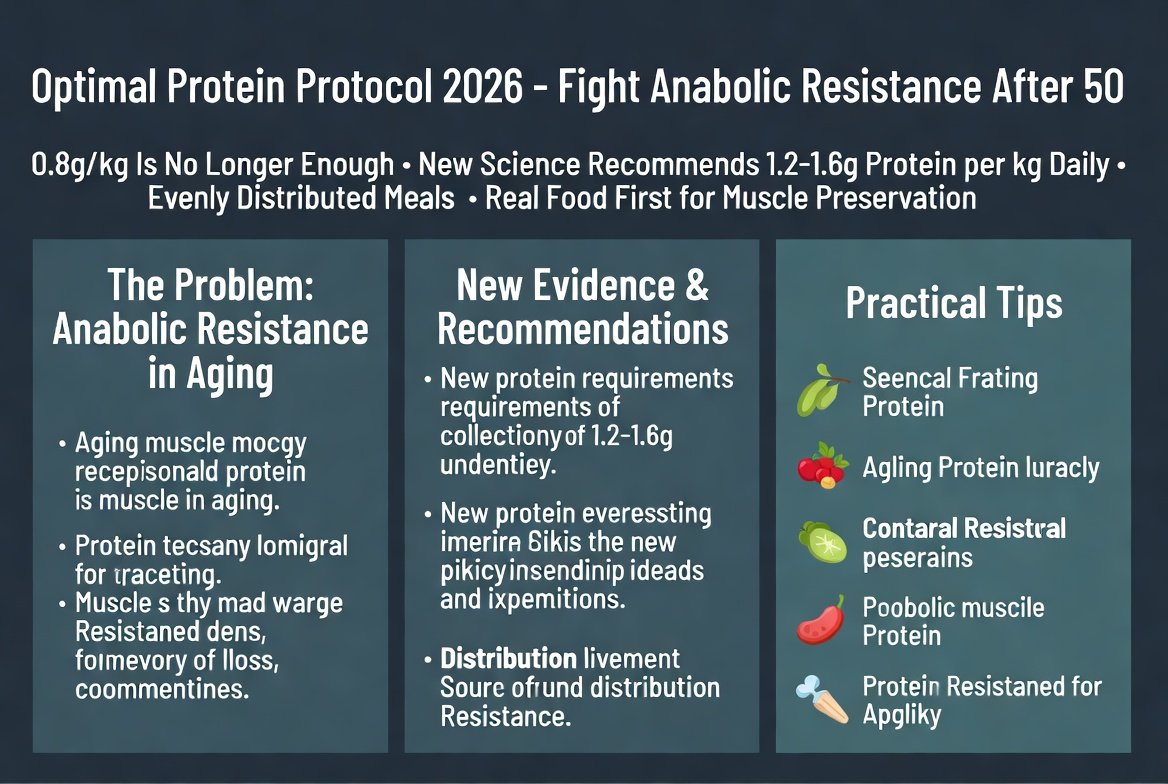
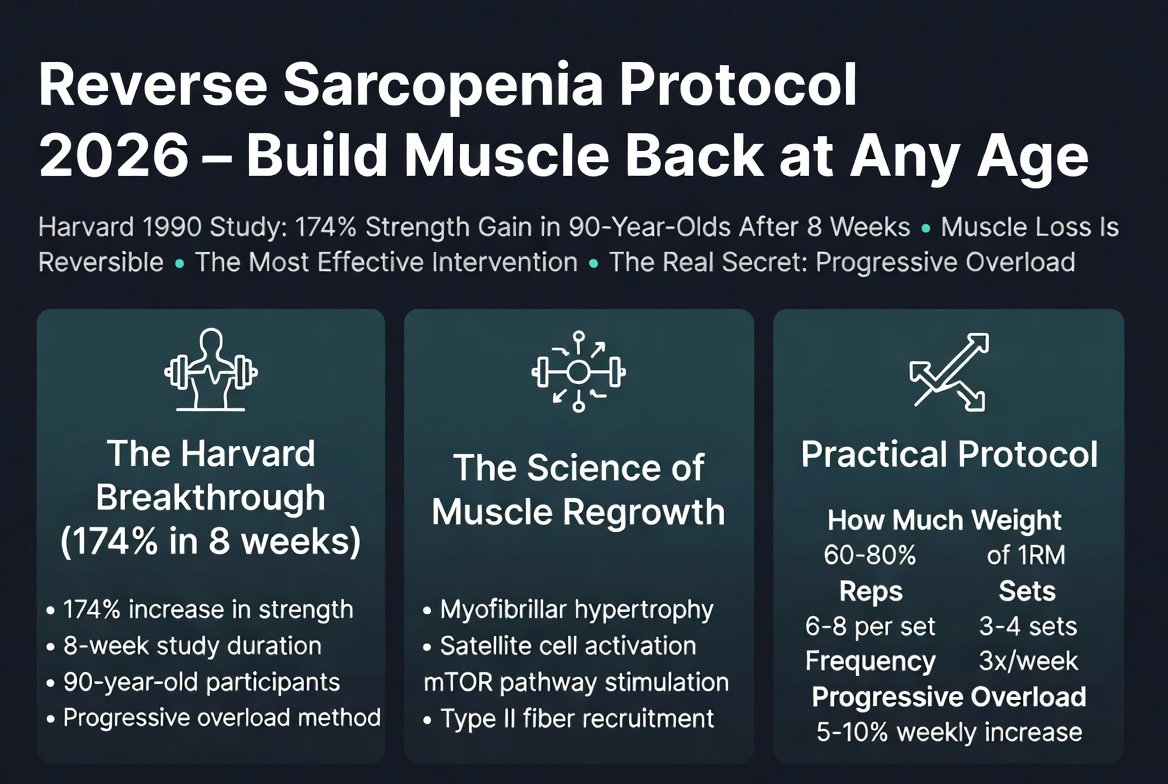
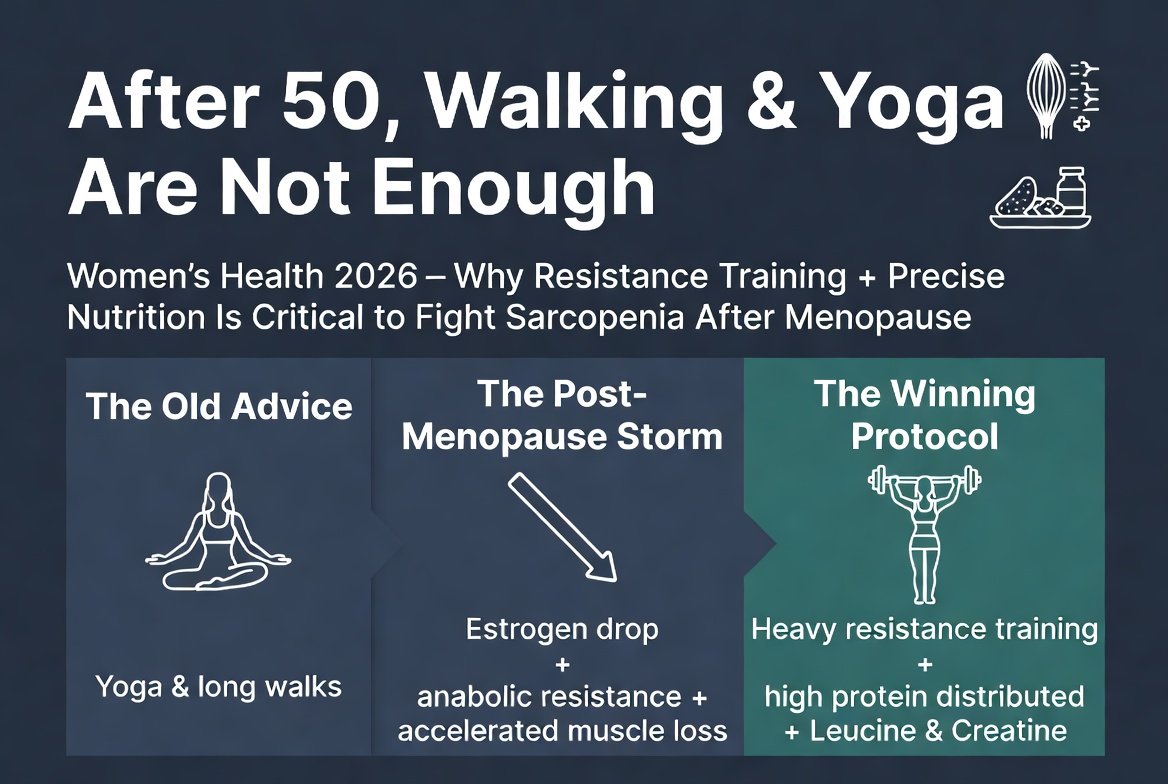
- The basics haven't changed: The only intervention proven beyond doubt for building muscle in old age is resistance training, along with adequate protein intake (about 1.6 grams per kg of body weight per day). No compound will replace that.
- If you already take aged garlic extract for reasons like blood pressure or cholesterol, there is no special reason to stop, but don't expect it to build your muscles based on this study.
- Don't rush to a new supplement: Keep this molecule on your watch list. If and when an independent human study measuring real muscle strength is published, it will be worth revisiting.
- Consult a doctor if you take blood thinners, because garlic compounds can affect blood clotting.
The broader perspective
The story of S1PC is a nice example of how aging science progresses: not by jumping from "garlic helps" to "take a supplement," but by gradually cracking mechanisms. The idea that fat, brain, and muscle communicate through eNAMPT and NAD+ is a fascinating biological insight, even if its practical application is still far off. This is precisely the weak point of the hype in the field: a brilliant mechanism in a mouse is not a treatment in a human. For now, the old, boring tools—lifting weights and eating protein—remain the undisputed champions in the fight against muscle loss.
References:
Cell Metabolism, 2026 - Garlic-derived metabolite activates LKB1, promotes adipose eNAMPT secretion
NutraIngredients.com - Garlic-derived compound shows promise for healthy muscle aging

💬 Comments (0)
Be the first to comment on the article.