You finished puberty long ago, and still pimples, redness, and spots appear on your jawline and chin? It is frustrating, and sometimes embarrassing, because everyone thinks acne is something for teenagers. The truth is that adult acne is much more common than it seems, especially in women: studies show that a significant percentage of women over 25 experience some form of acne, some for the first time only in adulthood. You are not doing anything wrong, and you certainly do not need to "just put up with it."
The big problem is not that there are no solutions, but that most of what is sold to us is marketing, not science. Cosmetic shelves are full of "detox" soaps, aggressive scrubs, and miracle masks, and harmful home tricks pop up online. In this guide, we will honestly sort things out: we will explain why adults get acne, lay out the treatments that really work according to updated medical guidelines, discuss hormonal options for women, honestly address diet, explain when severe acne requires a dermatologist and isotretinoin, and debunk the myths. Everything is ranked by evidence, with one central message: adult acne is treatable, but it requires patience and the right tools, not tricks.
Note before we start: This is a general and educational guide. Severe inflammatory, cystic, or scarring acne requires an early dermatologist, not home trial and error. We will explain exactly when, later on.
Why Do Adults Get Acne?
Acne is not "dirt" on the skin, but an inflammatory process in the hair follicle and the adjacent sebaceous gland. Four factors meet: excess sebum (skin oil) production, a plug of dead skin cells blocking the pore, a bacterium called C. acnes, and inflammation. In adults, several specific factors highlight this process:
- Hormones (the main factor, especially in women). Fluctuations in androgens (sex hormones) increase sebum production. Therefore, acne in adult women often flares up around menstruation, during pregnancy, menopause, or due to conditions like polycystic ovary syndrome (PCOS). This is the reason for the classic pattern we will detail later.
- Stress. Chronic stress raises cortisol and affects the hormonal system, and can worsen breakouts. It is not "in your head," it is biology.
- Inappropriate products. Oily creams, pore-clogging makeup, and heavy oils can contribute. Look for the word "non-comedogenic" on the packaging.
- Genetics. If your parents had resistant acne, there is a higher chance yours will also be more stubborn. This does not mean it cannot be treated, just that sometimes stronger tools are needed.
- Medications and medical conditions. Some medications (certain steroids, certain supplements) and hormonal conditions can trigger acne. If the outbreak is sudden and unusual, it is worth checking with a doctor.
The Hormonal Pattern: Acne on the Jawline in Women
If you are an adult woman and pimples appear mainly on the lower part of the face: the jawline, chin, and neck, sometimes deep and painful pimples that flare up around menstruation, there is a good chance it is acne with a hormonal component. This pattern is well known to dermatologists, and it is important because it suggests that hormonal treatment (which we will detail later) may help more than another cream. This does not mean you have a serious hormonal problem, just that your skin is sensitive to normal hormonal fluctuations.
The Topical Cornerstones That Really Work (🟢)
The good news: there is a group of topical treatments (applied to the skin) with strong evidence and a clear recommendation in updated medical guidelines. The 2024 guidelines of the American Academy of Dermatology (AAD) strongly recommend topical retinoids and benzoyl peroxide as the foundation of treatment. Here are the tools, ranked 🟢 green for good evidence:
- Topical Retinoids (🟢, the cornerstone). Vitamin A derivatives (like Adapalene, available over the counter in some places, retinol, and prescription-strength tretinoin and tazarotene). According to AAD guidelines, retinoids are the core of acne treatment: they unclog pores, reduce inflammation, treat pigmentation spots left after pimples, and keep the skin clear long-term. They require patience (6 to 12 weeks for results) and gradual introduction because initially they cause dryness, redness, and peeling. Important: Not to be used during pregnancy, and sun protection is mandatory because they increase sun sensitivity.
- Benzoyl Peroxide (🟢). Kills the acne bacteria and reduces inflammation, and is available over the counter. An additional advantage: combining it with topical antibiotics prevents the development of bacterial resistance, so dermatologists often recommend combining them. It can be drying and may bleach fabrics and towels, so use it in moderation.
- Salicylic Acid (BHA) (🟢/🟡). A beta-hydroxy acid that is oil-soluble, penetrates the pore, and cleans the plug from the inside. Particularly good for oily skin and comedones (blackheads and whiteheads). The guidelines give it a conditional recommendation (i.e., helpful, with reasonable evidence), and it is a gentle and accessible choice for a routine.
- Azelaic Acid (🟢/🟡). A less well-known but excellent ingredient: anti-inflammatory, reduces bacteria, and a big bonus, it lightens pigmentation spots left after acne. It is considered relatively gentle and safe, and is usually allowed during pregnancy (always confirm with a doctor), making it a good choice for those who cannot use retinoids.
How to Use Without Drying Out the Skin
A common mistake: getting excited, applying everything together and strongly, and the skin becomes dry, red, and peels, which worsens the acne instead of improving it. Here are the rules that make these tools effective:
- Start slow. Retinoid two to three times a week initially, not every night. Increase gradually as the skin adjusts.
- Small amount. A pea-sized amount is enough for the whole face. More is not better, just more irritation.
- Moisturize and be patient. Using a gentle moisturizer reduces the dryness from the retinoid and allows you to persist. Persistence is what brings results, not intensity.
- Do not mix everything on the same night. Retinoid and strong acids together can be very irritating. It is better to separate them (e.g., retinoid at night, the other in the morning) or consult.
- Sun protection every morning. Mandatory, both because retinoids increase sensitivity and because the sun worsens spots left after acne.
You can read more about ingredients that work on the skin, honestly ranked, at Topical Skincare (retinol, acids, sun protection).
Hormonal Acne in Women: Options Through a Doctor (🟢)
Here is a real advantage for women with the hormonal pattern (jawline, flare-ups around menstruation): there are treatments that directly target the hormonal component, and they can help greatly where creams alone have failed. Both require a prescription and doctor supervision:
- Spironolactone (🟢). A medication that blocks the effect of androgens on the sebaceous glands, thus reducing sebum production and acne in women. The SAFA study published in the BMJ in 2023, a randomized placebo-controlled trial in adult women, found that spironolactone significantly improved acne compared to placebo, with greater improvement at week 24 than at week 12 (meaning, again, patience). Bonus: the group receiving spironolactone had lower antibiotic use over time, which helps in the fight against antibiotic resistance. Well-tolerated in most cases. Not for use during pregnancy, and requires doctor supervision.
- Combined Oral Contraceptive (🟢). Certain estrogen-progestin pills are approved for acne treatment and help by balancing the hormonal fluctuations that fuel breakouts. Suitable especially for those who also want contraception. There are considerations and contraindications (e.g., history of blood clots, smoking over age 35), so it must be through a doctor.
The message: if you are a woman with stubborn acne on the jawline that does not respond to topical treatment, it is very worth asking a dermatologist or gynecologist about hormonal options. Sometimes that is exactly the missing piece.
Diet and Lifestyle: What Is Really Known, Honestly (🟡)
"What did I eat that caused this?" A legitimate question, but the answer is complex and less dramatic than the internet promises. Here is what science really says, and why it is ranked 🟡 yellow, meaning a real but modest connection, not a miracle cure:
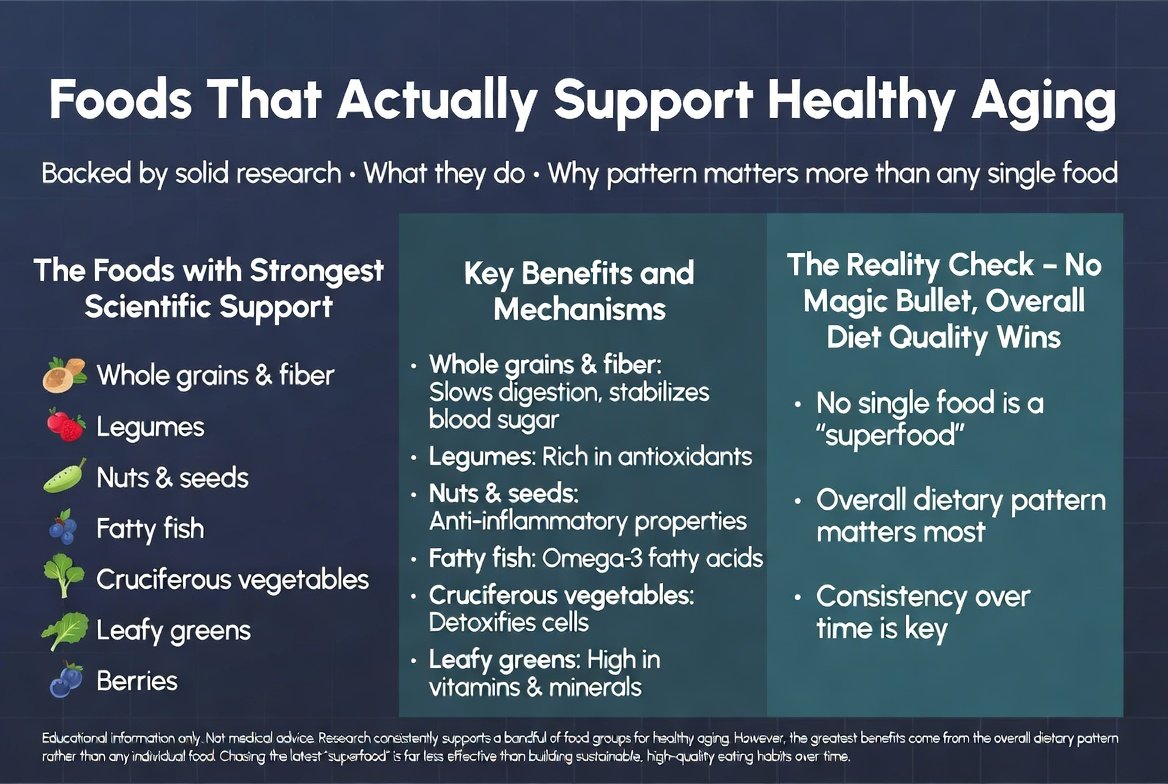
- High glycemic load foods (🟡). A diet high in sugar and refined carbohydrates (white bread, sweet snacks, sugary drinks) raises insulin and IGF-1, which can increase sebum and androgen production. A systematic review in JAAD International from 2022 found a relatively consistent link between high glycemic load and worsening acne. Switching to complex carbohydrates and vegetables does not "cure" acne, but can help on the margins, and is good for overall health anyway.
- Dairy products, especially skim milk (🟡). The same review and others found a link between milk consumption, especially skim/low-fat milk, and acne in some populations. Interestingly, the link is stronger for skim milk than whole milk. The important thing: this is a modest statistical correlation, not uniform across individuals, and not proof that milk causes acne in everyone. If suspected, you can try reducing skim milk for a few weeks and see, but do not turn life into an extreme avoidance diet.
- Sleep, stress, and proper cleansing (🟢/🟡). Good sleep and stress management support the skin because they affect cortisol and hormones. As for cleansing, do not wash or scrub too much: gentle cleansing twice a day is enough, and aggressive scrubbing only irritates and worsens things.
The bottom line on diet: There is no single food that causes acne in everyone, and no "detox" diet that cures it. A balanced diet with less sugar helps on the margins, but it is an addition to topical treatment, not a replacement.
Severe Cystic Acne and Isotretinoin: Full Honesty (Only Through a Dermatologist)
There is a type of acne that should not be treated alone with over-the-counter creams: cystic or nodular acne, deep, large, and painful pimples, and acne that is already leaving scars. Here, time is critical: the longer you wait, the more scars remain. The good news is that there is a very effective treatment, but it is medical and requires close supervision.
- Isotretinoin (🟢 for effectiveness, but only through a dermatologist). This is the most effective medication for severe acne, considered a treatment that can lead to long-term remission and even cure, with very high success rates (around 80 to 85 percent) in severe cases. It works on all four acne factors simultaneously. But it has real warnings that must be respected:
- Severe risk in pregnancy. Isotretinoin causes severe birth defects. Absolutely forbidden during pregnancy, and women of childbearing age must use contraception and have pregnancy tests before and during treatment. This is not a recommendation, it is a life-saving safety rule.
- Side effects and monitoring. Significant dryness (lips, skin, eyes), and sometimes effects on blood lipids and liver, so blood tests and monitoring are required. There is also ongoing discussion about a possible link to mood, so it is important to report any changes to the doctor.
- Never alone. It is forbidden to purchase isotretinoin online or from an unregulated source. It is given only by prescription and under the supervision of a dermatologist.
And treatment for scars: If scars remain, there are solutions (laser, microneedling, chemical peels, and sometimes fillers), but they are clinical and performed by a doctor or licensed practitioner. The important thing to understand: It is much easier to prevent a scar than to fix it, so early treatment of severe acne is the best investment in your skin.
Myths You Should Stop Believing (🔴)
Some of the popular "advice" not only does not help, but is actually harmful. Here are the common ones, ranked 🔴 red:
- Toothpaste on a pimple (🔴). An old and harmful trick. Toothpaste contains ingredients (mint, fluoride, detergents) that irritate the skin, causing redness, burning, and sometimes a chemical burn. It is not intended for facial skin. No benefit, only damage.
- Aggressive scrubbing and harsh soaps (🔴). The logic that "acne is dirt, so I will wash hard" is completely wrong. Aggressive washing and harsh scrubs damage the skin barrier, irritate it, and increase inflammation, which worsens the acne. Gentle cleansing wins every day.
- "Detox" and miracle diets (🔴). There are no toxins that need to be "flushed out" to cure acne. Acne is an inflammatory-hormonal process, not a buildup of toxins. Detox teas, "toxin-absorbing" masks, and extreme diets are not supported by science.
- Popping pimples (🔴). Tempting, but popping pushes the inflammation deeper, increases the risk of infection, and most importantly dramatically increases the risk of permanent scarring and pigmentation spots. Hands off.
Bottom Line and Action List
If you take one thing from this guide: Adult acne is treatable, but it requires the right tools and patience, not tricks and magic. Here is how to approach it in the right order:
- Proven topical foundation. Retinoid at night (start slow) and benzoyl peroxide, or azelaic/salicylic acid. This is the foundation with the strongest evidence.
- Patience, 6 to 12 weeks. No topical treatment works overnight. Give it time before switching, and do not jump between products.
- Do not dry out or scrub. Gentle cleansing, moisturizer, and sun protection every morning. More aggressive equals worse.
- Women with hormonal acne? Ask a doctor about spironolactone or the pill. This is sometimes the missing piece.
- Diet as a modest aid. Less sugar, maybe less skim milk to try. Helps on the margins, does not cure.
- Stop the myths. No toothpaste, no scrubbing, no "detox," and no popping.
When to run to a dermatologist, and early? If the acne is cystic, deep, and painful, if it is already leaving scars or spots, if it does not respond to topical treatment after a few months, or if it affects your mood and well-being, do not wait. Early treatment by a dermatologist prevents permanent scars, and the doctor has tools (including isotretinoin and hormonal treatments) not available over the counter. Acne is a medical condition, and you deserve real treatment. Want more practical tools for skin and health? We have a Skin Guide and more practical guides.
The information in this guide is educational and general only, and does not constitute medical advice or a substitute for consultation with a doctor or dermatologist. Cystic, nodular, or scarring acne, as well as treatment with isotretinoin or hormonal treatments (spironolactone, the pill), require diagnosis and monitoring by a doctor, and prescription medications should never be taken or ordered without a prescription and supervision. Women who are pregnant, breastfeeding, or of childbearing age must consult a doctor before any treatment, as some medications (retinoids, isotretinoin, spironolactone) are contraindicated in pregnancy. Results vary from person to person, and it is important to maintain realistic expectations and patience.
References:
Reynolds RV et al., J Am Acad Dermatol 2024, Guidelines of Care for the Management of Acne Vulgaris (AAD)
Santer M et al., BMJ 2023, Effectiveness of Spironolactone for Women With Acne Vulgaris (SAFA) Randomised Controlled Trial
Meixiong J, Ricco C, Vasavda C, Ho BK, JAAD International 2022, Diet and Acne: A Systematic Review


💬 Comments (0)
Be the first to comment on the article.