Take two 50-year-olds. One climbs stairs without getting winded, sleeps well, has clean blood tests, and supple skin. The other is out of breath after one flight, suffers from high blood pressure, borderline blood sugar, and chronic inflammation. On their ID cards, they are exactly the same age. But inside the body, at the level of cells and tissues, they are years apart. This difference is precisely what aging science tries to quantify under one name: biological age.
In the last decade, we have moved from hypothesis to measurement tools. Today, it is possible to estimate a person's biological age using epigenetic clocks, simple blood tests, and lifestyle-based calculators. The questions everyone asks, and which we will answer here honestly, are three: what is the difference between chronological age and biological age, where can you test biological age, and most importantly, how do you lower it.
What is Biological Age?
Biological age is an estimate of how "worn out" your body actually is, based on the state of your cells, tissues, and systems, rather than the number of years since you were born. It tries to answer one question: what is the average age of a typical person whose biology looks like yours?
- It is based on measurable biomarkers: DNA methylation patterns, blood markers of inflammation and metabolic function, telomere length, and more.
- It can be lower or higher than chronological age. A 45-year-old can have a biological age of 38 or 53.
- It is modifiable. Unlike chronological age, which only increases, biological age can slow down, stop, and to some extent even decrease following lifestyle changes.
- It is an estimate, not a verdict. No test can predict exactly when you will die. It provides a relative snapshot, useful as a tracking tool and motivator, but not as a prophecy.
The importance of this concept is that it turns aging from something nebulous into something measurable and intervenable. If you can measure it, you can track it, and if you can track it, you can know if what you are doing is working.
Chronological Age vs. Biological Age: The Fundamental Difference
This is perhaps the most common question, so it is important to clarify it in depth. Chronological age is simple: how many years have passed since you were born. It is the same for everyone born in the same year, completely accurate, and unchangeable. It is good for forms and birthdays, but it is a poor measure of health.
Biological age, on the other hand, is dynamic and personal. It reflects the rate at which you are aging, a rate influenced by genetics (about a fifth to a third of the effect according to most estimates) but mainly by daily choices: movement, nutrition, sleep, smoking, stress, and alcohol. Two genetically identical twins can develop a gap of years in their biological age if one smokes and sits all day while the other exercises and does not smoke.
The reason this measure interests longevity researchers is simple: biological age predicts morbidity and mortality better than chronological age. A person whose biological age is higher than their chronological age is at increased risk for heart disease, diabetes, cancer, and dementia. A person whose biological age is lower than their chronological age enjoys a measurable health advantage. In other words, the body does not count birthdays; it counts damage and repair.
How to Test Biological Age? Four Main Methods
There is no single agreed-upon measure for biological age. Instead, there are several families of methods, ranging from the accurate and expensive to the simple and free. Here is the hierarchy, from strongest to coarsest.
1. Epigenetic Clocks (Horvath, 2013) - The Research Gold Standard
The most accurate method is based on epigenetics, and specifically on the pattern of DNA methylation. Throughout life, small methyl groups bind to and release from specific sites on the genome at a remarkably predictable rate. In 2013, Steve Horvath from UCLA published an algorithm that read methylation levels at 353 sites and created a "clock" that estimates age with exceptional accuracy, usually with an error of less than 4 years, and this across almost any tissue in the body.
Horvath's clock opened an entire field. It was followed by more advanced generations of clocks (such as GrimAge and DunedinPACE) that are less aimed at predicting chronological age and more at predicting the rate of aging and mortality risk. A commercial epigenetic test is done from a blood or saliva sample and usually costs hundreds of shekels. This is the method that provides the closest estimate to a "true biological age."
2. Blood Test (PhenoAge, Levine 2018) - The Cheap and Accessible
Not everyone wants or can pay for an epigenetic test. This is where an especially elegant solution comes in: a biological age blood test. In 2018, Morgan Levine from Yale University published a measure called PhenoAge, which calculates biological age from nine markers already found in any routine complete blood count and chemistry: albumin, creatinine, glucose, CRP (inflammation marker), white blood cell count, lymphocyte percent, mean corpuscular volume (MCV), red cell distribution width (RDW), and alkaline phosphatase (ALP), plus chronological age.
The wonder of PhenoAge is that it predicted mortality better than chronological age, using tests that cost next to nothing. Levine even showed that PhenoAge could distinguish between mortality risks even among people of the exact same chronological age. If you have recent blood test results, you can calculate your biological age now, for free, using the biological age calculator from blood test (PhenoAge) we built precisely for this purpose.
3. Biological Age Calculator Based on Lifestyle - The Free and Immediate
The most accessible method requires no test at all. A biological age calculator (sometimes called a physiological age calculator) is based on a lifestyle questionnaire: age, BMI, smoking, physical activity level, sleep quality, nutrition, stress, social connections, and more. Each answer carries a research-based weight, and the sum is translated into an estimate of biological age.
It is important to understand what this is and is not. A lifestyle calculator does not measure your cells; it estimates the expected aging rate based on habits. Its accuracy is lower than a biological test, but it is powerful in another way: it shows you exactly which habits add years and which subtract them, making it an excellent tool for motivation and prioritization. You are welcome to try our free biological age calculator, which returns an immediate result with a breakdown of what helps and what harms you personally.
4. "Metabolic Age" on a Smart Scale - A Marketing Number, Not a Test
Many smart scales display a "metabolic age" or "body age." Here, honesty is needed: this is the coarsest number of all. The scale estimates your basal metabolic rate (BMR) by sending a weak electrical current (bioimpedance), compares it to the population average by age, and translates the gap into an "age." It is mainly based on estimated body fat percentage and muscle mass, a measurement highly sensitive to your body's hydration level and therefore varies from hour to hour.
It is not entirely without value: if your metabolic age is higher than your chronological age, it is a reasonable hint that there is too much fat and too little muscle. But do not treat it as a medical test. It is a marketing estimate designed to motivate you to move your body, not a scientific measure of biological age.
Where to Test Biological Age in Practice?
In Israel and worldwide, there are several paths. For a lifestyle calculator, you need nothing but a computer or phone. For a PhenoAge test, you need results from a routine complete blood count and chemistry, the kind any family doctor orders at your HMO, and then enter the values into the calculator. For an epigenetic test, the most accurate method, you need to purchase a home test kit to which you provide a blood or saliva sample and send to a specialized lab.
We have compiled the options worth knowing, including reliable epigenetic kits, on our gear page under Biological Age Test Kits (Epigenetic). There you will find our honest recommendations on what is truly worth the money and what is not.
Can You Really Lower Your Biological Age?
This is the truly important question, and the honest answer is: yes, partially, and through simpler means than you might think. Studies have shown that biological age, especially epigenetic clocks and PhenoAge markers, responds to lifestyle changes. They do not reset to age zero, but they move. The question is not whether it is possible, but by how much and with what consistency.
It is important to keep both feet on the ground. Many of the studies on "epigenetic age reversal" are small, short-term, or based on one specific clock. But the direction is clear and consistent: the same habits that lower disease risk also lower measured biological age. There is no magic here, there is biology. And that is actually encouraging, because the levers are in your hands.
How to Lower Biological Age: The Proven Levers
If you look for a magic supplement or an expensive treatment to turn back the clock, you will be disappointed. The most powerful levers for lowering biological age are actually the fundamentals, the ones no one can sell in a bottle. Here they are, ordered by strength of evidence.
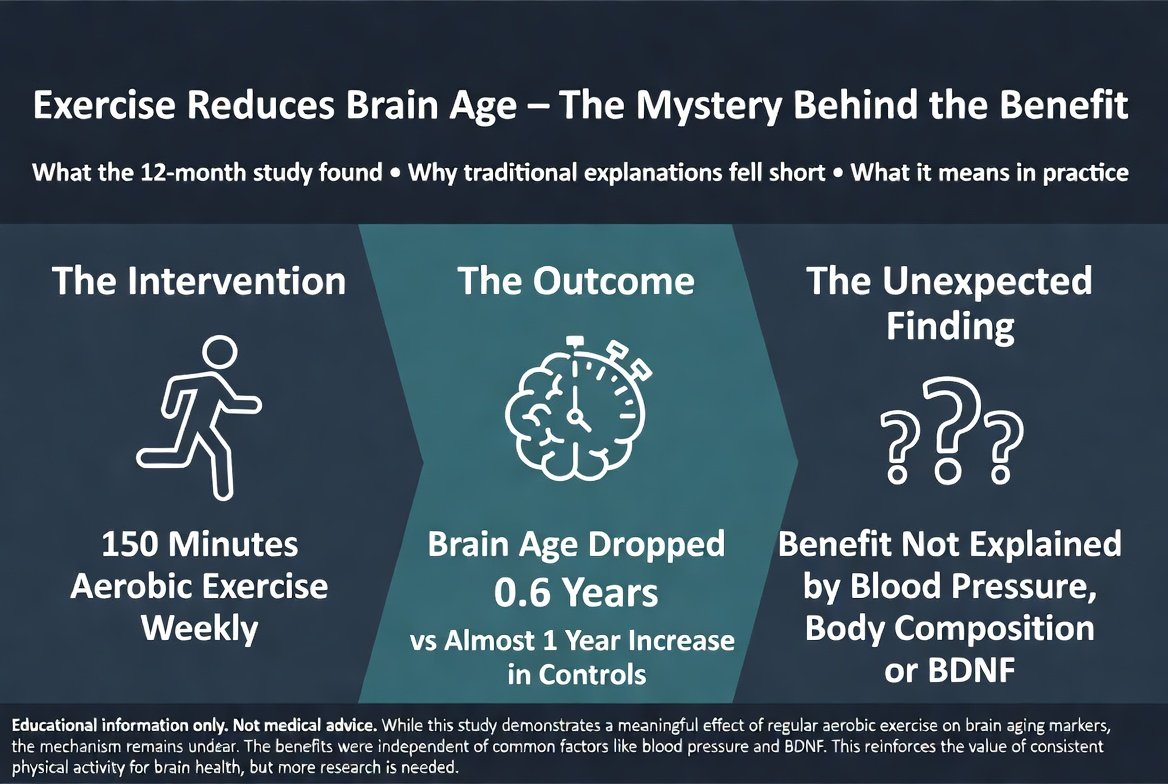
- Physical activity, especially cardiovascular fitness. This is the strongest lever. High cardiorespiratory fitness (VO2max) is one of the strongest predictors of longevity, and regular activity improves insulin sensitivity, lowers inflammation, and improves mitochondrial function, all markers that push biological age downward. Combine regular aerobic training with strength training to maintain muscle mass.
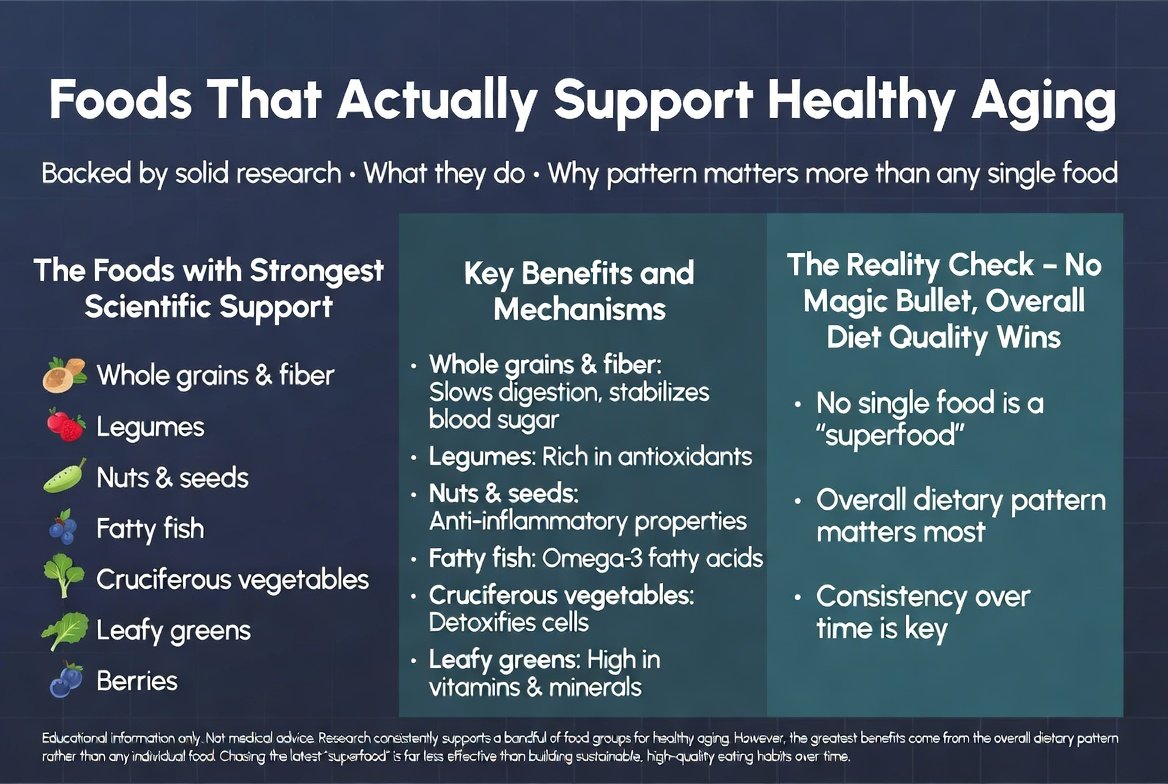
- A diet rich in plants and low in ultra-processed foods. A Mediterranean dietary pattern, rich in vegetables, legumes, fish, nuts, and olive oil, has been repeatedly linked to lower biological age and reduced inflammatory markers. Adequate protein intake is essential for maintaining muscle with age.
- Quality sleep, 7 to 9 hours. Chronic sleep deprivation increases inflammation, impairs blood sugar control, and accelerates aging markers. Sleep is not a luxury; it is biological maintenance.
- Not smoking. Smoking is one of the single strongest factors that increases biological age, and it is removable. The GrimAge clock, for example, assigns significant weight to smoking. Cessation lowers risk at any age.
- Managing chronic stress and social connections. Prolonged stress raises cortisol and inflammation, and social isolation is linked to increased mortality at a level similar to smoking. Human connection and a calming routine are part of the prescription, not a nice addition.
If you want to translate these principles into an organized plan that fits your exact age, condition, and goals, we recommend starting with building a personal protocol that combines movement, nutrition, and tailored supplements based on your profile.
What About Supplements and Medications?
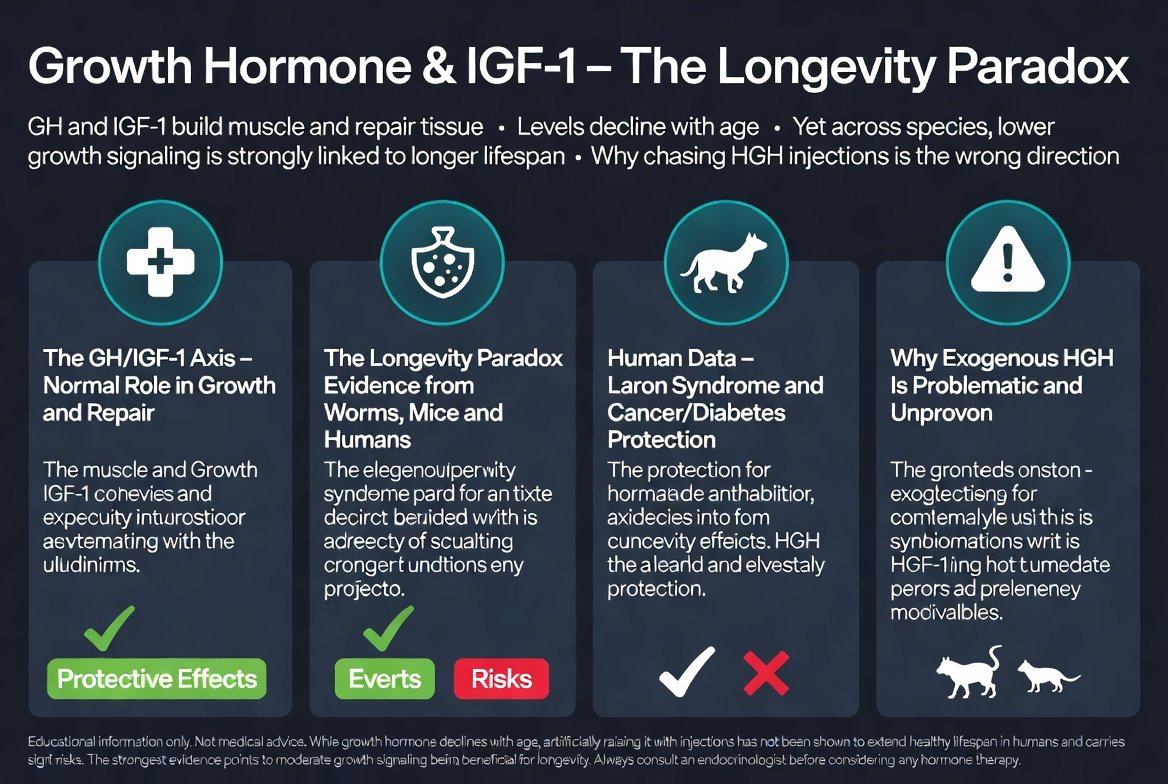
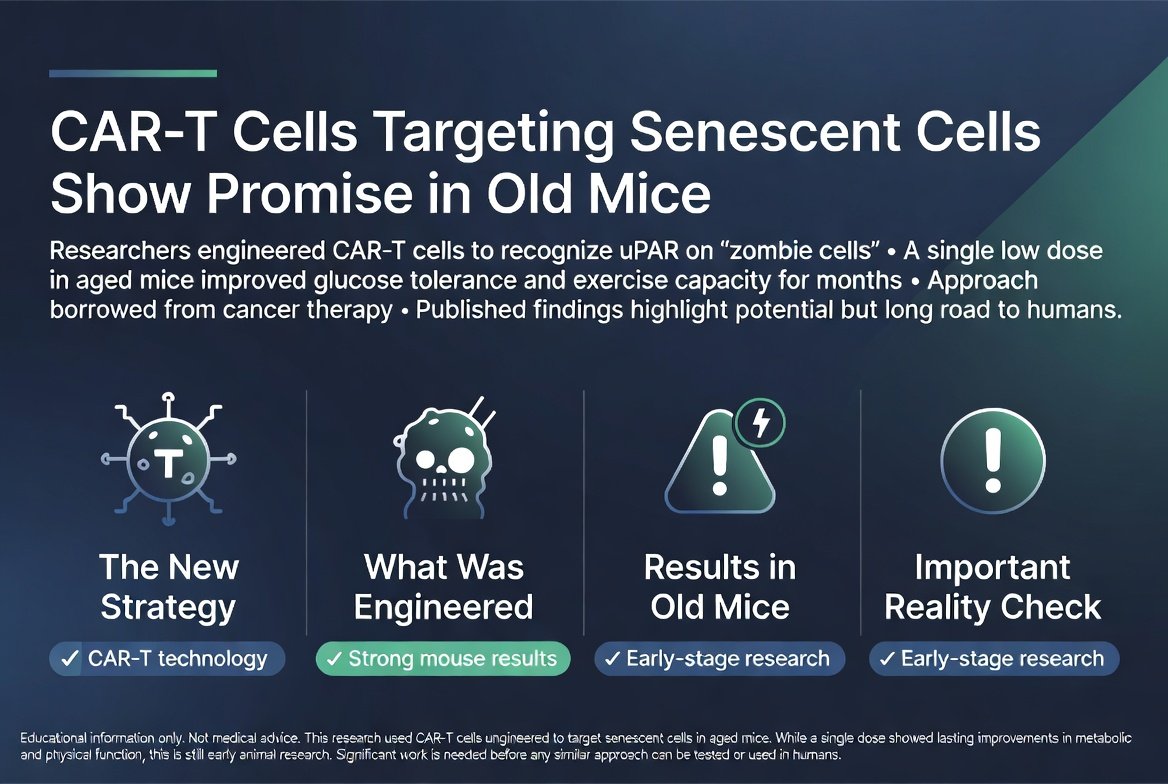
A legitimate question, so honesty: there are molecules being studied in the context of biological age, such as metformin, rapamycin, spermidine, and senolytic agents, but the evidence in humans is still early and mixed, and some require a prescription and medical supervision. Popular supplements like NMN and resveratrol are sold with big promises, but the evidence that they lower biological age in humans is very weak. The bottom line: no supplement comes close to the power of physical activity, nutrition, and sleep. Anyone who skips the fundamentals and looks for a shortcut in a bottle is usually wasting money.
Frequently Asked Questions
What is the difference between chronological age and biological age?
Chronological age is the number of years since you were born, accurate and the same for everyone born in the same year. Biological age is an estimate of the actual state of your cells and tissues, and it can be higher or lower than chronological age depending on genetics and mainly lifestyle. Biological age predicts health and mortality better than the age on your ID card.
Where can I test biological age?
There are three main ways: a free lifestyle calculator (immediate, requires no test), a PhenoAge calculator from a routine complete blood count and chemistry you get from your family doctor, and an accurate epigenetic test using a home kit sent to a lab. The epigenetic clock is the most accurate but also the most expensive.
Can you really lower your biological age?
Yes, partially. Studies show that biological age markers, including epigenetic clocks and PhenoAge markers, respond to lifestyle changes and can move downward. It does not reset completely, but the same habits that lower disease risk, mainly physical activity, proper nutrition, and sleep, also lower measured biological age.
What is "metabolic age" on a smart scale, and how do you lower it?
The metabolic age on a smart scale is a coarse estimate based only on estimated body fat percentage and muscle mass, not a medical test. You lower it exactly as you lower true biological age: physical activity, especially strength training to build muscle, and a diet that reduces belly fat. Treat it as a motivational metric, not a diagnosis.
How accurate is a biological age calculator based on lifestyle?
A lifestyle calculator is less accurate than a biological test because it estimates the expected aging rate from habits rather than measuring the cells themselves. But it is excellent for another purpose: it shows you exactly which habits add and subtract years, making it a powerful tool for tracking, motivation, and prioritizing the steps you should take.
The Broader Perspective
The real revolution of the biological age measure is not in the technology, but in the perception. For generations, we thought of aging as a fixed destiny determined on the day we were born. Biological age teaches us that this is not true: the body ages at a rate that we, for the most part, determine. The number on your ID card increases at a constant rate, but the body itself responds to daily choices.
Do not let the perfect be the enemy of the useful. No biological age test is a prophecy, but each one is an honest mirror and a motivator for action. Measure, track, and then do the simple things that move the needle: move, eat plants, sleep, do not smoke, connect with people. Biological age is a scientific reminder that it is never too late to slow the clock, and sometimes even turn it back a little.
References:
Levine ME et al., Aging (Albany NY) 2018 - An epigenetic biomarker of aging for lifespan and healthspan (PhenoAge)
Horvath S, Genome Biology 2013 - DNA methylation age of human tissues and cell types
Mandsager K et al., JAMA Network Open 2018 - Association of Cardiorespiratory Fitness With Long-term Mortality

💬 Comments (0)
Be the first to comment on the article.