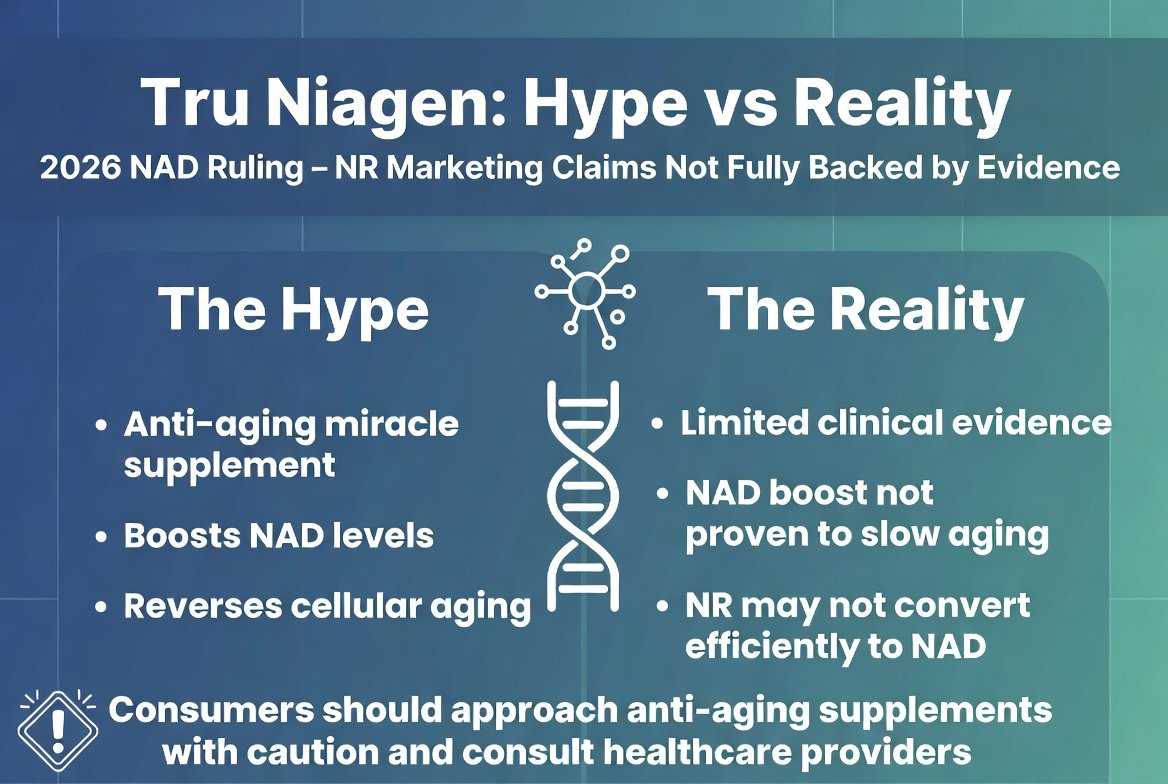
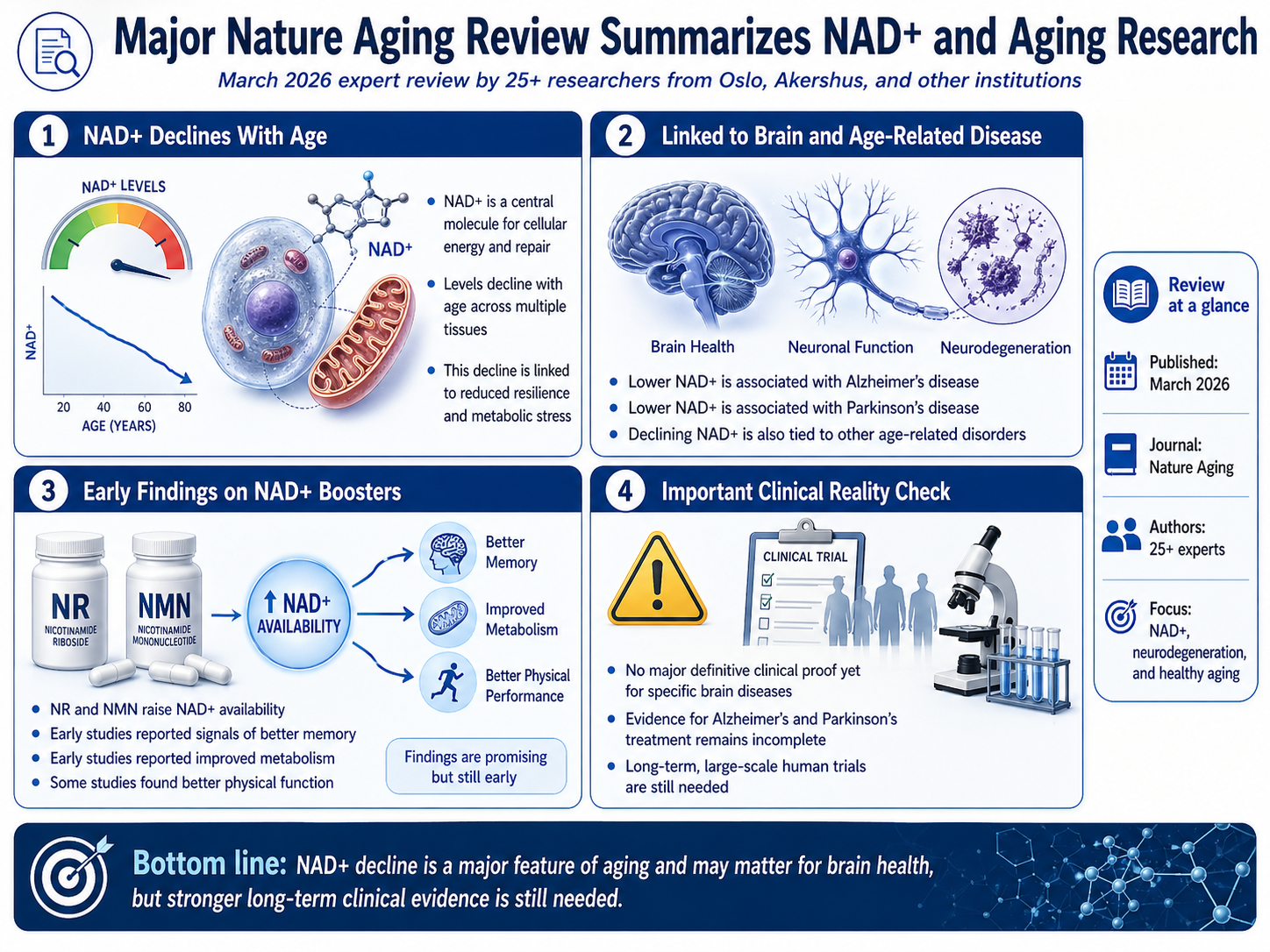
NMN, NR, Nicotinamide. Three dietary supplements that have become symbols of the rejuvenation and longevity movement. Millions of people worldwide take them to "boost NAD+," the cellular molecule that declines with age and is linked to energy, DNA repair, and normal metabolism. But a new study from Case Western Reserve University, published in Cancer Letters, reveals a dark side no one has discussed until now: Cancer cells may use that same NAD+ to survive chemotherapy treatments.
Why is this important?
Pancreatic cancer is one of the deadliest cancers, with a survival rate of only 13% after 5 years. The team of Prof. Jordan Winter at Case Western, who also co-leads the therapeutic development program at the comprehensive cancer center there, wanted to understand why tumors become resistant to chemotherapy. During their investigation, they found a troubling insight.
The three supplements tested
The researchers tested the three most common forms of NAD+ precursors in dietary supplements:
- NMN (Nicotinamide Mononucleotide), which became a symbol of anti-aging supplements after David Sinclair's research
- NR (Nicotinamide Riboside), a form particularly popular in the US
- NAM (Nicotinamide), the classic form of vitamin B3
How cancer cells "hijack" your supplement
The team fed cancerous tumors amounts simulating what a person takes as a daily supplement and discovered three parallel mechanisms by which the supplements weaken chemotherapy:
- Energy boost. The supplements increase the energy of cancer cells, making the tumors stronger and more resistant. Cancer cells feed energetically on NAD+ and use it to maintain their mitochondria, accelerate division, and grow
- Reduction of oxidative stress in the tumor. Chemotherapy kills cancer cells partly through oxidative stress. NAD+ neutralizes one of these key mechanisms of chemotherapy, blunting its ability to damage the cancer cell
- Suppression of DNA damage and cell death. Chemotherapy relies on causing DNA damage and activating programmed cell death (apoptosis) to work. NAD+ suppresses precisely this process: it helps repair DNA damage and block death signals, so the cancer cell survives and continues to divide
"Our findings highlight a potentially concerning role for NAD+ supplements in the context of active cancer, especially when used together with chemotherapy," concludes Prof. Winter. "This study is an important reminder: 'Natural' doesn't always mean 'safe,' especially in the complex biology of cancer treatment."
Important to understand: This does not make the supplements toxic
A critical point: The study does not suggest that NAD+ supplements are dangerous for healthy people. In normal life, NAD+ helps healthy cells function better. The problem arises only when:
- There is active cancer in the body
- A person is undergoing chemotherapy treatment
- Possibly (not yet studied) also in hidden cancers that have not been diagnosed
Practical recommendations
Based on the study, the researchers recommend:
- Active cancer patients: Stop NMN/NR/NAM supplements and consult with an oncologist before resuming them
- Cancer survivors: Have a proper discussion with a doctor before starting
- Family history of cancer: Periodic screening is recommended
- Completely healthy individuals: The supplements are considered safe, but there is no long-term research on continuous use
The researchers also call for "screening supplement use" as a routine part of data collection in all cancer patients, and for additional clinical studies on the interaction between NAD+ supplements and cancer treatments.
Broader context: Why this matters to anyone taking supplements
This study is an example of what aging researchers are beginning to call "the NAD+ paradox": The same mechanism that helps healthy cells stay young can help cancer cells spread. The big question that remains open: Can we develop selective supplements that help only healthy cells?
Until the answer arrives, the golden rule remains: Every "anti-aging" supplement should be evaluated against personal medical history. Not everything that is good for one person is good for everyone.

💬 Comments (0)
Be the first to comment on the article.