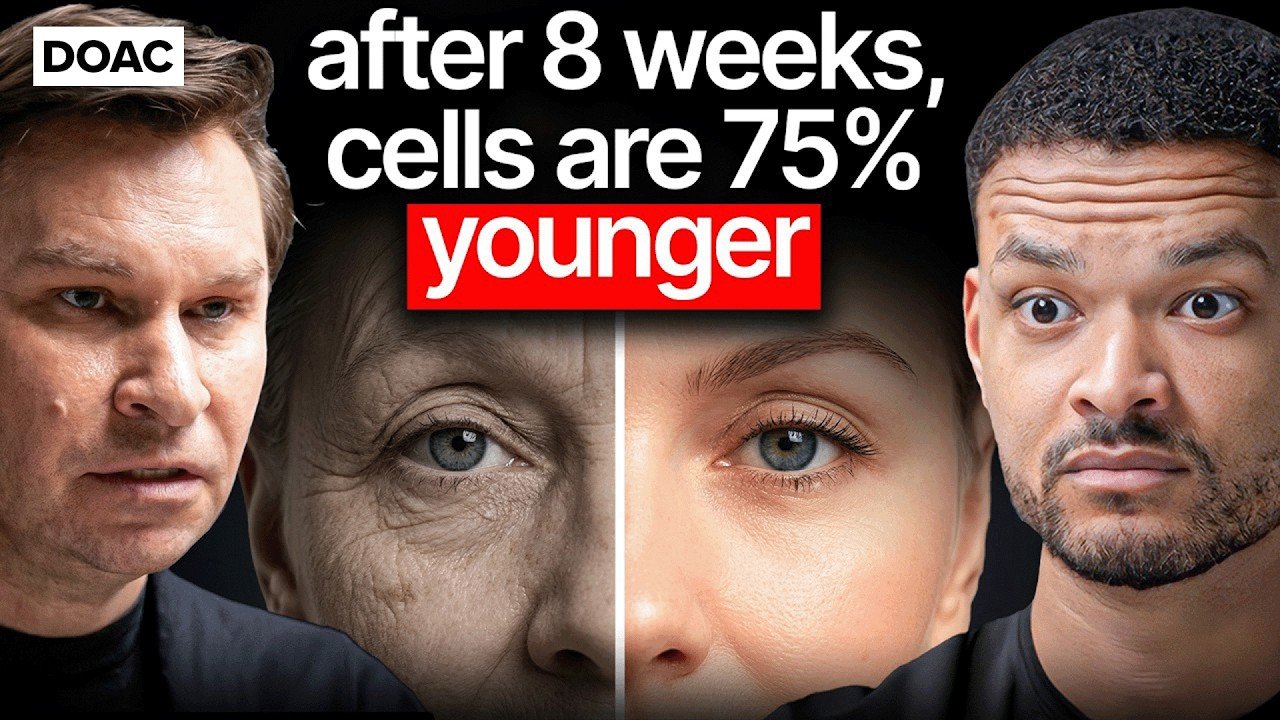
In a small case series led by Dr. Kara Fitzgerald, six women aged 46 to 65 experienced a reduction in their biological age, averaging about 4.6 years, in just eight weeks.
Five out of six participants showed a decrease in biological age, ranging from 1.22 to 11.01 years.
These preliminary findings offer promising insights into the potential of lifestyle changes to influence the aging process, but this is a small case series (six participants) without a control group.
The study focused on distinguishing between chronological age and biological age.
Chronological age refers to a person's age in years, while biological age reflects the age of the body's cells.
Biological age is influenced by many factors, including genetics, lifestyle, and environment.
The researchers used Dr. Steve Horvath's epigenetic clock, which measures 353 markers associated with methylation changes related to aging, to assess the participants' biological age before and after the intervention.
The intervention included significant dietary and lifestyle changes:
Diet:
Over the eight weeks, they consumed the following foods:
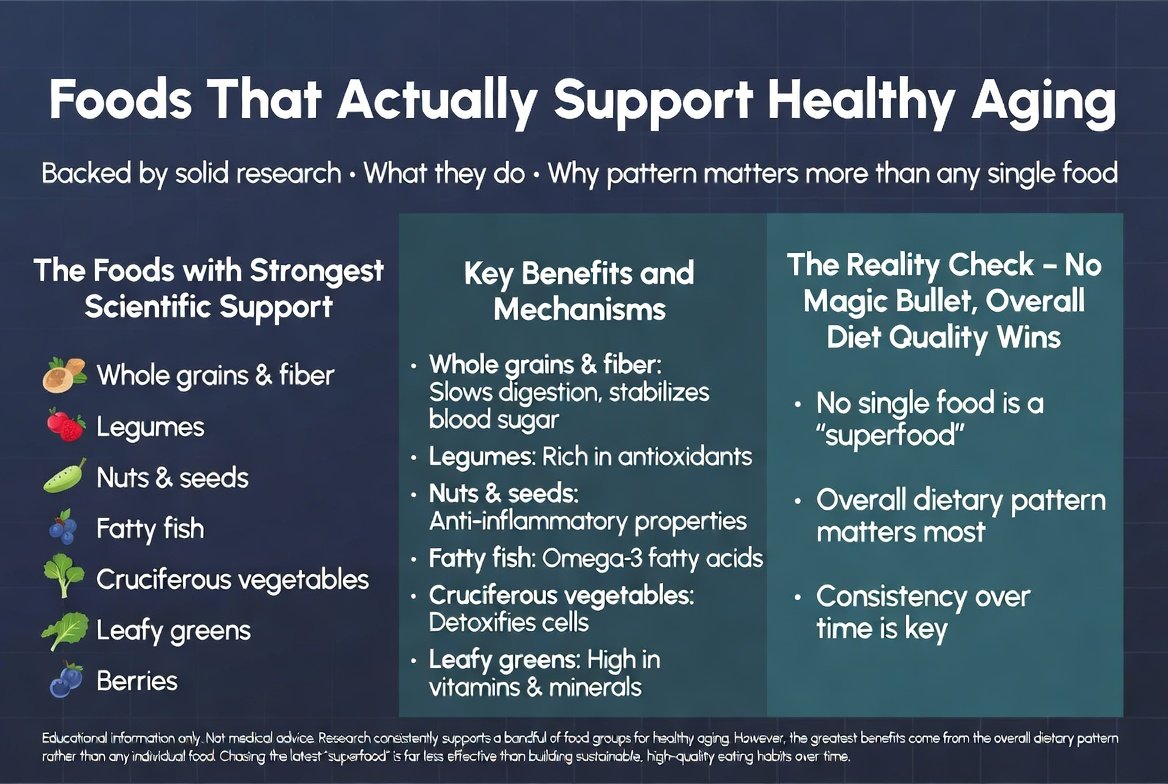
- 2 cups of dark leafy greens
- 2 cups of cruciferous vegetables
- 3 cups of colorful vegetables
- ¼ cup of pumpkin seeds
- ¼ cup of sunflower seeds
- 1 to 2 beets
- Liver (three 3-ounce servings per week)
- Eggs (5 to 10 per week)
They also consumed two servings of foods that support DNA methylation, which controls gene expression:
- ½ cup of berries
- 2 medium cloves of garlic
- 2 cups of green tea (brewed for 10 minutes)
- 3 cups of oolong tea (brewed for 10 minutes)
- ½ teaspoon of rosemary
- ½ teaspoon of turmeric
Lifestyle:
- 7 hours of sleep per night
- 2 probiotic capsules
- 2 servings of vegetable powder
- 8 cups of water
- 30 minutes of physical activity
- Breathwork twice a day
- 12-hour fasting at the end of the day
Results:
Although not all participants fully adhered to the protocol, those who did experienced the most significant improvements.
One participant even reversed her biological age by 11 years!
Conclusions:
This case series highlights the potential of lifestyle changes, including diet, physical activity, sleep, and supplements, to positively influence biological aging.
It is important to remember that this is a preliminary, small study without a control group, so definitive conclusions cannot be drawn.
While there is no guarantee of extending lifespan, these preliminary findings suggest that such interventions may improve the chances of healthy aging and warrant investigation in larger, more controlled studies.
Dr. Fitzgerald emphasizes that adherence to the program was crucial, and that dietary training proved helpful in strengthening compliance among participants.
These results offer hope and motivation for individuals seeking to take proactive steps toward healthier aging.
Implications:
As research in this field continues to evolve, the implications of these findings may have far-reaching effects on how we approach aging and longevity. They offer new avenues for promoting overall well-being and vitality later in life.
.
References:

💬 Comments (0)
Be the first to comment on the article.