Ozempic, Wegovy, Mounjaro. GLP-1 drugs have transformed the world of weight loss in recent years, and rightly so. But there is one aspect that marketing does not always highlight: a significant portion of the weight lost with these drugs is not fat, but lean mass. How much exactly? The answer is more complex than alarming headlines tend to suggest.
What is GLP-1 and why has it become popular?
GLP-1 (Glucagon-Like Peptide-1) is a natural hormone that the body secretes after a meal. It slows gastric emptying, signals the liver to stop producing sugar, and sends a signal to the brain: "enough eating." Drugs like semaglutide (the generic name for Ozempic and Wegovy) and tirzepatide (Mounjaro) mimic the action of this hormone for entire days, leading to a significant reduction in appetite.
The result: weight loss of about 15% with semaglutide and up to about 22% with tirzepatide over one to one and a half years. Results that, until a few years ago, seemed possible only with bariatric surgery.
The other side: what happens to lean mass?
When losing weight, part of the loss is always lean mass, not just fat. This is true for any diet, not just GLP-1 drugs. The question is how much.
In a body composition analysis (DEXA) of the STEP 1 trial for semaglutide, of the total weight lost, about 60% was fat and about 40% was lean mass. A similar figure was observed in the SUSTAIN 8 trial. But it is important to understand two key points:
- The data is not uniform across studies. The percentage of lean mass lost varies greatly depending on the population, treatment duration, physical activity level, and measurement method. "40%" is a figure from one end of the range, not a fixed number that applies to everyone.
- "Lean mass" is not the same as "muscle". Measuring lean mass or fat-free mass by DEXA includes water, organs, and other tissues, not just the skeletal muscle that contracts and generates force. Actual contractile muscle loss is usually smaller than the percentage of "lean mass" loss.
Does the drug cause abnormal muscle loss?
Here, an important finding comes in that is largely reassuring. A comprehensive review and study led by Henning T. Langer and colleagues, published in Cell Reports Medicine (2026), examined precisely this question in mouse models and humans. The conclusion: the loss of lean mass and muscle with GLP-1 drugs is proportional to weight loss, and is not abnormal or "excessive".
In other words, the drug itself does not "attack" the muscle in a special way. The ratio of fat to lean mass lost is similar to what is expected from significant weight loss by any means. In fact, in the mouse model, although the absolute muscle mass decreased, the relative mass (to the smaller body) and function even improved. This shifts the narrative from "the drug destroys muscle" to "rapid weight loss, as always, requires attention to preserving muscle."
Why is it still important to pay attention?
Even if the loss is proportional, it is still a loss. And some populations are more vulnerable:
- Older adults, who start with lower muscle mass and a slower rate of building
- Menopausal and postmenopausal women
- People who are already in a state of sarcopenia (age-related muscle loss)
In these groups, any additional loss of muscle mass can impair function, so protecting muscle during treatment is especially critical.
Why does this matter for your health?
Loss of muscle mass is not just an aesthetic issue. It is a risk factor:
- Daily function: Strong muscle is needed to get up from a chair, climb stairs, and carry objects
- Metabolism: Muscle burns calories even at rest. Less muscle may make it harder to maintain weight after stopping the drug
- Blood sugar regulation: Muscle is a major consumer of sugar. Preserving it contributes to part of the metabolic benefit of weight loss
- Sarcopenia and falls: In older age, significant loss of muscle mass increases the risk of weakness, falls, and fractures
Practical recommendations
The researchers do not call for stopping treatment. GLP-1 drugs are a true breakthrough. They recommend a combined strategy that protects muscle:
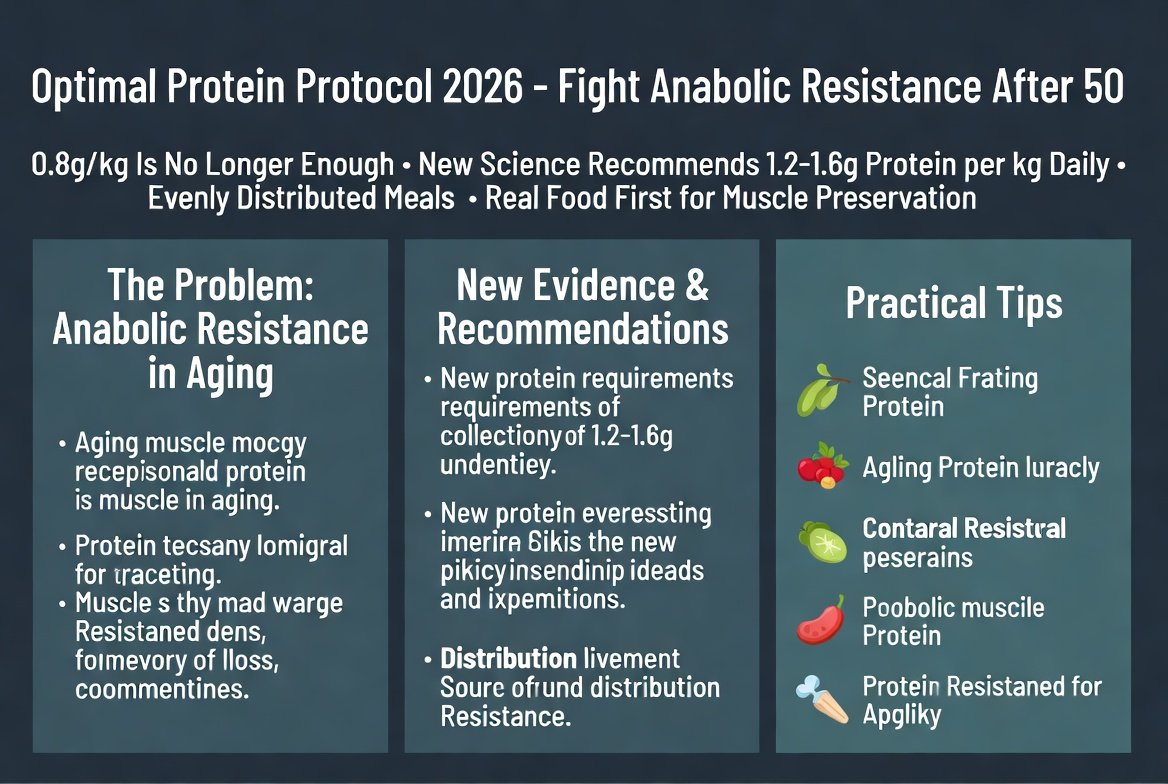
- Protein, protein, protein: About 1.2 grams of protein per kilogram of body weight per day as a baseline. For athletes and older adults: 1.6-2.0 grams
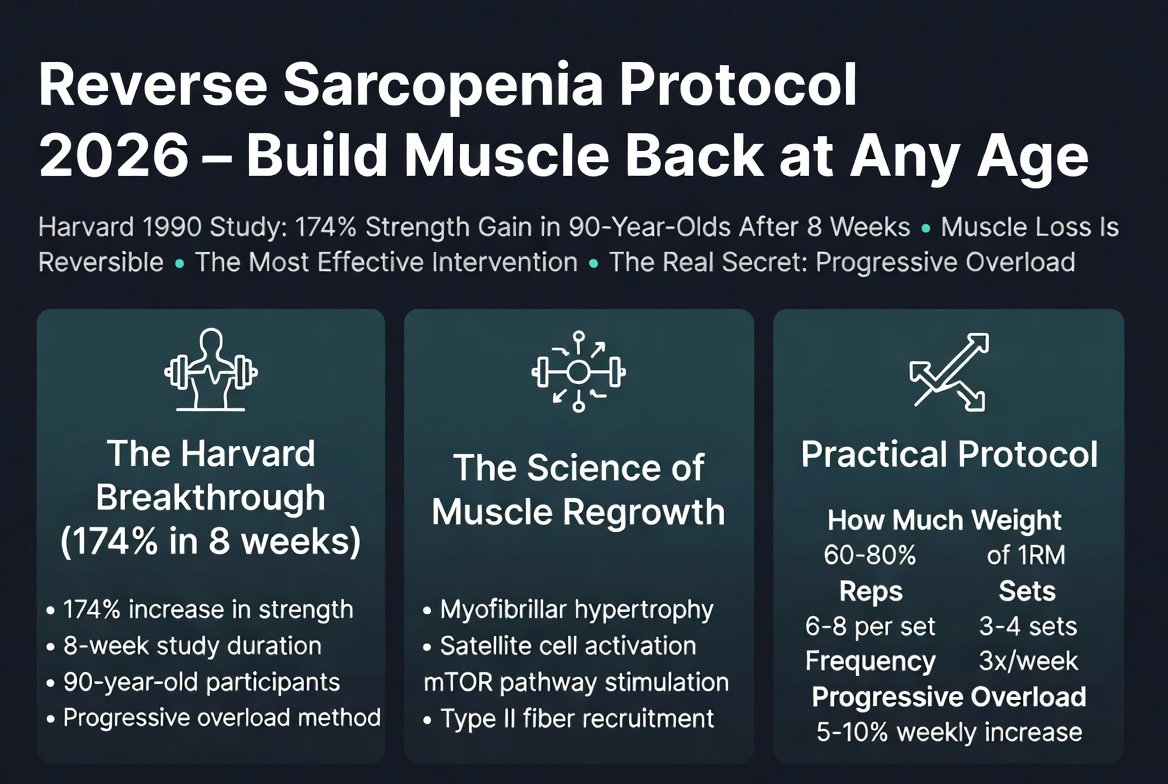
- Resistance training 2-3 times per week: Weights, resistance bands, or bodyweight exercises. This is the most essential stimulus for preserving muscle
- Creatine supplement: About 5 grams per day, helps preserve muscle mass and strength (especially in older adults)
- Body composition tests: It is not enough to look at the scale. Ask your doctor for a DEXA or InBody test before and during treatment, to track fat versus lean mass, not just total weight
- Gradual progression: If weight loss is too rapid, you can talk to your doctor about the rate of dose escalation
What are the pharmaceutical companies doing?
One of the directions being studied is bimagrumab, an antibody that blocks the activin receptor (in the myostatin pathway) and promotes muscle building. In a phase 2 trial (BELIEVE), the combination of semaglutide with bimagrumab showed weight loss where about 93% of the weight lost was fat, with much less lean mass loss (around 2.6%) compared to semaglutide alone (around 7.9%). However, it is important to note: Eli Lilly discontinued the trial program for bimagrumab in combination with tirzepatide, so the commercial future of this approach is still unclear. This is a promising direction, not a finished product.
The bottom line
GLP-1 drugs are a powerful tool. The loss of lean mass during treatment is real, but proportional to weight loss and not abnormal for the drug, and "lean mass" is not all muscle. With a protein-rich diet, resistance training, and proper monitoring, you can enjoy the benefits while maximally preserving muscle. Working with a dietitian, fitness trainer, and doctor is not a luxury, but a condition for long-term success.


💬 Comments (0)
Be the first to comment on the article.