This is arguably the most common liver disease in the world, and most of you have never even heard of it. Fatty liver, or its professional name NAFLD, and its new 2023 name MASLD, affects about 1 in 4 adults on the planet. In the vast majority of cases, it progresses in complete silence, without pain, without symptoms, without any warning sign, until it is discovered by chance in a blood test or routine ultrasound. Many people find out they have fatty liver only when they are checking something completely different.
And here comes the honest and empowering news, and it is truly good news: Fatty liver is one of the most reversible conditions in medicine. Unlike other organs, the liver has an extraordinary ability to regenerate, and when the burden is removed from it, it can clear the fat itself, and in many cases even reverse damage that has already occurred. In a landmark study published in the prestigious journal Gastroenterology in 2015, a 10% reduction in body weight led to resolution of liver inflammation in 90% of patients, and regression of scarring (fibrosis) in 45% of them. This is not magic, it's physiology. In this guide, we will not preach or shame. We will explain in simple Hebrew what this thing is, why it matters, what its real root is, and most importantly, honestly rank what truly restores liver health, and what is just marketing.
What Exactly is Fatty Liver (NAFLD / MASLD)?
Let's break this down without jargon. Fatty liver means the accumulation of excess fat in liver cells, in a person who does not drink large amounts of alcohol (hence the original name "non-alcoholic fatty liver disease"). The liver is a central metabolic organ, a kind of "factory and warehouse" of the body, and when it is flooded with fat, its ability to work begins to be impaired.
It is important to understand that this is not one disease, but a spectrum of conditions of increasing severity:
- Simple Steatosis: The first and most common stage. There is fat, but still no significant inflammation or damage. This is the most reversible stage, and in most cases it can be completely eliminated.
- Non-Alcoholic Steatohepatitis (NASH, new name MASH): Here the fat is already causing inflammation and damage to liver cells. This is a more advanced stage that requires attention, but it is also significantly improvable.
- Fibrosis (Scarring): Prolonged inflammation leaves scars in the liver tissue. As the scarring expands, it can progress to cirrhosis, severe and irreversible damage, and in rare cases, even liver cancer.
The good news is that most people are in the first or second stage, and these are the stages where intervention is most effective. The earlier you catch it, the easier it is to reverse the process. Therefore, the real problem with the silence of the disease is not that it is incurable, but that it does not give a warning at the time when it is easiest to treat.
Why Does It Matter? Not Just a Liver Issue
It's easy to think, "So I have a little fat in my liver, what's the big deal." But fatty liver matters for a dual reason, both directly related to healthy longevity:
- Damage to the liver itself: This is the obvious one. In some people, especially those who do not treat it, the process progresses over years towards inflammation, scarring, and cirrhosis. The liver is a vital organ without which you cannot live, and preserving it is no small matter.
- A marker and driver of metabolic and cardiovascular health: And this is the even more important point. Fatty liver is almost always the hepatic manifestation of a broader metabolic problem throughout the body. Its presence strongly indicates insulin resistance, and therefore it is closely linked to type 2 diabetes, high blood pressure, and high blood lipids. In fact, the leading cause of death in people with fatty liver is often heart disease, not liver disease.
In other words, fatty liver is a kind of metabolic "warning light." When you fix it, you not only clean the liver, but simultaneously improve the risk for the heart, blood sugar, and many aging processes. This makes it one of the targets with the highest health return.
The Real Root, Honestly: Insulin Resistance and Sugar
So where does this fat in the liver come from? The answer surprises many: It is not mainly from the fat you eat, but from sugar. This is the heart of the matter, and without understanding it, you cannot treat it properly.
The central root is insulin resistance. When cells stop responding well to insulin, the body is flooded with excess sugar and insulin, and the liver begins to convert the excess sugar into fat and store it. Here are the main causes, ranked by honest importance:
- Sugar and Fructose: This is perhaps the number one driver. The liver is almost the only organ that processes fructose (the sugar in sweetened drinks, juices, and candies), and it converts excess of it directly into fat in a process called de novo lipogenesis (making fat from scratch). In a controlled study published in the Journal of Hepatology in 2021, drinks sweetened with fructose and sucrose, but not glucose, significantly increased liver fat production, even without an increase in calorie intake. Sweetened drinks are the prime suspects.
- Ultra-Processed Food and Excess Calories: A dietary pattern high in processed food, refined carbohydrates, and trans fats directly fuels the process, burdens the liver, and worsens insulin resistance.
- Abdominal Fat: Fat around the belly and internal organs is metabolically active and pumps fatty acids and inflammatory substances directly to the liver.
If this section intrigues you, we have written a separate, in-depth guide on the common root of all this. It's worth reading our guide on Metabolic Health, because fatty liver and insulin resistance are essentially two sides of the same coin.
The Levers That Truly Restore Liver Health (🟢)
And here is the empowering part. There is no miracle drug for fatty liver, and none is needed, because the levers that work are almost entirely in your hands. These are the research-backed moves that truly clean the liver:
🟢 7-10% Weight Loss, The Biggest Lever of All
This is the most powerful and proven intervention, and it has no substitute. A modest loss of 7% to 10% of body weight can empty the fat from the liver, reduce inflammation, and even reverse scarring that has already formed. In the 2015 Vilar-Gomez study we already mentioned, a clear dose-response relationship was found: the greater the weight loss, the more dramatic the improvement in the liver. Among those who lost 10% or more, 90% achieved resolution of inflammation and 45% achieved regression of scarring. Even a 5% loss already makes a difference. The important point: you don't need to reach an "ideal weight," you need to consistently lose a few percent, and that is within reach.
🟢 Cut Out Sugar, Fructose, and Ultra-Processed Food
Since sugar is the main fuel for liver fat, reducing sweetened drinks, juices, candies, and ultra-processed food is one of the most effective steps, and sometimes also the easiest to implement. Replacing a sweetened drink with water or coffee alone already removes a significant burden from the liver. This doesn't require being perfect, it requires identifying the major sources of sugar in your diet and reducing them.
🟢 Physical Activity, Even Without Weight Loss
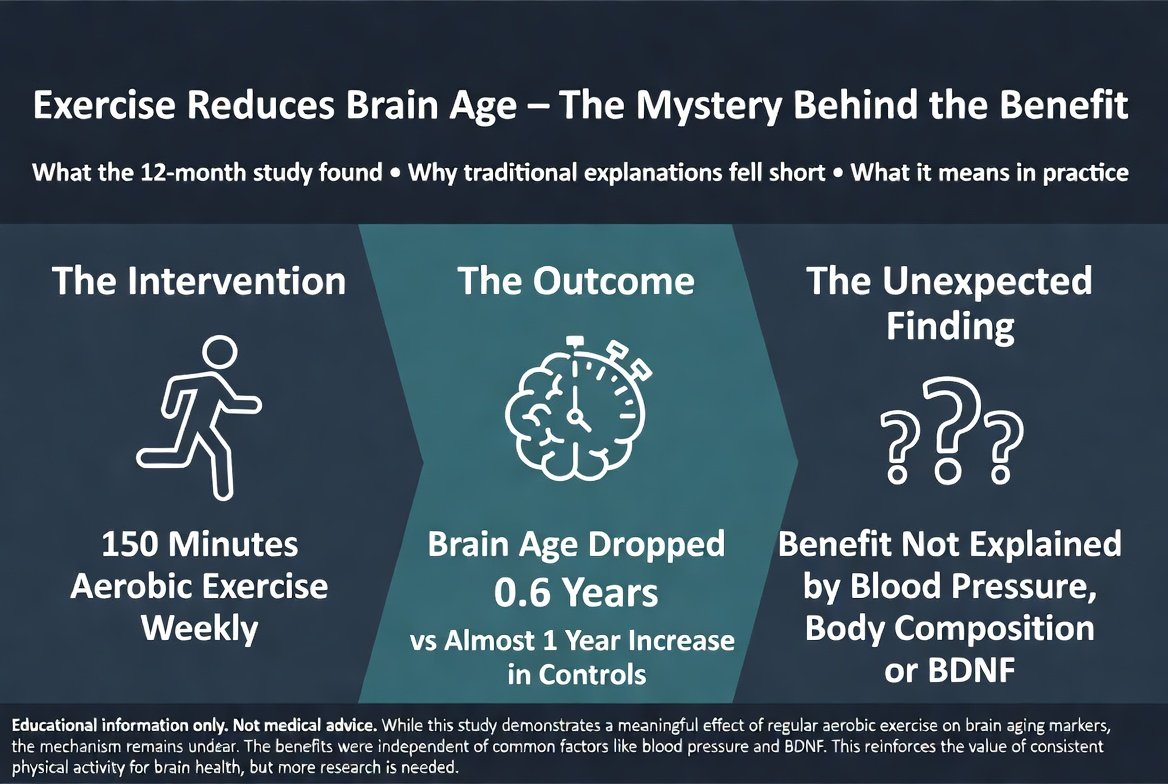
This is one of the most encouraging insights in research. Regular physical activity reduces liver fat even if weight barely changes. Meta-analyses have shown that consistent exercise reduces liver fat by about 20% to 30%, independently of weight loss. Muscles pull sugar and fatty acids from the blood and improve insulin sensitivity, which directly eases the burden on the liver. Both aerobic activity (brisk walking, cycling, swimming) and strength training help, and the combination is best. A good starting target is about 150 minutes of moderate-intensity activity per week.
🟢 Limit Alcohol
Even though the disease is called "non-alcoholic," alcohol adds a direct burden to a liver already loaded with fat and accelerates damage. Anyone with fatty liver should greatly limit alcohol, and in advanced stages, avoid it completely. This is one of the relatively easy decisions with immediate benefit for the liver.
Eating for a Healthy Liver: Mediterranean, Fiber, Protein, and Coffee
Beyond reducing sugar, there is one eating pattern that has the best research evidence for fatty liver: the Mediterranean diet. It is not a fad diet or a trend, but an eating pattern officially recommended by liver associations. Here are the practical principles:
- Healthy Fats: Olive oil, nuts, avocado, and fatty fish (rich in omega-3) instead of trans fats and processed fats.
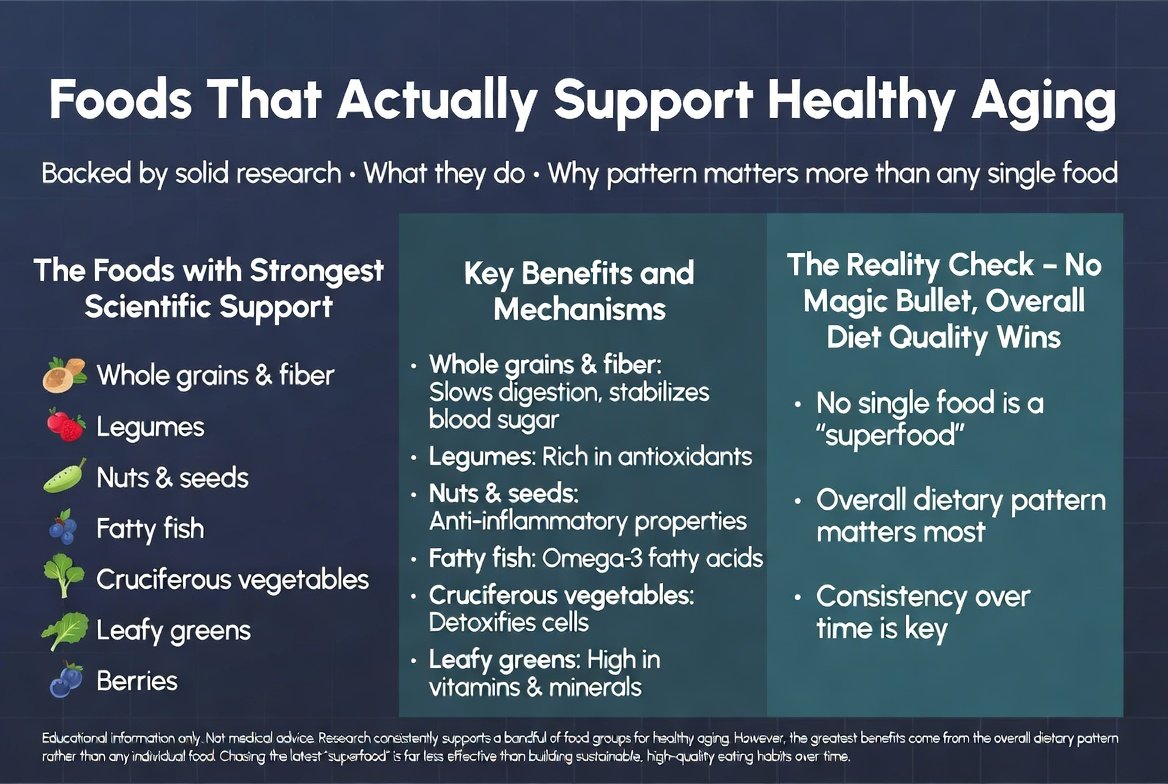
- Lots of Fiber from Vegetables, Legumes, and Whole Grains: Fiber slows sugar absorption, provides satiety, and reduces the metabolic burden on the liver.
- Adequate Protein: Protein stabilizes blood sugar, preserves muscle mass (which is the body's sugar reservoir), and contributes to a feeling of fullness.
- Fewer Refined Carbohydrates and Sugar: As we've seen, this is the heart of the matter.
- Coffee, Honestly, Seems Beneficial: This is one of the pleasant surprises in research. Regular coffee consumption has been consistently linked to a lower risk of fatty liver and fibrosis. Meta-analyses indicate about a 20% to 30% reduction in the risk of fatty liver and about a 35% reduction in the risk of significant scarring among coffee drinkers. Probably due to its antioxidants and chlorogenic acid. So black coffee (without teaspoons of sugar) is actually a friend of the liver.
We have compiled the full principles of nutrition for longevity, including a personal protein target calculator, in our Nutrition for Longevity tool.
Supplements and "Liver Cleansing," in Complete Honesty
Here special caution is needed, because this is the area where marketing is most aggressive. Let's start with the big truth: There is no such thing as "liver cleansing" or "liver detox" in a bottle.
🔴 Liver "Cleansing" and "Detox" Products
The "cleansing" and "flushing" products that promise to clean the liver of "toxins" are mostly marketing, and sometimes even dangerous. The liver is the body's cleansing organ, it doesn't need to be cleaned. The problem in fatty liver is excess fat from disrupted metabolism, not an accumulation of "toxins" that some tea or supplement will flush out. Worse, some herbal "liver supplements" have been linked to liver damage. The way to clean the liver is through the lifestyle described above, not through a product. If you want to delve deeper into the topic of real liver support versus false promises, see our Supplements, Cleansing, and Natural Filtration page, with honest framing.
🟡 Vitamin E, Only in Certain Cases and by Doctor's Decision
Vitamin E is the only supplement with real evidence in fatty liver, but with an important caveat. It has been found effective only in specific cases of liver inflammation confirmed by biopsy, in people without diabetes, and at a high dose that requires medical monitoring. Long-term high-dose vitamin E can be problematic, so this is a decision for a liver specialist, not something you decide on your own in front of a pharmacy shelf. For most people with simple fatty liver, vitamin E is not needed.
🟡 Omega-3
Omega-3 (fish oil) can help lower triglycerides and may contribute modestly to reducing liver fat, but its effect on the liver itself is modest, and it is certainly not a substitute for the big levers. It is a possible addition, not a solution.
The bottom line on supplements: They are, at best, supporting players. No supplement will replace weight loss, sugar reduction, and movement. If you are taking medications or have a chronic disease, consult a doctor before taking any supplement.
The Bottom Line: Checklist and When to Get Tested
If you've made it this far, here is what to take away: Fatty liver is very common and usually silent, but it is one of the most reversible conditions there is, and the key is in your hands. There is no need for an expensive supplement or a "magic" cleanse, but rather a few consistent habits that address the root. Here is a practical checklist:
- Cut out liquid sugar: Sweetened drinks and juices are the number one suspect. This is the single step with the fastest return.
- Aim for 7-10% weight loss, if you are overweight. This is the lever that transforms the liver.
- Move 150 minutes a week: Even if weight doesn't drop, the liver benefits. Combine cardio and strength.
- Eat Mediterranean: More vegetables, fiber, olive oil, fish, and protein. Less ultra-processed food.
- Limit alcohol: A direct burden on an overloaded liver.
- Black coffee is allowed and even beneficial, without the sugar in it.
- Beware of "liver cleansing": It's marketing, not medicine. The liver cleans itself when you ease its load.
- Vitamin E only through a doctor, and only in confirmed cases.
When to see a doctor and what is checked? It is advisable to check the liver if you have abdominal obesity, pre-diabetes or diabetes, high blood lipids, or a family history. The initial tests are liver enzymes in a blood test (ALT, AST) and an abdominal ultrasound that shows fat in the liver. If there is suspicion of inflammation or scarring, the doctor may refer for a FibroScan (a non-invasive test that measures liver stiffness and assesses fibrosis). It is important to remember: diagnosis, grading, and monitoring are done by a doctor only, and this guide is intended to empower you with knowledge, not to replace a check-up.
Want more practical help? We have more practical guides on nutrition, energy, sleep, and metabolic health, each built on the same honest, research-based approach.
The information in this guide is general and for lifestyle and informational purposes only, and does not constitute medical or nutritional advice, nor is it a substitute for consultation with a doctor. Fatty liver, liver inflammation, and fibrosis are diagnosed, monitored, and treated by a doctor only. Taking vitamin E or any other supplement, especially at a high dose, should only be done on a doctor's recommendation and under their supervision, especially if you are taking medications, have a chronic disease, are pregnant, or are breastfeeding.
References:
Vilar-Gomez E et al., Gastroenterology 2015, Weight Loss Through Lifestyle Modification Significantly Reduces Features of Nonalcoholic Steatohepatitis
Geidl-Flueck B et al., Journal of Hepatology 2021, Fructose- and sucrose- but not glucose-sweetened beverages promote hepatic de novo lipogenesis: A randomized controlled trial
Babu AF et al., Nutrients 2021 (and related meta-analyses), exercise reduces intrahepatic fat in NAFLD even without weight loss

💬 Comments (0)
Be the first to comment on the article.