Aging is a complex process, and one of the central mechanisms driving it is the accumulation of DNA damage alongside a gradual decline in the cell's ability to repair it. Every day, thousands of DNA lesions occur in each cell, from radiation, internal oxidative processes, and replication errors. DNA repair systems fix the vast majority of them, but with age their efficiency declines, damage accumulates, and contributes to the development of age-related diseases such as cancer, cardiovascular disease, and neurodegenerative diseases.
A comprehensive review published in the journal Nature in 2021 (Schumacher et al.) positions DNA damage as a central driver of the aging process itself, not merely a side effect. This understanding has made DNA repair one of the most fascinating fields in longevity research.
How the Body Repairs DNA: The Main Pathways
The cell has a sophisticated array of repair pathways, each dealing with a different type of damage. The discovery of these molecular mechanisms was so significant that it earned the Nobel Prize in Chemistry in 2015, awarded to Tomas Lindahl, Paul Modrich, and Aziz Sancar for their research on DNA repair.
- Base Excision Repair (BER): Repairs single damaged bases, primarily from oxidative damage. This is the pathway Tomas Lindahl worked on.
- Nucleotide Excision Repair (NER): Removes damaged segments, for example from ultraviolet radiation damage. This is the pathway Aziz Sancar elucidated.
- Mismatch Repair (MMR): Corrects errors that occur during DNA replication. This is the pathway Paul Modrich worked on.
- Homologous Recombination (HR): Repairs double-strand breaks accurately, using an intact copy as a template. Genes like BRCA1 and BRCA2 are essential for this pathway.
- Non-Homologous End Joining (NHEJ): A faster pathway for repairing double-strand breaks, but less accurate.
When one of these pathways is impaired, for example due to an inherited mutation, the risk of disease increases significantly. This is precisely why repair pathways have also become targets for drug development, but not always in the direction one might expect.
PARP Inhibitors: Drugs That Block DNA Repair, Not Promote It
Here it is important to correct a common misconception. Drugs like Olaparib and Niraparib, known as PARP inhibitors, are not drugs that improve DNA repair capacity. In fact, they do the exact opposite: they block one of the repair mechanisms.
The therapeutic cleverness is based on a principle called "synthetic lethality." In cancer cells with a BRCA mutation, the homologous recombination pathway is already compromised. When a PARP inhibitor is added, blocking the backup repair mechanism as well, the cancer cell is left unable to repair its DNA and dies. Healthy cells, which have a functional BRCA pathway, survive. Thus, PARP inhibitors kill cancer specifically by blocking repair, not by enhancing it.
This is an excellent example of DNA repair being a double-edged sword: in a healthy cell, we want efficient repair, but in a cancer cell, blocking repair is what saves lives.
Gene Therapy and Progeroid Syndromes
Werner syndrome is a rare genetic disease where the WRN gene, responsible for DNA repair and maintenance of stability, is defective. The syndrome causes accelerated aging signs, but contrary to what is sometimes described, it usually appears only in adulthood, after puberty, not in childhood.
Currently, there is no gene therapy available for humans with Werner syndrome. What has been demonstrated is laboratory research: researchers corrected the WRN gene in stem cells derived from patients (iPSCs) using gene editing technology (CRISPR), and showed that the correction restores protein function in cultured cells. These are promising findings at the cellular level, but they are far from clinical treatment in humans, and it is important not to present them as an existing therapy.
Lifestyle Changes: What Research Actually Shows
A healthy lifestyle is linked in many studies to lower levels of DNA damage, but it is worth being precise about the claims and not promising more than the science shows.
- Dietary Antioxidants: A study published in the British Journal of Nutrition in 2008 examined antioxidant supplements and their effect on DNA repair. The interesting finding: an improvement in repair capacity was observed only in a group of male smokers with poor diets, who received Vitamin C (slow-release) for about 4 weeks, with an approximately 27% increase in repair activity. In people with adequate nutrition, no benefit was observed. That is, antioxidants may help mainly when there is a genuine nutritional deficiency, not as a blanket supplement for everyone.
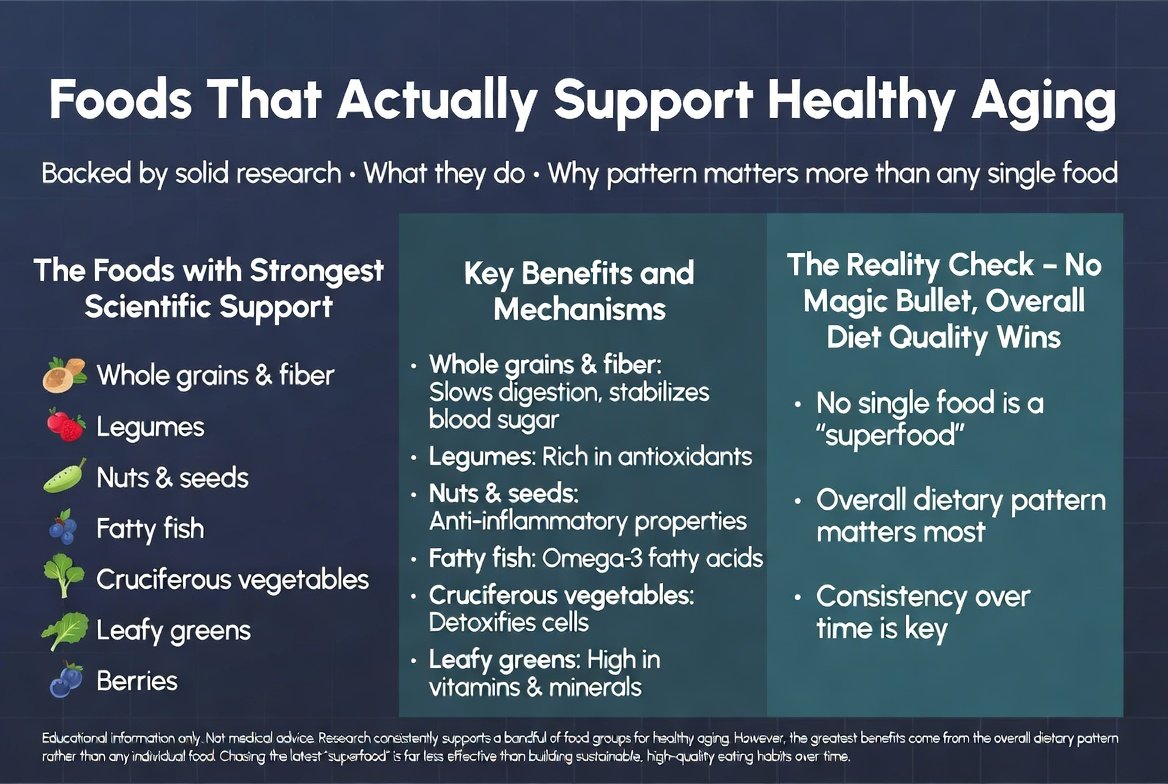
- Diet Rich in Fruits and Vegetables: A diet rich in plants, fiber, and antioxidants is generally linked to less oxidative DNA damage and better cellular health. This is a reasonable and evidence-based dietary recommendation, but there are no precise numbers guaranteeing a specific percentage of damage reduction.
- Regular Physical Activity: Regular physical activity is linked to better metabolic health and more active cellular defense systems, and there is a research basis suggesting it may support DNA stability. However, this should be viewed as a general association, not a precise prescription that improves DNA repair within a set timeframe.
- Stress Reduction and Meditation: Chronic stress is linked to inflammation and cellular damage. Studies on meditation and mind-body practices (e.g., a 2017 review) found that regular practice reduces the expression of pro-inflammatory genes (via the NF-kB pathway). It is important to be precise: these studies showed a decrease in inflammatory gene expression, not a direct improvement in DNA repair mechanisms. The real effect is on the inflammatory environment, which may indirectly reduce damage.
Important Notes
- The information presented in this article does not constitute medical advice.
- PARP inhibitors are cancer drugs prescribed only by a physician, and they block DNA repair. They should not be regarded as an anti-aging supplement.
- Before making decisions regarding treatments or supplements, consult a qualified physician and consider the risks and benefits of each approach.
The Future
Research in the field of DNA repair continues intensively, and the understanding that DNA damage is a central mechanism in aging opens new directions. Researchers are investigating whether it is possible to strengthen the repair systems of healthy cells without disrupting the delicate balance that protects us from cancer. This is a promising field, but still in its early stages, and any promise of an anti-aging treatment must be based on evidence, not hope alone.
References:
Schumacher et al., The central role of DNA damage in the ageing process, Nature 2021
The Nobel Prize in Chemistry 2015 (Lindahl, Modrich, Sancar)
DNA repair phenotype and dietary antioxidant supplementation, British Journal of Nutrition 2008
Mind-body interventions and inflammatory gene expression, 2017

💬 Comments (0)
Be the first to comment on the article.