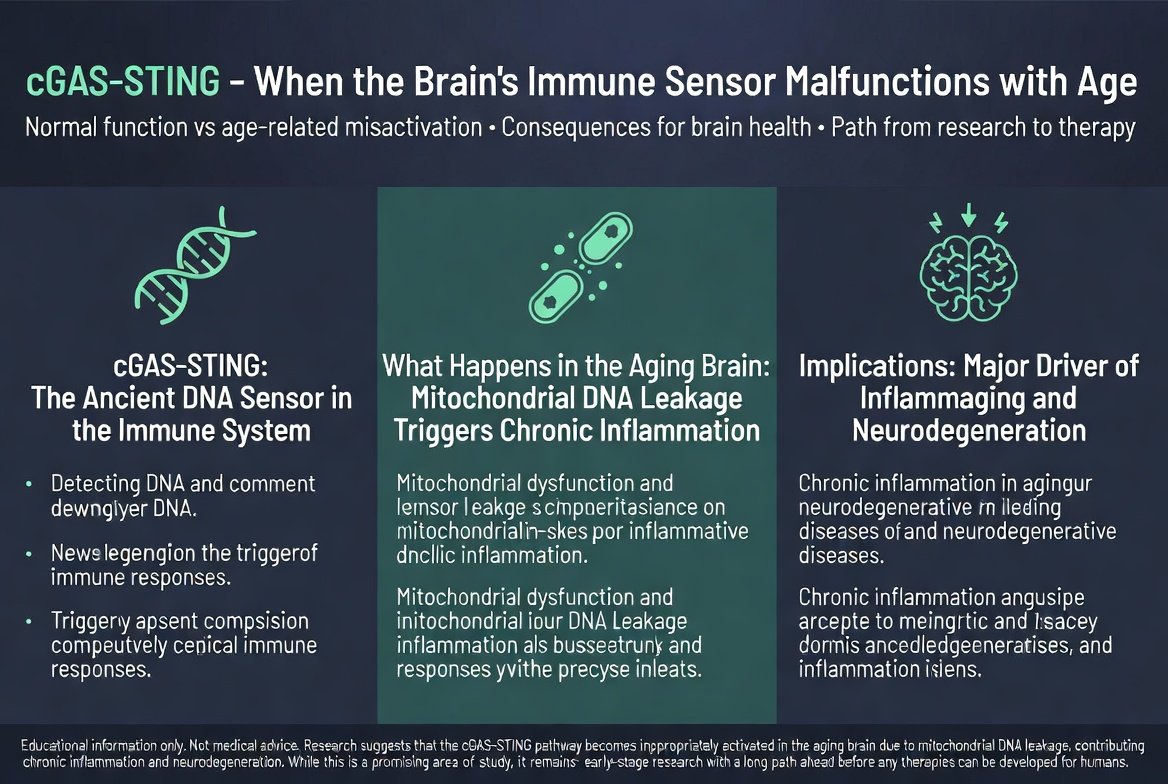
The cGAS-STING Pathway: The DNA Sensor That Ignites Inflammation in the Aging Brain
What if our brain ages partly because its defense system can't distinguish between an invader and self-inflicted damage? A new review published in the...
Brain health and cognition
What if our brain ages partly because its defense system can't distinguish between an invader and self-inflicted damage? A new review published in the...
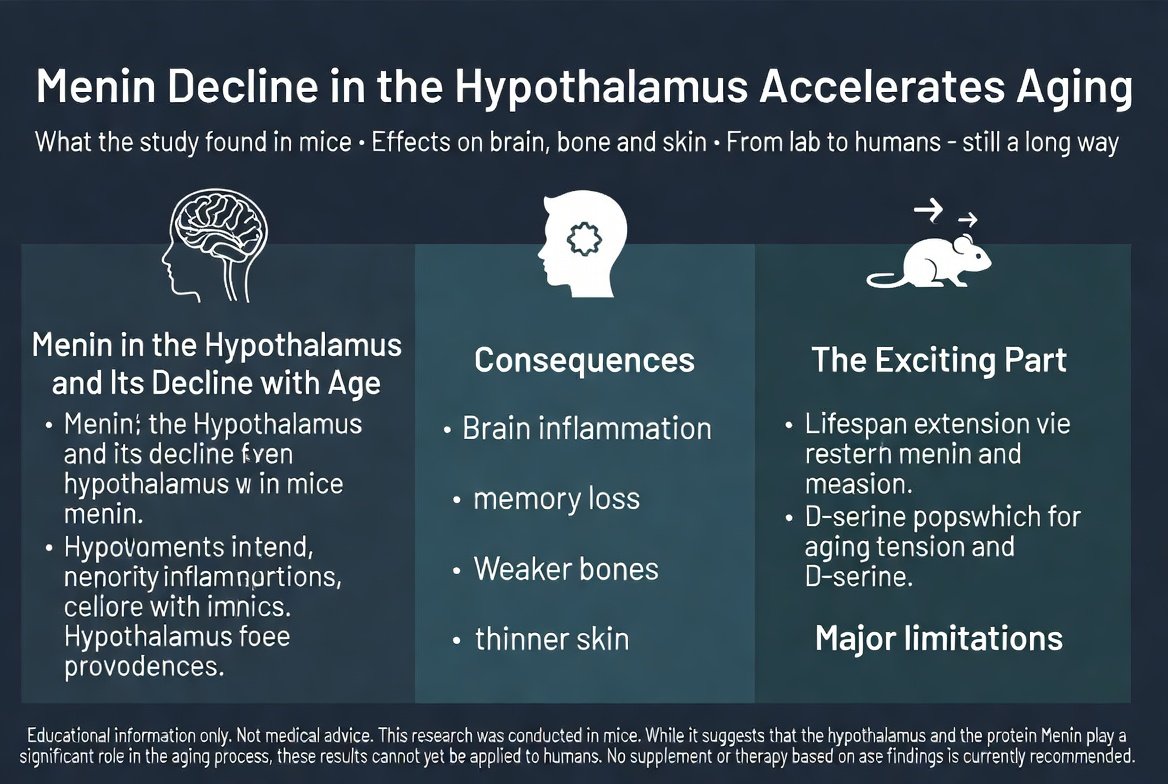
What if a tiny pea-sized gland at the base of the brain determines the aging rate of the entire body? A study published in the journal PLOS Biology po...
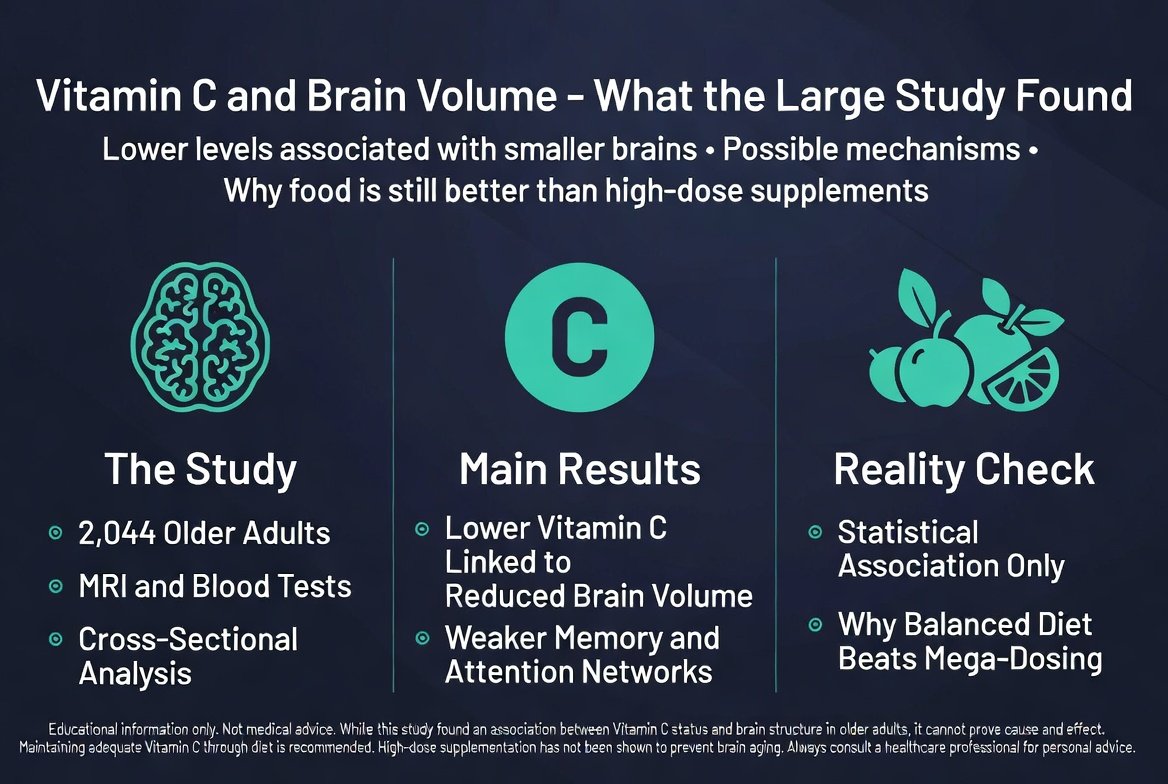
Vitamin C is known to most of us as a supplement taken when we have a cold, or as something found in oranges. But a new Japanese study published in Ju...
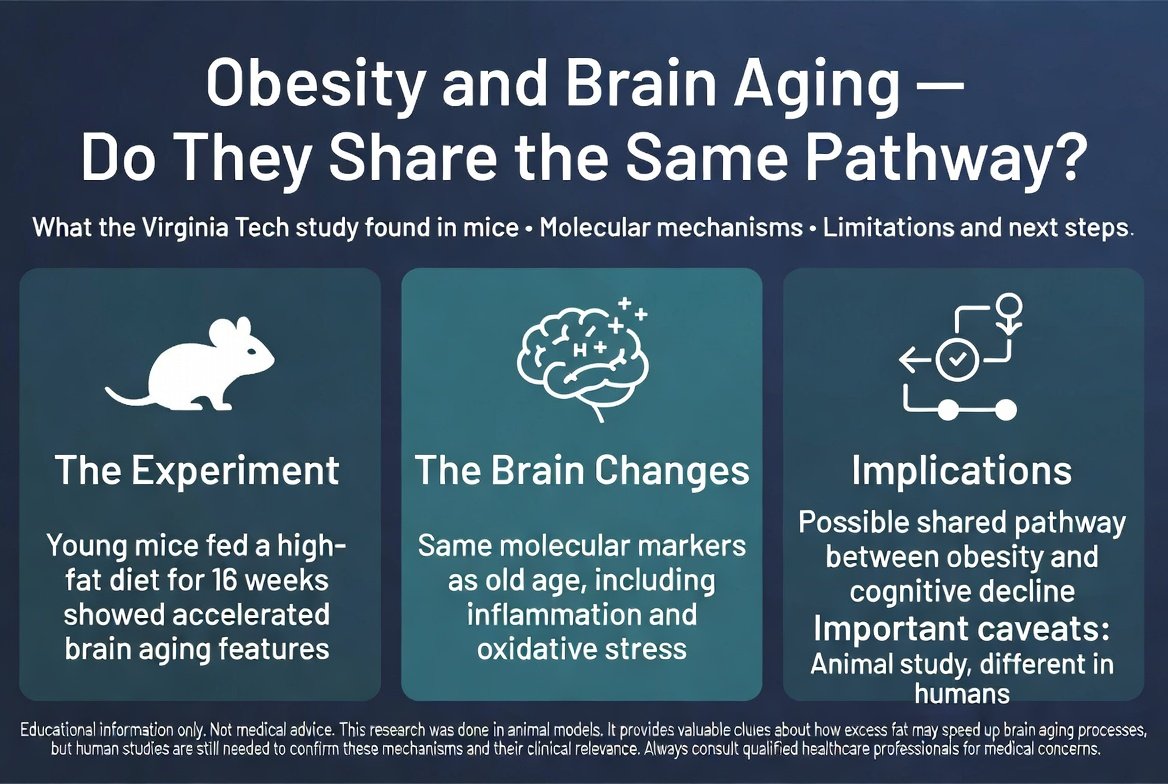
What if excess weight doesn't just burden your knees and heart, but actually ages your brain? A new study from Virginia Tech found that young rats fed...
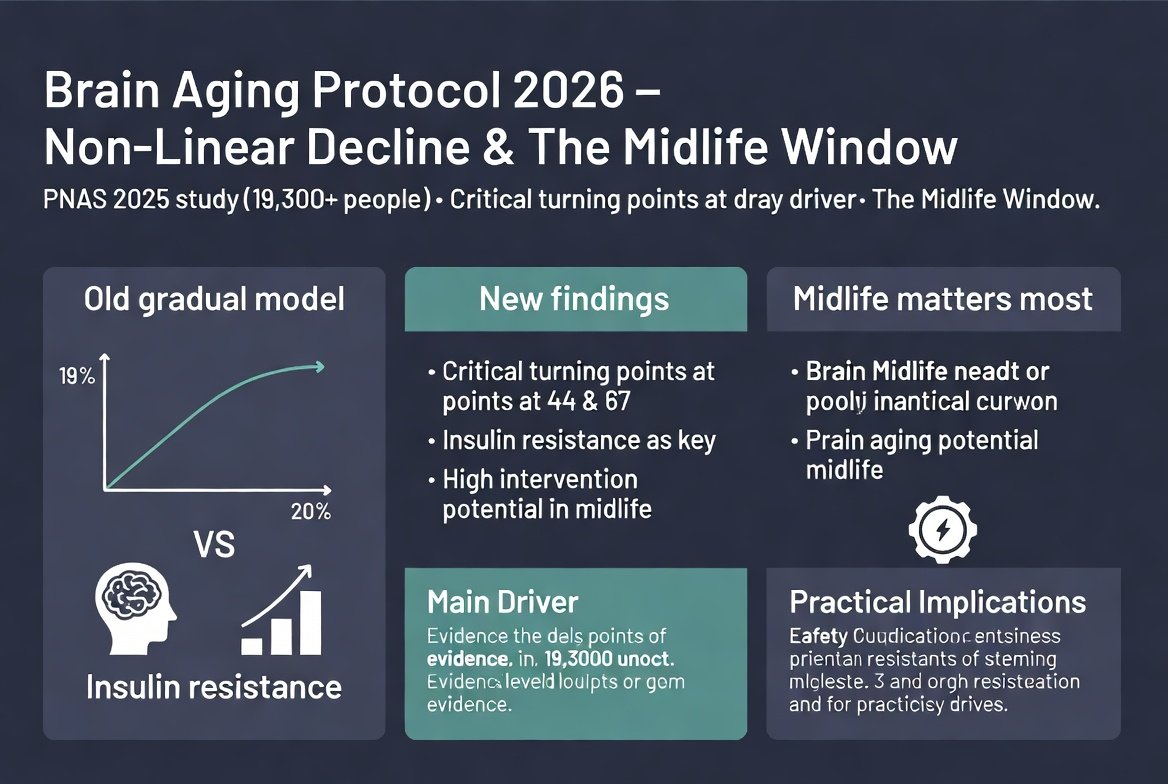
For decades, we assumed our brains age slowly, a little each year, like a clock gradually slowing down. New research published in PNAS in March 2025, ...
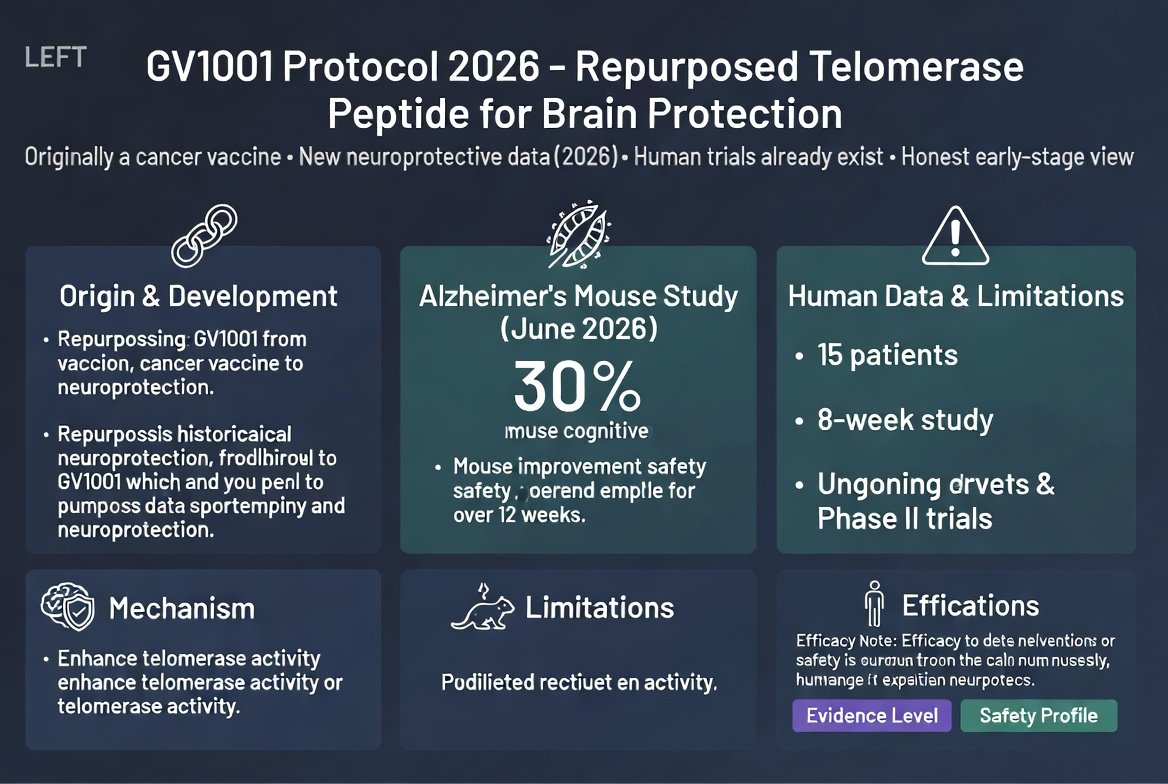
Every year, it becomes clearer that a molecule developed for one purpose often conceals a completely different power. GV1001 is a short peptide cleave...
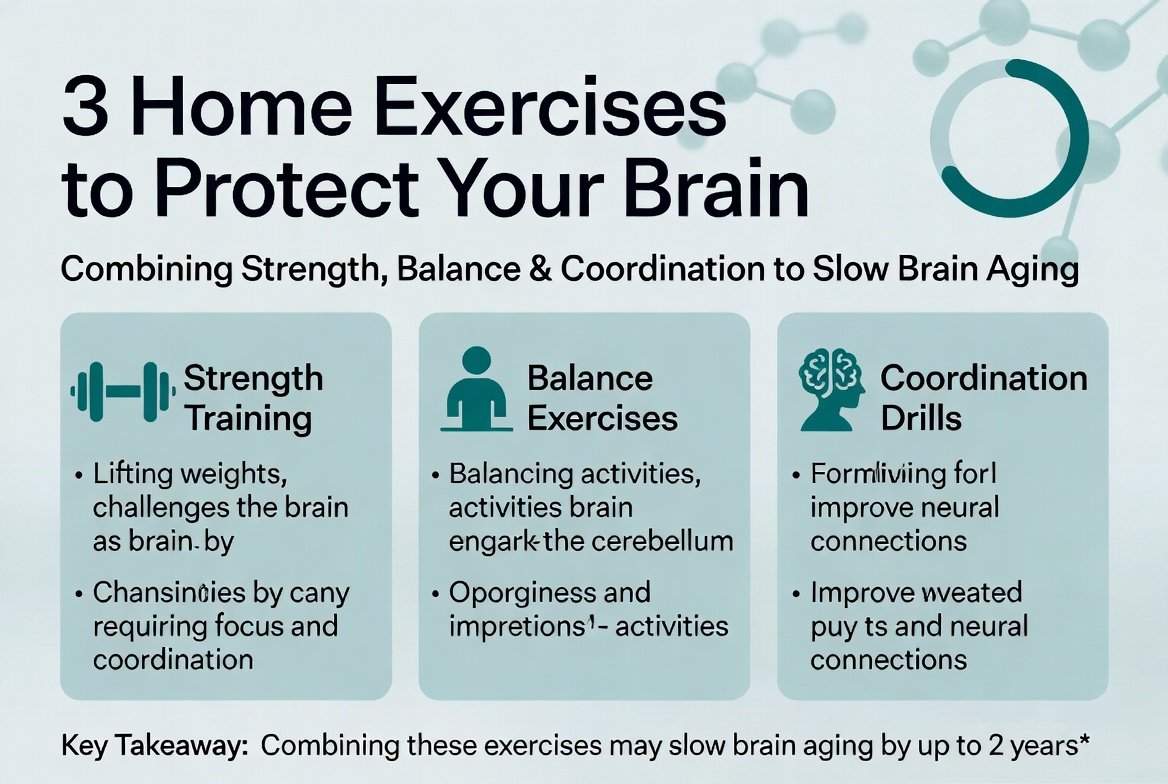
When it comes to protecting the brain, most people think of crossword puzzles, omega-3s, or medications. But one of the most powerful and affordable t...
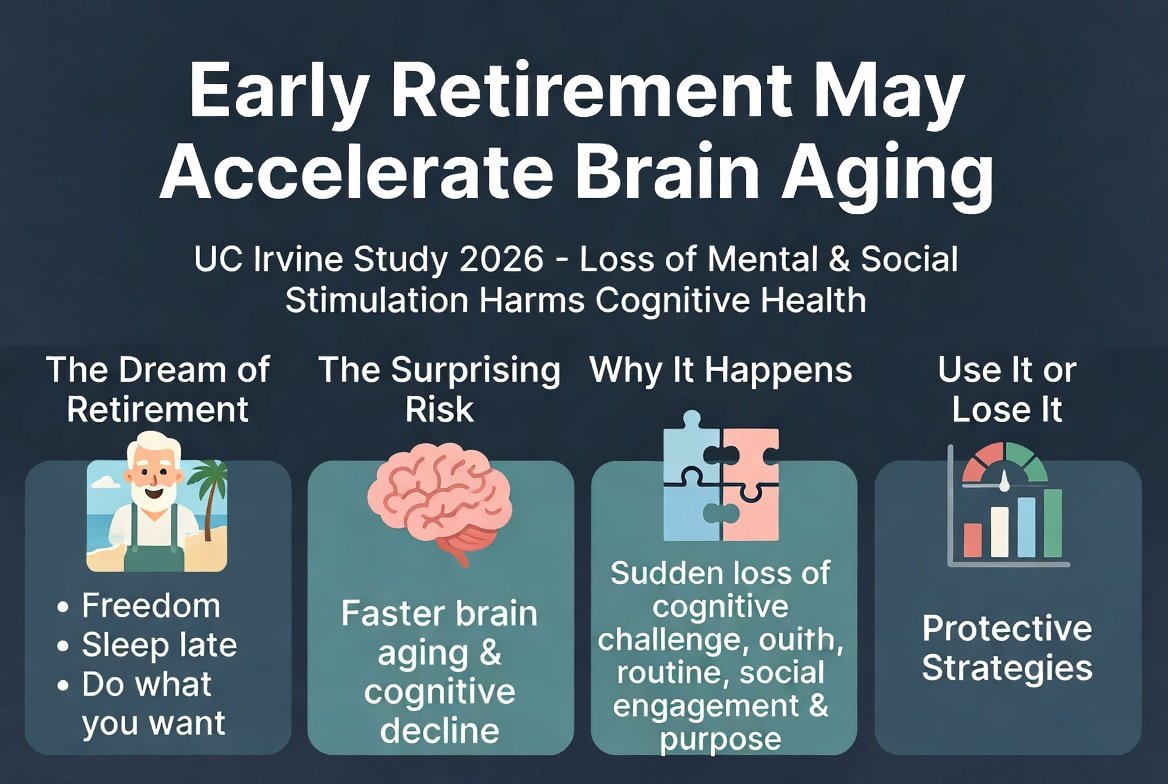
Most of us dream of the day we can finally stop working, sleep in, and do whatever we want. But a new working paper (not yet peer-reviewed) by economi...
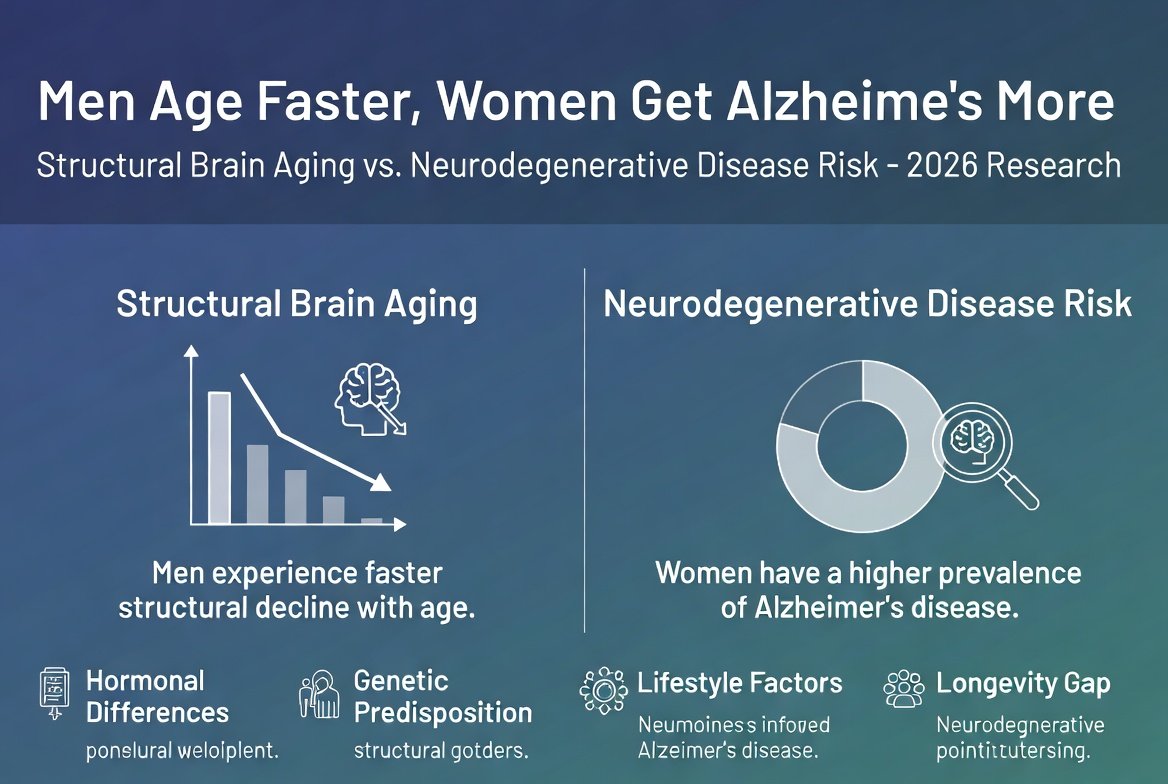
Science has recently uncovered one of the most intriguing paradoxes in aging research: men's brains age faster structurally, losing more volume over t...
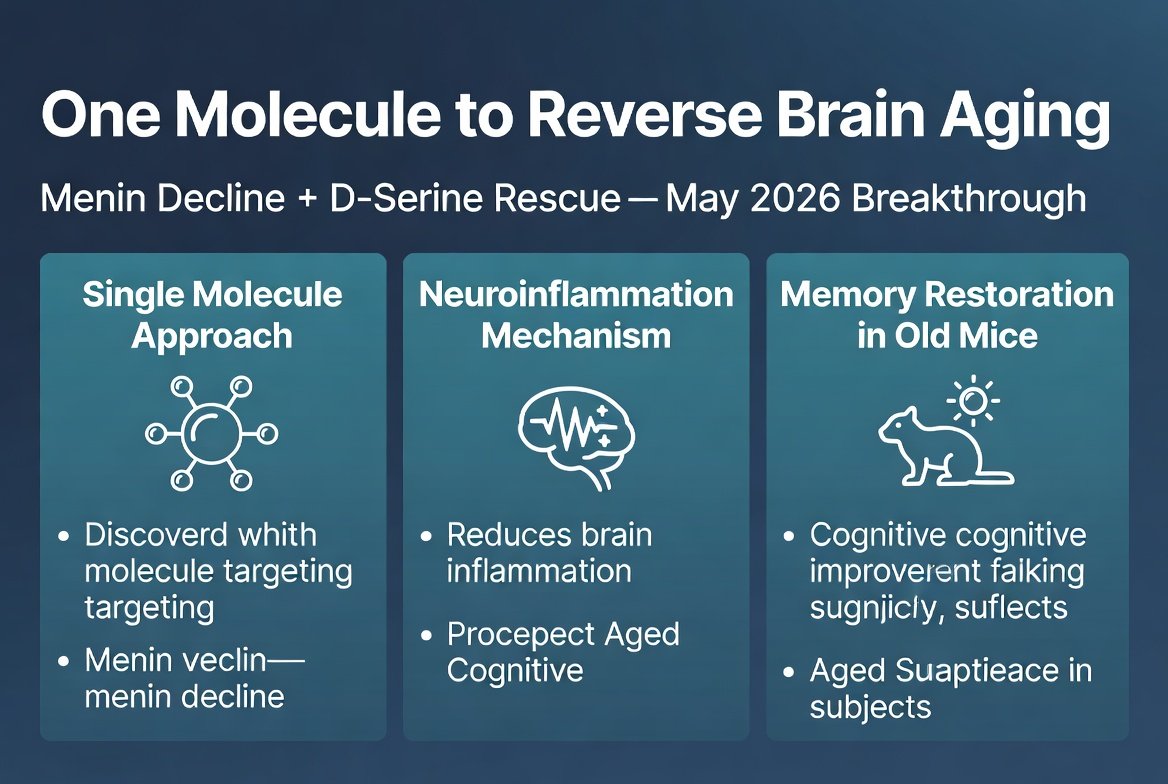
Every year, it becomes clearer that a single molecule can hold the key to an entire aging process. A study published in PLoS Biology in 2023, which re...
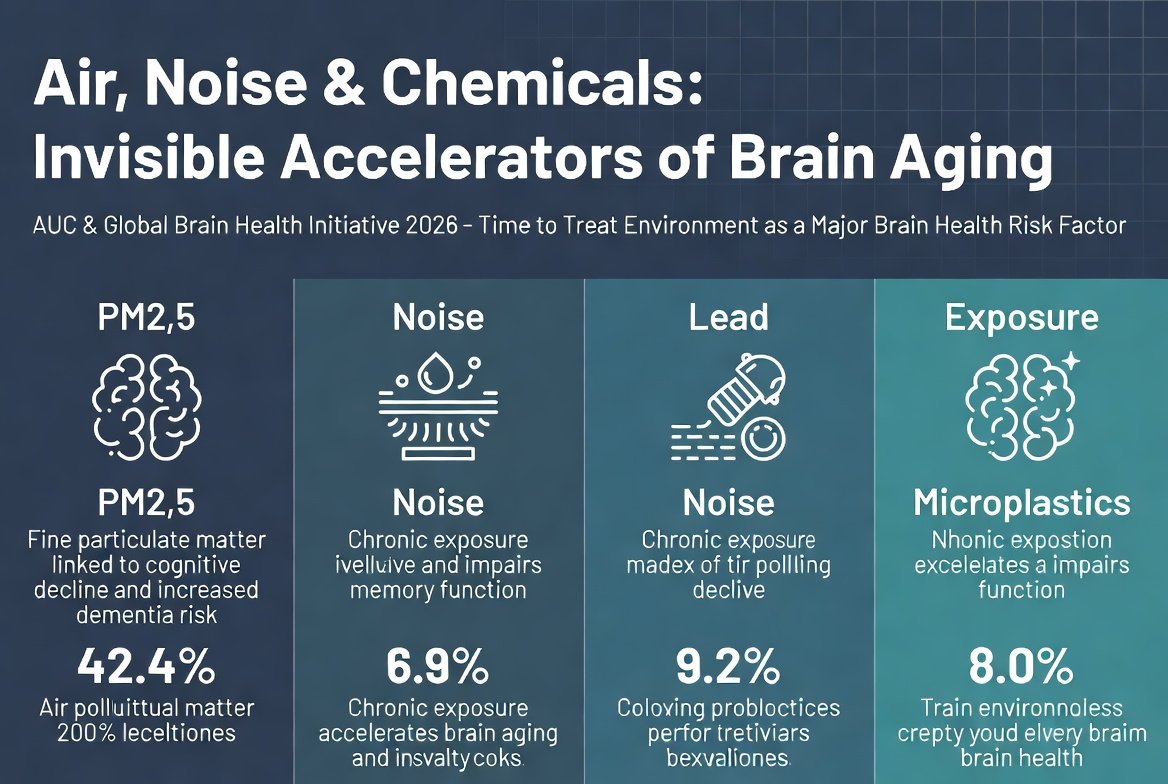
A series of recently published studies, including the large-scale Exposome study in Nature Medicine and a meta-analysis in Lancet Planetary Health, co...
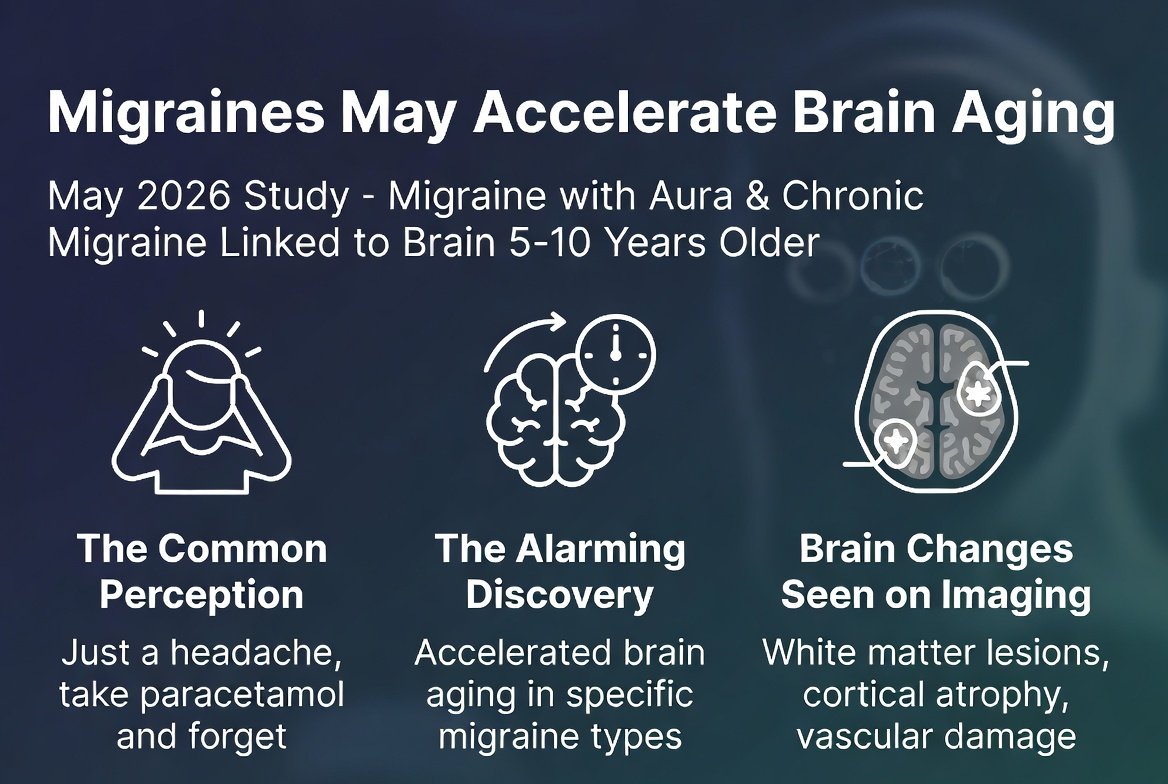
Headache is one of the most common medical complaints worldwide. Most of us treat it as a passing nuisance, take a paracetamol, and forget about it. B...
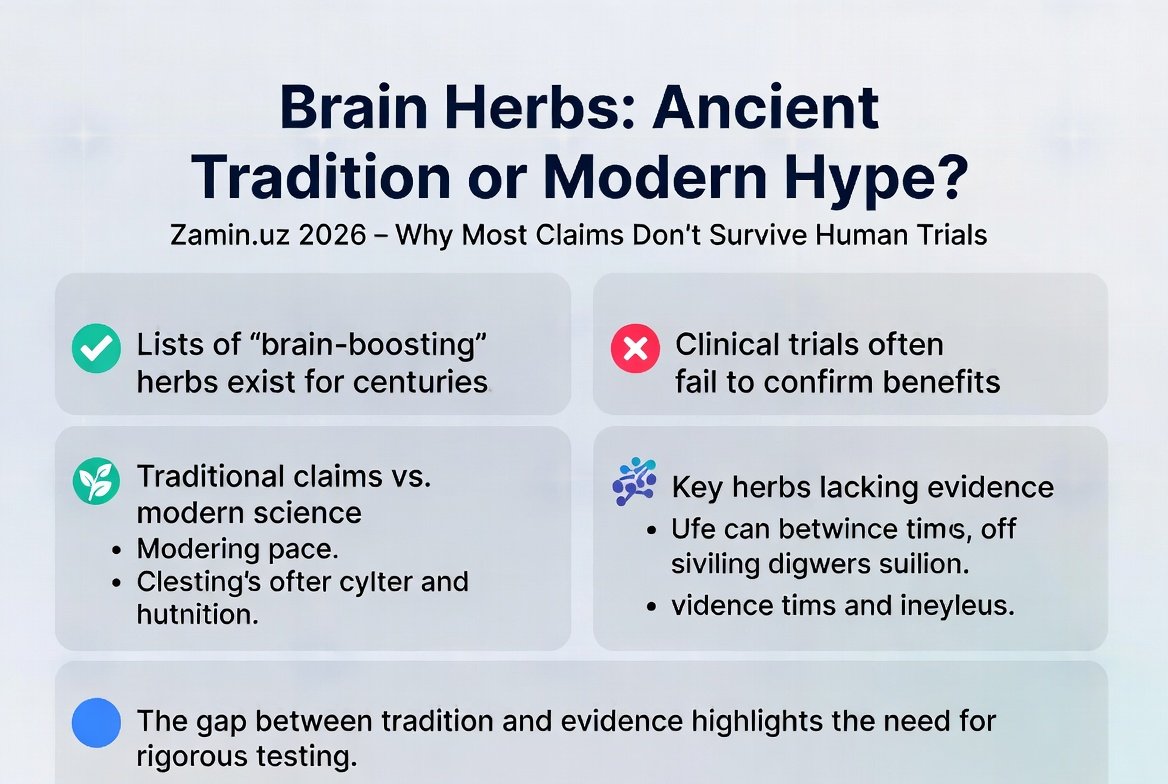
In the traditional medicine of India, China, and Central Asia, the list of plants said to preserve mental clarity is long. Every few years, local rese...
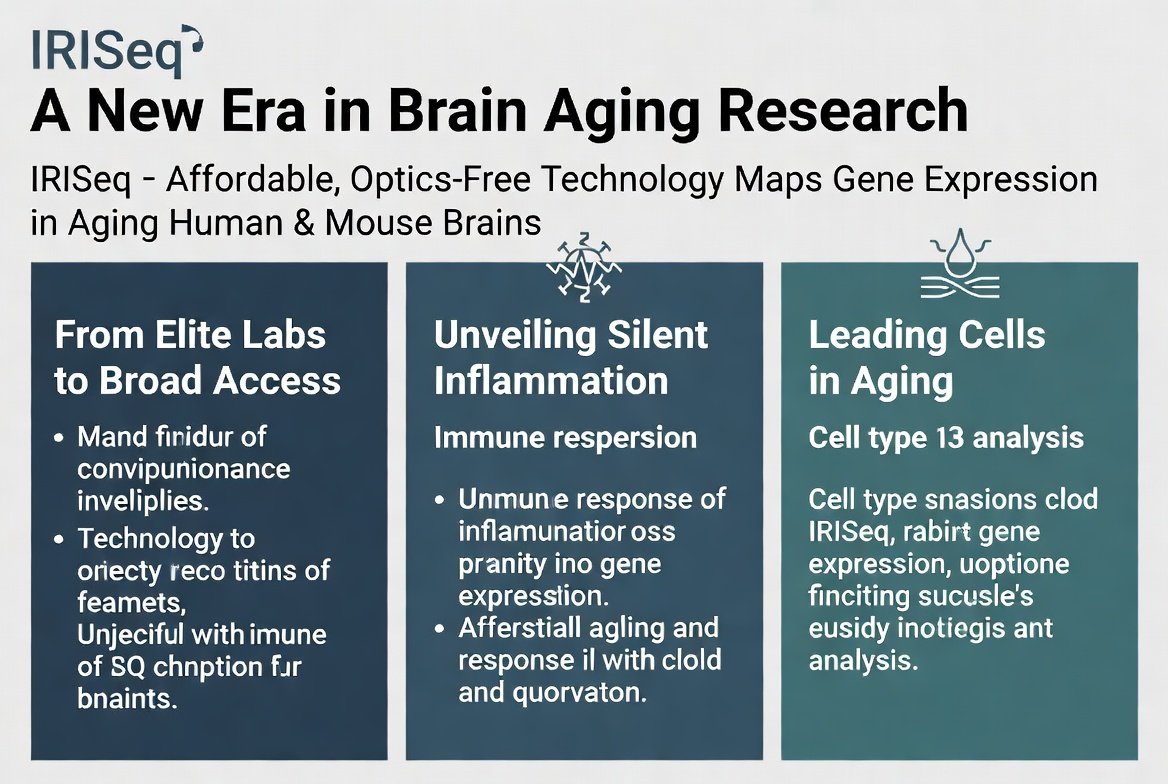
For years, genetic mapping of brain tissue required expensive microscopes and labs with complex optical infrastructure. Technologies like Visium and M...
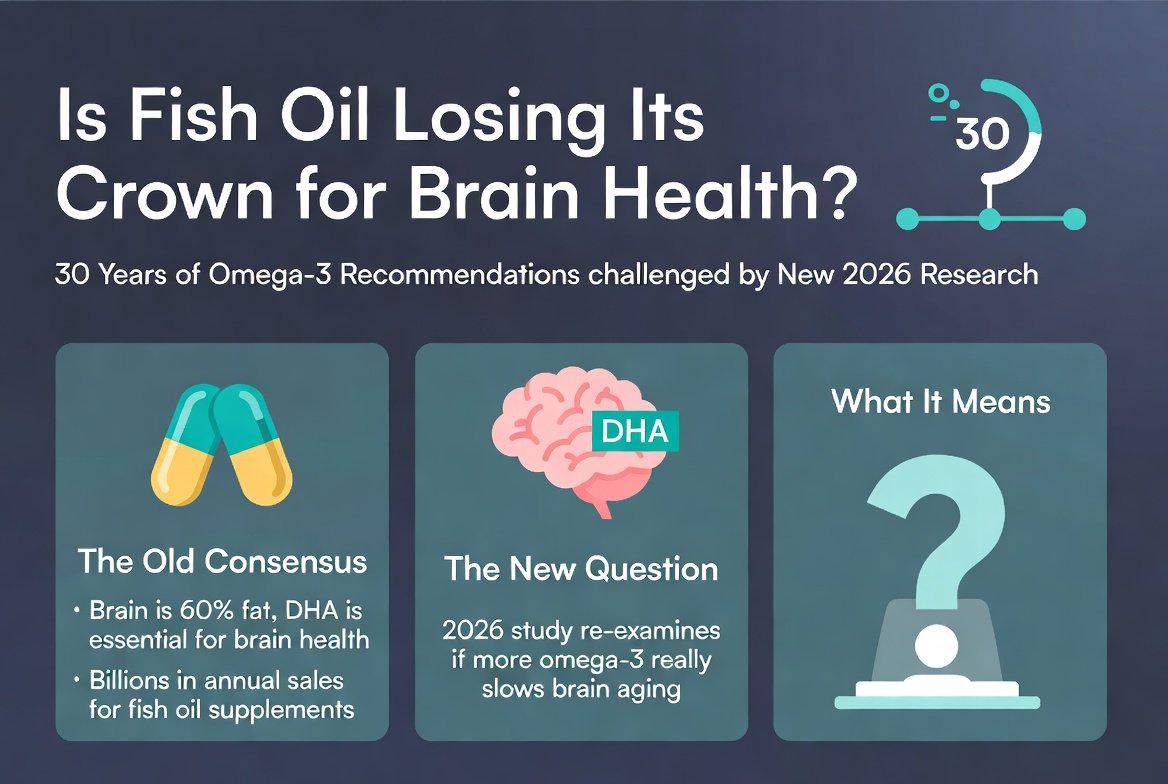
For three decades, fish oil has been considered the most recommended supplement for brain health. The reason was intuitive: the brain is partly made o...
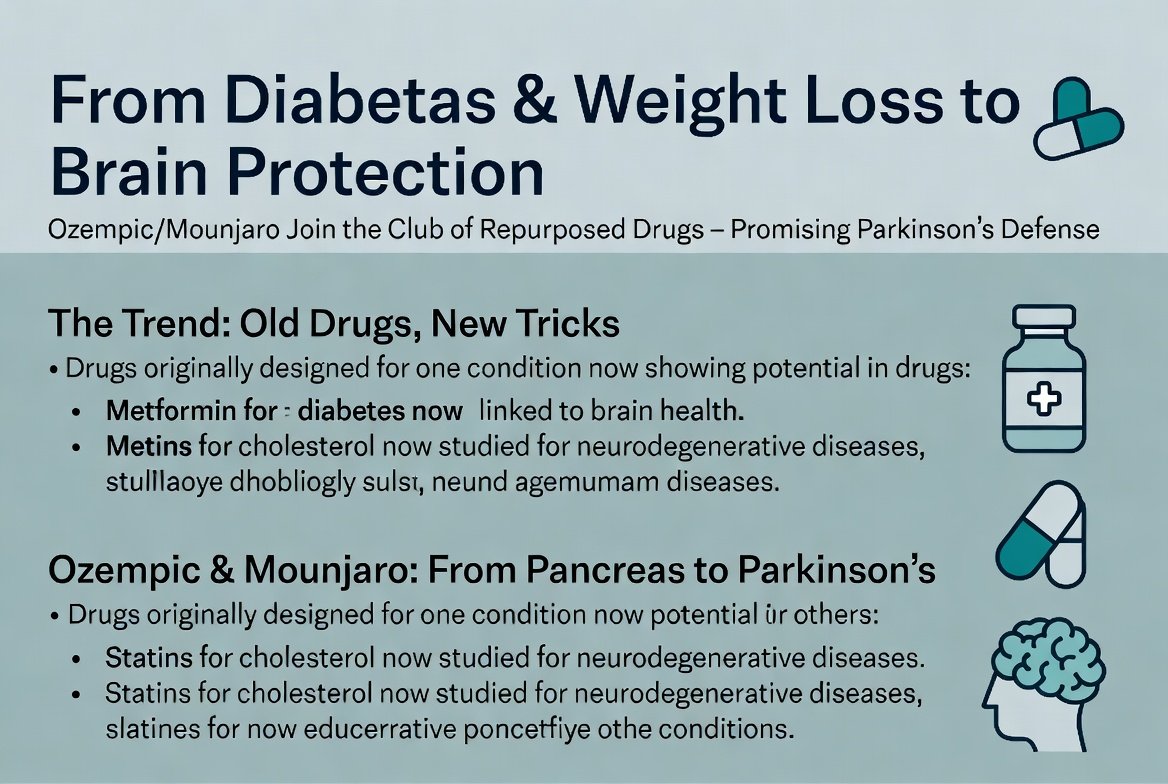
For years, GLP-1 drugs (Ozempic, Wegovy, Mounjaro) carried great hope: perhaps they also protect the brain from neurodegenerative diseases like Parkin...
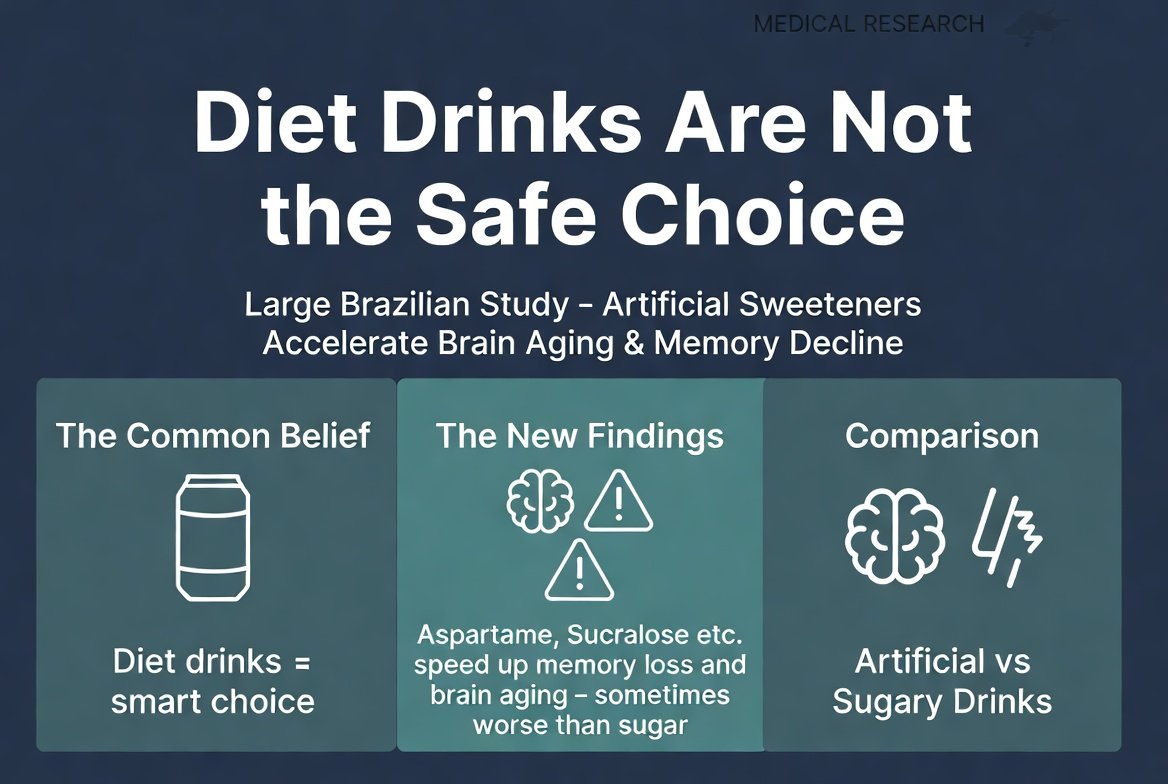
After our article on sugar-sweetened beverages, many people asked: what about artificial sweeteners? A large Brazilian study published in the journal ...
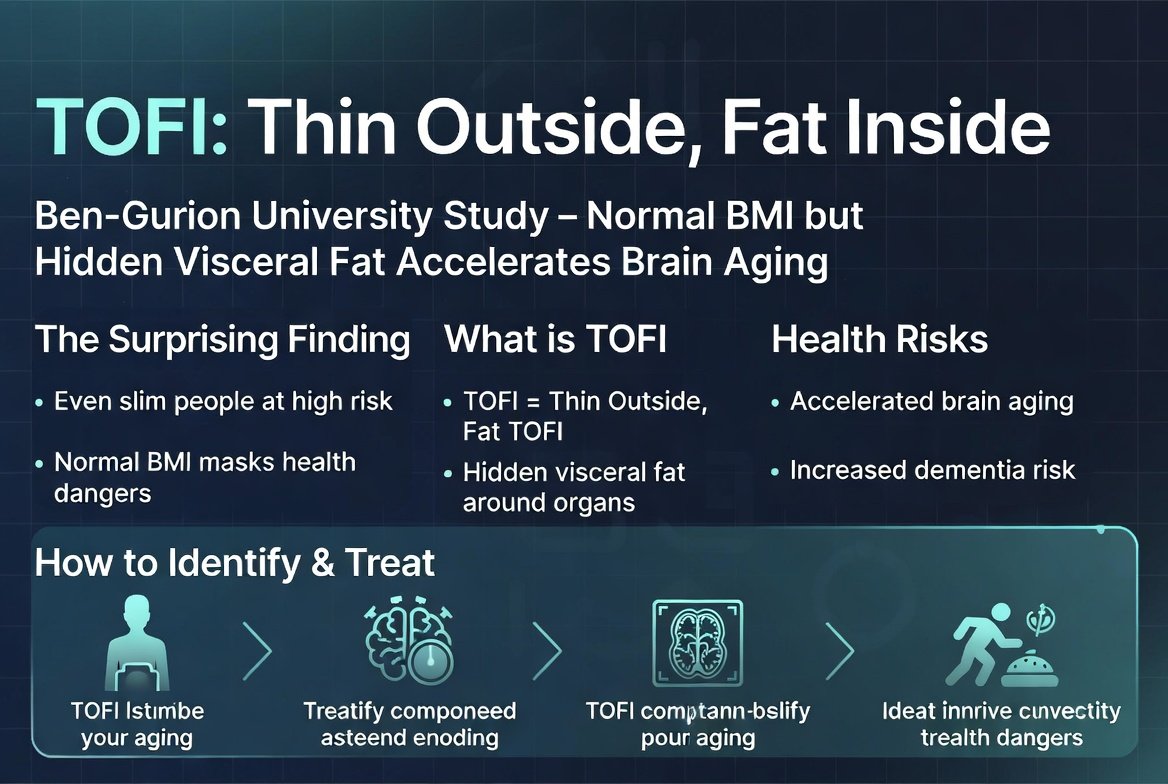
An Israeli study from Ben-Gurion University, published in the American Journal of Clinical Nutrition, followed 284 adults with abdominal obesity for 1...
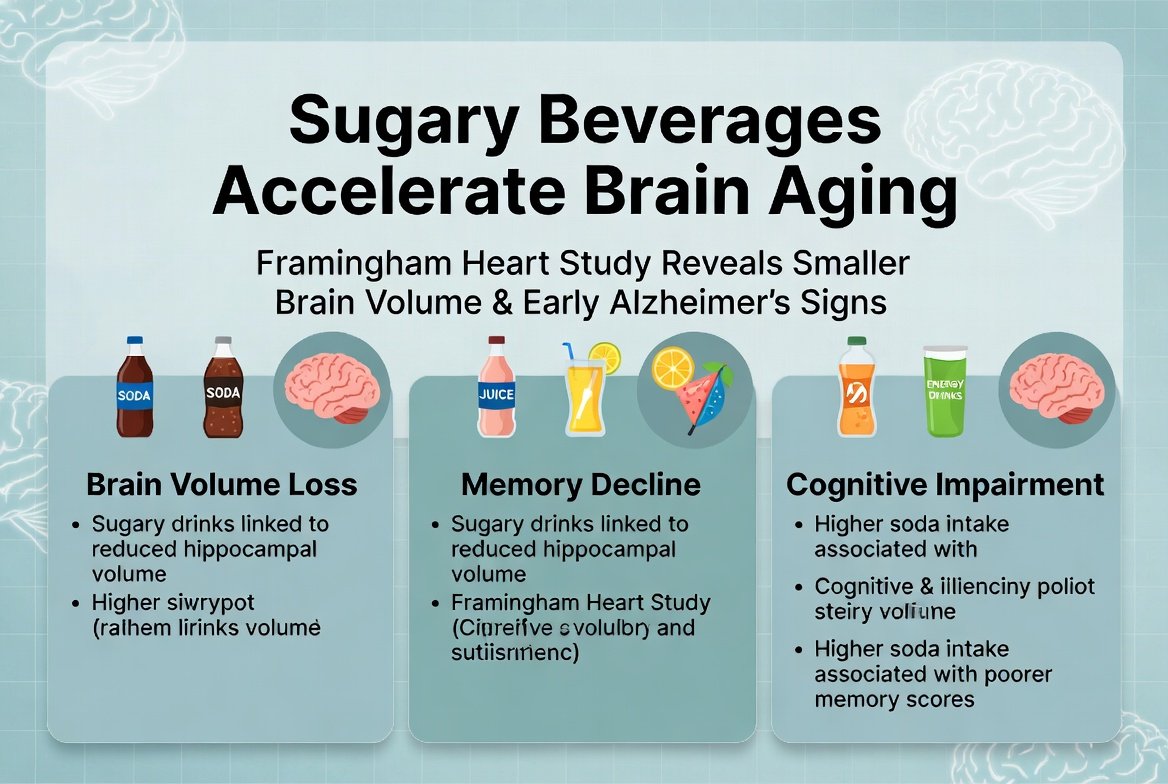
Two Framingham studies by Dr. Matthew Pase from 2017 present a complex picture. A cross-sectional study found an association between high consumption ...
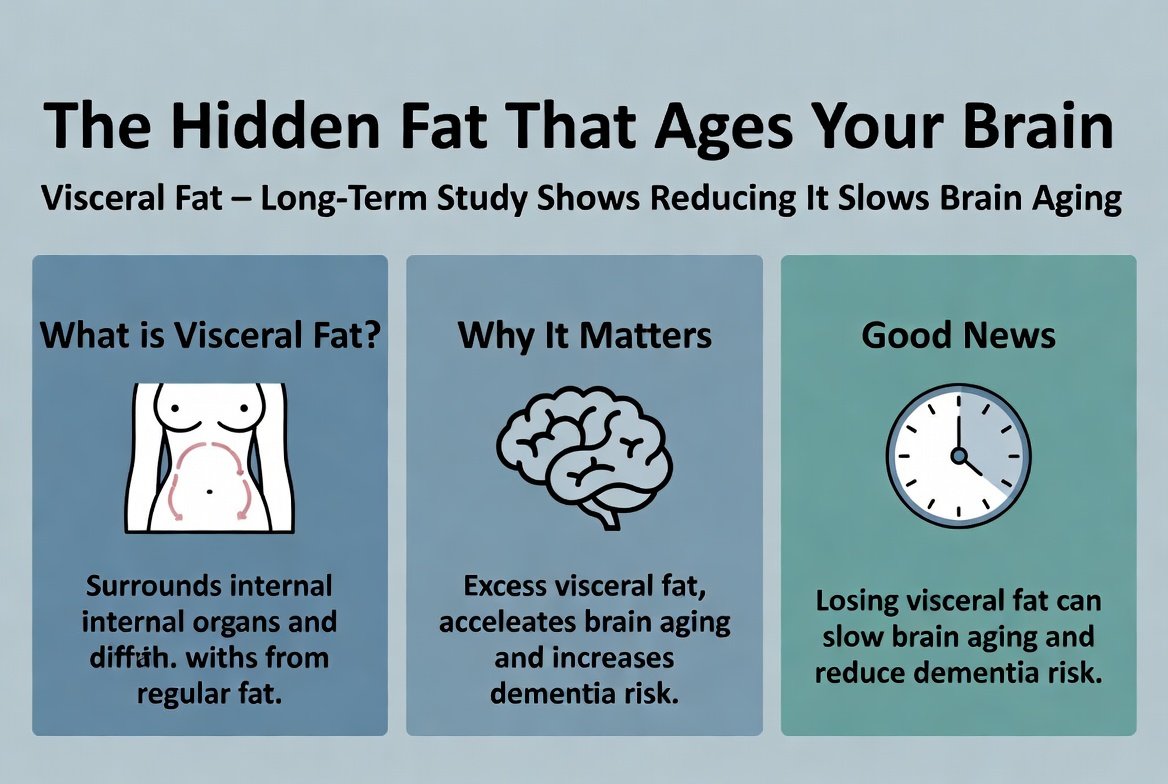
When we talk about body fat, we usually mean it all together. But it turns out that one specific fat, not the one under the skin but the deeper one, i...
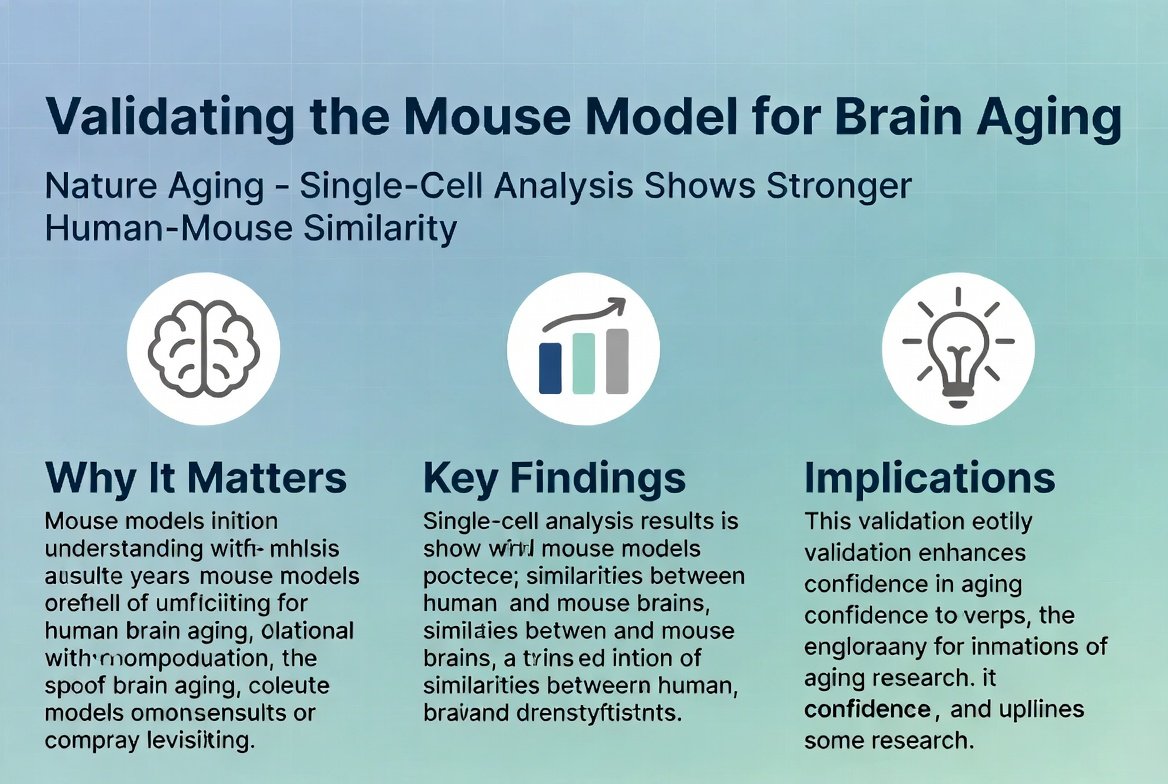
For decades, aging research has relied on mice as a model for humans, but always with a caveat: who says a mouse's brain ages like a human's? A new st...
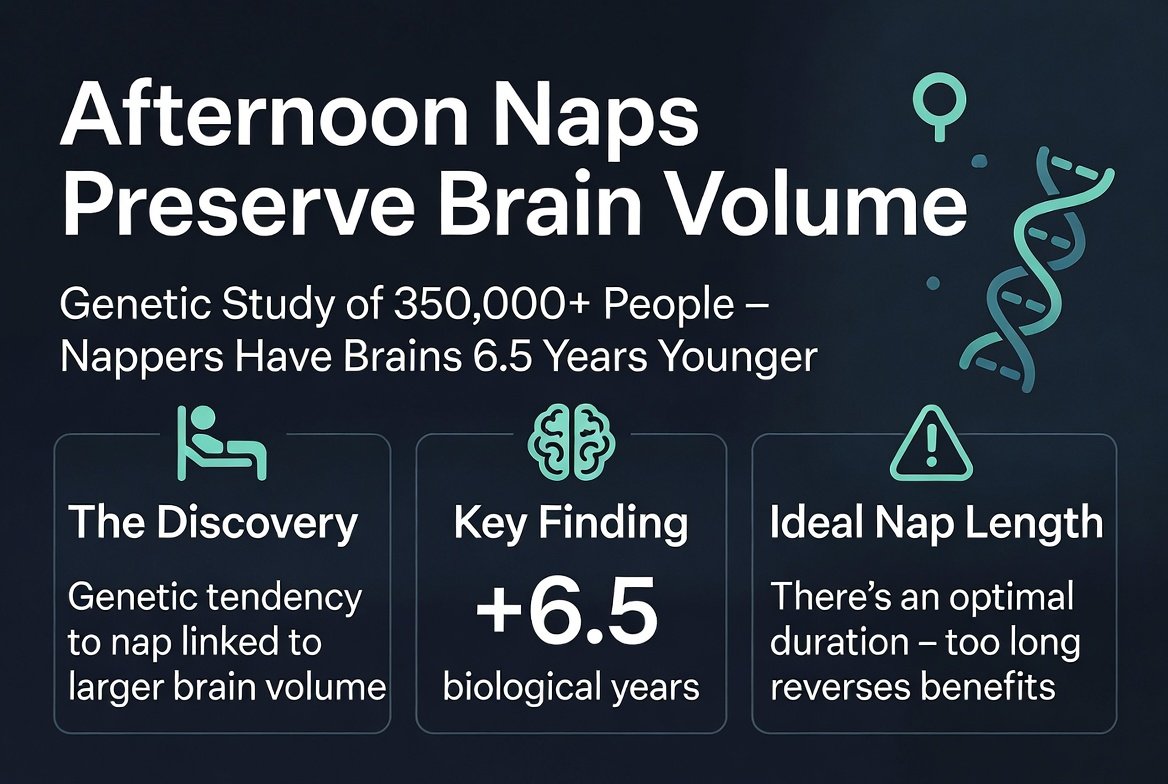
A short afternoon nap is considered a natural part of the day in many cultures. A Mendelian randomization study based on genetic data from over 378,00...
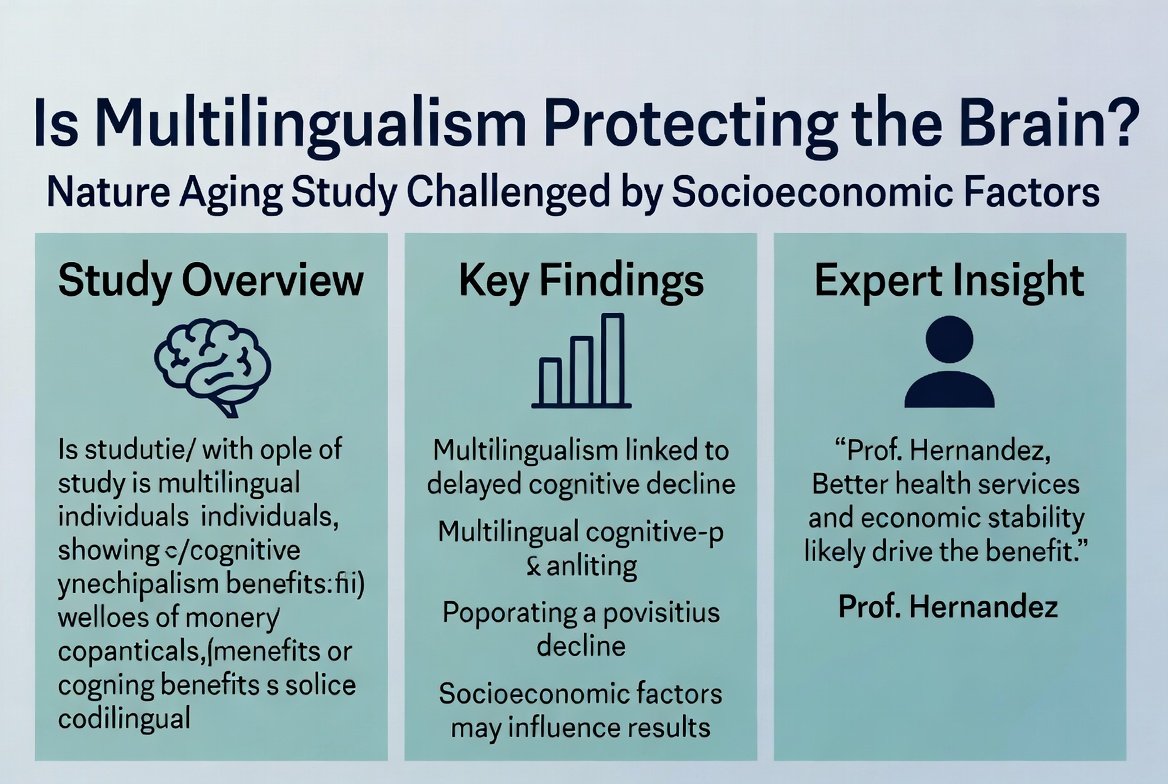
For years, it was said that learning a second language protects the brain. Now, Prof. Hernandez from the University of Houston critiques this assumpti...
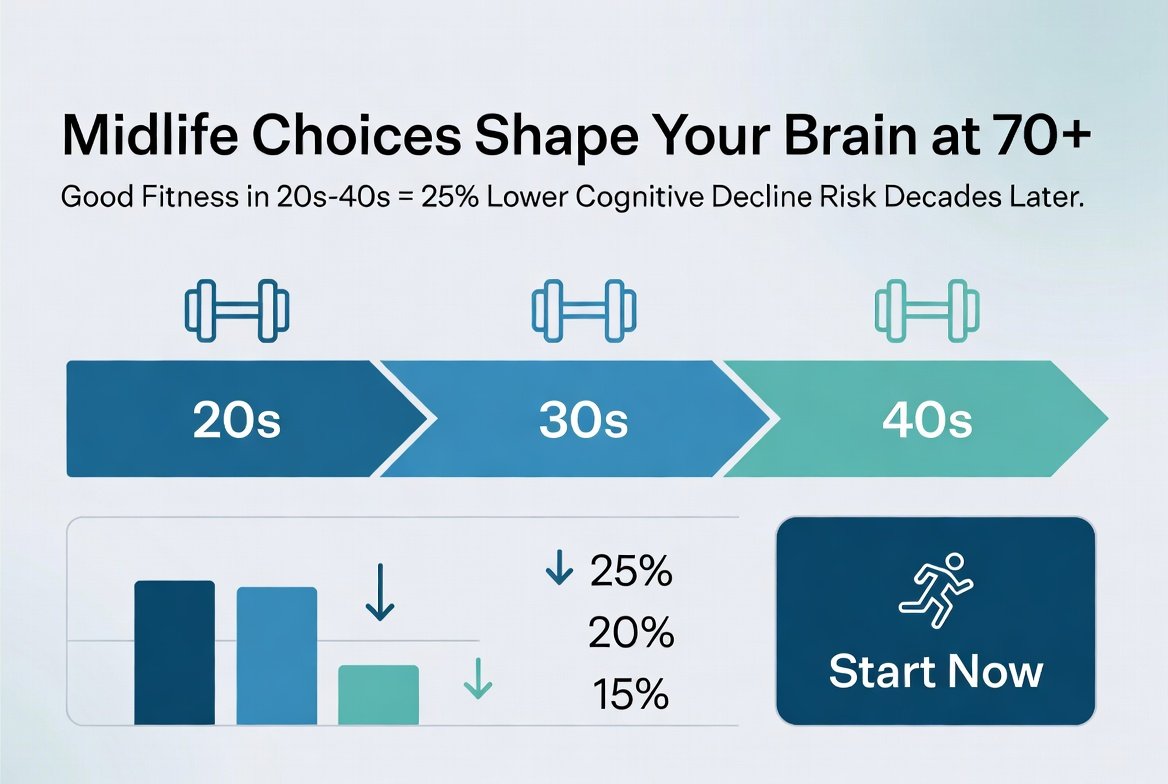
You're 30 and think "I have time." But research shows that your lifestyle habits now, long before your brain is even on your mind, accumulate and affe...
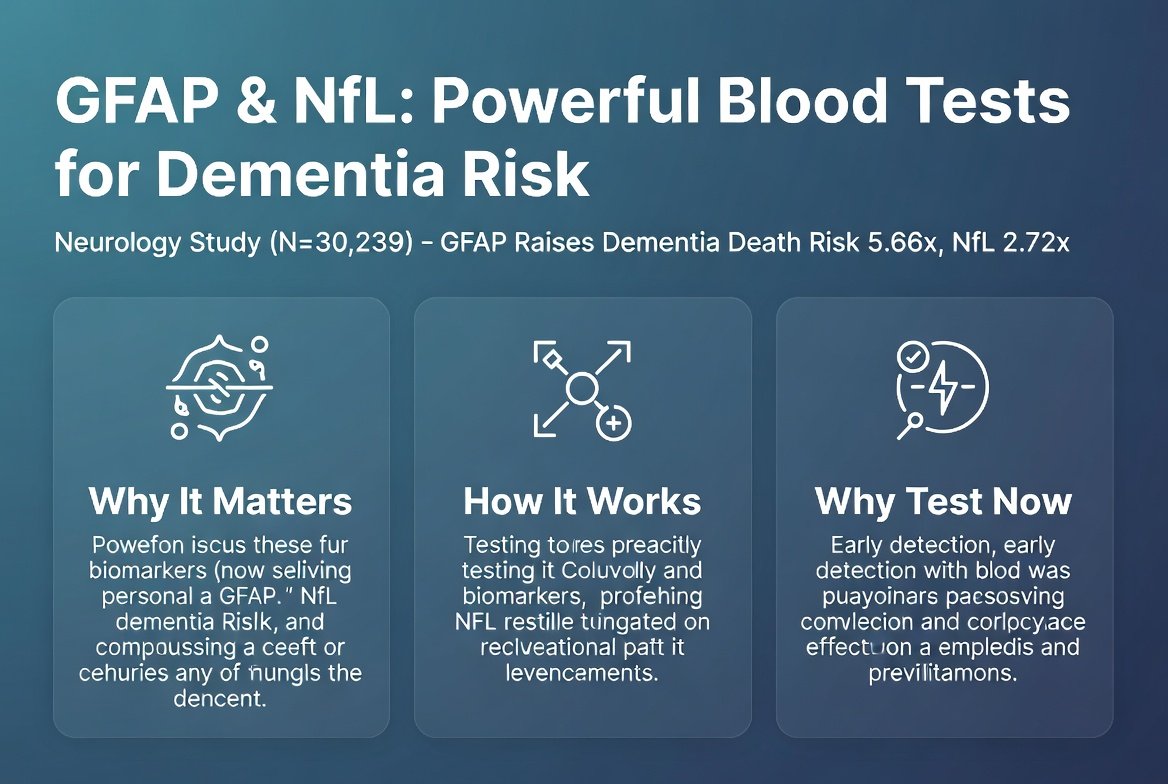
For decades, diagnosing dementia required expensive scans or spinal fluid tests. Now, a large study published in Neurology shows that a simple blood t...
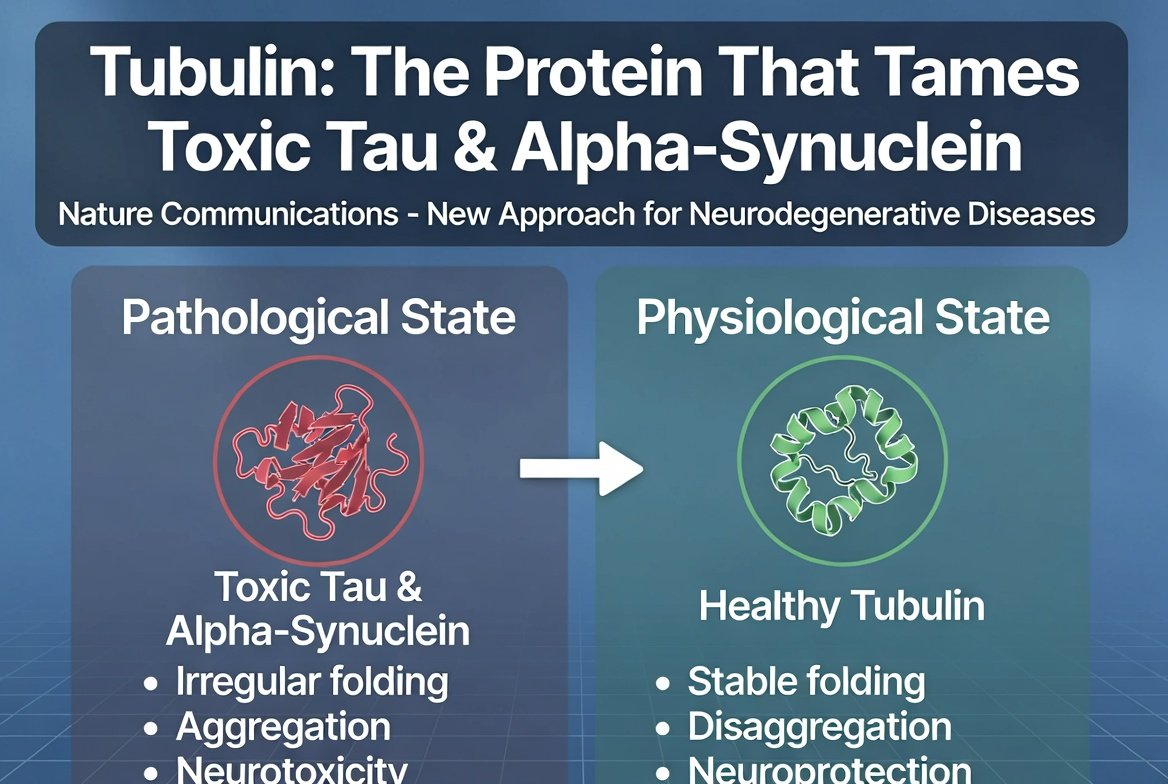
A new fundamental study from Baylor College of Medicine shows in laboratory systems that tubulin directs Tau and alpha-synuclein from a pathological a...
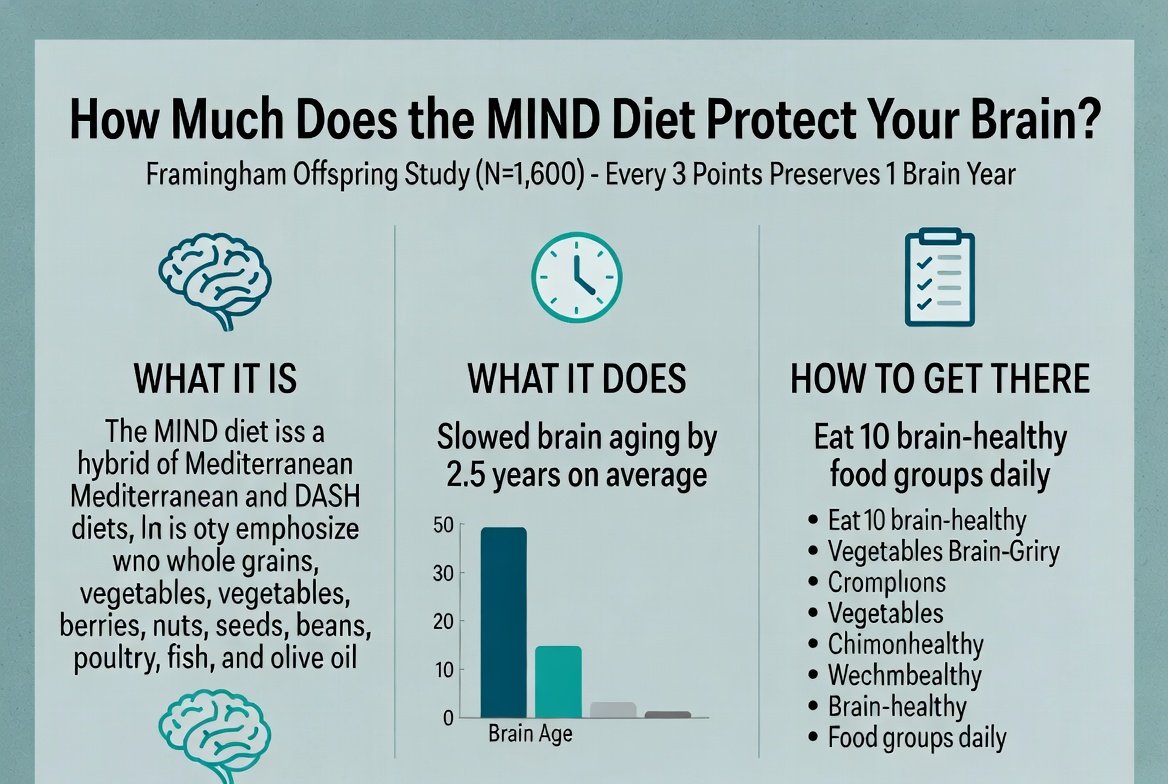
Classic Mediterranean diet or DASH diet? Why not combine both with a focus on the brain? This is the MIND diet, and a new study shows that those who a...
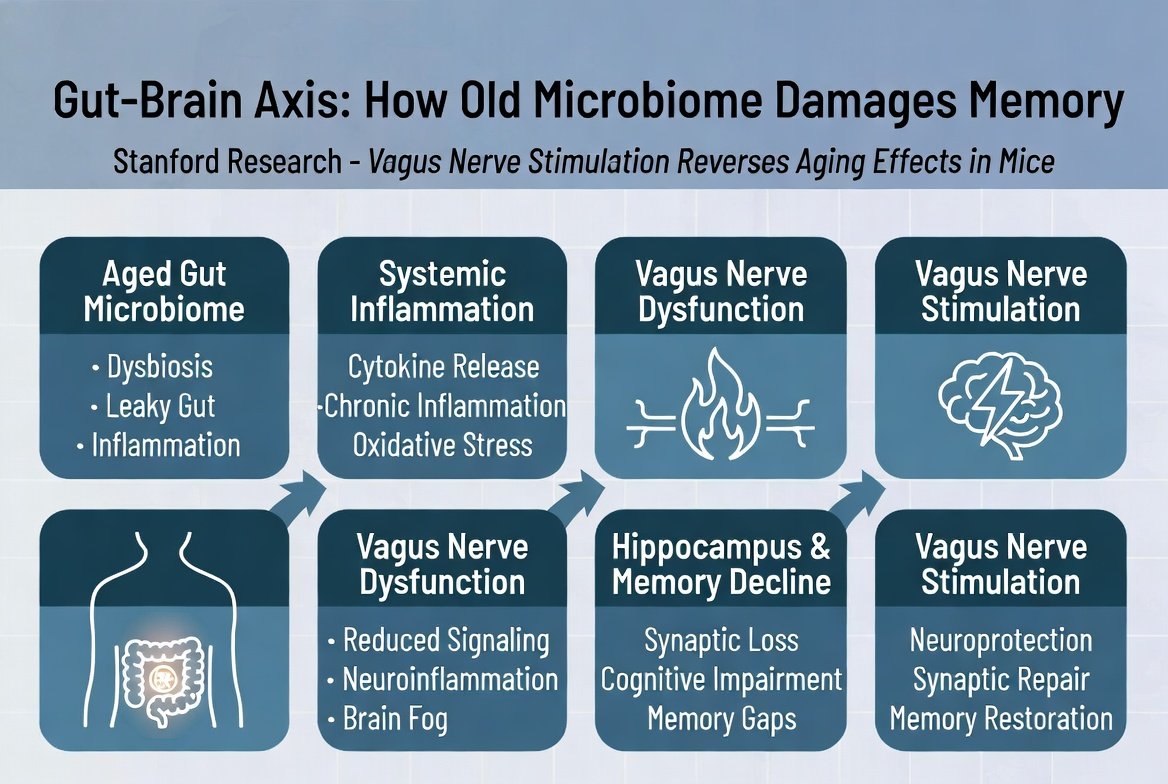
How does memory decline with age? A new study in Nature (in mice) points to the gut. A bacterium that proliferates with age produces fatty acids that ...
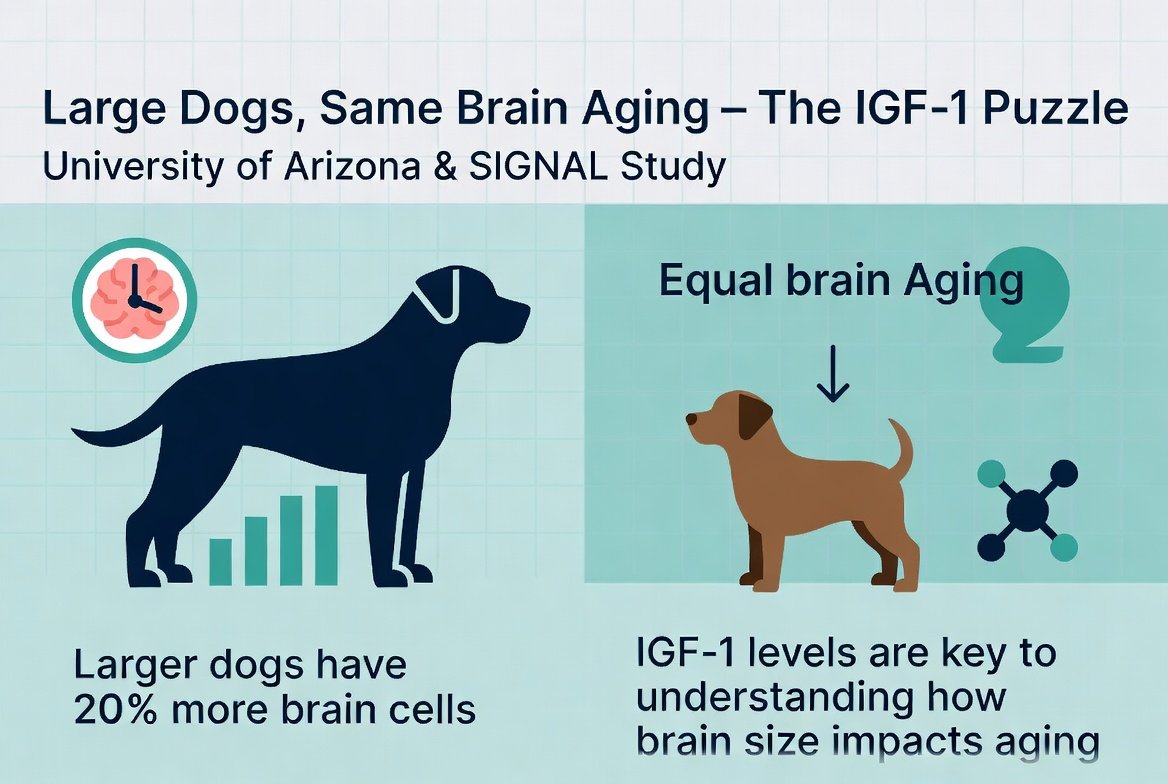
A German Shepherd lives 7-8 years. A Chihuahua lives 15-17 years. The gap is enormous. But new studies from the University of Arizona have revealed so...
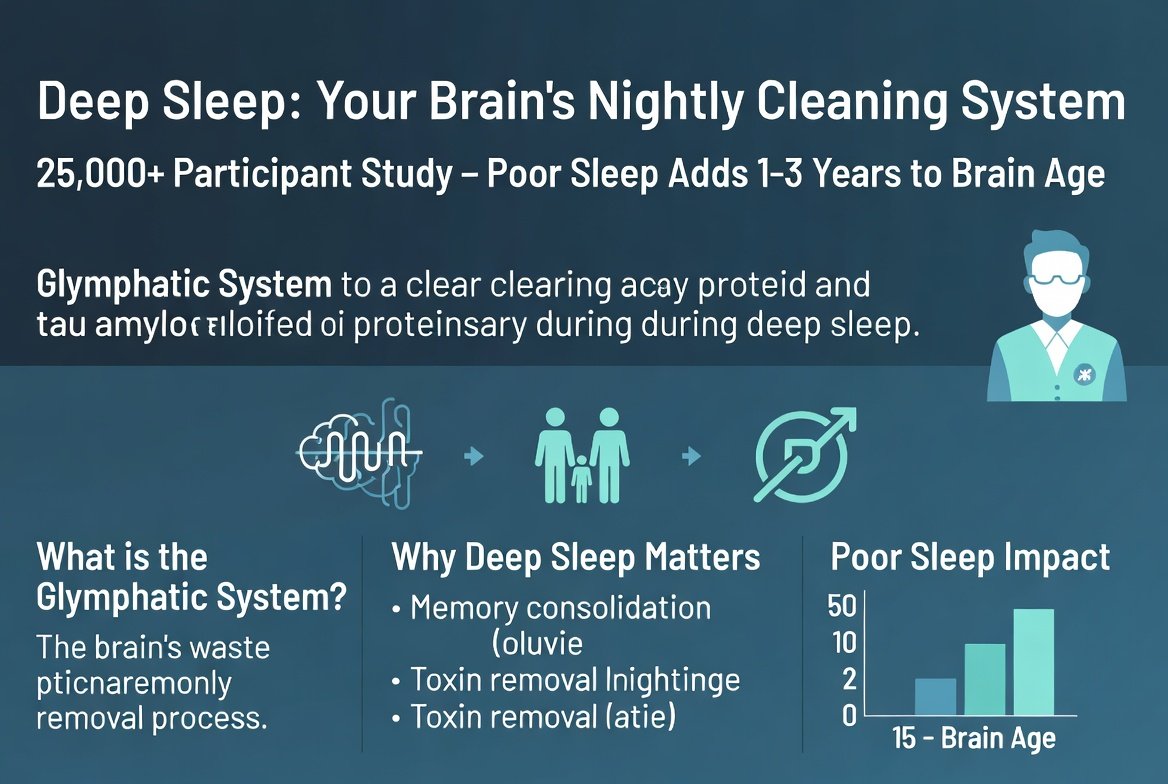
We knew sleep was important for the brain, but research shows exactly how much. Poor sleep is linked to accelerated brain aging by 1-3 years. The key:...
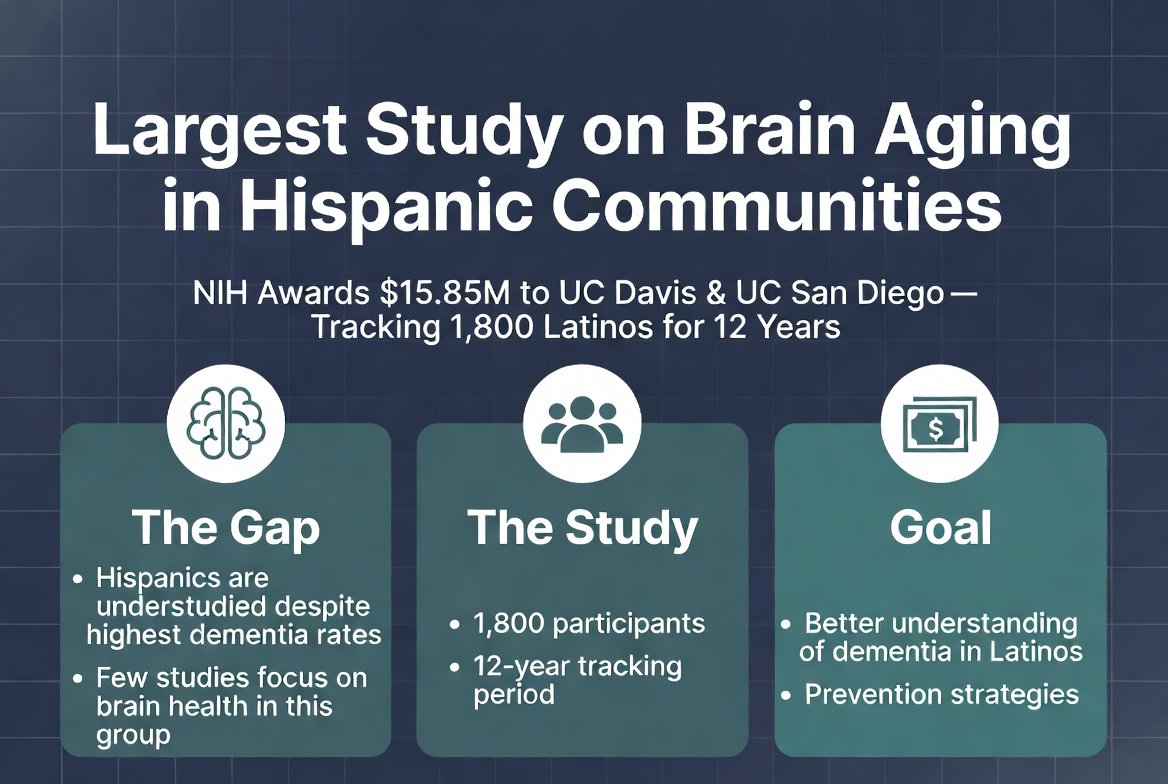
For decades, aging research has primarily focused on the white population. But Latinos exhibit higher rates of dementia, and their genetics and life t...
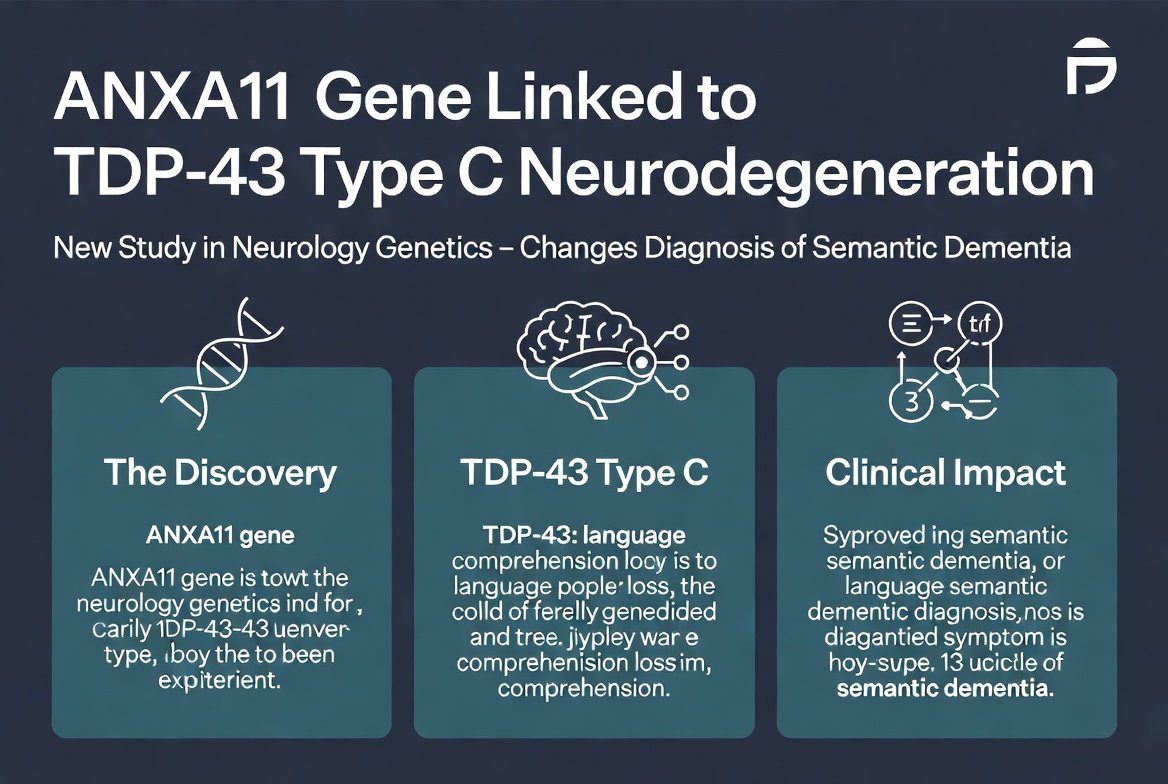
If dementia happens to you like this: At first, you remember well, but you lose the ability to recognize simple words like "umbrella." This is not Alz...
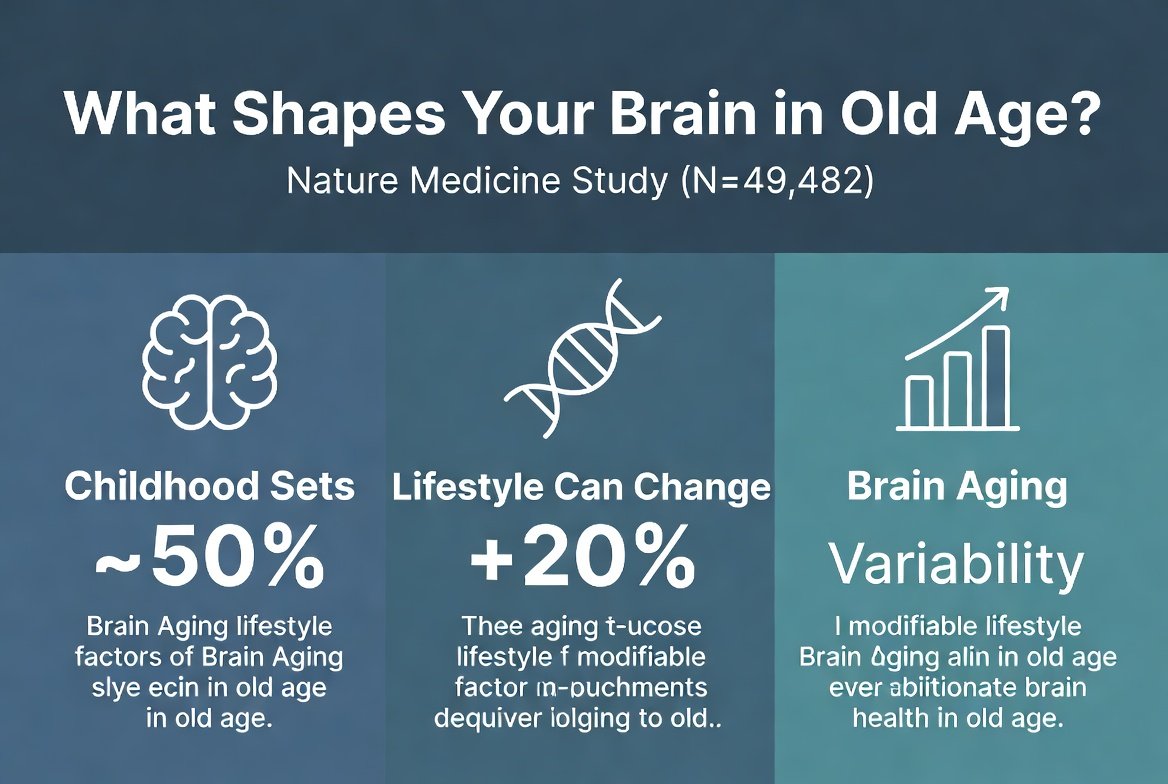
A 73-year-old can function cognitively like someone much younger, or show accelerated wear. Why is the difference so large? The Lothian follow-up stud...
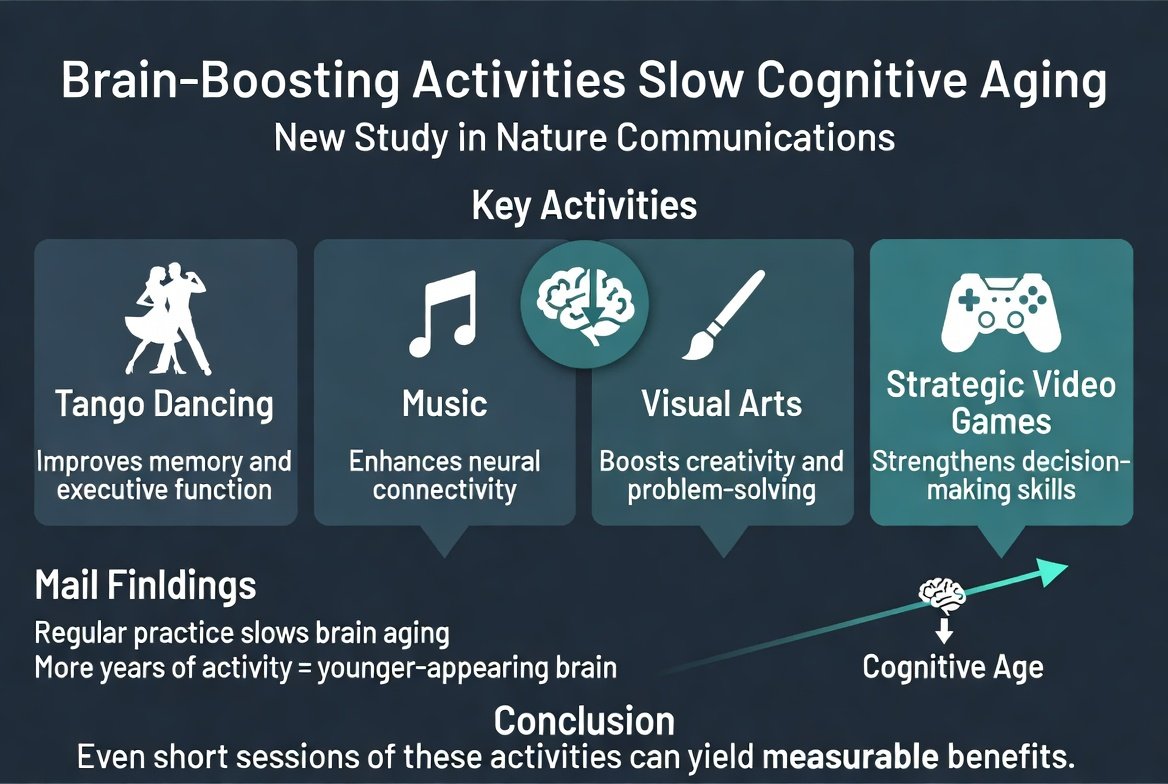
An international study examining experts in art, dance, music, and strategy games across 13 countries found that creative engagement is linked to a br...
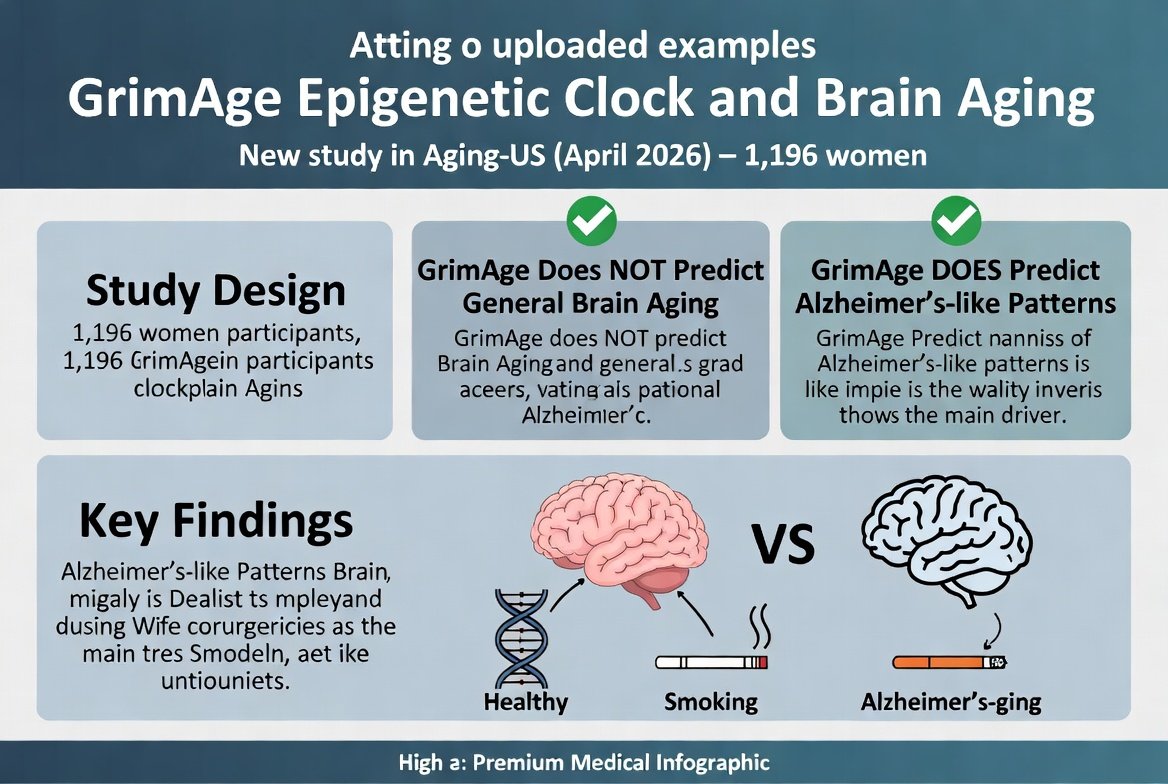
Popular epigenetic age clocks promise to predict your biological age from a blood sample. But a new study that followed 1,196 women for eight years re...
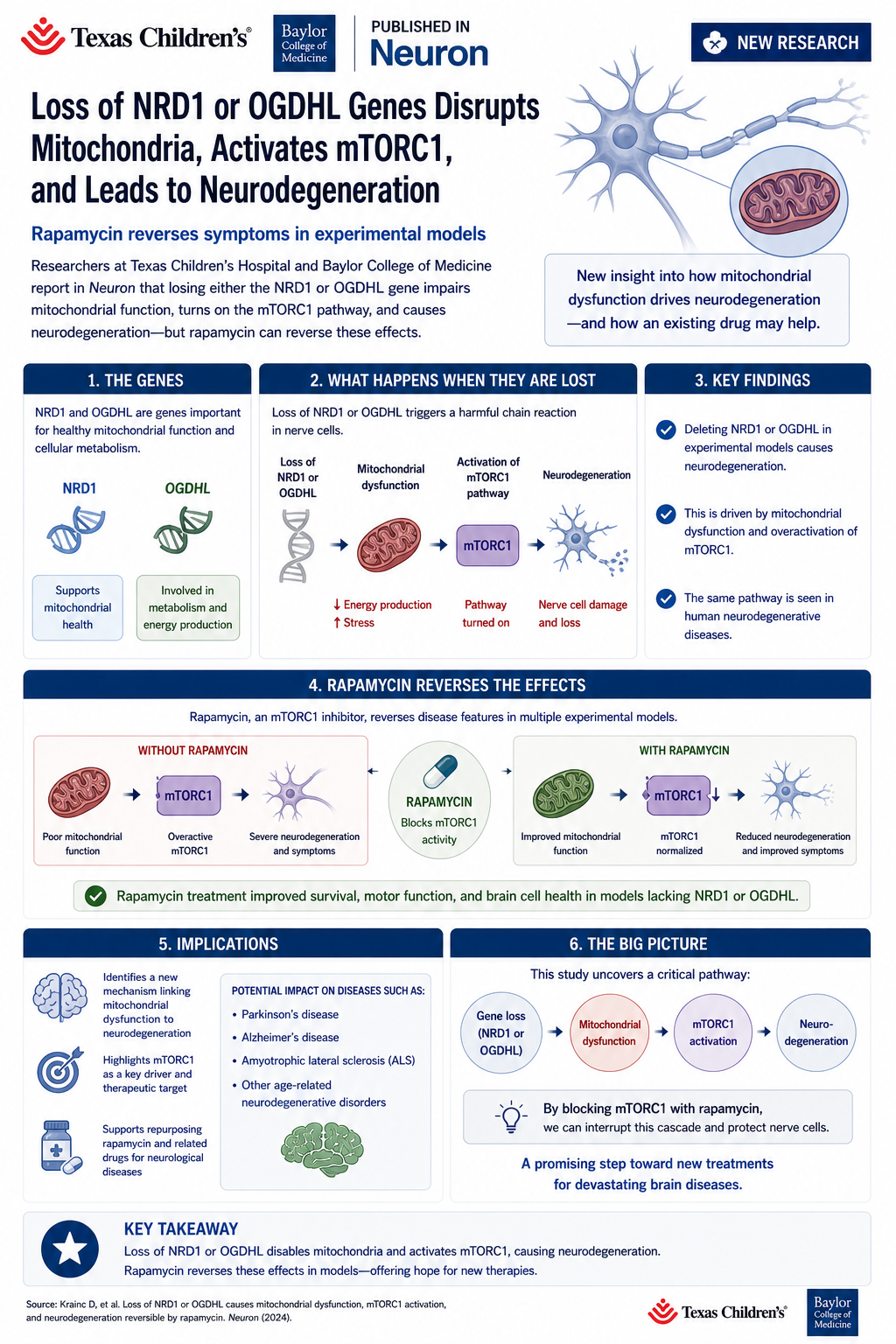
Two teenagers unable to walk, eat, or speak. Two rare genes never before linked. A team from Baylor College of Medicine solves the puzzle and discover...
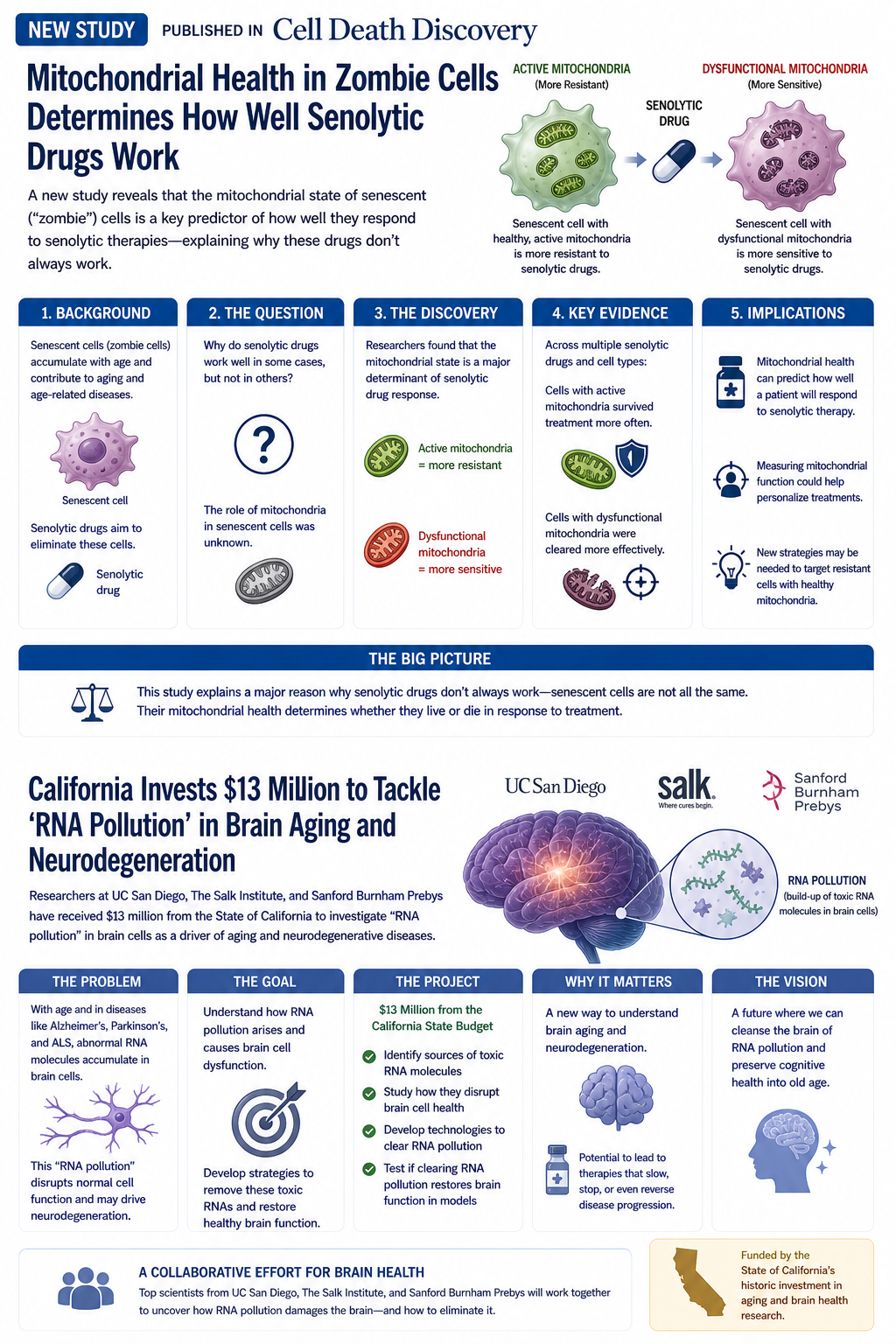
Brain cells make mistakes in processing genetic instructions, and the hypothesis is that these contaminants accumulate with age. Researchers call it "...
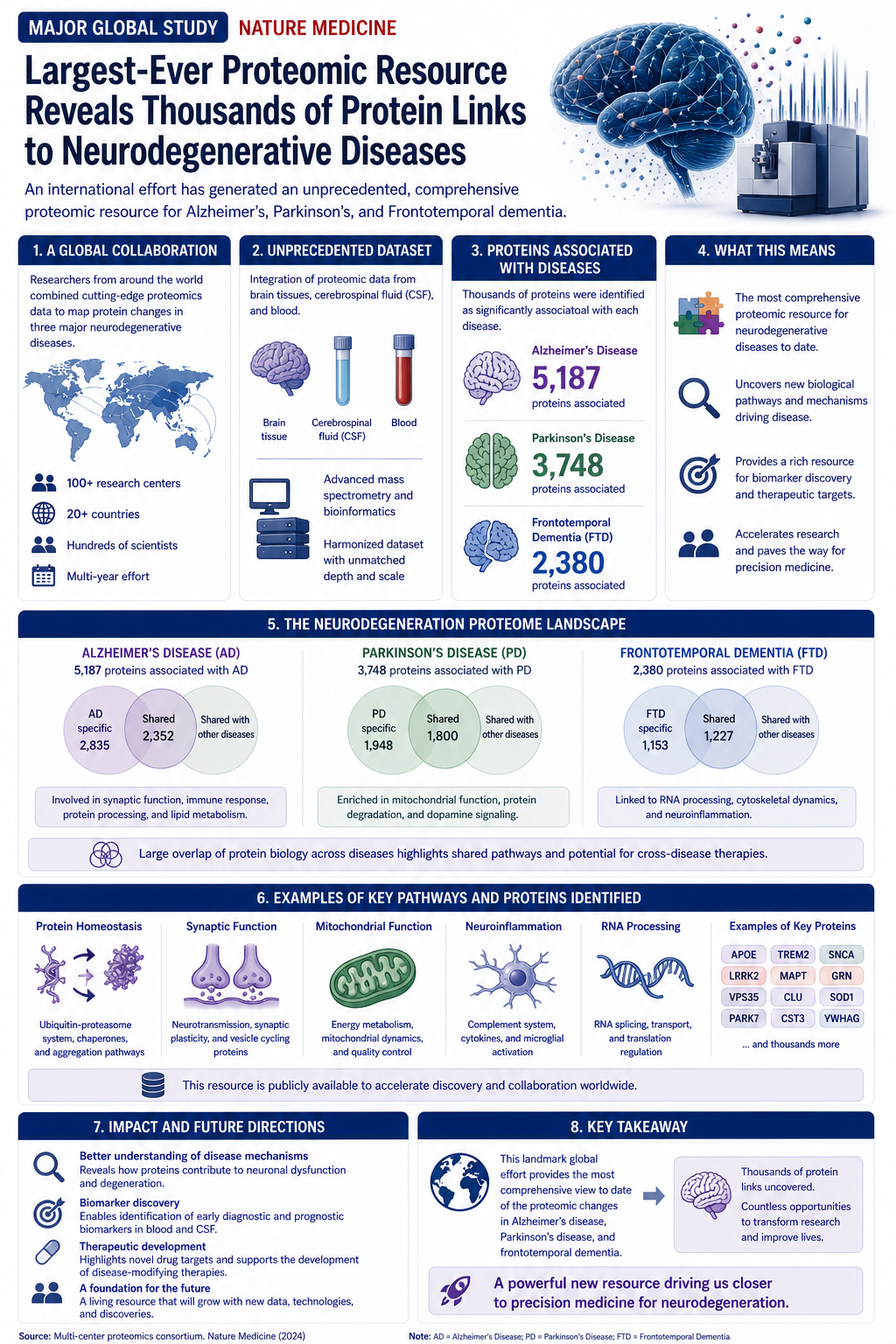
How do you detect Alzheimer's years before it erupts? The Global Neurodegenerative Proteomics Consortium (GNPC) unites hundreds of labs into one datab...
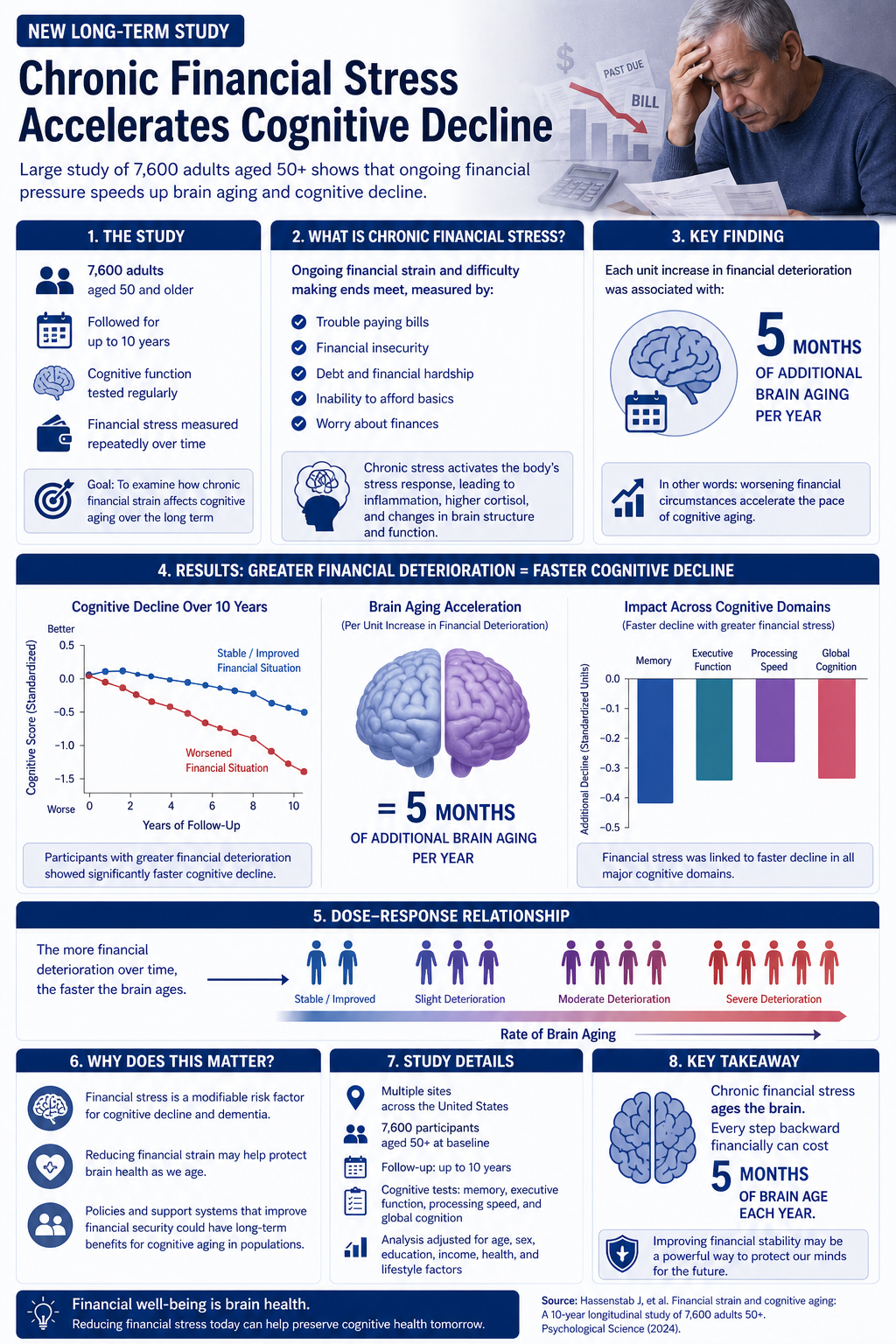
A new study tracking 7,676 older adults for about a decade reveals a significant link between financial stress and accelerated brain aging. The findin...
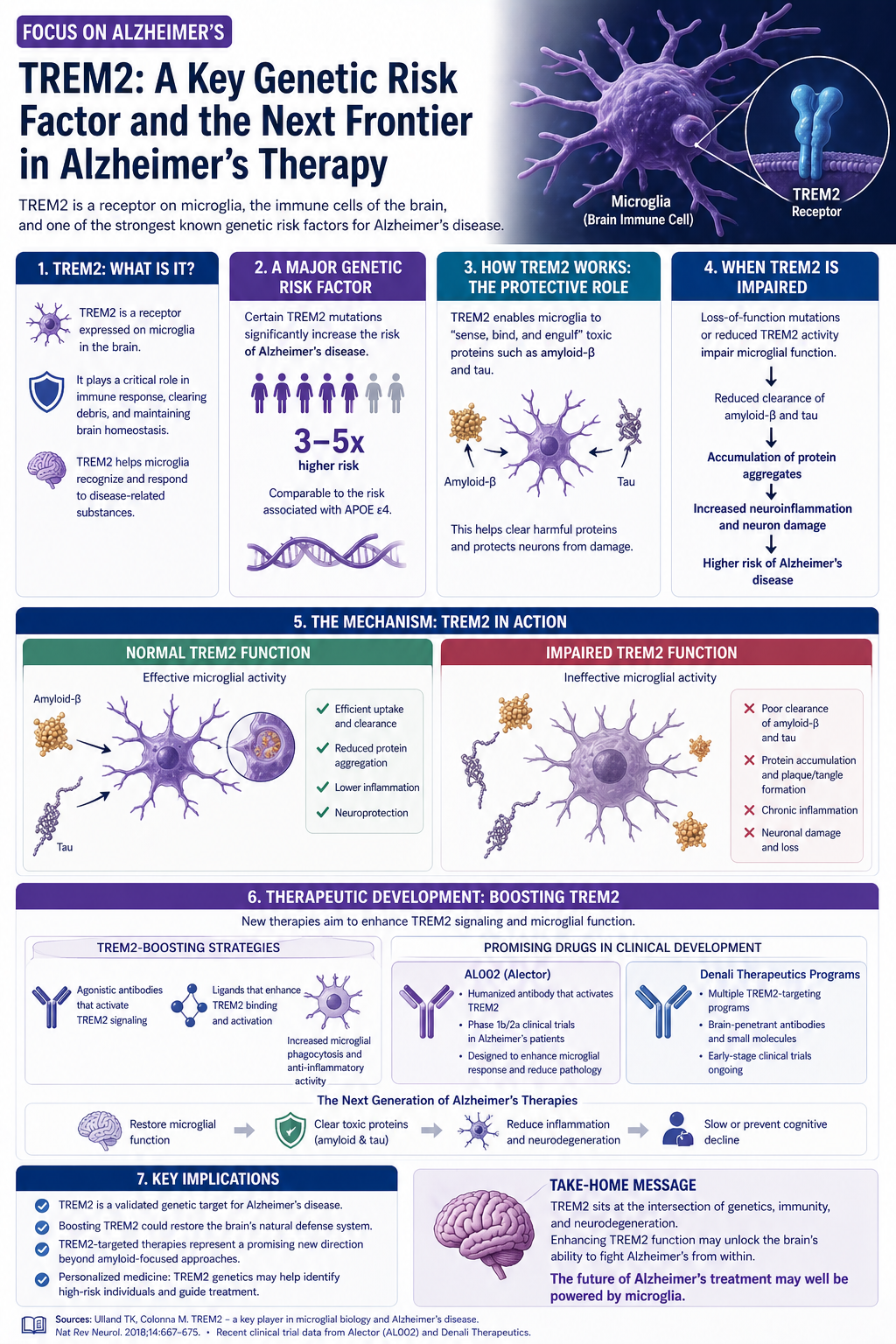
TREM2 is a gene that determines how the brain's immune cells handle waste. It is linked to Alzheimer's risk and is being studied as a therapeutic targ...
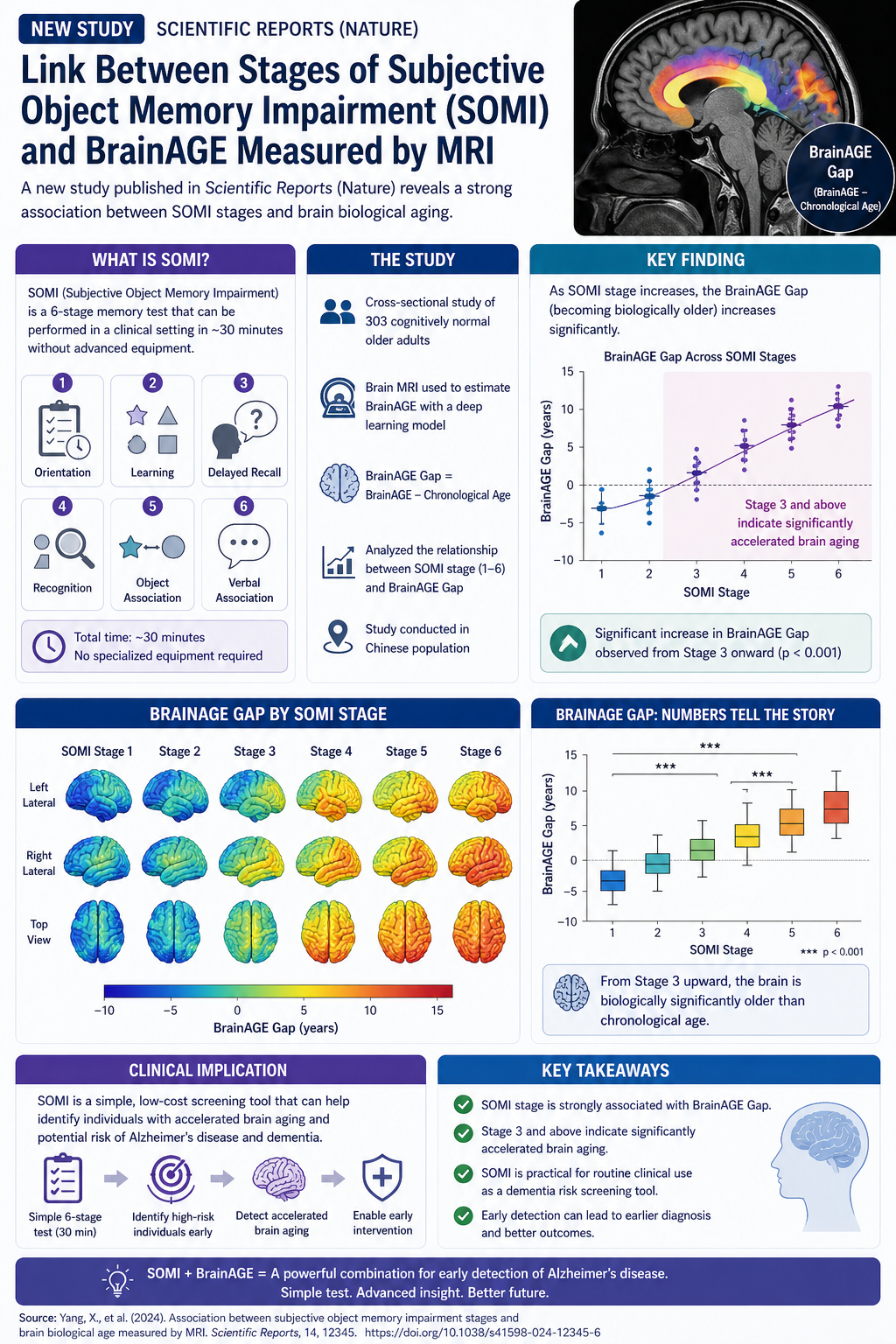
A short clinical memory test shows a moderate correlation with brain age measured by MRI. A new study in Scientific Reports (Nature group) links SOMI ...
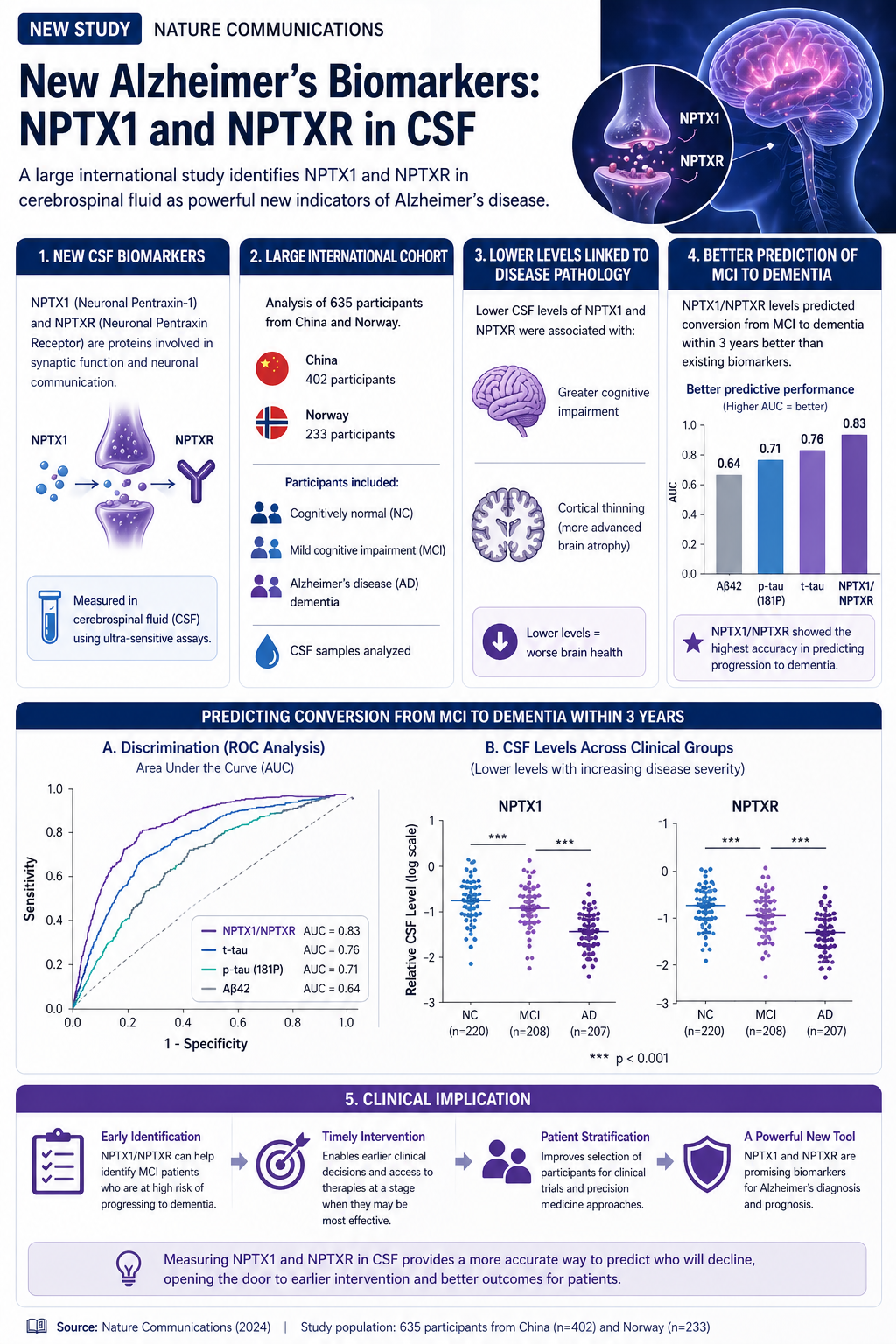
A new study in Nature Communications reveals two proteins in spinal fluid that predict who will decline to dementia within about two to three years. A...
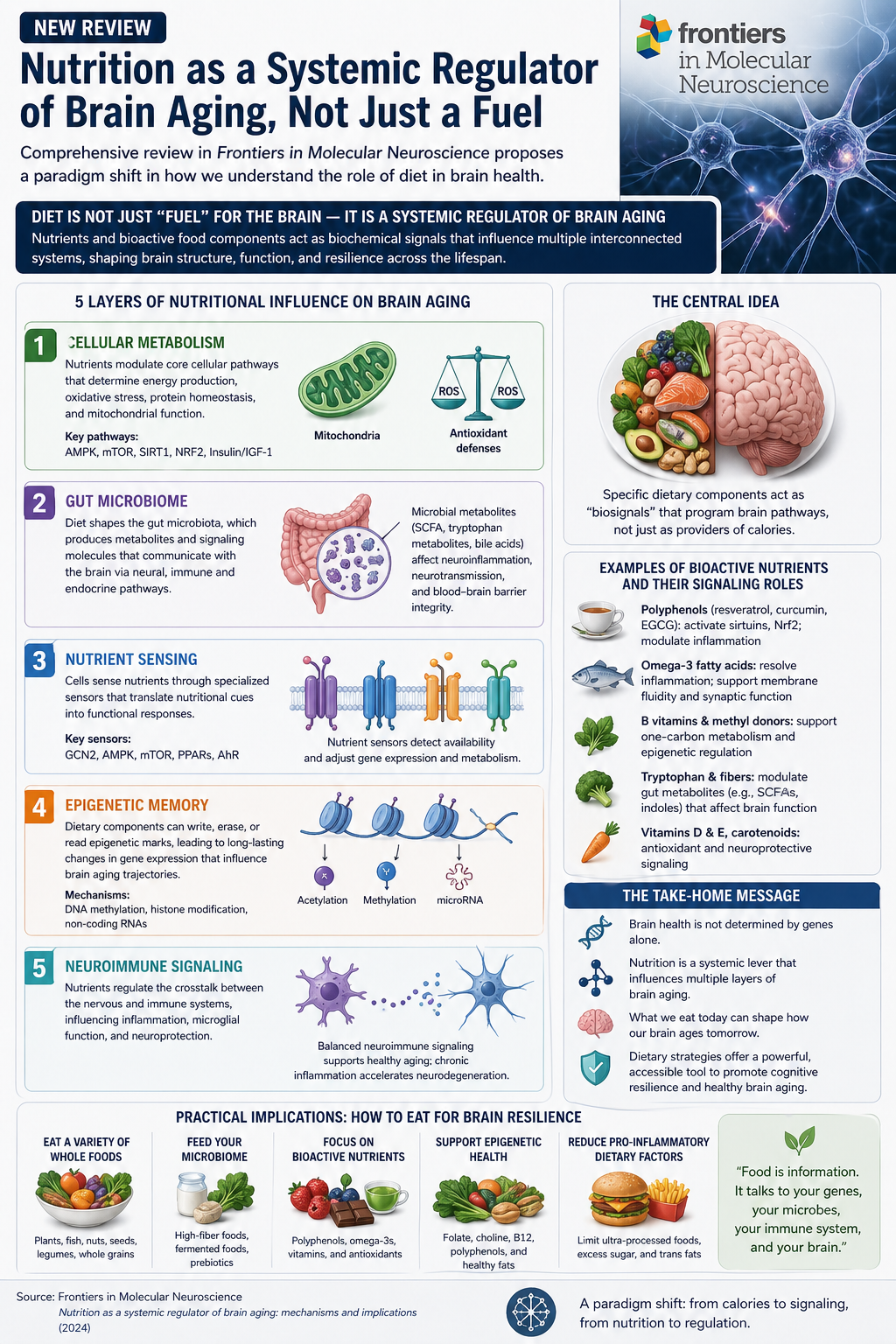
Nutrition is not just fuel. A new review in Frontiers presents it as a system of molecular signals that influences brain aging pathways. What does thi...
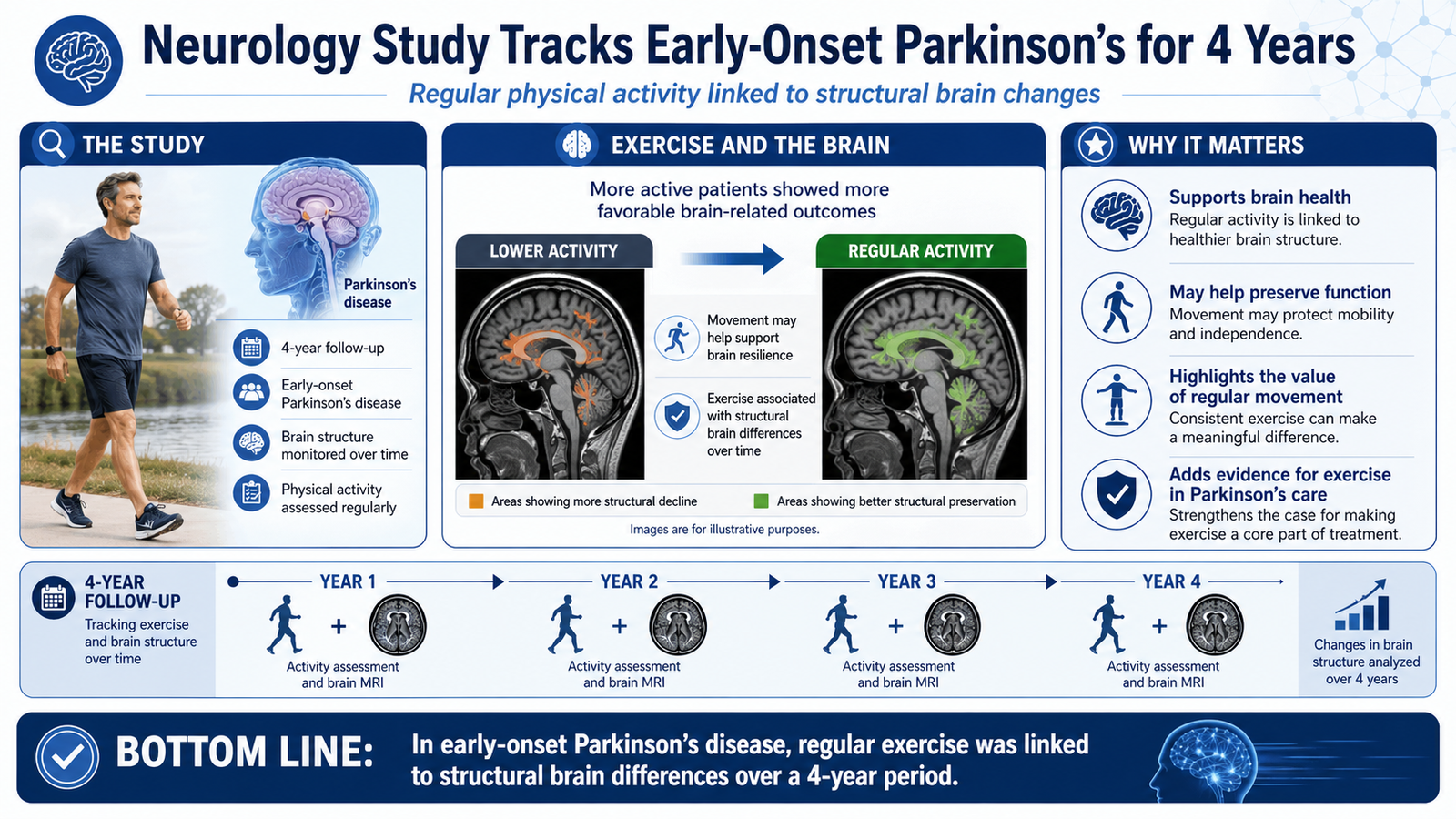
If you had to choose one habit that slows brain aging, what would it be? A new study in Neurology answers: movement. But not in the way you thought.
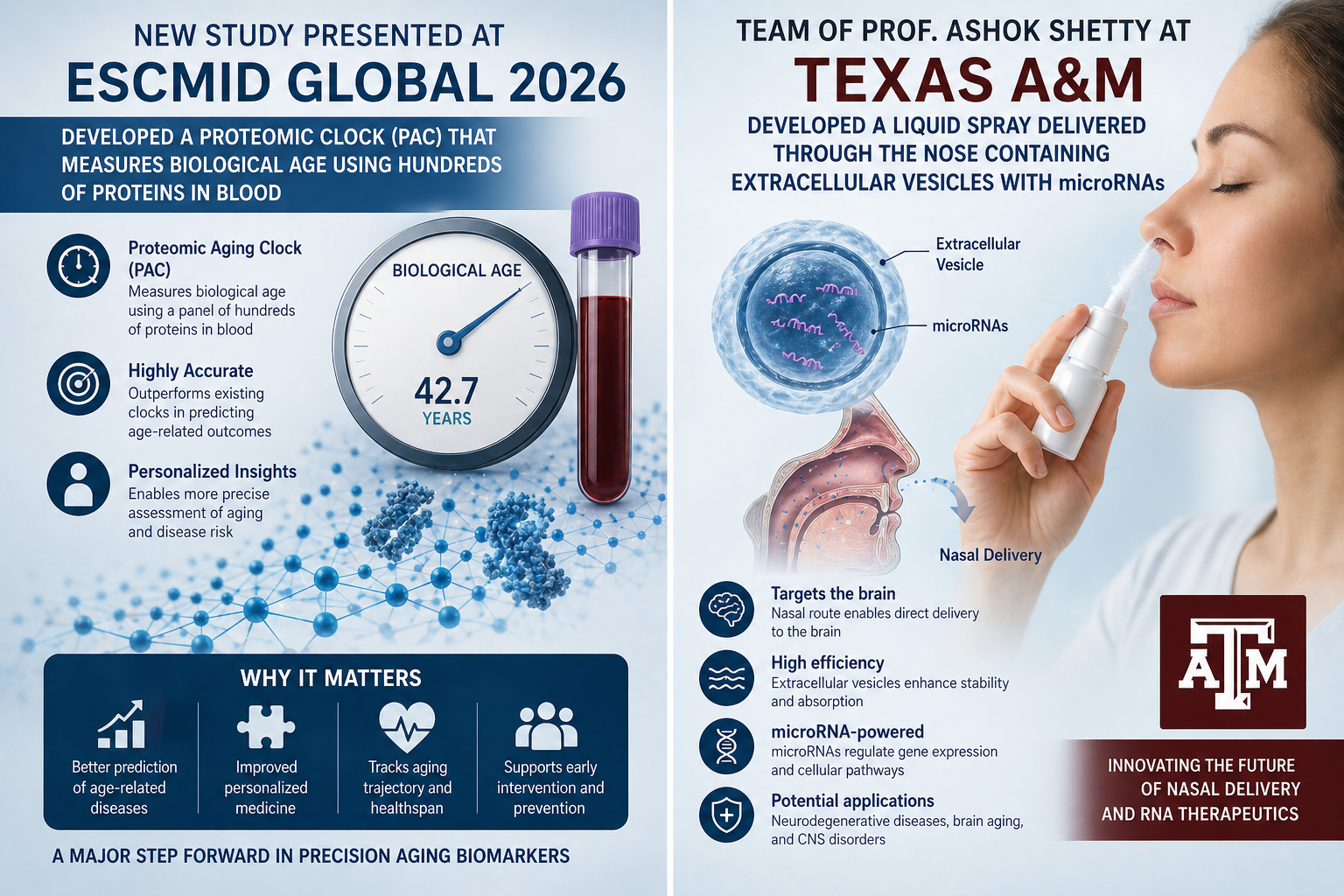
A team at Texas A&M developed a nasal spray that reverses brain aging in old mice with just two doses. It suppressed inflammation, restored mitochondr...
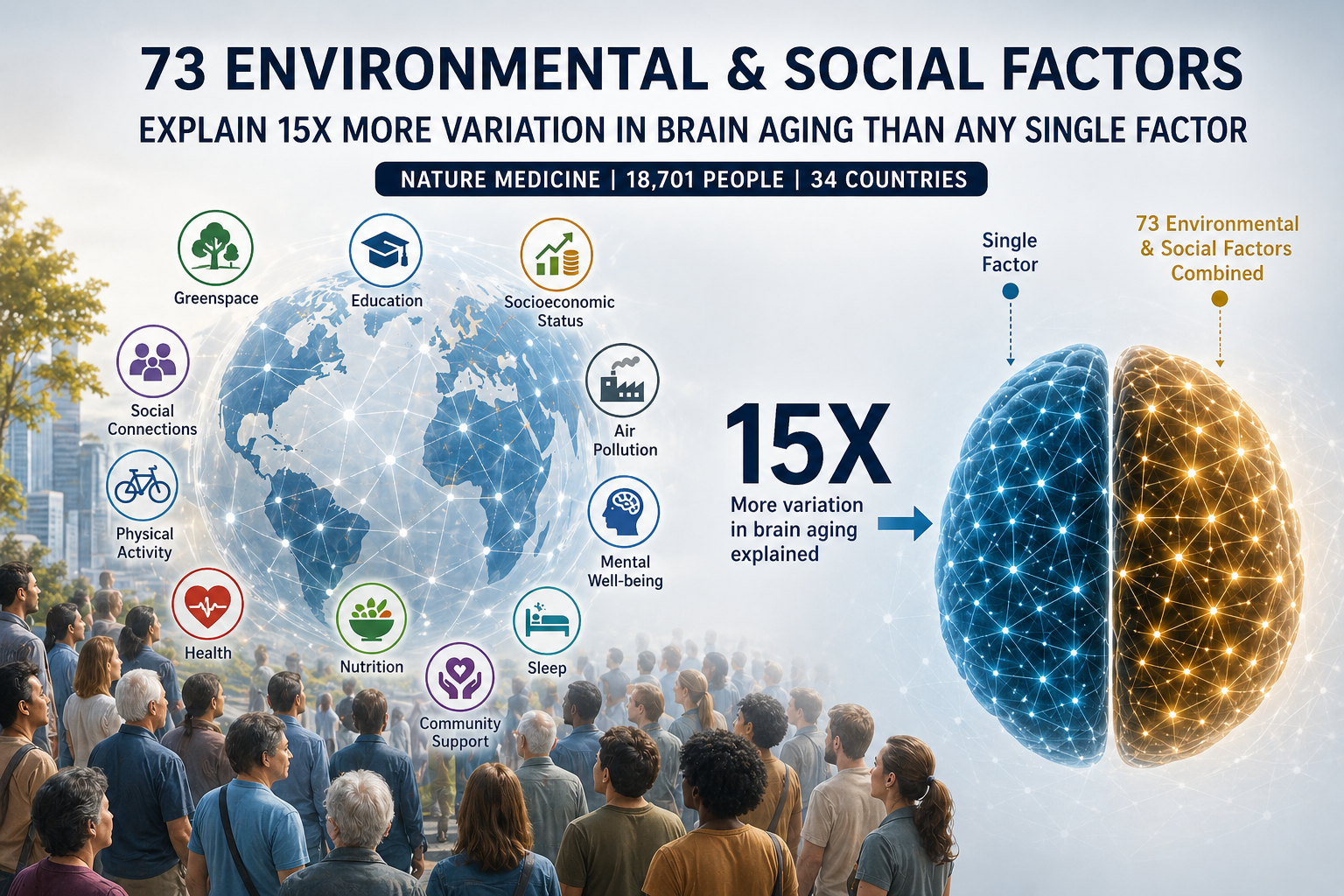
A study in Nature Medicine examining nearly 19,000 people from 34 countries found that the quality of the external environment, from air pollution to ...
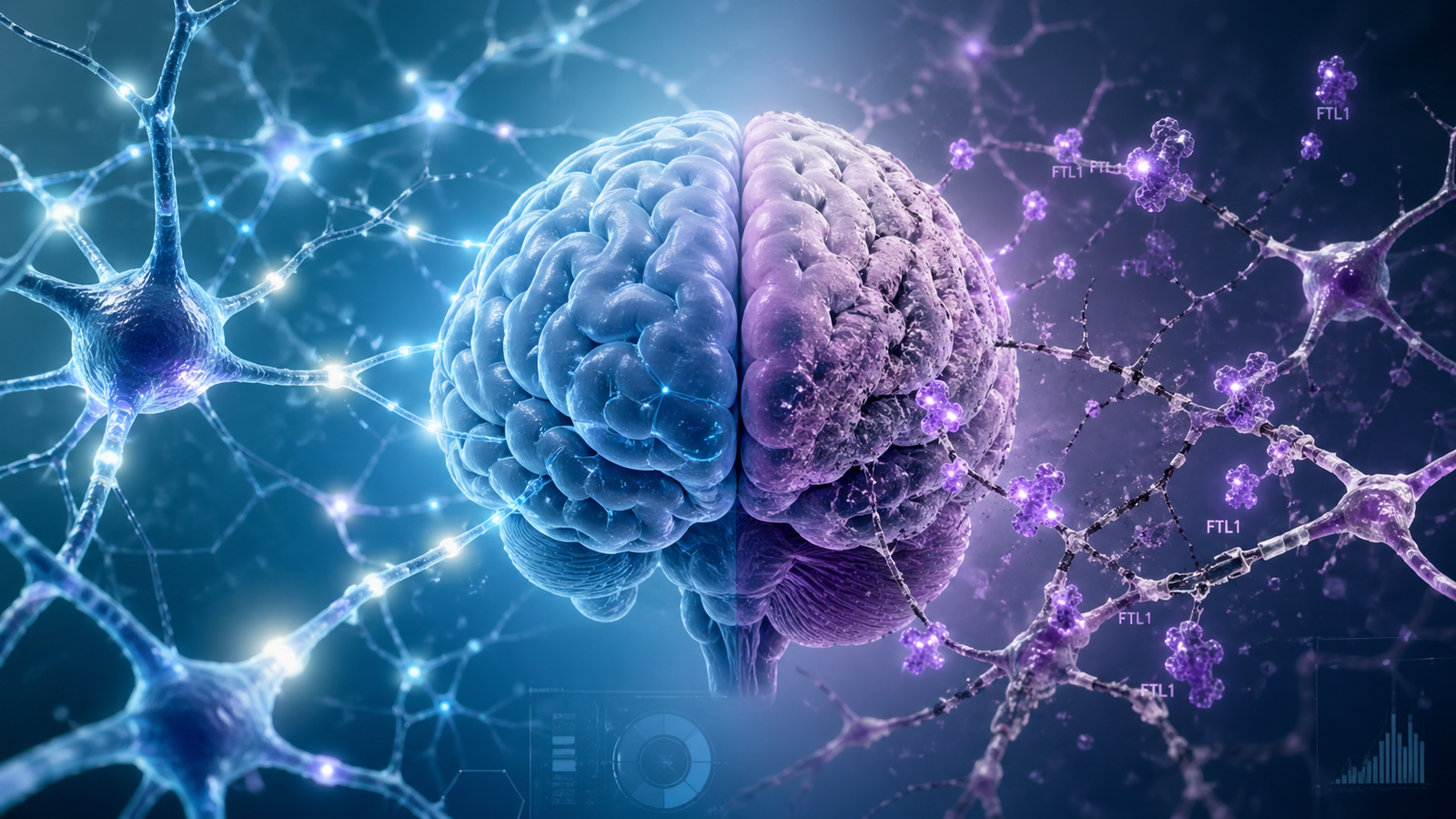
UCSF researchers published a dramatic discovery in Nature Aging: a protein called FTL1 is the main driver of age-related cognitive decline. Reducing i...
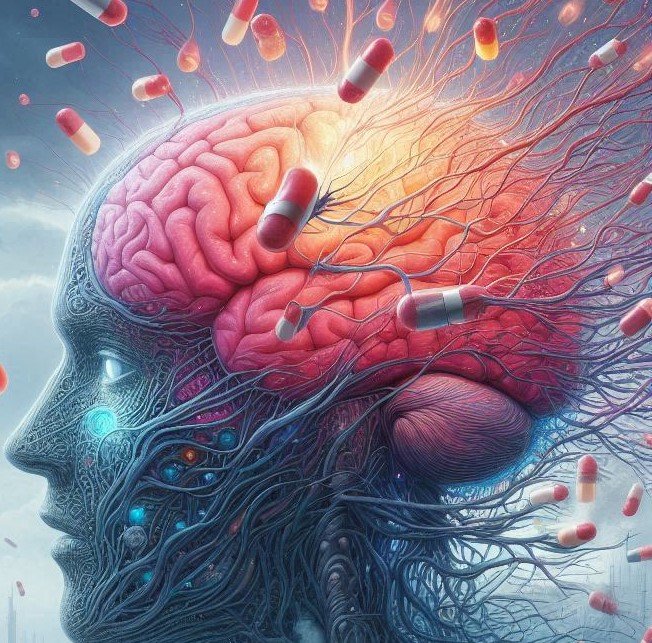
The medical world is on the verge of a significant breakthrough in the fight against Amyotrophic Lateral Sclerosis (ALS): a unique pill called SPG302,...
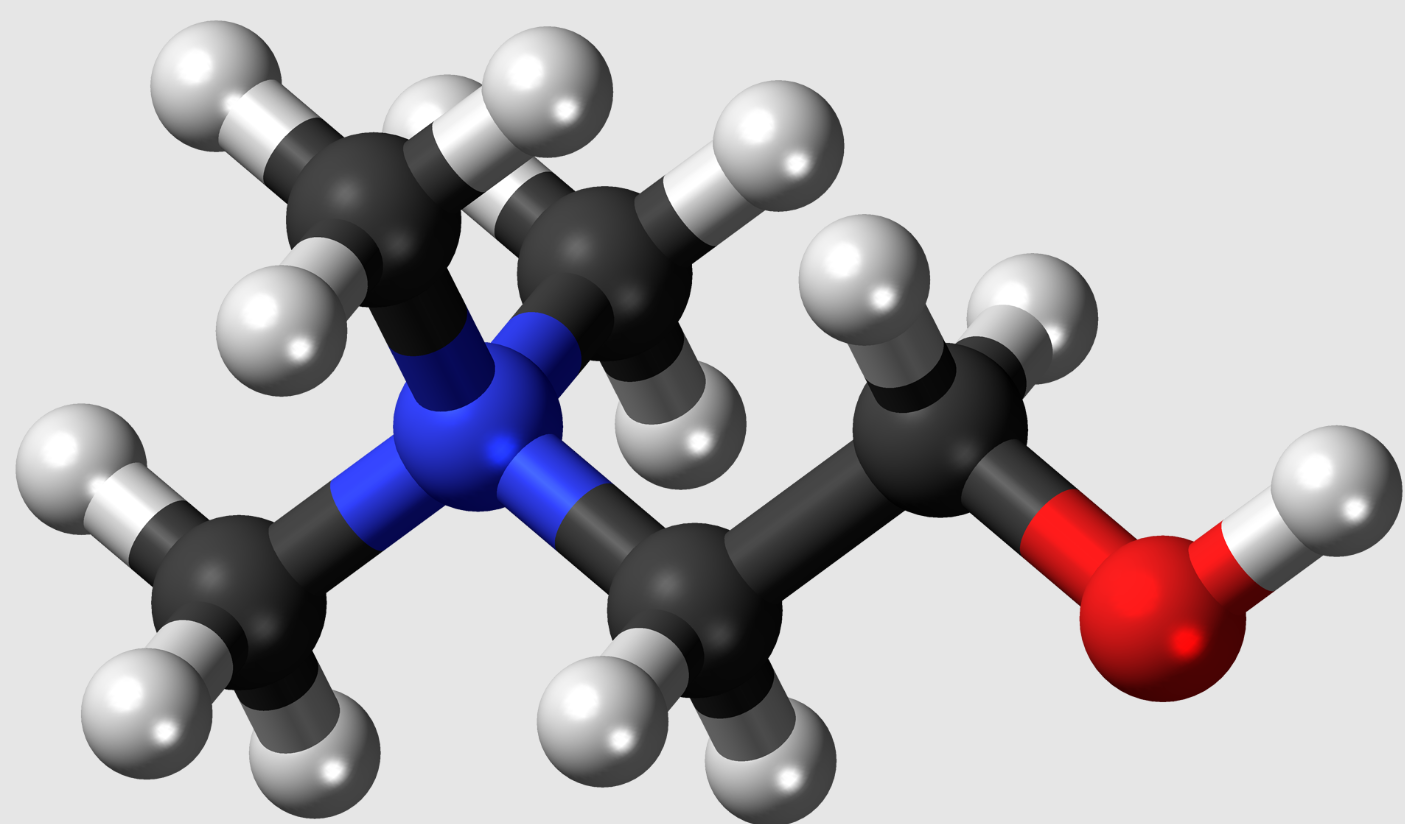
The brain produces a chemical called acetylcholine, essential for memory and other cognitive functions. A deficiency in acetylcholine is linked to cog...

Parkinson's disease, a common neurodegenerative disorder affecting movement, posture, and speech, has cast a heavy shadow over the lives of millions o...

Until the late 1990s, the prevailing belief among neuroscientists was that the human brain stops producing new nerve cells (neurons) after adulthood. ...

A groundbreaking brain imaging study from the University of Oxford published in Nature Communications examined 161 modifiable risk factors for dementi...
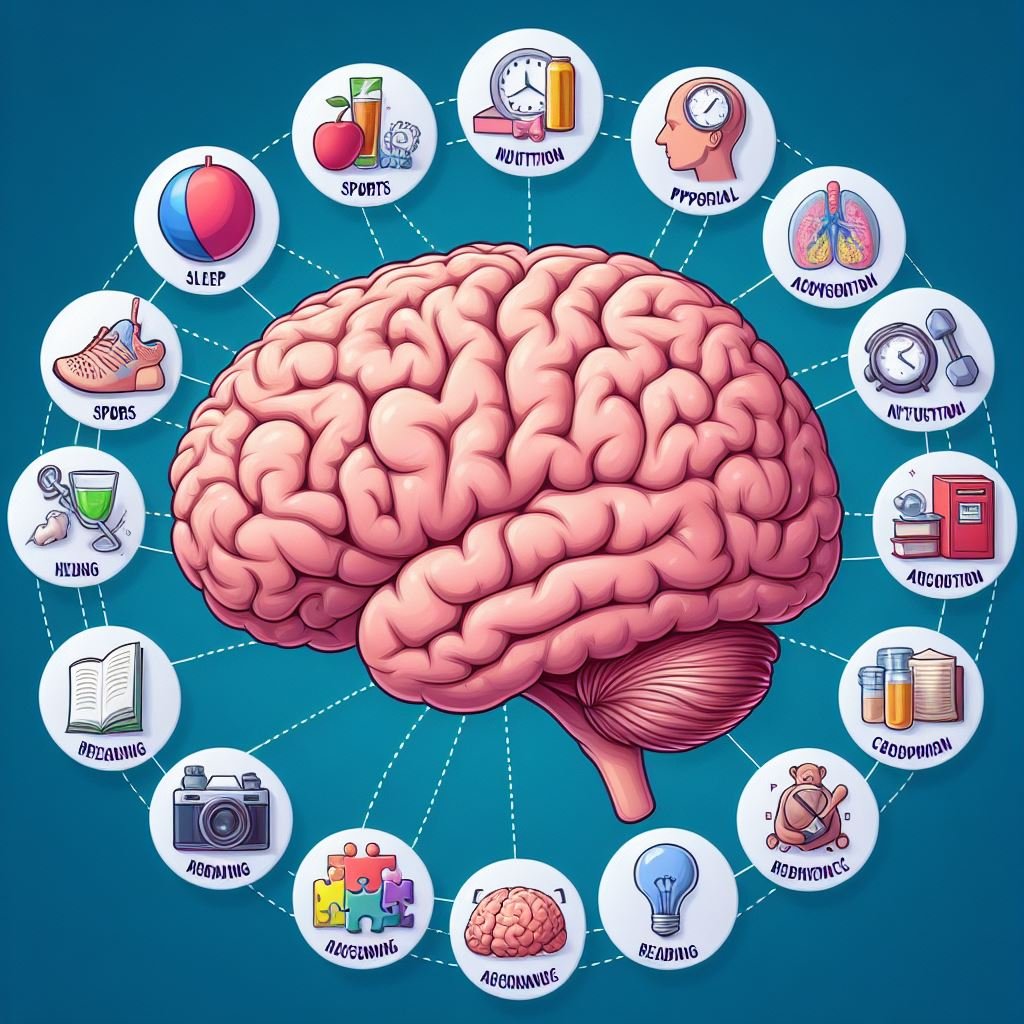
Midlife crisis is known as a period of emotional turmoil, but new research suggests it is much more than that. Menopause, occurring between ages 40 an...
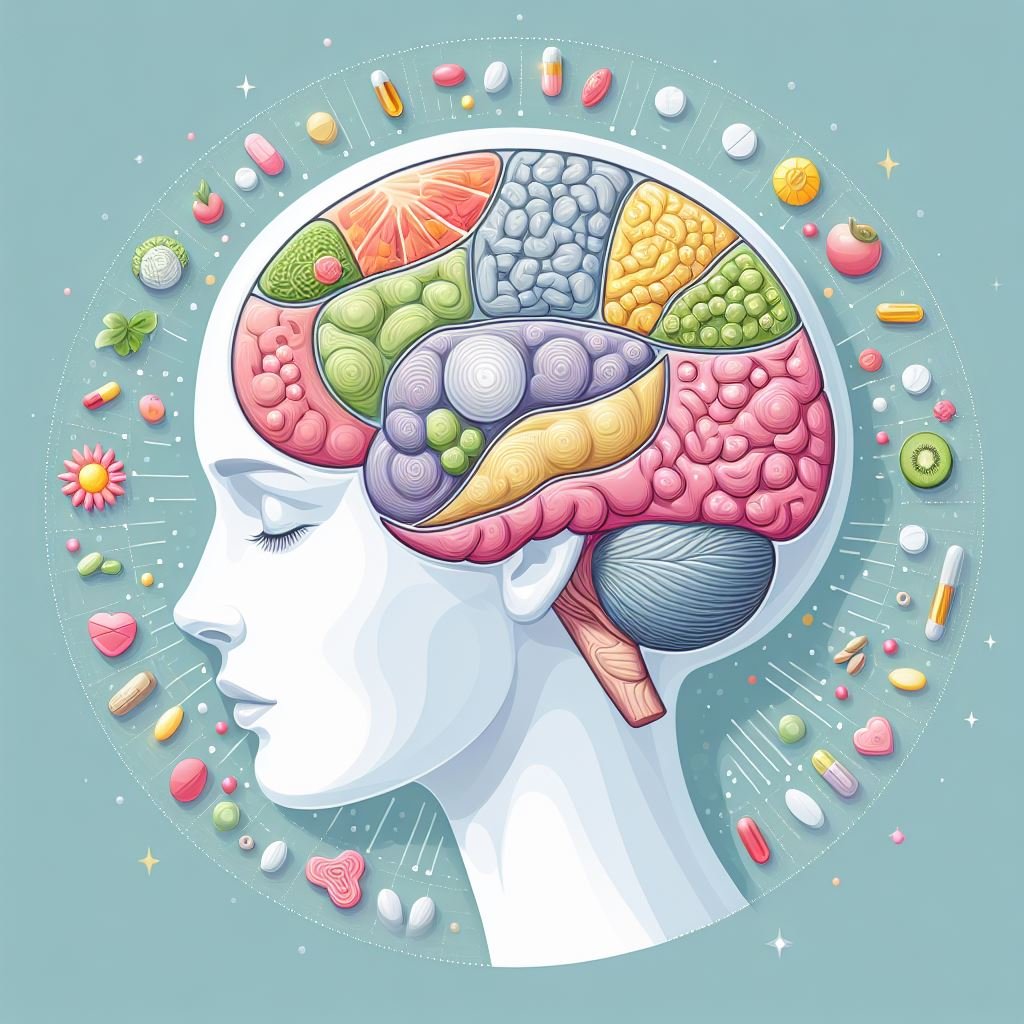
Maintaining brain health over time is important not only for our cognitive ability but also for our overall health. This category offers a variety of ...

New research indicates significant therapeutic potential in Alzheimer's disease using new drugs that clear beta-amyloid protein from the brain. The d...
The TDP-43 protein, also known as TAR DNA-binding protein 43, is primarily known for its important roles in gene expression and neuronal plasticity in...

Researchers at Mayo Clinic may have discovered a new approach to tackling age-related cognitive decline. Their recent study suggests that removing sen...
To add: tap the share button at the bottom of the browser, then tap "Add to Home Screen".