For years, we thought of obesity as a problem of the waistline, knees, heart, and diabetes. But as science advances, it turns out that one of the organs silently affected by excess weight is actually the brain. A new study published in June 2026 takes this connection a step further and offers a troubling claim: obesity and aging may damage memory through the exact same biological mechanism, and when you are obese, you are essentially pushing your brain to age faster.
The researcher behind the work is Prof. Timothy Jarome from Virginia Tech, who received a $410,000 grant from the National Institute on Aging (NIA) to investigate precisely this question: whether obesity accelerates brain aging. The background is concerning: about 40% of adults in the U.S. are classified as obese, and simultaneously about one in three people over age 70 experiences age-related cognitive decline, a condition for which there is currently no treatment. If these two epidemics are connected, the implications are enormous.
What exactly is "brain aging"?
Brain aging is not just "forgetting where you put your keys." It is a measurable biological process that includes several components:
- Reduction in brain volume, especially in areas like the hippocampus, the memory center.
- Impaired connectivity between neurons and a reduced ability to form and stabilize new memories.
- Accumulation of low-grade chronic inflammation in brain tissue, sometimes called "inflammaging."
- Disruption of molecular mechanisms that regulate brain plasticity (neuroplasticity).
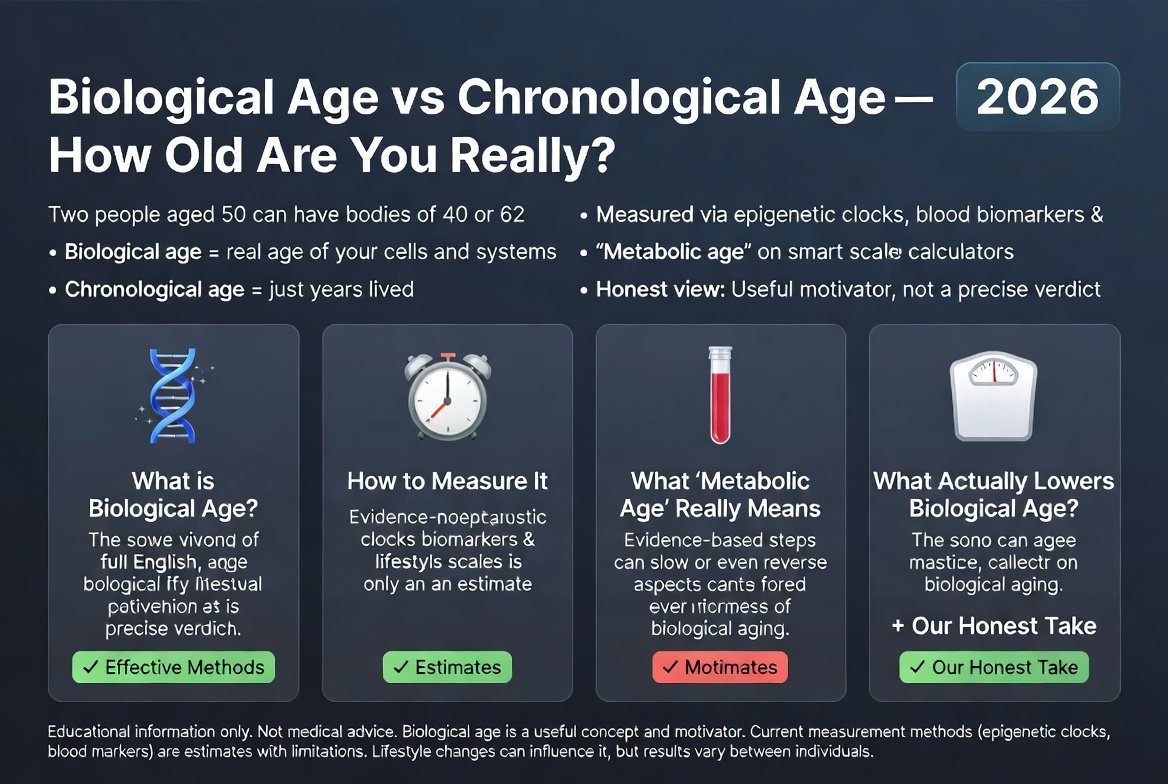
The central idea in the new study is that it is possible to distinguish between chronological age (how many years you have lived) and the biological age of the brain (how "old" it functions). And excess fat, it turns out, can push this gap in the wrong direction.
The surprising finding: A young brain that behaves like an old brain
At the heart of the study is a molecular pathway called K63 polyubiquitination. This sounds intimidating, but the idea is simple: it is a mechanism within nerve cells that regulates the ability to form a new memory during learning.
In a young and healthy brain, K63 levels decrease during learning, and this is precisely what allows the memory to stabilize and be encoded. In an old brain, this mechanism fails: K63 levels remain abnormally high, and this blocks memory stabilization. In other words, the old brain is "stuck" in a state that makes it difficult to learn new things.
And here comes the finding that surprised the researchers. When they examined young rats fed a high-fat diet that became obese, they discovered in their brains exactly the same high K63 levels that characterize an old brain, despite these being young animals. The obese rats also performed worse on memory tests.
In Jarome's words: "What surprised us was that we saw the same changes in young, obese rats that we typically see in much older brains, only on a much faster timescale." That is, obesity is not just "similar" to aging; it appears to activate the same biological pathway, and in a shortcut.
The mechanisms: How exactly excess fat damages the brain
The K63 pathway is one piece of the puzzle, but the connection between obesity and the brain works through several parallel axes, all familiar from the literature:
1. Systemic chronic inflammation
Adipose tissue, especially visceral fat (the deep fat around organs), is not a passive storage depot. It is an active endocrine organ that secretes inflammatory substances like TNF-alpha, IL-6, and CRP. These inflammatory markers flow in the blood, cross the blood-brain barrier, and activate immune cells in the brain (microglia) that damage neurons over time.
2. Insulin resistance
Obesity causes tissues to respond less to insulin. The brain depends on insulin for energy regulation and memory function, so much so that some researchers call Alzheimer's "type 3 diabetes". When the brain is "deaf" to insulin, neurons struggle to receive fuel and maintain themselves.
3. Vascular damage
Excess weight is linked to high blood pressure, atherosclerosis, and damage to the tiny blood vessels that nourish the brain. Reduced blood flow means less oxygen and less nourishment to sensitive areas, and cumulative damage to the "neurovascular unit" and the blood-brain barrier.
4. Adipokines and hormones
Adipose tissue secretes hormones like leptin and resistin. In chronic obesity, the brain develops "leptin resistance," which disrupts appetite regulation and also has direct effects on memory areas.
All these together create an environment where neurons age faster, and this is precisely the condition in which the K63 pathway gets "stuck" in the old state.
Current evidence: What was actually found
Study 1: Young and obese rats, Virginia Tech 2026
The main study, led by Prof. Jarome, showed that young rats on a high-fat diet developed baseline K63 levels identical to those of old rats and performed worse on memory tasks. This is an animal study, a vital model for understanding mechanism, but not direct proof in humans.
Study 2: Gene editing that restored memory, 2025
In previous work by the same group, when K63 levels were reduced using targeted gene editing tools (based on CRISPR), the memory of old rats improved. This strengthens the idea that K63 is not just a "marker" of aging but an active driver of it. The next step in the research: to test whether reducing K63 before obesity develops will prevent memory decline.
Study 3: The human context, long-term BMI studies
Longitudinal studies in humans support the direction: higher BMI is associated with faster cognitive decline, especially in adults over age 65, and the strongest effect was observed after about 8 years. Importantly, there is evidence that weight management can slow the rate of cognitive decline within about two years. That is, it is a modifiable risk factor.
Association vs. Causation: The important caution
Here we need to pause and be honest. Most evidence in humans is associative: it shows that obesity and cognitive decline go together, but does not prove that one causes the other. There may be confounding factors, such as low physical activity, poor sleep quality, or a nutrient-poor diet, that affect both weight and the brain simultaneously.
What makes Jarome's study interesting is precisely the animal model: when you change the diet in a controlled manner and see a specific molecular change in the brain, it brings us closer to a causal claim. But even this is not the end of the story, because what happens in a rat does not always happen in a human. The gene editing that restored memory in old rats is years away from becoming a treatment in humans, and it should not be presented as an available solution.
The balanced bottom line: The connection between obesity and the brain is real and established, the mechanism is becoming clearer, but the molecular "magic bullet" is still in the lab. What is established and works today lies in habits.
What can you take from this study?
Although the pharmaceutical solution is far off, the practical message from this study is empowering precisely because it is in our hands:
- Metabolic health is brain health. Every step that improves insulin sensitivity and reduces inflammation also protects memory. It is the same coin, two sides.
- Focus on belly fat, not just weight on the scale. Visceral fat is the main culprit. Even a modest reduction of 5-10% has been linked to slowing brain aging markers.
- Combine aerobic and resistance training. Regular aerobic activity (about 150 minutes per week) reduces visceral fat, and resistance training improves insulin sensitivity. Both have been shown to benefit the brain.
- Mediterranean diet. Rich in olive oil, vegetables, legumes, and fatty fish, it is one of the most established dietary patterns for cognitive protection.
- Prioritize sleep. Less than 6 hours increases visceral fat accumulation and impairs memory consolidation at night. 7-8 quality hours are part of the prescription.
Note: If you have significant obesity or suspect cognitive decline, this is a conversation for a doctor, not a self-decision. GLP-1 medications and bariatric surgery come into play in certain cases but require medical supervision.
The broader perspective
This study is a beautiful example of a principle that recurs in the field of aging: the body is one system, not a collection of separate organs. What is good for the heart is good for the brain, what calms inflammation in the belly calms it in neurons too, and what improves metabolism slows the memory clock. Obesity is not just an aesthetic or orthopedic issue; it is a systemic process that accelerates aging everywhere, including between the ears.
And perhaps this is actually an encouraging message: if obesity can age the brain faster, it is likely that the opposite direction is also possible. Maintaining metabolic health is probably one of the cheapest, safest, and most effective interventions we have to keep memory young. Your brain listens to what is happening in your body, so it is worth giving it a good reason to stay young.
References:
Neuroscience News: Obesity Accelerates Cognitive Aging
Virginia Tech News: Can obesity make the brain age faster?
Read also: The type of fat that accelerates brain aging and the simple intervention


💬 Comments (0)
Be the first to comment on the article.