Can science in the near future extend our lives faster than the rate of aging itself?
According to Ray Kurzweil, a renowned inventor and futurist, the answer is optimistic: he predicts that around 2029 we will reach what he calls longevity escape velocity, a point where medical progress will add more than one year to our life expectancy for every year that passes. It is important to be precise: Kurzweil does not promise immortality, but rather a state where life expectancy grows faster than the rate of aging, which does not eliminate death from an accident or an unexpected event.
Kurzweil, co-founder of Singularity University (which he established in 2008 together with Peter Diamandis), has long predicted the rise of advanced technology that will change the face of humanity.
In his 2024 book, "The Singularity Is Nearer," he reiterated this assessment and argued that between 2029 and 2035 we will begin to gain more than one year of life expectancy for every year that passes.
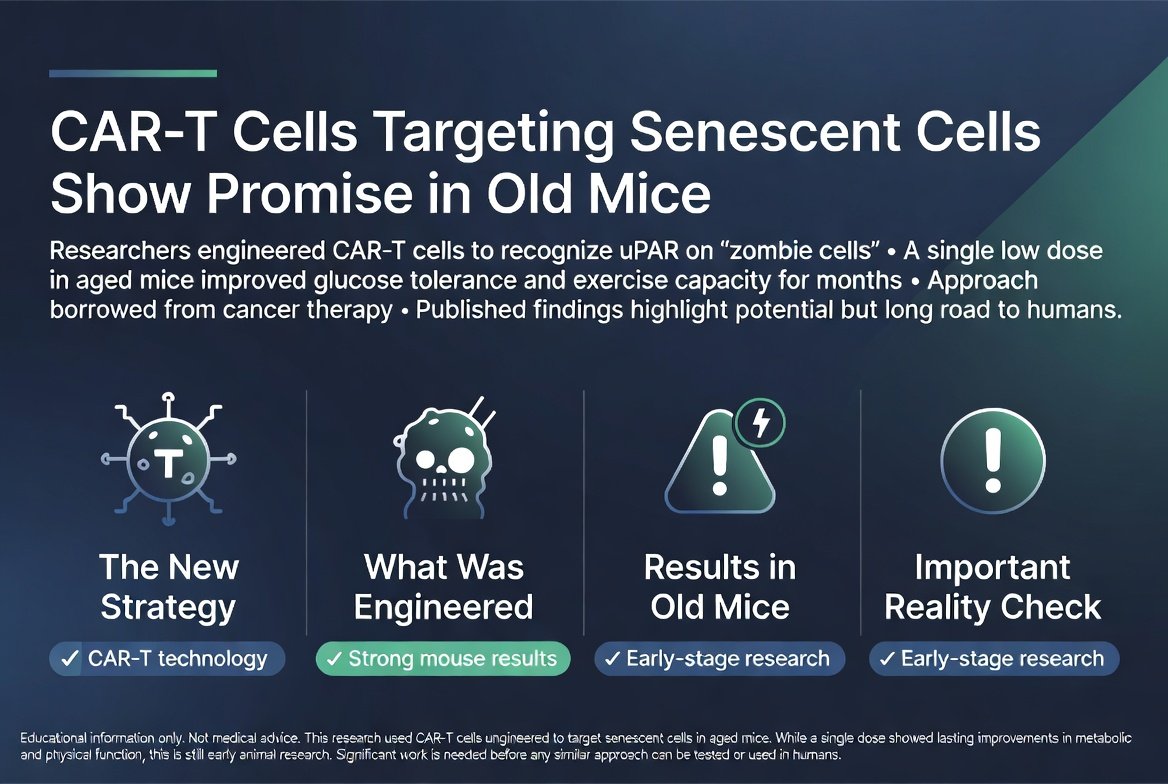
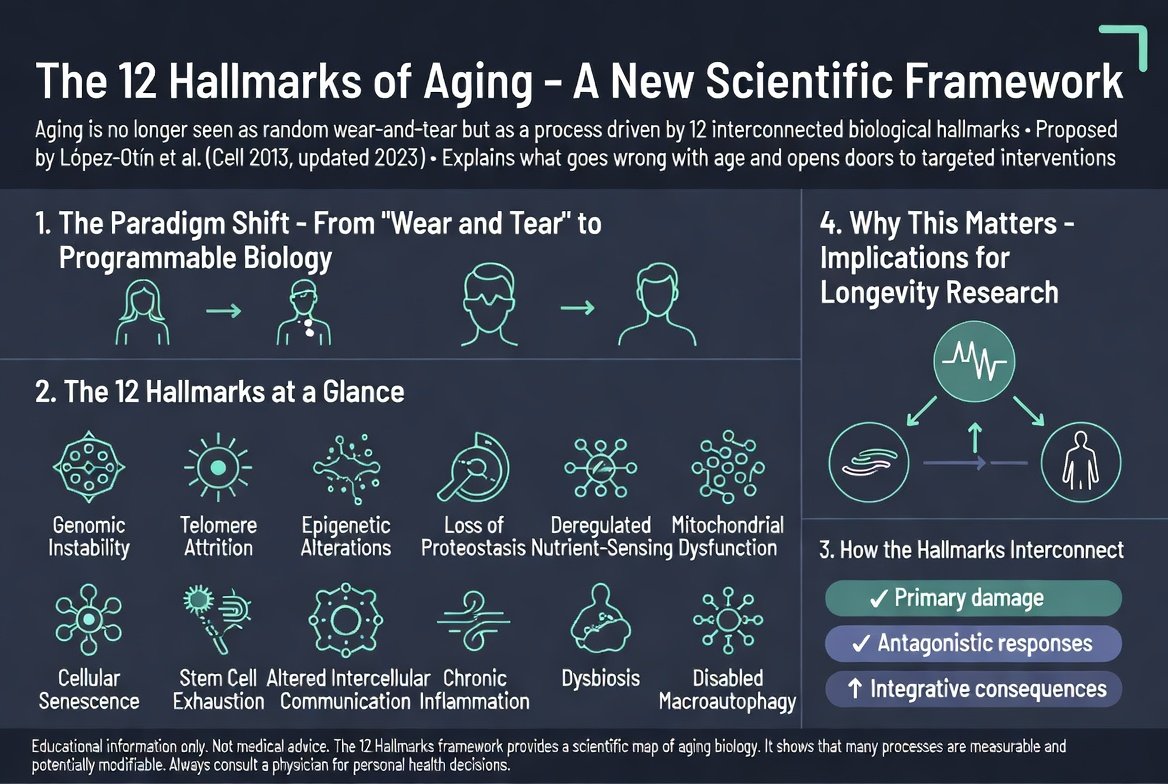
He believes that advances in the fields of nanorobotics, genetic engineering, and medicine will allow us to repair biological damage associated with aging.
Technologies that may significantly extend life
According to Kurzweil, several key technologies will lead to a biological revolution that will extend healthy life expectancy:
- Nanorobotics: Tiny nanorobots will be able to move within our bodies and repair damage at the cellular level.
- Genetic Engineering: Advanced gene editing technologies will allow us to repair genetic defects that cause disease and aging.
- Bioprinting: This technology will allow us to print new organs and tissues, replacing damaged organs and extending life expectancy.
- Brain-Computer Interfaces: Kurzweil predicts that during the 2030s, nanorobots will connect our neocortex to the cloud and allow direct access to information and artificial intelligence. He places the theoretical possibility of uploading consciousness to a computer primarily in the 2030s, and the full merger of the human brain with artificial intelligence in the cloud ("the Singularity") around 2045. These are separate timelines from the longevity escape velocity estimate for 2029.
Criticism of Kurzweil's Prediction
Kurzweil's prediction has faced much criticism from scientists and other critics. Many argue that the technologies he describes are not advanced enough to significantly extend life within a few years, and that he underestimates the risks and obstacles associated with these technologies. Others note that his past predictions regarding timelines have not always materialized on schedule.
In Summary
The question of whether we will reach longevity escape velocity around 2029 remains open.
It is possible that Kurzweil's prediction is too optimistic, but it is also possible that the direction is correct. Even if the timelines shift, progress in aging research is real, and every year of healthy life we gain brings us closer to the next breakthroughs. Only time will tell.
.
References:






💬 Comments (0)
Be the first to comment on the article.