The fear of Alzheimer's and dementia is one of the deepest fears we have about aging. Not remembering grandchildren's names, losing the ability to function, becoming a burden on the people we love. This is a real and understandable fear, and almost all of us have a family member or acquaintance who has experienced it up close. Therefore, it is important to start with the good news, because there is such news, and it is scientifically based: A large part of the risk for dementia is in our hands.
In 2024, a committee of experts published a comprehensive report in the prestigious scientific journal The Lancet, which has become one of the most important milestones in the field. Its main conclusion is empowering: About 45% of dementia cases worldwide are linked to 14 modifiable risk factors. This does not mean Alzheimer's can be prevented 100%, and certainly there is no promise here, but it does mean that almost half of the cases, at the population level, are linked to things we can influence. In this guide, we will do something that is not always done: we will talk about preventing Alzheimer's with complete honesty, without fear-mongering and without false promises. We will see what truly lowers risk, what only helps in a state of deficiency, and what is simply inflated and sold to you in headlines.
What is Alzheimer's and Dementia, and the Real Role of Genetics
Before diving in, it is worth clarifying the terms, as they are often confused:
- Dementia is an umbrella term for a significant and progressive decline in cognitive abilities (memory, thinking, judgment, language) that impairs daily functioning. It is not one disease, but a syndrome that can stem from various causes.
- Alzheimer's disease is the most common cause of dementia (about 60-70% of cases), characterized by the accumulation of damaged proteins in the brain (beta-amyloid plaques and tau protein tangles) that damage nerve cells.
- Vascular dementia is the second most common cause, resulting from damage to the brain's blood vessels. Here, heart and blood vessel health is directly linked to brain health, and this is one reason why so many risk factors overlap with cardiovascular risk factors.
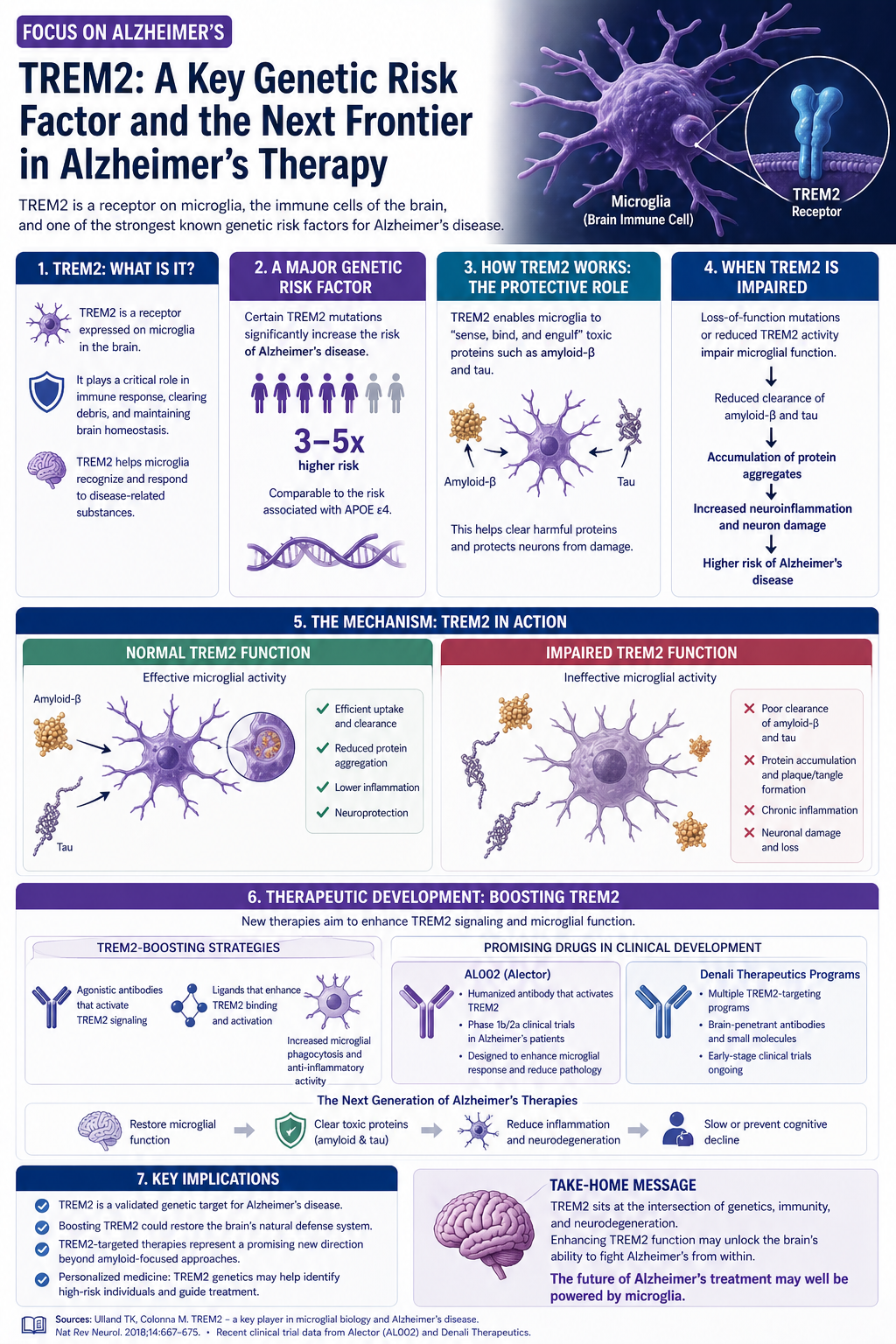
And what about genetics? This is one of the most charged questions, and it must be answered honestly. There is indeed a genetic component, the most well-known being the APOE gene, particularly the APOE4 variant. Carrying one copy of APOE4 increases risk, and two copies increase it further. But here is the important point: Genetics is not destiny. Most people who carry APOE4 will not necessarily develop Alzheimer's, and many who develop it do not carry it at all. Genes load the gun, but lifestyle is usually what pulls (or doesn't pull) the trigger. This is precisely why modifiable risk factors are so important, especially for those who know they have a genetic predisposition.
The 14 Risk Factors of the 2024 Lancet Commission, in Simple Terms
The 2024 report organized the risk factors according to the life stages where they have the most impact. Here they are, simply put:
Early Life (up to age 18)
- Low education: Additional years of schooling build "cognitive reserve," a kind of safety cushion that allows the brain to better cope with damage later in life.
Midlife (ages 18-65)
- Hearing loss: One of the most significant factors, and often overlooked.
- High LDL cholesterol: A new factor added in the 2024 report.
- Depression.
- Head injuries (traumatic brain injury).
- Physical inactivity.
- Diabetes.
- Smoking.
- Hypertension.
- Obesity.
- Excessive alcohol consumption.
Later Life (over age 65)
- Social isolation.
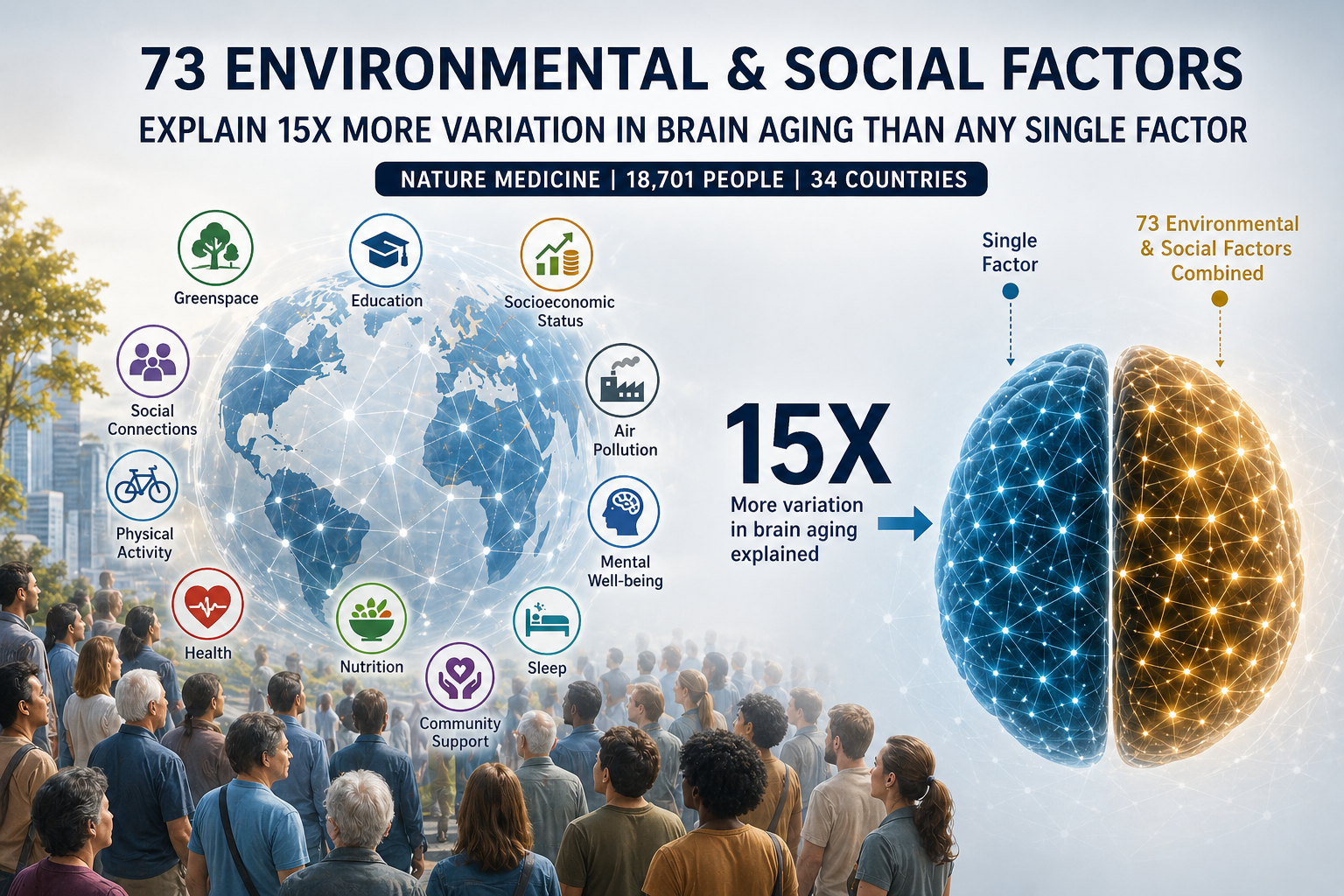
- Air pollution.
- Vision loss: Also a new factor added in the 2024 report.
The deep message here is that preventing Alzheimer's is a lifelong task, not just after age 60. What we do at ages 40 and 50 affects our brain decades later. Now we will move from the list to what is truly worth doing.
The Strongest Levers (🟢) Proven to Lower Risk
These are the interventions with the best evidence and the best effort-to-benefit ratio. They are not as exciting as a "miracle drug," but they are the ones that actually work:
Physical Activity: Lever Number One
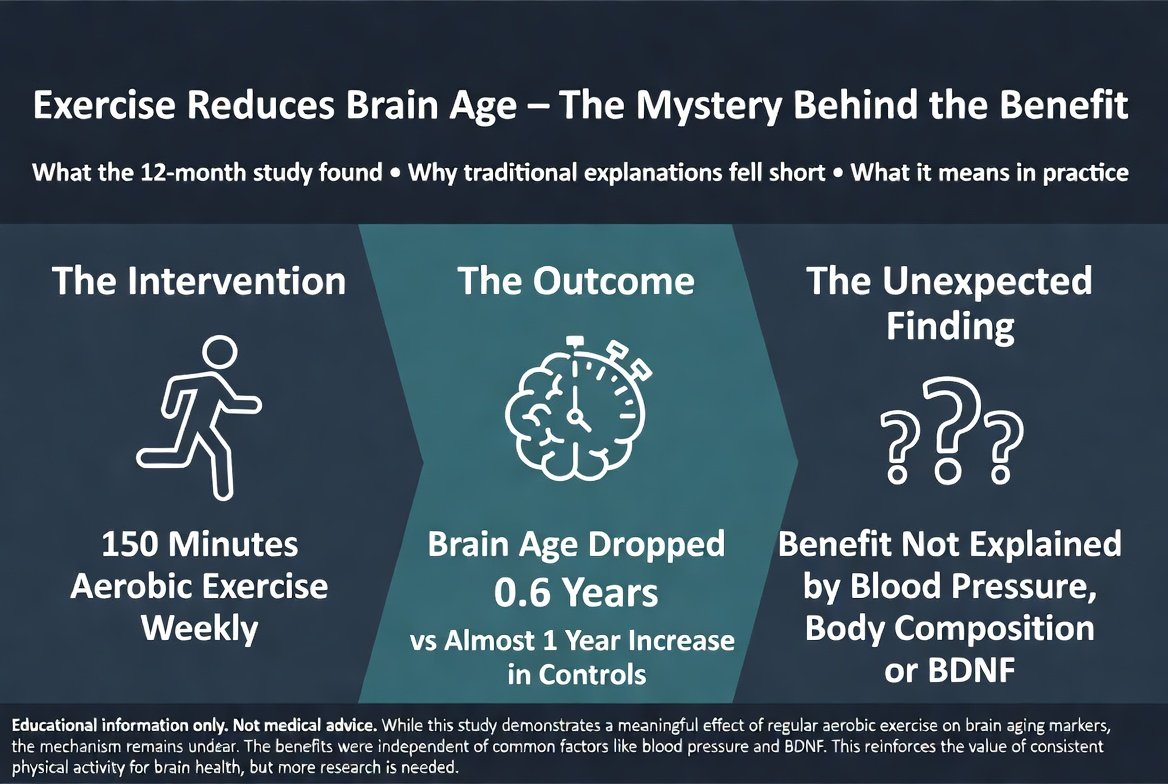
If you had to choose one thing, it is physical activity. Regular movement improves blood flow to the brain, reduces inflammation, improves insulin sensitivity, and stimulates the production of factors that nourish nerve cells (like BDNF). The winning combination is aerobic exercise (brisk walking, swimming, cycling) along with strength training. You can build a tailored program in our training program. The simple rule: move more, sit less.
Blood Pressure Control
Hypertension in midlife is one of the strongest risk factors for dementia, especially the vascular type. Blood pressure control is likely one of the most effective ways to protect the brain. This means knowing your values and treating them through diet, activity, and if necessary, medication under a doctor's guidance. What is good for the heart is good for the brain.
Hearing and Hearing Aids
This is perhaps the biggest surprise on the list. Untreated hearing loss significantly increases the risk of dementia, likely through increased cognitive load, social isolation, and less stimulation for the brain. The good news: studies indicate that treating hearing loss, including using hearing aids, may lower the risk in those at high risk. If your hearing has declined, a hearing test and appropriate device are a simple and high-value step.
Not Smoking
Smoking damages blood vessels throughout the body, including those that supply blood to the brain. Quitting smoking, at any age, lowers the risk. It is never too late.
Managing Diabetes and Metabolic Health
Type 2 diabetes is linked to an increased risk of dementia, so much so that some call Alzheimer's "type 3 diabetes." Maintaining balanced blood sugar levels and good insulin sensitivity also protects the brain. This connects directly to diet and physical activity.
Quality Sleep
Sleep is not a luxury but maintenance for the brain. During deep sleep, the brain "flushes out" protein waste, including beta-amyloid, the protein that accumulates in Alzheimer's. Chronic poor sleep has been linked to increased accumulation of this protein. Maintaining regular, quality sleep hours is an essential part of long-term brain protection.
A Brain-Protective Lifestyle: Social Connection, Learning, Diet, and Mood
Beyond the physiological levers, there is a whole layer of lifestyle that nourishes the brain and builds resilience:
Social Connections
Social isolation is a recognized risk factor, and active social connections are protective. Conversation, meeting, belonging to a community—all these activate the brain in a rich and complex way and also provide emotional support that reduces stress and depression. Investing in relationships is an investment in the brain.
Lifelong Learning and Cognitive Stimulation
The brain loves a new challenge. Learning a language, playing an instrument, a new hobby, challenging reading—all these build the cognitive reserve we discussed. The key point is novelty and complexity: challenging the brain with unfamiliar things, not just repeating what you already master.
Mediterranean Diet and the MIND Approach
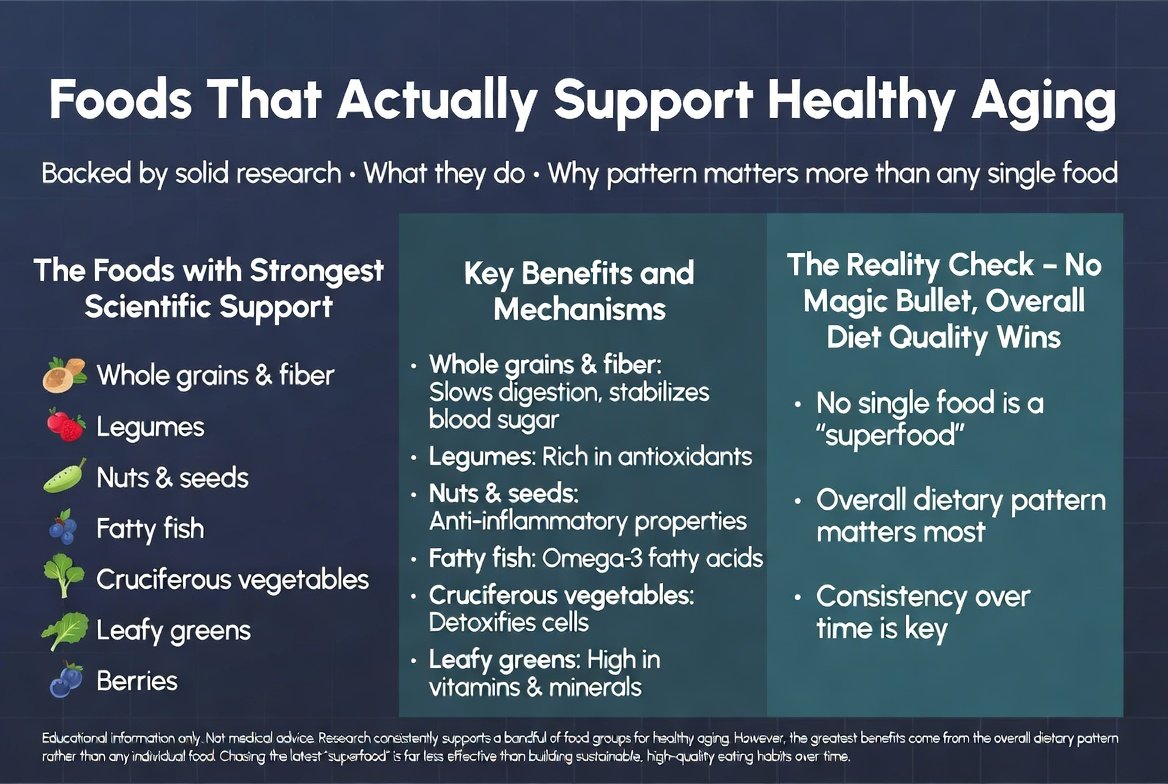
There is no single magical superfood, but there is an eating pattern with good evidence: The Mediterranean diet, and its brain-targeted version (the MIND diet), has been linked to a slower rate of cognitive decline. In general: plenty of leafy vegetables, berries, fish, nuts, olive oil, and legumes, and less processed meat, sugar, and ultra-processed food. You can delve deeper into our nutrition for longevity.
Treating Depression and Mood
Depression is both a risk factor for dementia and sometimes an early sign of it. Treating depression, whether through professional help, physical activity, or social support, is part of protecting the brain. There is no shame here, only health.
Air Quality
Air pollution, especially fine particles (PM2.5), has been linked to an increased risk of dementia. This is not always fully within our control, but exposure can be reduced: proper ventilation, avoiding strenuous activity near heavy traffic during peak pollution hours, and in very polluted areas, a home air filter.
Supplements Honestly (🟡/🔴): What Helps, and What is Just Inflated
Here, the truth must be stated plainly, even if it is less exciting: There is no supplement proven to prevent Alzheimer's. None. The "memory supplement" industry is worth billions, but the evidence behind most products is flimsy. Let's rank honestly:
- Omega-3 (🟡): Important for general health and the heart, but the evidence that it prevents dementia in healthy people is weak. It mainly helps when fish intake is low. Not harmful, but not magic.
- B Vitamins (B12, B6, Folate) (🟡): Relevant mainly in a state of deficiency or high homocysteine levels. B12 deficiency, common in older adults, can mimic cognitive symptoms, so it is worth checking and correcting a deficiency. But giving B vitamins to someone without a deficiency has not been proven to prevent dementia.
- Vitamin D (🟡): Deficiency is common among older adults, and correcting a deficiency is healthy regardless. The direct evidence for preventing dementia is limited, so the message is: it is worth checking and correcting if deficient, but do not expect a miracle.
- Ginkgo Biloba and "Memory Boosters" (🔴): This is the classic example of hype. The large GEM study, which followed over 3,000 older adults, found that Ginkgo biloba does not prevent dementia or Alzheimer's. The same goes for many other supplements marketed "for memory." They are not a substitute for the real levers.
The bottom line on supplements: They can correct nutritional deficiencies, which is important, but they do not prevent Alzheimer's and do not replace lifestyle. Anyone who wants to check which supplements are relevant for their goals (including brain health) can do so honestly in our brain supplements section, which ranks each supplement by the strength of real evidence.
What Doesn't Work, and What is Simply Inflated
Part of being honest is also saying what is not worth your time, money, or hope:
- "Brain training" apps (brain games): Most are over-promising. They may improve your performance in the game itself, but the evidence that they prevent dementia or improve general daily function is weak. Real, novel, and complex cognitive stimulation (a new language, a musical instrument, a challenging hobby) is likely far more valuable.
- No supplement prevents Alzheimer's: Worth repeating, because the market is full of promises. If a product claims to "prevent Alzheimer's" or "cure forgetfulness," that is a red flag.
- The coconut oil myth: The idea that coconut oil "cures" or prevents Alzheimer's is widespread online. There is no scientific basis for this, and coconut oil is high in saturated fat, which may actually raise LDL cholesterol, itself a risk factor.
- A single "brain pill": There is no shortcut. Any solution that promises to protect the brain with zero effort is likely also worthless.
The best evidence is actually for a combination of interventions, not a single magic bullet. The groundbreaking FINGER trial from Finland showed that a multi-domain program of diet, physical activity, cognitive training, and monitoring of vascular risk factors improved and preserved cognitive function in at-risk older adults. The lesson: not one big thing, but many right things working together.
The Bottom Line: A Practical Checklist and When to See a Doctor
To summarize everything in one sentence: There is no guaranteed prevention and no magic pill, but a large part of the risk is in our hands, and it starts long before old age. Here is the practical checklist that summarizes what really works:
- Move regularly: A combination of aerobic and strength training, most days of the week.
- Know your numbers: Blood pressure, blood sugar, and LDL cholesterol, and balance them with a doctor's guidance.
- Check your hearing: If it has declined, a hearing aid is a simple and valuable step.
- Don't smoke, and limit alcohol.
- Maintain quality, regular sleep.
- Nurture social connections and learn new things throughout life.
- Eat a Mediterranean / MIND style diet: Plenty of plants, fish, and olive oil; less processed food and sugar.
- Treat depression and mood, without shame.
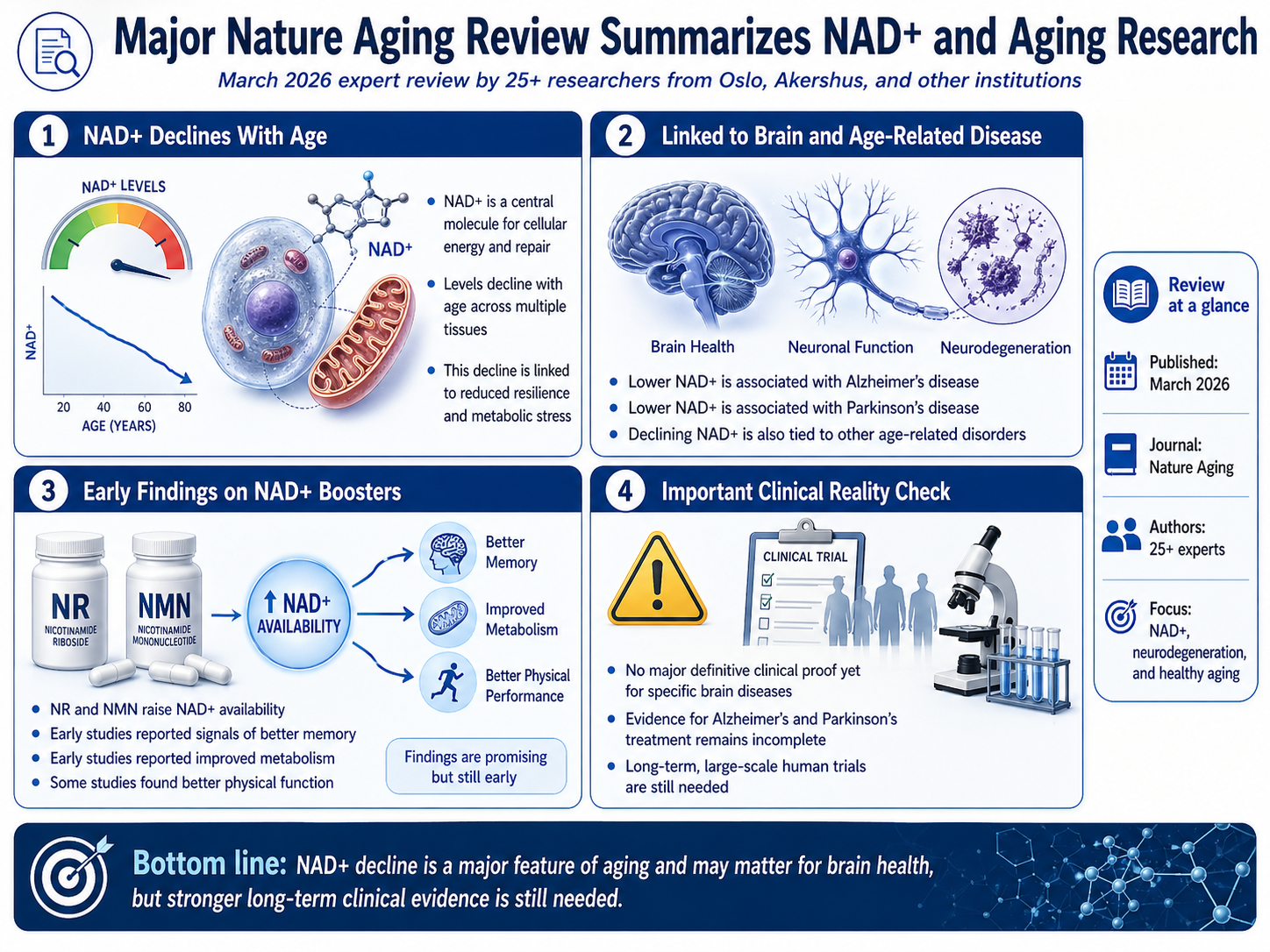
- Correct nutritional deficiencies (B12, vitamin D) through a blood test, not through "memory supplements."
When to See a Doctor About Memory Problems
Occasional mild forgetfulness is a normal part of life and aging, and you should not panic over every name you forget. But there are signs worth checking with a doctor, especially when they are progressive or impair daily function: forgetfulness that interferes with daily life, repeated difficulty with simple words, confusion about time or place, difficulty performing familiar tasks, losing items in illogical places, changes in judgment or personality, or when family members notice a change. Early diagnosis is important: sometimes the cause is something completely reversible (B12 deficiency, thyroid problem, medication side effect, depression), and in any case, early identification allows for better treatment and planning. If you are concerned about yourself or a loved one, see your family doctor. Asking for a check-up is an act of responsibility, not weakness.
In the end, protecting the brain is not built from one iron rule, but from countless small decisions that accumulate over the years: every walk, every conversation, every night of good sleep, and every check-up you did on time. This knowledge is not meant to stress you, but to give you control. Want more? We have more practical guides that help build a healthy lifestyle, step by step.
The information in this guide is general and for lifestyle and informational purposes only, and does not constitute medical advice, nor is it a substitute for consultation with a qualified physician. There is no promise of disease prevention here. If you are concerned about memory or cognitive function, yours or a loved one's, see a doctor for examination and evaluation. Changes in medication, diet, or physical activity, especially in people with underlying conditions, should be done under professional guidance.
References:
Livingston G et al., The Lancet 2024, Dementia prevention, intervention, and care: 2024 report of the Lancet standing Commission
Ngandu T et al., The Lancet 2015, A 2 year multidomain intervention (FINGER): a randomised controlled trial
DeKosky ST et al., JAMA 2008, Ginkgo biloba for Prevention of Dementia (GEM Study): a randomized controlled trial

💬 Comments (0)
Be the first to comment on the article.