A glass of milk with coffee, a bowl of ice cream in the evening, pizza with lots of cheese. Then come the bloating, gas, cramps, and sometimes diarrhea. If you recognize this scenario, you are definitely not alone. Lactose intolerance is one of the most common digestive issues in the world, and contrary to what you might think, it doesn't necessarily mean you have to give up all dairy products forever.
In this guide, we will honestly explain what lactose intolerance really is, how it differs from a milk allergy (and this is a critical difference), and how you can identify if you, personally, are reacting. Most importantly: we will show how to find your personal threshold, because most people have an amount of lactose they can actually tolerate without symptoms, and it's a shame to give up an important source of calcium and protein without reason.
What is Lactose Intolerance? A Deficiency of the Enzyme Lactase
Lactose is milk sugar, the natural sugar found in the milk of mammals. To digest it, our small intestine needs to produce an enzyme called lactase, which breaks down lactose into two simple sugars that the body can absorb. Here's the picture in brief:
- Infants produce a lot of lactase, because milk is their primary food. This makes evolutionary sense.
- In most humans, lactase production naturally decreases after weaning, in childhood or adulthood. This phenomenon is called "lactase non-persistence" and it is actually the natural and common biological state.
- When there isn't enough lactase, undigested lactose reaches the large intestine, where gut bacteria ferment it, leading to gas, bloating, and cramps.
- A small portion of the population carries a genetic variant of "lactase persistence", which allows them to continue producing the enzyme into adulthood.
And how many people are we talking about? Here we need to be precise: according to accepted estimates, about 65% to 70% of adults worldwide produce less lactase in adulthood, so lactose intolerance is actually the norm, not the exception. But there is enormous variation by ancestry: the prevalence is particularly high among people of East Asian, African, or Middle Eastern descent (sometimes over 90%), and much lower among people of Northern European descent, where the lactase persistence variant is common.
The Critical Difference: Intolerance is Not a Milk Allergy
This is the part that is most important to understand, because confusing them can be dangerous. Lactose intolerance and milk allergy are two completely different issues:
- Lactose intolerance is a digestive, enzyme-related problem. The body simply doesn't break down milk sugar properly. The symptoms are unpleasant but not life-threatening, and they are dose-dependent (how much lactose you ate).
- Milk allergy is a reaction of the immune system to milk proteins (casein and whey), not to the sugar. It can cause a real and sometimes dangerous reaction, including rash, swelling, or in severe cases, anaphylaxis. A true allergy requires a completely different medical approach.
Why is this so significant? Because the approach is different: a person with intolerance can usually enjoy a certain amount of milk or aged cheese, whereas a person with a true allergy must avoid milk protein entirely and sometimes carry an epinephrine auto-injector. If you experience rapid and severe symptoms beyond digestive discomfort, especially rash, swelling of the face or lips, or difficulty breathing, this is not "lactose," it's a warning of an allergy and you should seek immediate medical attention.
What Does Lactose Intolerance Feel Like? The Symptoms
Typical symptoms usually begin between half an hour and a few hours after eating a dairy product containing lactose, and they include:
- Abdominal bloating and an uncomfortable feeling of fullness.
- Increased gas.
- Cramps and abdominal pain.
- Diarrhea or loose stools.
- Sometimes also nausea and stomach gurgling.
Note a key point: the intensity of symptoms depends on the amount of lactose you consumed and your personal sensitivity. The same person can tolerate a small spoonful of yellow cheese well, but suffer severely from a full glass of milk. This is precisely why it's not enough to ask "am I sensitive," but you need to check how much you can tolerate, and that's what we'll do next.
How to Identify It? A Food Diary and an Elimination and Reintroduction Trial
There's no need to guess. The reliable and honest way to identify lactose intolerance, and especially to find your personal threshold, is a structured trial. Here's how to do it correctly in three steps:
Step 1: Food and Symptom Diary
Before changing anything, keep a diary for one to two weeks: write down what you ate, when, and what you felt and after how long. This helps see if there is a consistent link between dairy products and symptoms, or if the culprit is something else entirely (for example, high-fat food or another component of the meal).
Step 2: Elimination of Lactose
Remove sources of lactose from your diet for about two weeks. Mainly milk, cream, ice cream, and soft and fresh cheeses (like white cheese, cottage cheese, cream cheese, and fresh mozzarella). During this period, track your symptoms. If they subside, this is a significant clue.
Step 3: Gradual Reintroduction to Find Your Threshold, The Most Important Step
This is the step people skip, and it's a mistake. After the elimination period, reintroduce lactose gradually and in small amounts, and track. Try, for example, half a cup of milk with a meal and check for a reaction, then a larger amount. Why is this critical? Because the goal is not just to know if you are sensitive, but how much lactose you can actually tolerate without symptoms. Most people with intolerance discover they have a personal threshold above which symptoms appear, and below which everything is fine. Without the reintroduction step, you'll be left with unnecessary and total avoidance.
And for those who want an official medical test: there is a hydrogen breath test, where the amount of hydrogen in your breath is measured after drinking a dose of lactose. A high rise in hydrogen indicates that lactose was not digested and was fermented in the gut. This is the formal option, and you can request it from your doctor.
The Secret Most People Miss: You Don't Have to Give Up All Dairy
This is perhaps the best news in the guide. Most people with lactose intolerance tolerate a certain amount of lactose well, and don't have to give up all dairy products. Studies indicate that many tolerate up to about 12 grams of lactose in a single serving (roughly the amount of lactose in one glass of milk), and especially when consumed with food rather than alone on an empty stomach. Here are some practical ways to enjoy dairy even with intolerance:
- Hard and aged cheeses (like cheddar, parmesan, aged gouda) contain very little lactose, because most of it breaks down during the production and ripening process. They are usually well tolerated.
- Yogurt with live cultures is usually better tolerated than milk, because the bacteria in the yogurt help break down the lactose.
- Lactose-free dairy products (milk, cheese, and yogurt treated with the lactase enzyme) are available in every supermarket and allow you to enjoy regular dairy without the lactose.
- Lactase enzyme supplements (pills or drops) taken before a meal with dairy provide the missing enzyme and can reduce symptoms. It's worth checking what works for you.
- Spreading out consumption: a small amount of milk several times a day, rather than one large serving at once, is usually better tolerated.
The bottom line: Instead of total avoidance, look for the strategy that fits your threshold. Most people have much more room to maneuver than they think.
Don't Give Up Unnecessarily: Dairy Provides Calcium and Protein
Total avoidance of dairy "just to be safe" can come at a nutritional cost. Dairy products are an important source of several components that are hard to replace:
- Calcium, essential for bone health. Giving up dairy without a substitute increases the risk of low calcium intake and poorer bone health over time.
- High-quality protein, especially important for maintaining muscle mass with age.
- Vitamin D (in fortified products), vitamin B12, and other components.
Therefore, the rule is simple: If you do reduce dairy, make sure you get calcium from other sources, such as green leafy vegetables, tahini and almonds, fish with soft bones, and legumes, or from calcium-fortified products (including fortified plant-based beverages). If you significantly cut out dairy, it's worth consulting a dietitian to ensure you are not creating a deficiency, and to plan a balanced diet.
When to See a Doctor: An Important Health Note
This guide is general lifestyle information, and it is not a substitute for medical advice. There are situations where it is important to see a doctor and not rely on a home trial:
- Persistent or severe digestive symptoms: chronic diarrhea, blood in the stool, severe abdominal pain, or unexplained weight loss. These warrant a medical evaluation to rule out other causes such as celiac disease, inflammatory bowel disease (IBD), or infections, which are real diagnoses requiring treatment.
- Symptoms in an infant or child: The appearance of digestive issues in a toddler requires a pediatrician's check, not an independent dietary trial.
- Suspicion of a true allergy: A rapid and severe reaction such as rash, swelling of the face or lips, or difficulty breathing is an emergency. Do not do a "trial," seek immediate emergency medical care.
- If you have a chronic illness or are taking medications, consult a doctor or dietitian before making significant dietary changes.
Summary: The Honest Approach to Lactose Intolerance
So what do you take from all this? First, perspective: lactose intolerance is a common and natural phenomenon, it is not a dangerous disease, and it is definitely not a milk allergy. Second, method: the honest way to know if you are reacting, and especially how much, is a food diary and an elimination and reintroduction trial of about two weeks, not a headline from the internet.
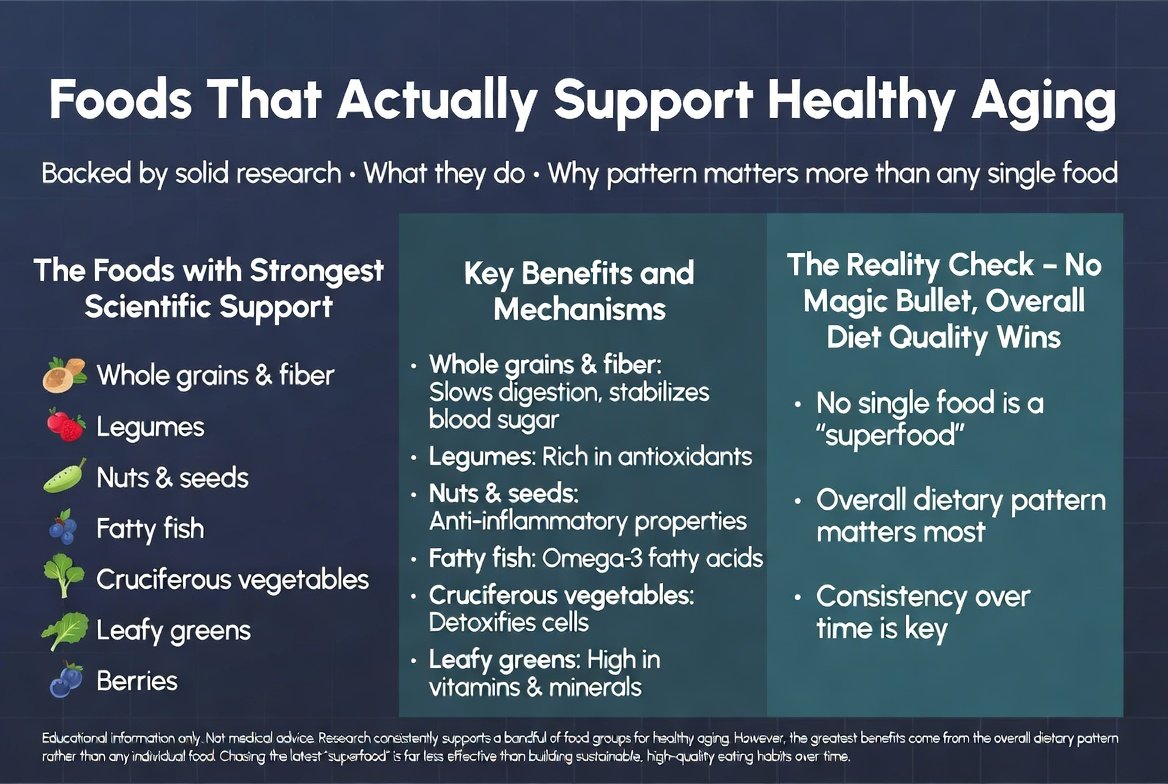
And most importantly, don't make dairy an enemy unnecessarily. Most people with intolerance can still enjoy aged cheeses, yogurt, lactose-free products, and a moderate amount of milk with food, and thus maintain an important source of calcium and protein. Total avoidance is reserved only for cases where it is truly justified. Want more practical tools for a healthy life? We have more practical guides, and if you are interested in an overall eating pattern that supports health, read about nutrition for longevity.
The information in this guide is general and for lifestyle and informational purposes only, and does not constitute medical advice or a substitute for consultation with a doctor or dietitian. In the case of persistent symptoms, suspicion of an allergy, symptoms in a child, or a diagnosed illness, consult a professional.
References:
Lactose Intolerance, StatPearls (NCBI Bookshelf)
Lactose intolerance: What can lactose-intolerant people eat? InformedHealth.org (NCBI Bookshelf)


💬 Comments (0)
Be the first to comment on the article.