The heart is a muscle that beats about 100,000 times a day, pumps over 7,000 liters of blood, and never takes a day off throughout life. It's easy to take it for granted, until the moment something goes wrong. But contrary to the common image of heart disease as 'fate' or a genetic matter, science tells a much more encouraging story: most cardiac risk is within our control.
In 2004, cardiologist Salim Yusuf and his team published the INTERHEART study in The Lancet. They examined over 29,000 people in 52 countries, from every continent and ethnic group, comparing people who had a heart attack with healthy individuals. The result was resounding: about 90% of the risk of a heart attack was explained by nine factors, the vast majority of which are modifiable. The factors are the same in men and women, rich and poor, in every corner of the world. The simple conclusion: your lifestyle habits are the most powerful lever you have over heart health.
This guide outlines the practical steps, roughly ordered by strength of evidence, that support a healthy heart over the years. This is general lifestyle information, not medical advice. If you have risk factors, existing disease, or take medications, any significant change should be made under a doctor's supervision.
Why Most Risk is Modifiable
Cardiovascular disease is still the number one cause of death worldwide, but that doesn't mean it's unavoidable. The factors identified by the INTERHEART study fall into two categories: those you can't change, like age and heredity, and those you can. The list you can change is much longer and more significant:
- Smoking, perhaps the single most powerful factor dependent on us.
- Blood lipids, mainly an abnormal cholesterol ratio.
- High blood pressure, the 'silent killer'.
- Diabetes and high blood sugar.
- Abdominal obesity, large waist circumference.
- Physical inactivity.
- Poor diet, few vegetables and fruits, lots of processed food.
- Unbalanced alcohol consumption.
- Chronic mental stress and depression.
The good news: almost every one of them responds to behavioral change. Now for the steps themselves.
The Practical Steps, in Order
-
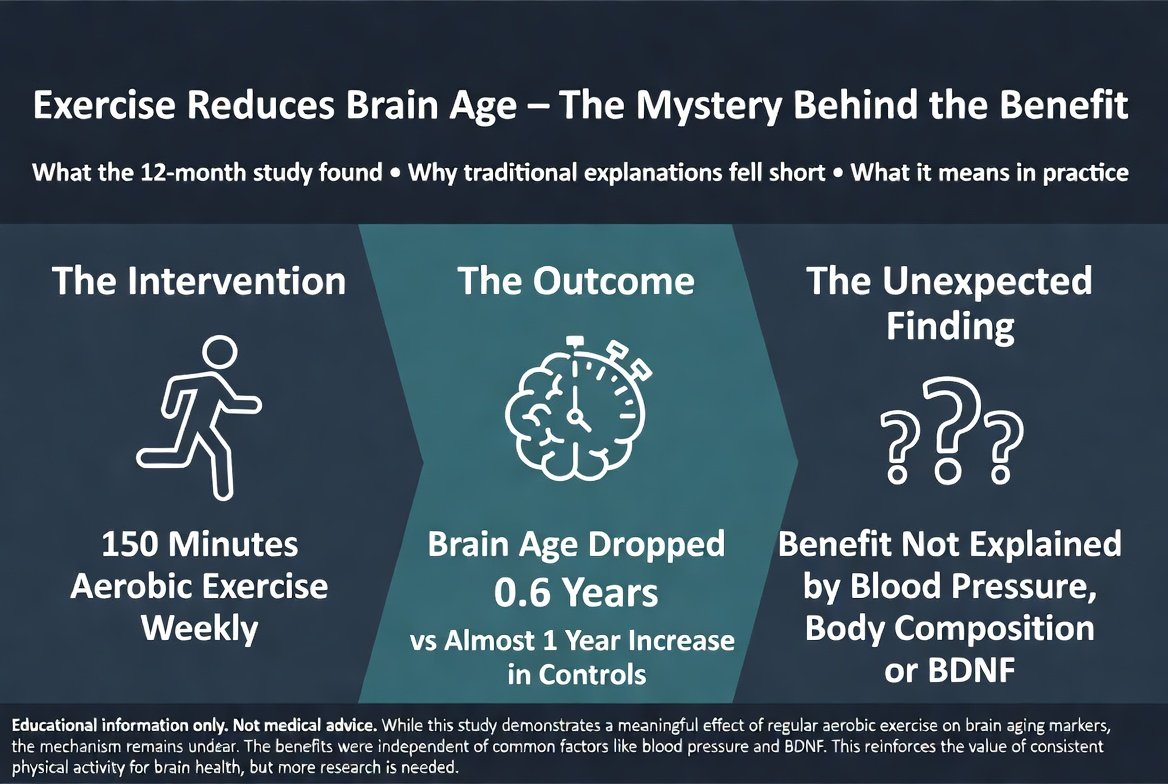
Move every day, even a little. Physical activity is perhaps the best investment for the heart. A massive meta-analysis published in the British Journal of Sports Medicine in 2023, which pooled data from 94 cohorts and over 30 million participants, showed that achieving 150 minutes of moderate aerobic activity per week reduces the risk of heart disease by about 29% and all-cause mortality by about 31%. Even better news: most of the benefit is already gained in the first half of this target. Even those who move a little benefit. Combine aerobic activity (brisk walking, swimming, cycling) with strength training twice a week, which helps maintain muscle mass, insulin sensitivity, and blood pressure. Want a structured framework? Build a tailored training program.
-
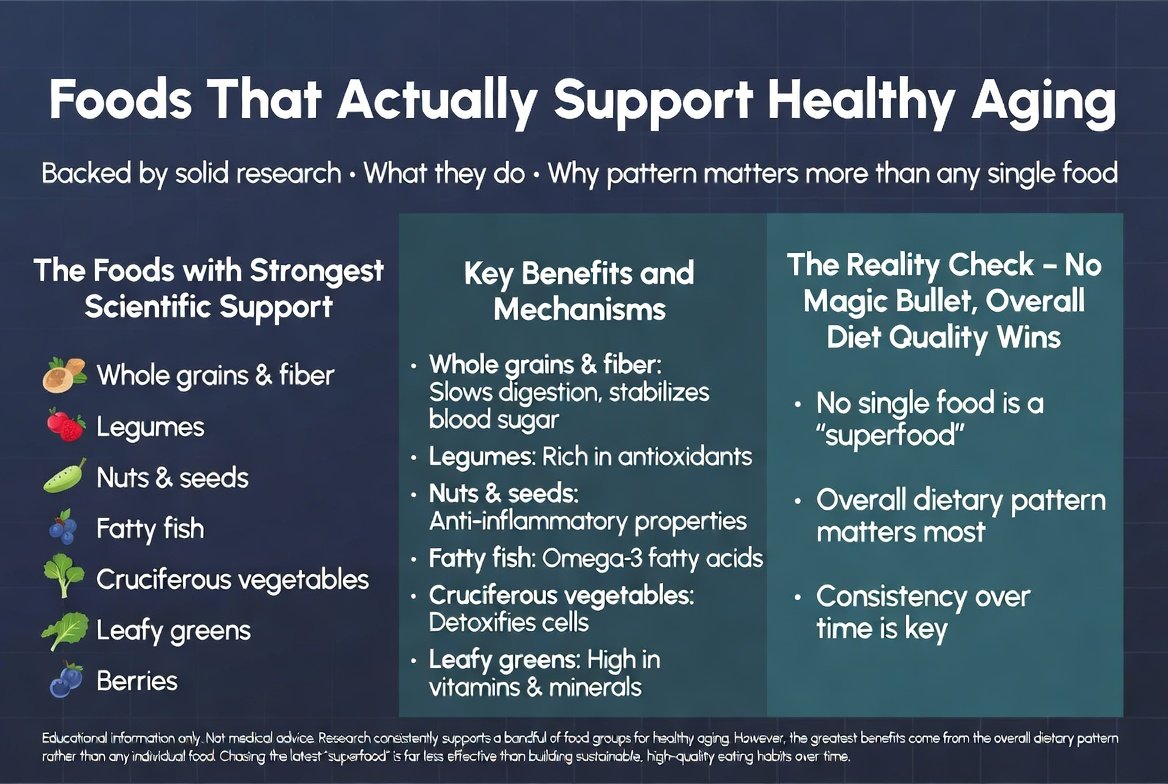
Eat in a Mediterranean style. This is the diet with the strongest evidence for the heart. The Spanish PREDIMED study, republished in the New England Journal of Medicine in 2018, followed about 7,400 people at high cardiac risk. Those assigned to a Mediterranean diet enriched with extra virgin olive oil or nuts suffered fewer major cardiac events, heart attacks, strokes, and cardiac death compared to the control group. In practice, this means: lots of vegetables, legumes, whole grains, nuts, and olive oil; fish several times a week; less red meat, processed meat, and sugar. Nutrition for longevity summarizes the principles without fad diets.
-
Don't smoke, and if you do, quit. Smoking damages blood vessel walls, raises blood pressure, and accelerates plaque formation. It is one of the strongest factors in the INTERHEART study. The good news: cardiac risk drops rapidly after quitting, with a significant portion decreasing within one to two years. There is no 'safe' level of smoking for the heart. Also avoid secondhand smoke.
-
Maintain a healthy weight and waist circumference. Abdominal fat is not just an aesthetic issue; it is an active tissue that secretes inflammatory substances and raises blood pressure, blood sugar, and cholesterol. A common rule of thumb: a waist circumference below 94 cm in men and below 80 cm in women reduces risk. A moderate weight loss of 5% to 10% already improves blood pressure, blood sugar, and blood lipids.
-
Know and manage your numbers. This is the step people skip, and it's critical. More on this below.
-
Reduce salt and alcohol. Excess salt (sodium) raises blood pressure, and most of our sodium comes from processed food, not the saltshaker. The World Health Organization recommends less than 5 grams of salt per day (a teaspoon). Regarding alcohol, the current recommendation is simple: less is always better for the heart. The old story about 'a glass of wine protecting the heart' has been greatly weakened by new studies. If you don't drink, there's no reason to start.
-
Sleep enough and with good quality. Chronically short or disrupted sleep is linked to high blood pressure, obesity, and diabetes. Aim for 7 to 9 hours of sleep most nights, with consistent bedtimes. Loud snoring with breathing pauses (sleep apnea) is a reason for a medical checkup; it directly strains the heart.
-
Manage mental stress. Chronic stress and depression were among the nine factors in INTERHEART, not by chance. Ongoing stress raises stress hormones, blood pressure, and inflammation. You don't need perfect meditation; regular physical activity, social connections, good sleep, and real rest time are enough to reduce the burden on the heart.
Know Your Numbers, This is the Step That Saves Lives
The three most powerful cardiac factors—blood pressure, cholesterol, and blood sugar—are called 'silent killers' for a good reason: you can live with them for years without any symptoms, while they silently damage blood vessels. The only way to know is to measure.
Blood Pressure
High blood pressure is one of the most treatable factors with the greatest impact. The SPRINT study, published in the New England Journal of Medicine in 2015 and following 9,361 people, showed that intensive lowering of systolic pressure to below 120 reduced major cardiac events by about 25% and all-cause mortality by about 27%, compared to the standard target. A 'normal' value is generally considered around 120/80, but your personal target should be set with your doctor. Measure at least once a year, and more frequently if values are borderline.
Cholesterol, Especially LDL
LDL, the 'bad cholesterol', is a key driver of plaque formation in arteries. A high value is usually completely symptom-free. A simple blood test (lipid profile) reveals it. The lower the LDL, the lower the cardiac risk, and the exact target depends on your overall risk level, which only a doctor can assess.
Blood Sugar
Diabetes roughly doubles cardiac risk, and even prediabetes (borderline high blood sugar) increases it. A fasting blood sugar test or glycated hemoglobin (HbA1c) detects the problem early, when much can still be corrected through diet, activity, and weight.
The bottom line: ask your doctor for routine tests of blood pressure, lipids, and blood sugar. You can't manage what you don't measure, and these three are the dashboard of your heart.
When to See a Doctor
Part of this guide deals with long-term prevention, but it's important to distinguish between a chronic condition and an emergency.
Emergency, Call Emergency Services Immediately
The following signs may indicate a heart attack and require an immediate call to emergency services (101 in Israel), not self-driving and not 'wait and see':
- Pain, pressure, tightness, or burning in the center of the chest, which may radiate to the arm, jaw, neck, or back.
- Sudden shortness of breath, with or without chest pain.
- Cold sweat, nausea, dizziness, or sudden weakness, especially together with the above symptoms.
In women and diabetics, symptoms can be less 'classic'—extreme fatigue, nausea, or vague chest discomfort. When in doubt, it's always better to check. During a heart attack, every minute of delay costs heart tissue.
Routine Checkups, Even Without Symptoms
Even when you feel fine, it's advisable to schedule a periodic checkup with your family doctor for blood pressure, lipid profile, and blood sugar, and to discuss your personal risk factors (including family history). Those who have risk factors or recurring symptoms during exertion, such as chest pain or shortness of breath that appear when walking and ease with rest, need a planned doctor's visit—not urgent, but not delayed either.
The Broader Perspective
If there is one message to take from cardiac science, it is this: the heart doesn't break down in one day, and therefore it doesn't get stronger in one day either. Every small step—half an hour of walking, a Mediterranean meal, a good night's sleep, a routine blood pressure measurement—accumulates over years into real protection.
The INTERHEART study taught us that about 90% of the risk is in our hands. This is not a promise that no one will ever get sick; genetics and luck exist. But it is a reminder that the most powerful lever for heart health is not a miracle drug or an expensive device, but a sequence of simple daily choices. Know your numbers, move, eat well, don't smoke, and stay in touch with your doctor. This is not a complicated formula; it just requires consistency.
Want to continue? More practical guides await you.
References:
Yusuf S et al. (2004) Effect of potentially modifiable risk factors associated with myocardial infarction in 52 countries (INTERHEART), The Lancet
Estruch R et al. (2018) Primary Prevention of Cardiovascular Disease with a Mediterranean Diet (PREDIMED), New England Journal of Medicine
SPRINT Research Group (2015) A Randomized Trial of Intensive versus Standard Blood-Pressure Control, New England Journal of Medicine


💬 Comments (0)
Be the first to comment on the article.