What are "Blue Zones"?
"Blue zones" are five regions in the world where an exceptionally high concentration of people living past the age of 100 has been documented, relative to the rest of the world.
The term was coined following the work of researchers and author Dan Buettner, who sought to identify what the residents of these areas have in common.
The Blue Zones:
- Sardinia, Italy
- Ikaria, Greece
- Okinawa, Japan
- Nicoya Peninsula, Costa Rica
- Loma Linda, California, United States
Lifestyle in the Blue Zones:
Many studies have attempted to identify the possible factors for longevity in these areas.
It was found that residents of the blue zones share several common characteristics:
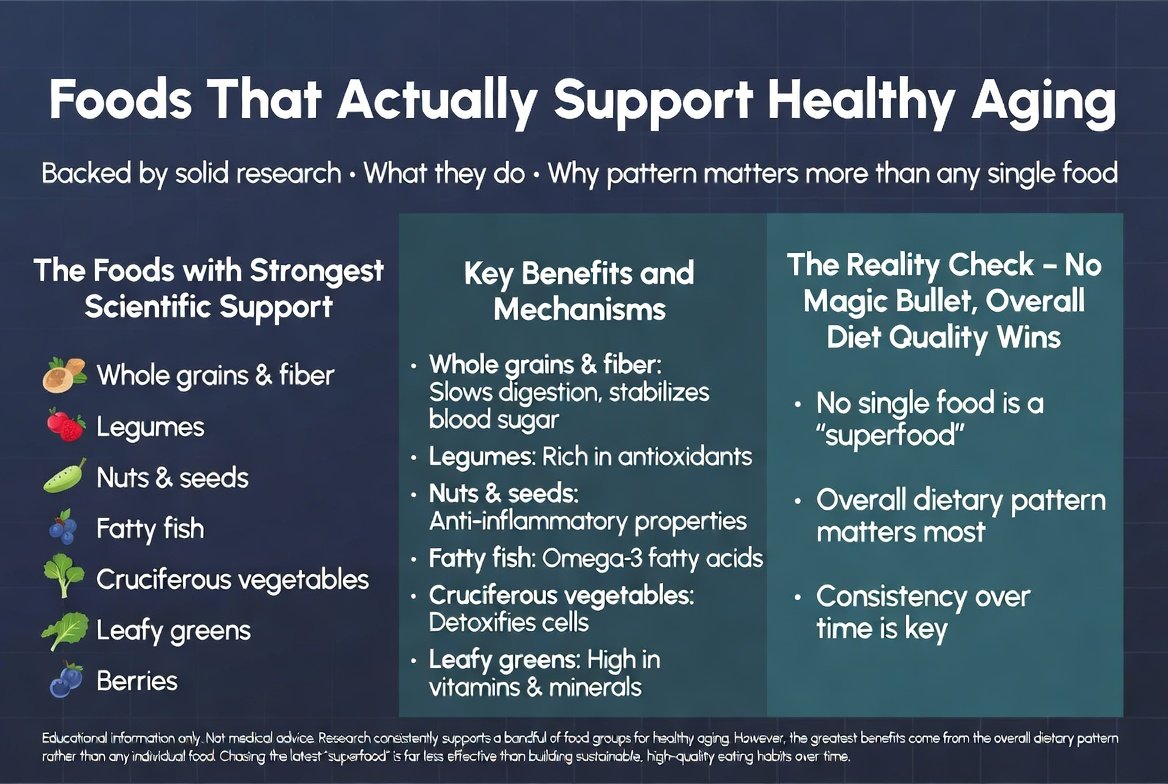
- Mostly Plant-Based Diet: A diet that is about 95% plant-based, rich in legumes, vegetables, fruits, and whole grains. Meat consumption is low.
- Physical Activity: Moderate physical activity as a natural part of the daily routine, such as walking, gardening, or housework, rather than deliberate workouts.
- Strong Community Life: Close social ties and family support.
- Sense of Purpose: A sense of purpose in life and a meaningful role in the community.
- Supportive Environment: A physical and social environment that naturally encourages a healthy lifestyle.
Additional Factors That May Contribute:
- Rural and Modest Lifestyle: Contrary to popular belief, most blue zones are not affluent areas. Nicoya, traditional Sardinia, and old Okinawa are rural, modest, and sometimes even low-income areas. Longevity there was observed despite limited means, not because of a high standard of living. It is possible that a slower pace of life, less processed food, and late, gradual modernization are part of the picture.
- Access to Basic Medical Care: In some areas, like Nicoya in Costa Rica, there is access to an accessible public health system, which may contribute to disease management. However, this is one factor among many and not a central explanation.
- Environmental Influences: Environmental factors like climate, clean air, and rural terrain may also play a role.
Important to Know: There is Scientific Debate on Data Reliability
In recent years, significant criticism has emerged regarding the blue zone phenomenon.
Researcher Dr. Saul Newman from UCL won the 2024 Ig Nobel Prize (a satirical award for scientific work) for a study arguing that a substantial portion of the centenarian count in blue zones may be inflated: due to poor birth records, clerical errors, and pension fraud (people registered as alive but deceased). He pointed, among other things, to data corrections that significantly reduced the long-lived population in Nicoya.
On the other hand, Dan Buettner's research team defends the method, claiming that the zones they identified underwent rigorous age verification using certificates and documents.
The bottom line: It is advisable to view the data with caution, but the criticism does not negate the principle that a healthy lifestyle is linked to better long-term health.
Additional Observed Characteristics:
- Residents of blue zones tend to sleep relatively many hours (7-8 hours a night).
- They tend to consume a moderate amount of calories. In Okinawa, the rule "Hara Hachi Bu" is common, meaning to stop eating when feeling about 80% full.
- In some Mediterranean areas (Sardinia and Ikaria), it is customary to drink a little red wine moderately and socially. In contrast, in Loma Linda, whose residents are Seventh-day Adventists, alcohol is completely avoided. That is, there is no uniform "wine rule," and the health impact of wine is based on observational studies and is increasingly controversial.
The Connection Between Lifestyle and Longevity:
Studies in blue zones indicate a correlation between a healthy lifestyle and longevity.
Residents of these areas demonstrate an active lifestyle, both physically and socially.
It is important to emphasize that this is a correlation and not necessarily proven causation: it cannot be concluded from observations alone that any specific habit is what extends life. However, many of these habits are also supported by separate studies on health and nutrition.
What About Genetics?
Genetic factors may also contribute to longevity, and some researchers believe that residents of certain areas have a specific genetic predisposition.
However, the prevailing assessment (including by Dan Buettner) is that the main weight is on lifestyle and environment, with only a smaller part due to genetics. In other words, most of the observed factors are ones that can be influenced.
Can the "Blue Zone" Lifestyle Be Adopted?
To a large extent, yes.
Even if the age data is disputed, most of the observed habits are healthy and well-established habits that can be implemented in our own lives.
Tips for Adopting a Healthy Lifestyle:
- Eat a More Plant-Based Diet: Consume more legumes, vegetables, fruits, and whole grains. Reduce meat and processed food intake.
- Be Physically Active: Incorporate moderate movement into your daily routine, such as walking, gardening, or cycling.
- Cultivate Social Connections: Maintain close relationships with family and friends.
- Find a Sense of Purpose: Volunteer, engage in hobbies, or find another way to feel you have a meaningful role in life.
- Create a Supportive Environment: Surround yourself with people who support your healthy lifestyle.
- Get Enough Sleep: Aim for 7-8 hours of sleep per night.
- Eat in Moderation: Eat according to need and not beyond, in the spirit of Okinawa's 80% rule.
It is important to remember: The information in this article is for general and educational purposes only and does not constitute medical advice. Before making significant changes to your lifestyle or diet, it is recommended to consult a professional.





💬 Comments (0)
Be the first to comment on the article.