When a country decides that the semiconductor industry is a national asset, we understand the step. When a country decides that artificial intelligence is a critical area for national security, that is also clear. But what happens when a country decides that aging itself is a strategic challenge, on the level of weapons systems or energy imports? This is exactly the direction South Korea turned to this week.
On May 13, 2026, the Seoul Economic Daily reported that South Korea is advancing a national initiative on an unprecedented scale, aimed at extending healthy life expectancy and restoring the body's recovery capacity in the aging population. The project's English name is K-Reverse Aging Total Solution Development, and it is led by the Korea Research Institute of Bioscience and Biotechnology (KRIBB) through its Aging Research Institute, which opened in September 2025 and is headed by researcher Oh Doo-byong. The set target is an official launch in 2027. This is not the publication of a single study, but the construction of a multi-year national research program.
The background is not technological; it is demographic. South Korea is one of the fastest-aging countries in the world. In 2025, it crossed the statistical threshold of a super-aged society: more than 20% of the population is 65 and older (about 21%, on the order of 10.8 million people). The birth rate remains among the lowest in the world, around 0.75 per woman in 2024 (with a slight recovery since the 2023 low). The conclusion in Seoul was simple: It is impossible to save the pension system, health insurance, and workforce if we only manage aging. We must try to change the aging process itself.
What exactly is a national anti-aging project?
According to the report, the project's focus is one concept: BioResilience, meaning the body's biological recovery capacity. The idea is that with age, the body loses its ability to bounce back after shock, infection, surgery, or a fall, and the goal is to restore this recovery capacity so that older adults return to function quickly and in good condition.
The project defines healthy longevity (healthspan), not lifespan, as the primary goal. In other words, the goal is not for citizens to live two more years in a wheelchair, but to live additional years independently, active, and healthy. The report points to the pain point driving the entire initiative: the gap in Korea between life expectancy and healthy life expectancy stands at about 18 years. That is, the average Korean lives almost two decades with illness or disability at the end of life. Closing this gap is the heart of the project.
Mechanism: How does a national project even approach aging?
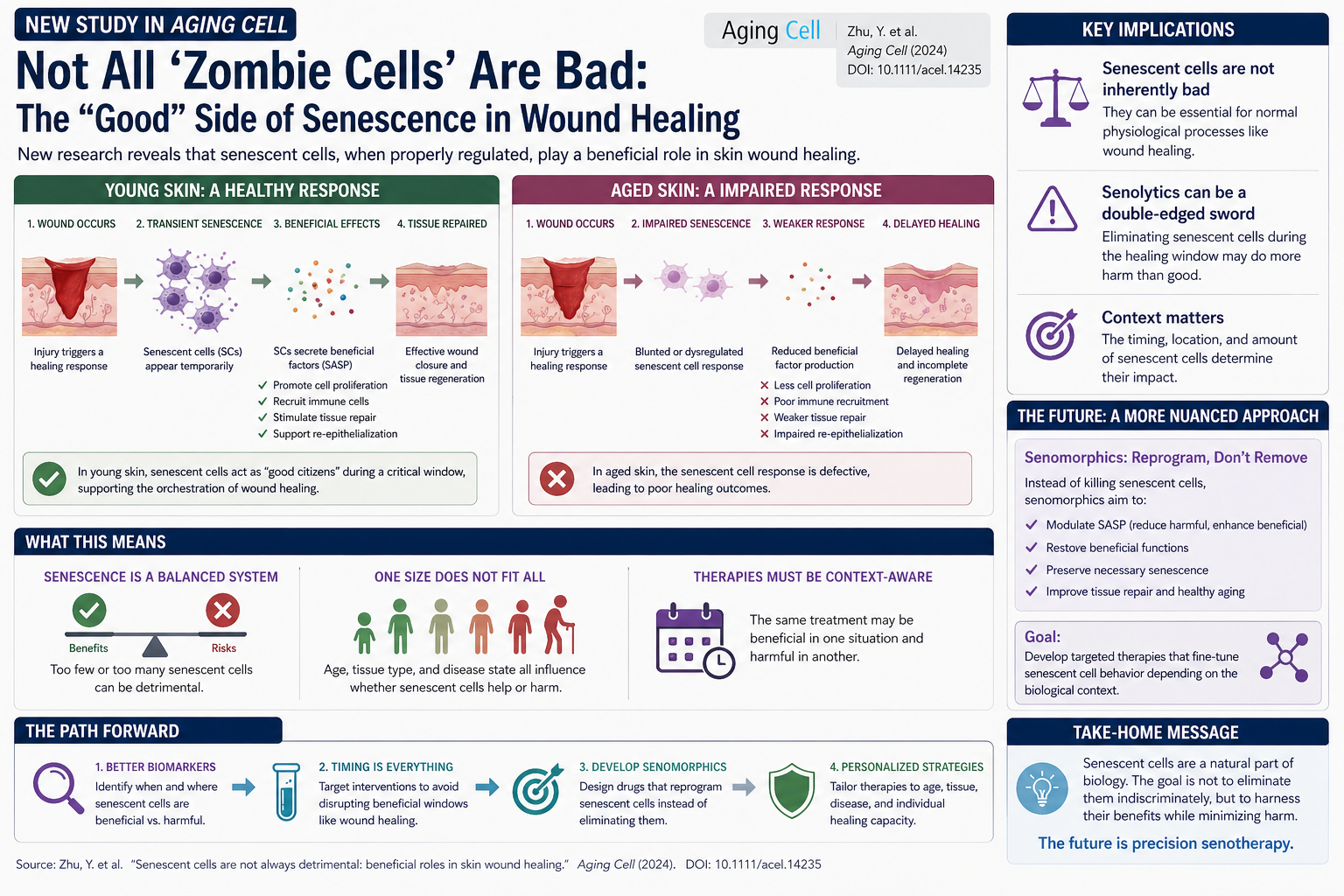
Aging is not a single disease. It is a bundle of parallel processes: chronic low-grade inflammation (inflammaging), accumulation of zombie cells (senescent cells), DNA damage, decline in mitochondrial function, telomere shortening, impaired intercellular communication, and more. Until today, the medical system treated the outcomes: diabetes, Alzheimer's, cancer, osteoporosis. The approach behind the Korean project offers a paradigm shift, focusing on the common root and not just individual diseases.
According to the report, the project builds this approach around three axes integrated into a single framework:
- Immunity, the immune system's ability to respond and recover, which weakens with age.
- Metabolism, the energy and metabolic balance that goes awry in aging.
- Exercise, muscular and physical function that serves as an anchor for functional independence.
A central tool the project relies on is artificial intelligence: according to the report, dedicated and lightweight AI-based models are planned as research tools to help process and connect these three axes.
K-BRI: The Biological Recovery Index
One of the concrete components the report mentions is the development of an index called K-BRI (Korean BioResilience Index), a kind of 'report card' for the body's recovery capacity. The index is supposed to give a numerical value to the speed at which a person recovers after infection, surgery, or a fall. If such an index can quantify recovery, it could become a national monitoring tool and a reference point for research, similar to how epigenetic clocks attempt to quantify biological age.
It is important to clarify: the report focuses on the project name, the leading body, the timeline, the healthspan goal, the three axes, the AI, and the K-BRI index. It does not detail the budget, number of clinical trials, numerical targets for 2030 or 2040, or a list of partner universities and companies. Any attempt to impose such a structure on the project at this stage would be speculation, not reporting.
Why Korea, and why now?
Korea appears as an extreme case of a global trend. The combination of a population aging at a record pace, one of the lowest birth rates in the world, and an advanced biomedical research system creates both pressure and the capacity to act. When demographics press so hard, even a 'science-fiction' idea like directly attacking aging becomes a legitimate political conversation.
The establishment of a dedicated Aging Research Institute within KRIBB in September 2025, and the definition of a national project with a name, goal, and timeline for 2027, are signs that Korea treats healthspan not as a marginal academic topic but as a national priority. This is precisely the nuance that makes this step interesting: not necessarily a new scientific breakthrough, but a political declaration that healthy aging is a strategic goal.
What about Japan, Singapore, China, the US, and the EU?
The Korean step is not isolated. It is part of a quiet global race that is gaining momentum, though each country approaches it differently:
- Japan continues to invest heavily in stem cells (especially iPS, Yamanaka factors) and research institutes like RIKEN, mainly in basic research.
- Singapore established a dedicated center for healthy longevity at NUS with government funding, and there is notable government interest in aging health.
- China is pouring significant research and private capital into the longevity field, albeit with lower transparency.
- The European Union funds aging research through framework programs like Horizon Europe, but in a decentralized manner among member states.
- The US leaves the private sector to lead: Altos Labs, Calico, Retro Biosciences, and invests publicly through the National Institute on Aging, without a unified national program.
Against this backdrop, a defined national project with a name and explicit healthspan goal is a step that draws attention. It frames aging as a direct policy goal, not just a challenge managed indirectly through disease treatment.
The critical side: What could go wrong?
A project of this scale also poses risks, not just promises. It is worth noting them.
- Hype precedes science. The name 'anti-aging' could be interpreted by the public as an immediate solution, rather than a long-term research infrastructure still in its early stages. Public disappointment could harm funding and trust.
- The path from idea to outcome is long. Between defining a project and a target for 2027 and proving that an intervention extends healthspan in humans, there is a vast gap of years, trials, and uncertainty.
- Inequality in access. If and when tools or treatments are developed, who will benefit? Without universal pathways, the benefit could concentrate among those who can pay.
- Memory of shortcuts. Korea still echoes the 2005 stem cell scandal (the Hwang Woo-suk affair), a reminder that pressure for quick achievements in science can lead to ethical and scientific failures. Any future regulatory acceleration must guard against this trap.
- Untreated demographics. Even if healthspan is extended, this alone will not solve the birth rate crisis. The project is part of the solution, not the entire solution.
It is important to emphasize: No one in the project is promising 200 years of life. The defined goal is moderate and realistic: to halt functional decline and close the 18-year gap between life expectancy and healthy years.
What can Israel and the individual learn from this?
- Aging is a strategic-political issue, not just a medical one. Israel is also aging, though more slowly. Our life expectancy is among the highest in the world, but healthspan is not necessarily. The Ministry of Health, the Innovation Authority, and academia should discuss this seriously.
- Recovery index and functional health. The Korean idea of measuring BioResilience is interesting: instead of measuring only how many years we will live, measure how well the body recovers and functions. Such an approach, adapted to the local population, could become a policy tool.
- Sharing health data for longevity research. The Israeli healthcare system has a rare global asset: four health funds with decades of continuous data. Responsible use of this for aging research could keep Israel at the forefront of science.
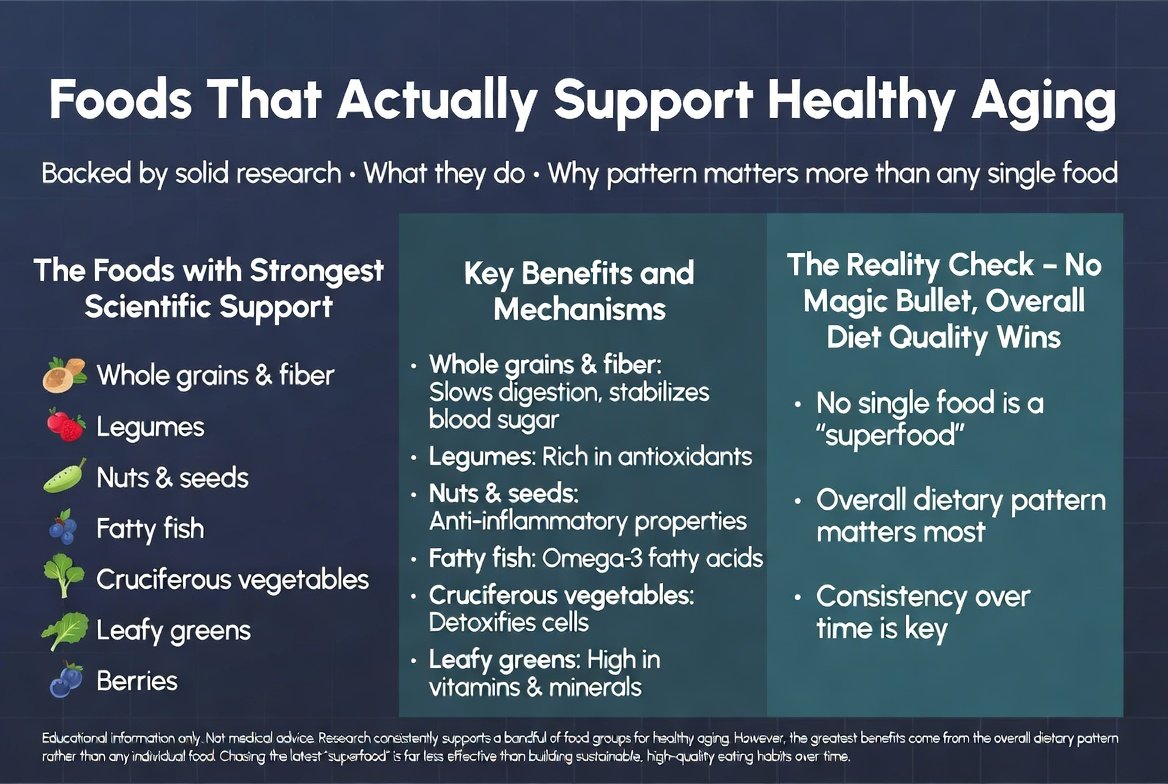
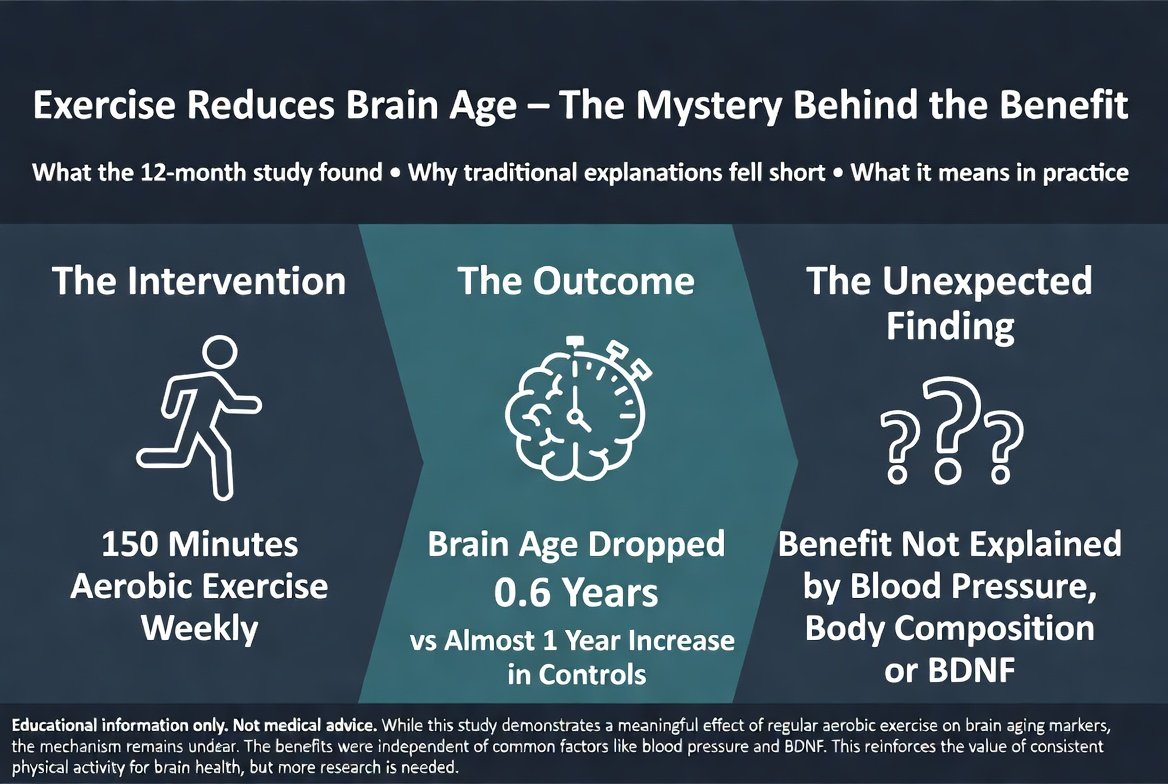
- On a personal level, there is no need to wait for a national project. A lifestyle that affects functional health (nutrition, physical activity, sleep, social activity) is available today, without any regulatory approval, and it precisely touches the three axes the Koreans chose: immunity, metabolism, and movement.
- Join or follow studies. Clinical trials on senolytics, low-dose rapamycin, metformin, NAD+, and more are also opening in Israel. Informed observers are the first to be exposed to updates.
The broader perspective
National projects of this scale do not start overnight. They are the product of years of basic research, internal policy discussions, and demographic pressure that eventually pushes a government to decide. The real win of the Korean initiative is not just in one molecule or another; it is in the declaration that healthy aging is a legitimate policy goal, with a leading body, a name, an index, and a timeline.
This is one of the first times a large, developed country (South Korea, population of about 51 million, one of the world's most advanced economies) frames aging as a challenge worth attacking directly, rather than just managing indirectly through treating age-related diseases. In a decade, we may look back and see this as one of the first steps of the era of political healthspan.
The important question is not just whether the Koreans will succeed. The question is whether other countries, including Israel, will catch the message in time. Life expectancy is largely a demographic sentence. Healthy longevity is largely a political choice.
References:
Seoul Economic Daily - Korea Launches National Reverse-Aging Project to Tackle Super-Aged Society Crisis
KRIBB - Korea Research Institute of Bioscience and Biotechnology, Aging Research


💬 Comments (0)
Be the first to comment on the article.