Sarcopenia (age-related loss of muscle mass and strength) affects about 5% to 13% of people aged 60 to 79, and in some studies, nearly half of those over 80. Until now, treatment recommendations were simple: more protein, more resistance training. But new studies from 2026 reveal a surprising player in the story: the bacteria in your stomach and intestines. The so-called "gut-muscle axis" is becoming one of the hottest discoveries in aging. It is important to note: most human evidence is associative (correlation, not proof of causation), and causal proof comes mainly from animal models. Researchers describe the connection as a bidirectional communication between the gut and muscle, not a one-way determination.
What did the research find?
Research teams from universities in Europe, the USA, and AIIMS in New Delhi (India's largest public medical institution) published a series of studies in 2026 showing a consistent pattern:
- Elderly individuals with sarcopenia showed lower microbial diversity in the gut
- In this group, beneficial bacteria like Roseburia and Faecalibacterium were drastically reduced
- Simultaneously, pro-inflammatory bacteria increased
- Participants with the "youngest" microbiome were also those with the strongest muscles and the lowest risk of falls
How do bacteria affect muscle?
The gut and muscle communicate through several mechanisms:
- SCFAs (Short-Chain Fatty Acids). Beneficial bacteria ferment dietary fiber and produce short-chain fatty acids (acetate, propionate, butyrate). These send signals that encourage the muscle to build protein
- Amino Acids. Some bacteria can produce BCAAs (branched-chain amino acids) like leucine, a key trigger for muscle protein synthesis. However, the net contribution of gut bacteria to the muscle's amino acid pool is still debated: for example, germ-free mice actually had higher BCAA levels, and the microbial impact on host amino acid metabolism is complex and not definitive
- Reducing Inflammation. High microbial diversity maintains a healthy gut barrier. When it breaks down ("leaky gut"), lipopolysaccharides (LPS) invade the bloodstream, causing chronic inflammation that harms muscle
- Vitamin Metabolism. Certain bacteria produce B vitamins essential for muscle function
The Star Bacterium: Roseburia inulinivorans
Among all the bacteria studied, the most prominent is called Roseburia inulinivorans. It:
- Produces butyrate (one of the most potent SCFAs for muscle health)
- Declines in population with age, in parallel with muscle loss
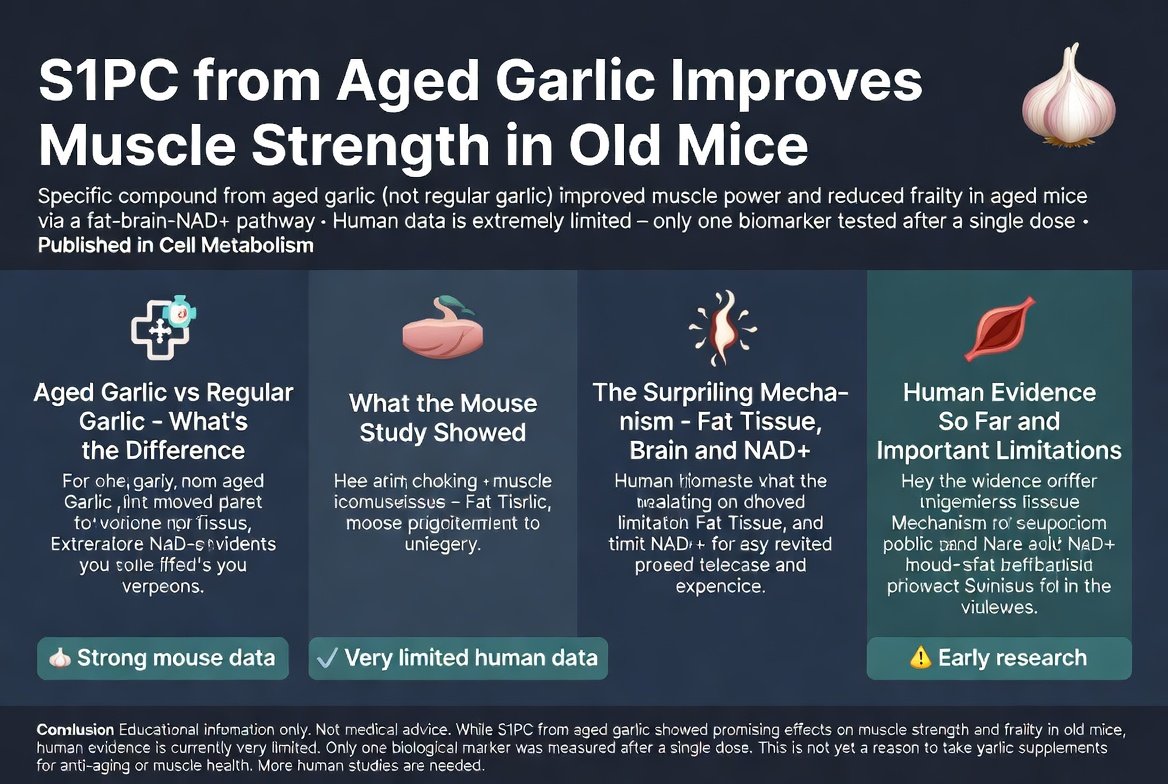
- Is found in high concentrations in people who consume fermentable fibers (inulin, oats, onions, garlic)
Key Difference: Specific Probiotics Work
A clinical trial published in npj Biofilms and Microbiomes showed that Bifidobacterium animalis Probio-M8, a specific probiotic, improved physical performance in sarcopenia patients (not just mice). This is one of the first proofs that muscle can be improved through the gut.
How to Maintain a Healthy Microbiome for Muscles?
Research-based recommendations:
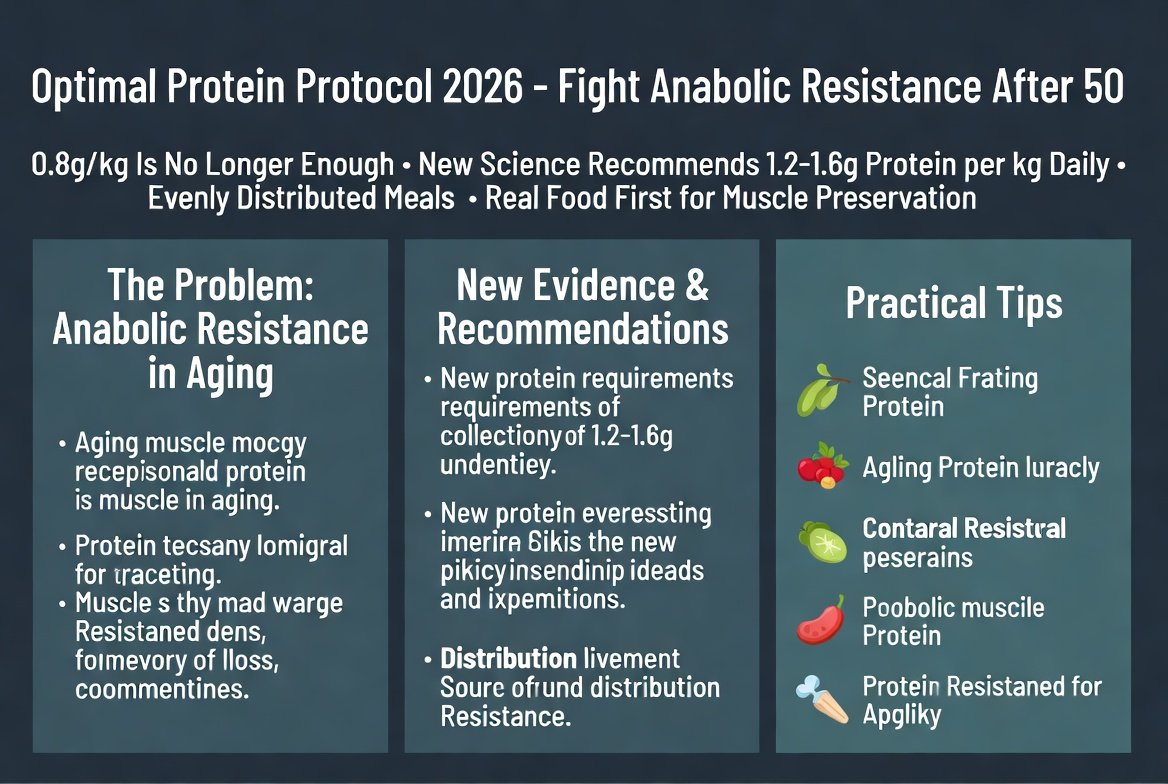
- Daily Fermentable Fiber. Oats, onions, garlic, artichokes, asparagus, unripe bananas. These are "food" for beneficial bacteria
- Fermented Foods. Yogurt (with live cultures), kefir, sauerkraut, kimchi, miso. These provide beneficial bacteria themselves
- Dietary Diversity. Eating 30+ types of vegetables and fruits per week is linked to a diverse microbiome. Don't stick to the same foods
- Physical Activity. Regular aerobic exercise encourages microbial diversity
- Limit Antibiotics. Antibiotics also destroy beneficial bacteria. Use only when necessary
- Targeted Probiotics. If you have diagnosed sarcopenia, ask your doctor about specific probiotic supplements
The Bottom Line
Muscle is not just a product of protein and exercise. It is a product of an entire system that begins in the gut. If you are over 50 and want to maintain strong muscles, do not ignore your microbiome. Diversity, fiber, and fermented foods are not just good for digestion. They are also good for muscles and for preventing falls.



💬 Comments (0)
Be the first to comment on the article.