For 20 years, "Blue Zone" has been one of the most popular concepts in longevity. Regions where people live exceptionally long, stay healthy, and reach 100 in large numbers. Nicoya in Costa Rica. Sardinia in Italy. Okinawa in Japan. Books sold millions. Blue Zone diets became a market sector. But many scientists were skeptical. There was no organized scientific definition. The data was often questionable. In some of these regions, those claiming to reach extreme old age struggled to prove their age. And now, finally, an international team of researchers has led an effort to resolve this: an official definition of a Blue Zone, with measurable, verifiable criteria.
The Problem: Why a 20-Year Debate?
The term "Blue Zones" was coined around the year 2000 by a Belgian demographer named Michel Poulain and an Italian doctor from Sardinia named Gianni Pes. While verifying the ages of many centenarians in Sardinian villages, they marked blue circles on a map around the cluster of villages with the highest longevity, and thus the name was born. In 2005, author and travel writer Dan Buettner published a popular article about them in National Geographic, bringing Blue Zones into the public consciousness.
Skepticism began to accumulate over the years:
- Okinawa: Some of the initial data on Okinawa was old, and over time it became clear that the island's population had aged and some of its health indicators had declined, raising questions about how relevant the historical pattern still is.
- Ikaria (Greece): Claims arose that some age records were inaccurate and that it was difficult to verify some of the elderly, an issue at the center of criticism regarding age documentation.
- Quality of Documentation: Critics argued that in places where birth and death registration is weak, it is easy to make mistakes about age or inflate it, and that some extreme longevity might reflect registration issues rather than biology.
In 2024, researcher Saul Justin Newman published a prominent critical paper (as a preprint on bioRxiv, for which he won the Ig Nobel Prize in Demography that same year) arguing that Blue Zones are largely a registration phenomenon: in areas where birth registration is weak, people sometimes declare a higher age, there is no way to verify it, and sometimes it even involves pension fraud (continuing to report a relative as alive to keep receiving benefits). He showed that many of the world's 110+ year-olds do not even possess a birth certificate.
The Solution: An Official Definition
Instead of continuing to argue whether Ikaria or Okinawa are or are not Blue Zones, an international team led by bio-demographer S. Jay Olshansky and sponsored by the American Federation for Aging Research (AFAR) proposed an official definition based on measurable criteria. The definition was presented in April 2026 and is based on two key demographic indicators, measured relative to three of the countries with the highest longevity in the world:
- Exceptionally strong longevity after age 70 (the researchers specifically chose age 70 because up to this age, residents of Blue Zones are not fundamentally different from the rest of the population)
- An exceptionally high probability of reaching 100, provided you survive to 70 (i.e., the ratio between the two groups, not just the absolute number of centenarians)
And another critical criterion: Verified documentation. The definition states that a region cannot earn recognition without sufficiently strong administrative data to verify age, meaning verifiable birth and death records. Counting centenarians alone is no longer sufficient to decide.
Who Meets the Criteria?
In a separate paper published in 2025 in the journal The Gerontologist, researchers Steven Austad and Gianni Pes showed that the original Blue Zones meet, and sometimes even exceed, the strict standards used globally to verify exceptional longevity. According to their work, the four classic demographic zones are validated:
- Nicoya, Costa Rica: Good records and verified longevity
- Okinawa, Japan: Despite changes in recent decades, the historical pattern is valid
- Six villages in the Ogliastra region of Sardinia: Among the most documented, with rigorous age verification
- Ikaria, Greece: Included among the regions that verification work points to, despite the criticism leveled against it
Loma Linda, California, the Adventist community, has always been considered a different type of "Blue Zone": not a historical demographic cluster but a case study of a religious community with an exceptionally healthy lifestyle. So, out of the five popular Blue Zones (four demographic and Loma Linda), the new framework focuses on the measurable demographic criteria.
The New Candidates
The interesting part: the new definition opens the door to systematically examining new regions not included originally. Research teams are examining, among others:
- The Netherlands: Certain regions show high rates of 100+ year-olds with good records. If they pass verification, they would be among the first Blue Zones in Northern Europe
- China: Several regions in southern China have shown concentrations of long-lived elderly, but records were weaker in the past, so they are now being examined against the new standards
- Martinique (Caribbean island): An exceptionally high rate of female longevity. The team is examining the data.
Why Is This Important?
This is not just an academic matter. A scientific definition of Blue Zones opens up:
- More accurate research. Only populations with verified documentation are suitable for studies seeking the causes of longevity
- Distinction from fraud and marketing. Celebrities, companies, and "my Blue Zone" entrepreneurs will need to meet the criteria. Regions that do not meet them will not be able to use the title
- Cultural-dietary research. Verified regions allow serious research into what makes their lifestyle unique
- Discovery of new regions. This approach opens the door to unknown regions that may be research treasures
What Have We Learned About Longevity from Blue Zones?
Despite the debate over documentation, what is found in common across the verified regions is fairly consistent:
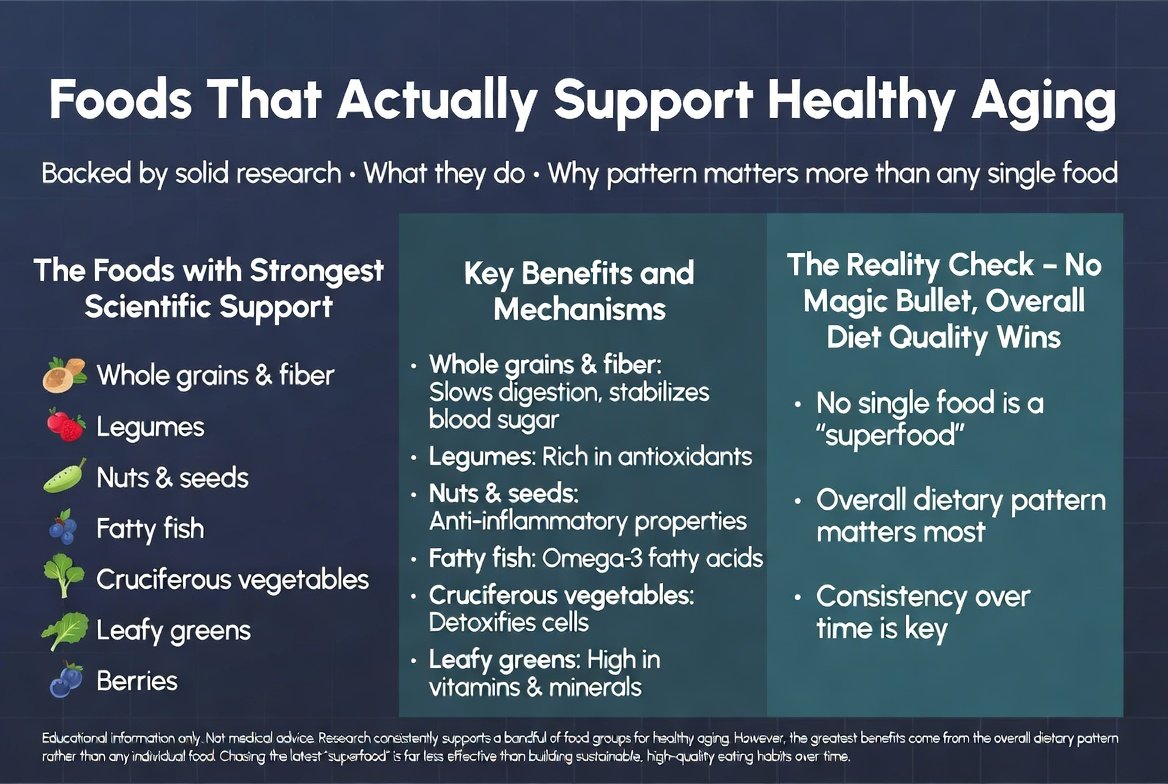
- Primarily plant-based diet: Lots of vegetables, legumes, fruits. Meat in small amounts, and often mainly fish.
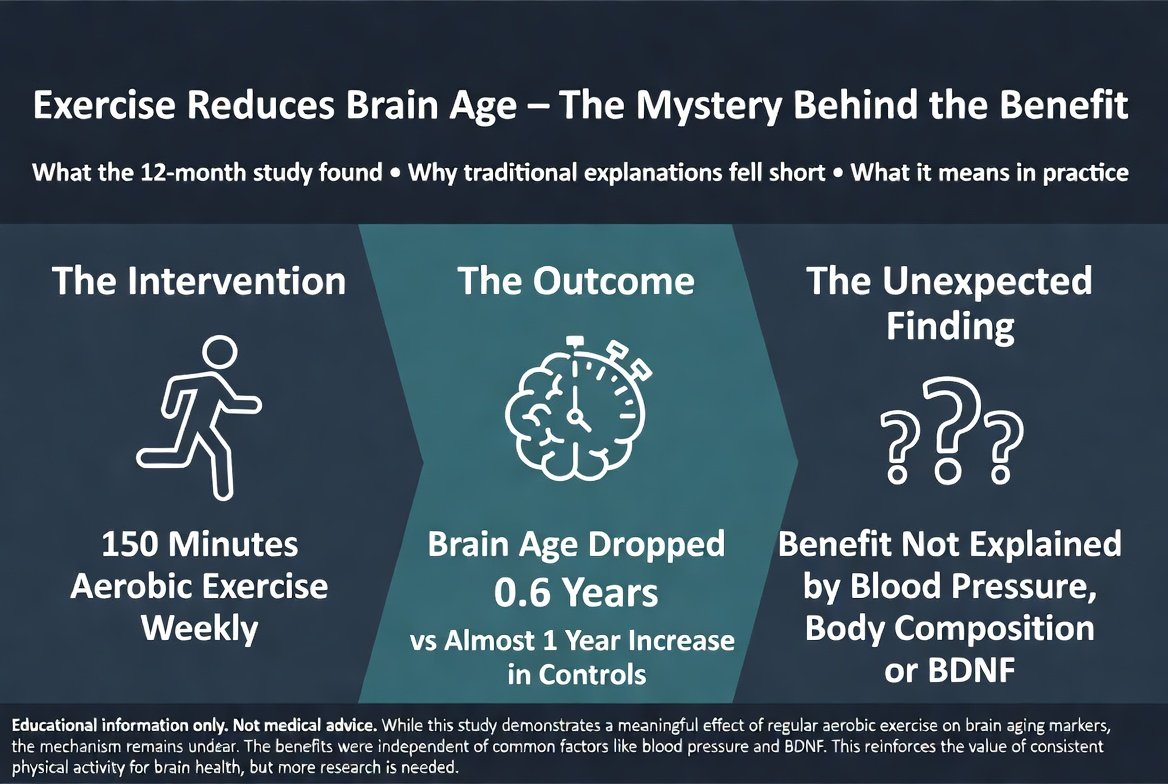
- Natural physical activity: Not the gym, but daily life that requires movement (gardening, walking, housework)
- Strong social connections: Large families, tight-knit communities. Loneliness is rare.
- Life purpose: The Japanese call it "ikigai". A sense of daily meaning.
- Sleep and rest: Regular sleep and rest patterns
- Moderate eating: Many long-lived individuals eat less than the general population, sometimes without specific intention.
- Managed stress: Daily traditions (prayer, afternoon rest) reduce stress
Can a New Blue Zone Be Created?
Companies and cities around the world are trying. Dan Buettner's "Blue Zones" project replicates lifestyle principles in American communities. In the pioneering community of Albert Lea, Minnesota, preliminary results were reported within about three years: a double-digit decline in smoking (on the order of about 30%-35%) and a decline of about 14% in obesity, alongside a significant increase in walking and cycling. (It is important to remember that these are lifestyle indicators in an interventional community, not its transformation into a demographically verified Blue Zone.)
The new definition will not prevent other regions from copying the lifestyle. It only determines that to claim the title "Blue Zone", one must meet measurable and verified criteria.
The Bottom Line
Blue Zones are real. They are not a myth. But they are also not magic. They are regions where certain sociological and cultural conditions create a lifestyle that extends life. You don't have to live in Okinawa to live a long and healthy life. But if you adopt the principles that characterize these regions, your chances improve significantly.




💬 Comments (0)
Be the first to comment on the article.