In the human body, cells do not function as isolated units but communicate with each other continuously and in a coordinated manner.
This communication is essential for the normal function of tissues and organs, enabling them to perform complex activities such as growth, regeneration, defense against infections, and more.
Methods of cell communication:
- Direct contact: Cells can communicate through direct contact, when the cell membrane of one cell comes into contact with the cell membrane of another.
This method, via gap junctions, allows the transfer of only small molecules, such as ions, metabolites, and signaling molecules (e.g., cAMP), between cells. Large molecules like proteins cannot pass through these channels due to their size. - Chemical signals: Cells can communicate by secreting cytokines, which are molecules that serve as intercellular mediators.
Cytokines can bind to specific receptors on the surface of other cells and trigger various cellular responses. - Electrical signals: Certain cells, such as nerve cells, can communicate using electrical signals.
These signals propagate along the cell membrane and cause changes in electrical potential, which can lead to various cellular responses.
Importance of cell communication:
- Coordination of activity: Cell communication enables the coordination of activity among many cells, thus allowing the execution of complex tasks.
For example; communication between muscle cells allows them to contract in a coordinated manner and produce movement. - Tissue development: Cell communication is essential for the normal development of tissues.
For example; communication between cells during embryonic development enables the formation of complex organs. - Defense against infections: Cell communication allows the immune system to function effectively.
When a cell detects a pathogen, it can secrete cytokines that encourage other immune system cells to attack the pathogen.
Impairment of cell communication with age:
With age, the ability of cells to communicate declines. This decline can result from a variety of factors, including:
- Accumulation of genetic damage: Over time, the DNA of cells tends to accumulate damage, impairing their ability to communicate properly.
- Changes in gene expression: With age, changes occur in the expression of many genes, including those related to cell communication.
- Accumulation of damaged proteins: Old cells tend to accumulate damaged proteins, which can impair cell communication.
Effects of impaired cell communication:
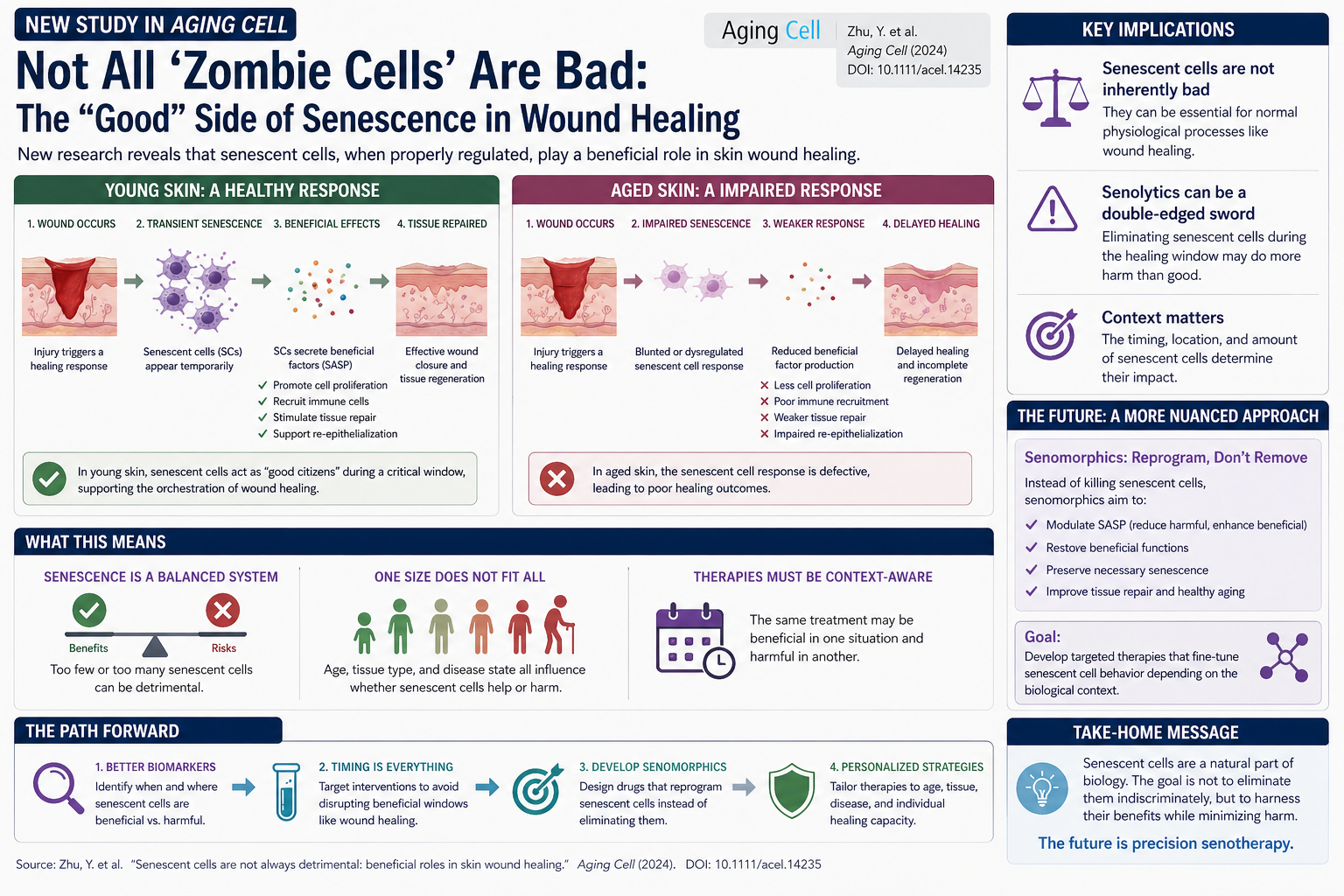
- Aging: Impaired cell communication contributes to the aging of tissues and organs. This decline leads to a reduced functional capacity of tissues, impaired regeneration ability, and compromised defense against infections.
- Diseases: Impaired cell communication is linked to the development of many diseases, including cancer, cardiovascular diseases, and neurodegenerative diseases.
Therapeutic approaches:
Innovative research in the field of cell communication offers hope for a future where diseases related to impaired communication can be treated.
New therapeutic approaches are under development, including:
Drug development:
Development of drugs capable of improving cell communication.
Genetic therapies:
- Use of advanced technologies to correct genetic defects that cause impaired cell communication.
These treatments may include the use of CRISPR-Cas9, a technology that allows precise gene editing. - These treatments are still in early research stages, but they may offer an innovative solution for treating diseases related to impaired cell communication.
Environmental therapies:
- Lifestyle changes such as proper nutrition, physical activity, and adequate sleep can contribute to improving cell communication.
- For example, a diet rich in antioxidants can help protect cells from damage that could lead to communication impairment.
- Physical activity can help increase blood flow, which is important for transmitting signals between cells.
Innovative therapies:
Innovative therapeutic approaches are under development, including treatments based on nanotechnology and treatments using stem cells.
These approaches may offer new solutions for treating diseases related to impaired cell communication.
These treatments are in early research stages, and there is uncertainty regarding their efficacy and safety.
Challenges:
- Developing effective treatments against impaired cell communication is a complex challenge.
- Diagnostic difficulties: It is difficult to diagnose and isolate the exact cause of impaired cell communication.
- Difficulties in finding drugs: Developing drugs that act specifically to improve cell communication while minimally harming healthy cells is complex.
- Difficulties in treating diseases: Diseases related to impaired cell communication are often chronic and complex.
The future:
Research in the field of cell communication is advancing rapidly. Innovative therapeutic approaches are under development, and it is expected that in the future, more effective treatments will be available for a wide range of diseases related to impaired cell communication.
Note: It is important to note that this text is a general and concise overview of the topic of cell communication. There are additional therapeutic approaches, and research in the field is constantly evolving.


💬 Comments (0)
Be the first to comment on the article.