There is one question that almost everyone involved in longevity agrees on: if you could fix only one thing in the body to age more slowly, it would be metabolic health. It may not be as sexy a topic as stem cells or miracle drugs, but your body's ability to maintain stable blood sugar, sensitive insulin, a healthy waist circumference, and normal blood pressure and lipids is the quiet foundation upon which almost every other system rests. When that foundation begins to crack, everything cracks along with it.
And here comes the honest and empowering news: insulin resistance and prediabetes are among the most reversible risk conditions there are. This is not a death sentence. It is not a matter of weak will or shame. In the large and famous Diabetes Prevention Program study, a simple and structured lifestyle change reduced progression from prediabetes to diabetes by 58%, more than medication. In this guide, we will not preach or shame. Instead, we will explain in simple Hebrew what happens in the body, review the levers that truly work, rank them honestly, and conclude with a practical action list and when to get tested.
What Exactly Are Insulin Resistance and Prediabetes?
Let's break this down without jargon. When you eat a carbohydrate, it breaks down into glucose (sugar) that enters the bloodstream. To get the glucose into cells, the pancreas secretes a hormone called insulin, a kind of "key" that unlocks cells so they can absorb the sugar. When the system is healthy, a little insulin is enough, and blood sugar quickly returns to balance.
- Insulin resistance is a condition where cells respond less and less to the "key." The pancreas is forced to produce more and more insulin to achieve the same result. This is the early stage, often silent and without symptoms, which can exist for years.
- Prediabetes is the stage where blood sugar is already higher than normal but still below the threshold for diabetes. It is a "yellow flag," an opportunity to correct course before reaching type 2 diabetes.
- Type 2 diabetes is when the system collapses and blood sugar remains chronically high. It is a medical condition diagnosed and treated by a doctor.
Know Your Numbers
Metabolic health begins with measurement. Here are the numbers you should know (values are always diagnosed by a doctor; these are for general awareness):
- Fasting Glucose: Normal below 100 mg/dL. Prediabetes in the range of 100-125. Diabetes at 126 and above.
- HbA1c: A measure of average blood sugar over three months. Normal below 5.7%. Prediabetes 5.7-6.4%. Diabetes at 6.5%.
- Waist Circumference: A simple and powerful measure of abdominal fat (the dangerous "metabolic" type). A good rule of thumb is to keep waist circumference below half your height. Belly fat is directly linked to insulin resistance.
- Fasting Insulin and Triglycerides: High fasting insulin is often the earliest sign, even before blood sugar rises. A high triglyceride ratio is also a flag.
The important point: blood sugar is the last measure to rise. You can have significant insulin resistance and still have "normal blood sugar" on a standard test. Therefore, it's advisable to look at the big picture, not just one number.
Why Is This So Important for Aging?
Insulin resistance is not just "on the way to diabetes." It is upstream of several diseases that most shorten and impair quality of life, which is why longevity researchers view it as a central lever:
- Type 2 Diabetes: The clear target. But even before diagnosis, the years of high insulin are already wearing down the body.
- Cardiovascular Disease: High blood sugar and insulin accelerate damage to blood vessels, raise blood pressure, and disrupt the lipid profile. Poor metabolic health is one of the strongest predictors of heart attack and stroke.
- The Brain: Some researchers call Alzheimer's "type 3 diabetes" due to the strong link between insulin resistance and cognitive decline and dementia. Stable blood sugar is also brain health.
- Cellular Aging: Chronic excess sugar promotes a process called glycation (proteins damaged by sugar), low-grade chronic inflammation ("inflammaging"), and mitochondrial damage. All of these are recognized hallmarks of aging.
In other words: when you improve metabolic health, you are not just "avoiding diabetes." You are simultaneously reducing the risk for the heart, brain, and many aging processes. It is one of the highest-return moves in all of health.
The Big Levers (🟢): Movement, Muscle, and Weight
If you take one thing from this guide, let it be this: movement is the most powerful medicine for metabolic health, and it has no substitute. In the DPP study, the changes that led to a 58% reduction in progression to diabetes were primarily simple: about 150 minutes of physical activity per week and a modest 5-7% weight loss. No magic diet, no medication. Here are the levers in honest ranking:
🟢 Strength Training: Building the Body's "Sugar Reservoir"
This is perhaps the most underrated lever. Skeletal muscle is the destination for 70-80% of the glucose that enters the bloodstream after a meal. The more active muscle mass you have, the more "space" the body has to safely store sugar instead of letting it circulate in the blood. Resistance training increases the number of glucose transporters (GLUT4) in muscle and improves insulin sensitivity, even without weight loss. Muscle is literally a "sink" that absorbs sugar. Aim for strength training 2-3 times a week; even bodyweight or resistance bands at home are enough to start.
🟢 Aerobic Activity and Zone 2
Moderate-intensity aerobic activity (brisk walking, cycling, swimming) improves insulin sensitivity and mitochondrial health, the energy engines of the cell. "Zone 2" training, where you can still talk but are slightly breathless, is considered particularly beneficial for metabolism. Combine it alongside strength training, not instead of it.
🟢 Short Walk After Meals
This is the simplest and most effective trick there is, and it is well-supported by research. A 10-15 minute walk immediately after a meal significantly reduces the "blood sugar spike" after eating, because the working muscles draw glucose from the blood without needing insulin. Meta-analyses show that movement in the early post-meal phase (within the first half hour) is most effective. Even a short walk around the house or down the street makes a difference.
🟢 Weight Loss, If Overweight
It is important to say this with respect and without shame: for people who are overweight, especially with abdominal fat, a modest 5-10% weight loss is one of the most powerful steps for improving metabolic health. You don't need to reach an "ideal weight." Even a small loss dramatically reduces insulin resistance. And this is not about aesthetics, but health. Those at a normal weight should simply focus on the other levers.
Want a structured program combining strength, cardio, and mobility? We built it in our Training Program tool.
Eating for Metabolic Health (🟢/🟡): Real Food, Not a Fad Diet
Here it is important to clarify the framing: This is not a quick weight loss diet or a trend. These are eating principles that stabilize blood sugar and improve metabolic health over the long term. Fad diets and "detoxes" come and go; the foundations remain.
- 🟢 Dietary Fiber: Perhaps the most important dietary component for stable blood sugar. Fiber slows sugar absorption, promotes satiety, and feeds gut bacteria. In the Reynolds study from 2019 published in The Lancet, high intake of fiber and whole grains was associated with a significant reduction in the risk of type 2 diabetes and other diseases. Aim for at least 25-30 grams of fiber per day from legumes, vegetables, whole fruits, and whole grains.
- 🟢 Adequate Protein: Protein stabilizes blood sugar, promotes satiety, and most importantly, builds and maintains muscle mass, which, as you recall, is the body's sugar reservoir. Especially with age, adequate protein intake is critical.
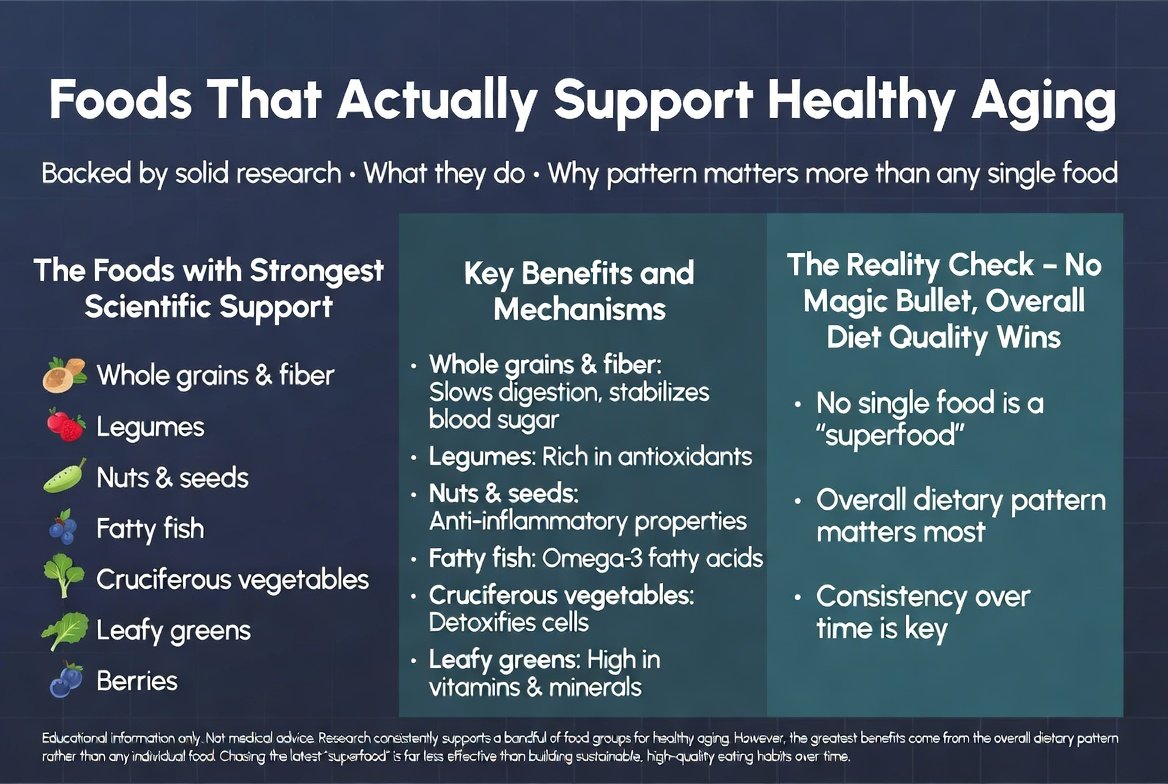
- 🟢 Whole, Unprocessed Foods: The closer food is to its natural form, the more moderate the blood sugar response. Vegetables, legumes, nuts, fish, eggs, whole grains. The Mediterranean dietary pattern is one of the most research-backed for metabolic health.
- 🟡 Less Refined Carbohydrates and Sugar: You don't need to ban everything, but reducing sugary drinks, white pastries, sweets, and ultra-processed food is a huge lever. These are the main drivers of sharp blood sugar "spikes" and metabolic load. This is the "how," not a blanket ban.
- 🟡 Food Order and Timing: There is intriguing (but still developing, hence yellow) evidence that eating vegetables and protein before the carbohydrate in the same meal blunts the blood sugar rise. It's an easy trick to try, but don't make it an obsession. The fundamentals (how much and what you eat) are far more important than the exact order.
We've compiled all the nutrition principles for longevity in our Longevity Nutrition tool, including a personal protein target calculator.
Sleep and Stress: The Levers Everyone Forgets
You can do everything right with diet and training, and still miss the mark if you neglect two quiet but powerful levers:
- Sleep: Lack of sleep, even for a few nights, directly impairs insulin sensitivity and raises blood sugar. It also increases cravings for sugar and carbohydrates the next day. Quality sleep of 7-9 hours is an integral part of metabolic health, not a luxury.
- Chronic Stress: The hormone cortisol, which rises with prolonged stress, raises blood sugar and promotes abdominal fat storage. Stress management (breathing, physical activity, time in nature, social connections) is not "soft," but a real metabolic lever.
The relationship works both ways: good metabolic health improves sleep and mood, and balanced sleep and stress improve metabolic health. It's a cycle worth moving in a positive direction.
Tools and Supplements, Honestly: Glucose Monitors and Berberine
Here caution is needed, because this is the area where marketing is most aggressive. Let's start with the truth: No tool and no supplement replaces the big levers above. But they have a role, if understood correctly.
🟡 Continuous Glucose Monitors (CGM)
Continuous glucose monitors, small sensors attached to the arm that show blood sugar in real time, have become popular even among healthy people. They can be an excellent learning tool: seeing with your own eyes how a specific meal, a post-meal walk, or a sleepless night affects your personal blood sugar is an insight no article can provide.
But here's the honesty: A CGM is not necessary for a healthy person, and post-meal blood sugar spikes are completely normal. The body is supposed to raise blood sugar after eating; it's not "damage." The danger is becoming obsessive about every spike and fearing every fruit. See it as a temporary learning tool to understand your responses, not a medical diagnostic device (diabetes is diagnosed by a doctor, not a gadget). If you want to try it, we've compiled the options on our Continuous Glucose Monitors (CGM) page, with honest framing.
🟡 Supplements: Berberine and Others
Supplements are the most secondary lever, and there is a lot of hype around them. Honestly:
- Berberine: A plant compound nicknamed "natural metformin." There is some evidence for lowering fasting blood sugar and improving insulin sensitivity, but studies are often small and of moderate quality, the effect is modest compared to medication, it can cause digestive distress, and it has interactions with many medications. It is not a substitute for lifestyle or for a doctor-prescribed medication.
- Soluble Fiber, Magnesium, and Others: Fiber supplements can help those who struggle to meet their target through food, and correcting a magnesium deficiency may support insulin sensitivity. But these are minor additions to the overall picture.
The bottom line on supplements: They may provide a small boost for someone already doing the fundamentals, but they are not a shortcut or a magic bullet. If you are taking medications or have a chronic condition, consult a doctor or pharmacist before taking berberine or any other supplement.
The Bottom Line: Action List and When to Get Tested
If you've made it this far, here's what to remember: Metabolic health is the quiet foundation of healthy longevity, and it is largely in your hands. Insulin resistance and prediabetes are often reversible, and you don't need a magic diet or an expensive supplement, but rather a few simple and consistent habits. Here is a practical checklist:
- Know Your Numbers: Check fasting glucose, HbA1c, and waist circumference. This is the starting point.
- Move After Meals: 10-15 minute walk after the main meal, the small habit with the big payoff.
- Build Muscle: Strength training 2-3 times a week. Muscle is your sugar reservoir.
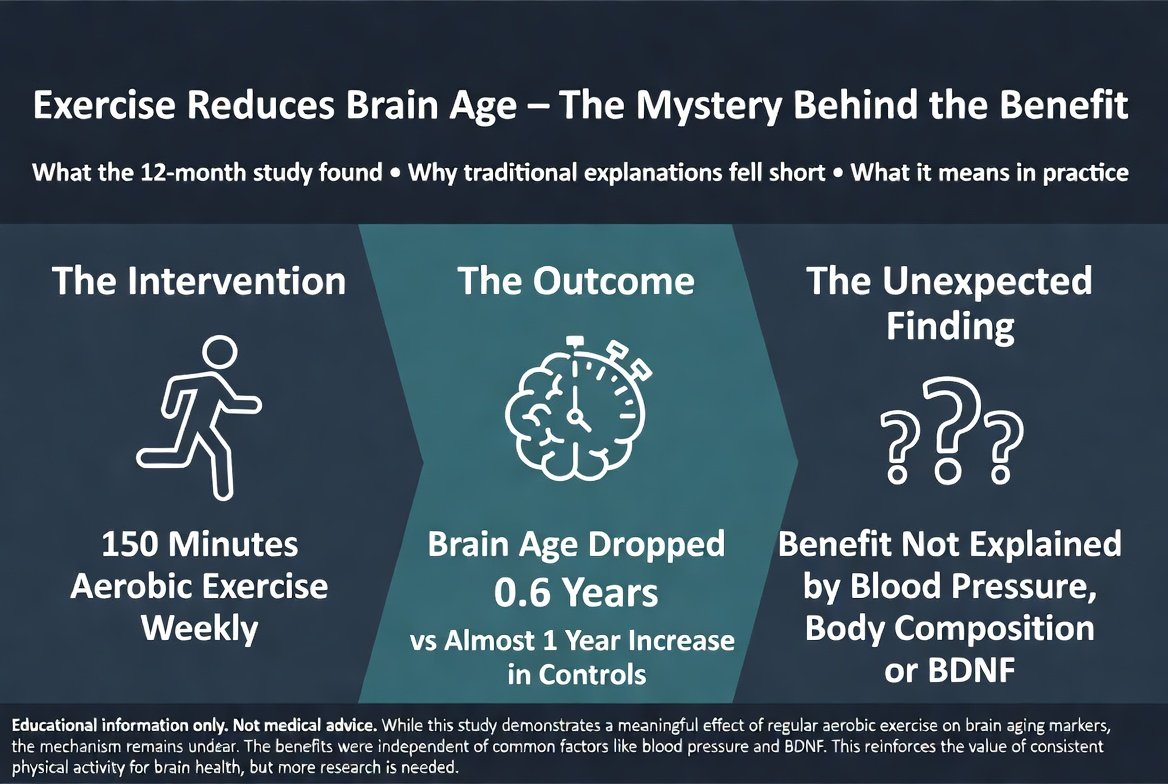
- Add Cardio: Aim for 150 minutes of moderate activity per week.
- Eat Real Food: More fiber, protein, and vegetables; less sugar and ultra-processed food.
- Sleep and Breathe: 7-9 hours of sleep and stress management are real metabolic levers.
- Modest Weight Loss, if overweight: 5-10% changes the picture.
- Tools and Supplements in Proportion: CGM as a learning tool, berberine at most as a minor addition, not a replacement.
When to see a doctor? If fasting glucose is above 100, if HbA1c is above 5.7%, if there is a family history of diabetes, if waist circumference is high, or if you experience symptoms like increased thirst, frequent urination, unusual fatigue, or unexplained weight loss, don't wait. Prediabetes is an opportunity for action, and diabetes requires medical monitoring and treatment. The doctor diagnoses and guides the process.
Want more practical help? We have more practical guides on sleep, energy, nutrition, and fitness, each built on the same honest, research-based approach.
The information in this guide is general and for lifestyle and informational purposes only, and does not constitute medical or nutritional advice, nor is it a substitute for consultation with a doctor or qualified dietitian. Prediabetes and diabetes are diagnosed, monitored, and treated by a doctor only. Do not start, change, or stop any medication, and do not start taking any supplements, without professional advice, especially if you are taking medications, have a chronic condition, are pregnant, or are breastfeeding.
References:
Knowler WC et al., New England Journal of Medicine 2002, Reduction in the Incidence of Type 2 Diabetes with Lifestyle Intervention or Metformin (DPP)
Reynolds A et al., The Lancet 2019, Carbohydrate quality and human health: a series of systematic reviews and meta-analyses
Richter EA & Hargreaves M, Physiological Reviews 2013, Exercise, GLUT4, and Skeletal Muscle Glucose Uptake


💬 Comments (0)
Be the first to comment on the article.