Most people imagine bone like a dry iron beam inside the body, a hard, dead, static material that simply holds us upright. This is a fundamental mistake. Bone is one of the most living and active tissues in the body: it is constantly being destroyed and rebuilt, adapting itself to the loads we place on it, and responding to nutrition, hormones, and physical activity. Precisely because it is alive, we have real influence over it.
This guide is a practical guide. We won't just tell you that osteoporosis is a problem, but exactly what to do to strengthen bones, slow bone loss, and reduce the risk of a life-changing fracture. It is relevant for all ages, but especially for women during and after menopause, and for anyone over 50.
Why This Happens: Bone Peaks and Then Declines
The body builds bone rapidly in childhood and adolescence. Peak bone mass is reached around age 30. From that moment, a delicate balance begins: cells called osteoclasts break down old bone, and cells called osteoblasts build new bone. As long as building equals breakdown, density is maintained. After age 30, the scale slowly tips toward breakdown.
- Age 30: Peak bone density.
- Ages 30 to 50: Slow, gradual decline, usually unnoticeable.
- Menopause in women: The drop in estrogen levels significantly accelerates bone loss, sometimes several percent per year in the early years.
- Age 60 plus: In both men and women, the risk of osteoporosis and fractures increases.
The key point to remember: Bone strengthens in response to load. When force is applied to the skeleton—a muscle pulling on the bone or a weight impact—it receives a signal to build itself stronger. Tissue that is not challenged weakens. This is why astronauts in space and bedridden people lose bone rapidly. And this is precisely why we have so much power to influence it.
Practical Steps for Bone Strengthening
1. Strength and Weight-Bearing Training: The Most Important Stimulus
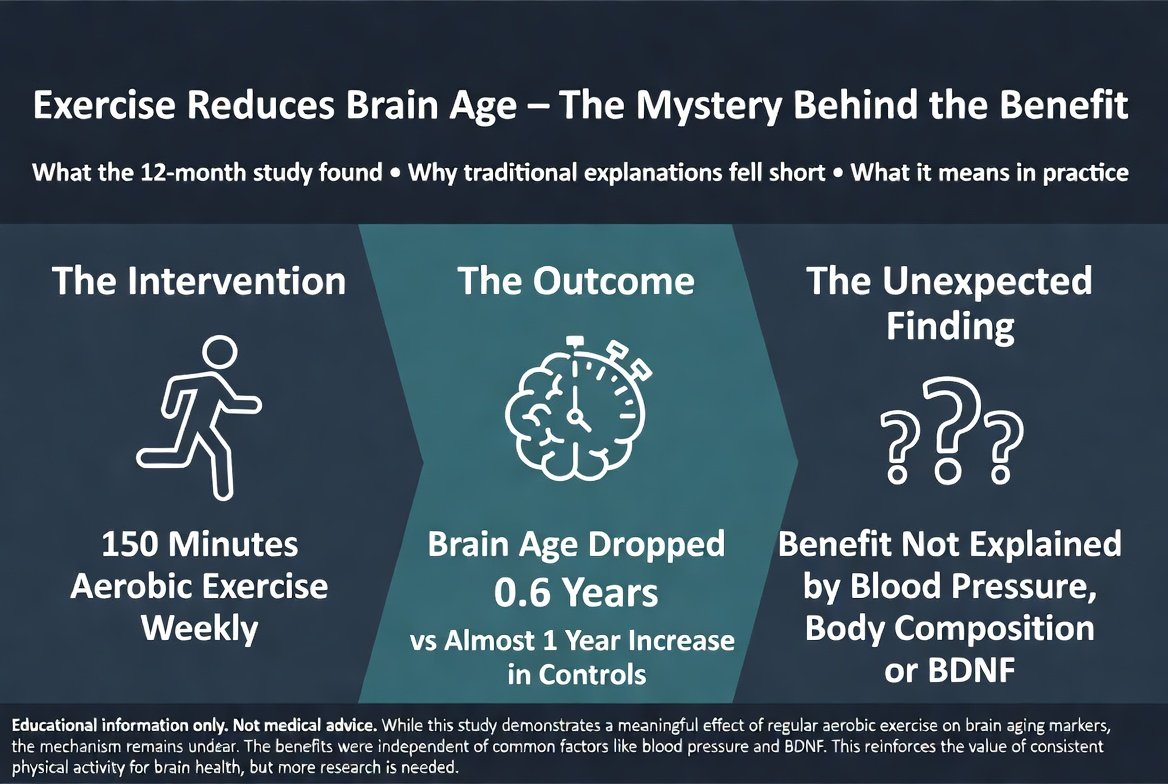
If you remember one thing from this guide, let it be this: Resistance training and weight-bearing activity are the most powerful tools for building bone. A comprehensive Cochrane review (Howe et al., 2011) examining 43 controlled studies on postmenopausal women found that physical activity programs improve bone density (the effect on the number of fractures themselves did not reach statistical significance in this review), with resistance and strength exercises standing out as particularly effective.
The LIFTMOR randomized controlled trial (Watson et al., 2018) went a step further: postmenopausal women with low bone mass trained twice a week in high-intensity resistance training and impact exercises for only about 30 minutes each session. This group improved bone density in the spine and femoral neck, unlike the comparison group, and without significant injuries under professional supervision. The message: moderate load is not enough; to build bone, you need a real challenge, but it can be achieved in a short time with proper guidance.
How to apply this in practice:
- Resistance training 2-3 times per week: Squats, deadlifts, leg presses, rows, chest presses. A load that challenges you, not symbolic weights.
- Impact exercises: Small jumps, skipping, dancing, climbing stairs. The slight shock signals the bone to strengthen.
- Walking is good for the heart, but weak for bone: It is weight-bearing, but its stimulus for bone is low. Use it as a supplement, not a replacement for strength training.
- Start gradually and with guidance: For those who haven't exercised or have diagnosed osteoporosis, it is important to start with a qualified instructor or physical therapist familiar with the field, to train correctly and safely.
We've built a tool to help you choose exercises and build a routine according to your age and level: Training Program.
2. Calcium: Enough, from Food First
Calcium is the main building material of bone. The general recommendation for adults is about 1000 to 1200 milligrams of calcium per day (the upper end is especially relevant for postmenopausal women and adults over 60). The right approach is food first, because calcium from food comes with protein and additional minerals, and is absorbed in a balanced way:
- Dairy products: yogurt, cheeses, milk.
- Tahini from whole sesame seeds, almonds.
- Green leafy vegetables like broccoli and cabbage.
- Legumes, calcium-fortified tofu, and canned fish with soft bones (sardines).
- Calcium-fortified foods like certain plant-based drinks.
Calcium supplements are reserved for those who truly struggle to get enough from food, and preferably in divided doses. Too high a dose of calcium from supplements, beyond need, does not strengthen bone more and may even be harmful. If you are considering a supplement, consult a doctor.
3. Vitamin D: Calcium's Partner
Without vitamin D, the body does not absorb calcium well, so the two work as a pair. A broad meta-analysis by the National Osteoporosis Foundation (Weaver et al., 2016) found that a combination of calcium and vitamin D reduced the risk of fractures by about 15% and the risk of hip fracture by about 30% in older adults. Note that the benefit was found mainly for the two components together, not for calcium alone.
- Moderate sun exposure helps the body produce vitamin D, but for many older adults, this is not enough.
- Food sources: fatty fish, eggs, fortified foods.
- Vitamin D deficiency is very common, even in a sunny country. It is advisable to check levels with a blood test and supplement according to a doctor's recommendation.
For a personalized review of supplements that support bone, you can use Bone Supplements.
4. Adequate Protein
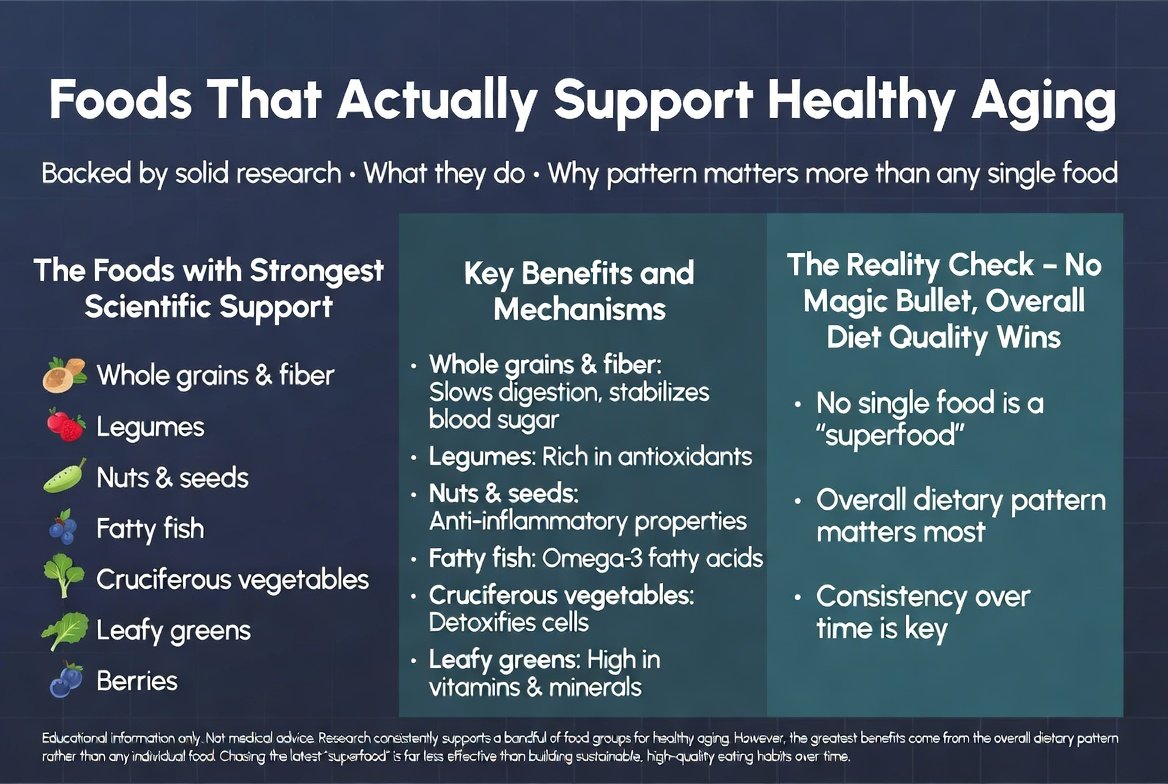
Contrary to an old myth that protein "leaches calcium from bone," current research shows that adequate protein intake supports bone health, especially in older age. Protein builds the protein framework on which calcium settles, and at the same time, it maintains muscle mass that protects the skeleton and helps prevent falls. Ensure quality protein sources throughout the day: eggs, dairy products, chicken and fish, legumes, and tofu.
5. Balance Training: Stop the Fall Before It Happens
Most fractures in older adults result not from weak bone alone, but from a fall onto weak bone. Therefore, fall prevention is just as important as strengthening the bone itself. Balance and coordination are abilities that can be trained at any age:
- Standing on one leg daily (can be near a stable surface for support initially).
- Tai Chi and yoga practices, proven to improve stability.
- Rising from a chair without using hands.
- Strengthening core and leg muscles, which stabilize the body during walking.
- At home: remove slippery rugs, improve lighting, and install grab bars in the shower if needed.
6. Don't Smoke
Smoking directly damages bone-building cells, interferes with blood flow to the skeleton, and in women, also lowers estrogen levels and brings on earlier menopause. Smokers lose bone faster and are at higher risk for fractures. Quitting smoking benefits bone at any age, and it is one of the most significant decisions you can make for overall health.
7. Limit Alcohol and Carbonated Drinks
Heavy alcohol consumption disrupts calcium balance and bone-building cells, and also increases the risk of falls. It is recommended to limit to a moderate amount at most. Regarding cola drinks, there is evidence that high consumption of cola drinks (especially cola type, possibly due to phosphoric acid and caffeine, and especially when they replace milk and water) is associated with lower bone density. Water is the best drink for bone and body.
Who Is at Higher Risk
It is important to recognize the risk factors, because they determine how aggressive you need to be in prevention and when to get tested:
- Women during and after menopause, due to the drop in estrogen.
- Older age, in both men and women.
- Family history of osteoporosis or hip fracture.
- Very lean body frame or low body weight.
- Previous fracture from minor trauma.
- Long-term use of steroids (corticosteroids) or certain other medications.
- Diseases such as overactive or underactive thyroid, inflammatory bowel disease, and celiac disease.
- Smoking, heavy alcohol consumption, and physical inactivity.
When to See a Doctor
Lifestyle is the foundation, but there are signs that require medical evaluation. See a doctor if:
- You broke a bone from a minor fall or from an event that shouldn't have caused a fracture. Such a fracture ("fragility fracture") is a major warning sign of weak bone.
- You noticed a loss of height or a rounding of the upper spine, which may indicate tiny fractures in the vertebrae.
- You have new, unexplained back pain, especially in older age.
- You have several of the risk factors listed above, especially if you are a woman in menopause or over 65.
The doctor may refer you for a bone density test (DEXA), a simple, quick, and painless test that measures bone density and allows early detection of osteopenia (reduced density) or osteoporosis, even before a fracture. Early diagnosis enables early intervention, including medication treatment in appropriate cases. Do not self-diagnose or start medication on your own.
Bottom Line
Your bone is not predetermined. It is a living tissue that listens to what you do: If you put load on it, feed it properly, and protect it from falls, it will strengthen. Even those who are already older or have low density can slow the decline and sometimes even improve the condition, especially with strength training. The first step doesn't have to be big: start this week with one strength workout, and check if you are getting enough calcium and vitamin D. Your body will respond.
Note: This guide provides general information for a healthy lifestyle and does not constitute medical advice, diagnosis, or a substitute for consultation with a doctor. If you have risk factors, underlying conditions, or are taking medications, consult a doctor before making significant changes to physical activity, diet, or supplement intake.
References:
Howe TE et al., Exercise for preventing and treating osteoporosis in postmenopausal women, Cochrane Database Syst Rev 2011
Watson SL et al., The LIFTMOR Randomized Controlled Trial, J Bone Miner Res 2018
Weaver CM et al., Calcium plus vitamin D supplementation and risk of fractures, Osteoporos Int 2016

💬 Comments (0)
Be the first to comment on the article.