At age 25, a cold was at most a week of discomfort. At age 75, the same virus can land you in the hospital and be life-threatening. Why is the difference so dramatic? Your immune system undergoes a profound change with age. A new comprehensive review in the European Respiratory Review summarizes current research on immunosenescence (aging of the immune system) and inflammageing (inflammation + aging), and what this means for you practically.
Two Parallel Changes: Decline and Increase
1. Immunosenescence - The Immune System Weakens
With age, parts of the immune system lose efficiency:
- Naive T cells decrease: They depend on the thymus gland, which shrinks after age 60
- B cells lose diversity: Fewer types of antibodies can be produced
- NK cells are less aggressive: Reduced ability to kill infected cells
- PAMP recognition weakens: Cells are less able to detect when something is infected
2. Inflammageing - Persistent Inflammation
At the same time, an aging body starts to "overreact" but without focus:
- Baseline levels of IL-6, TNF-α, CRP are high
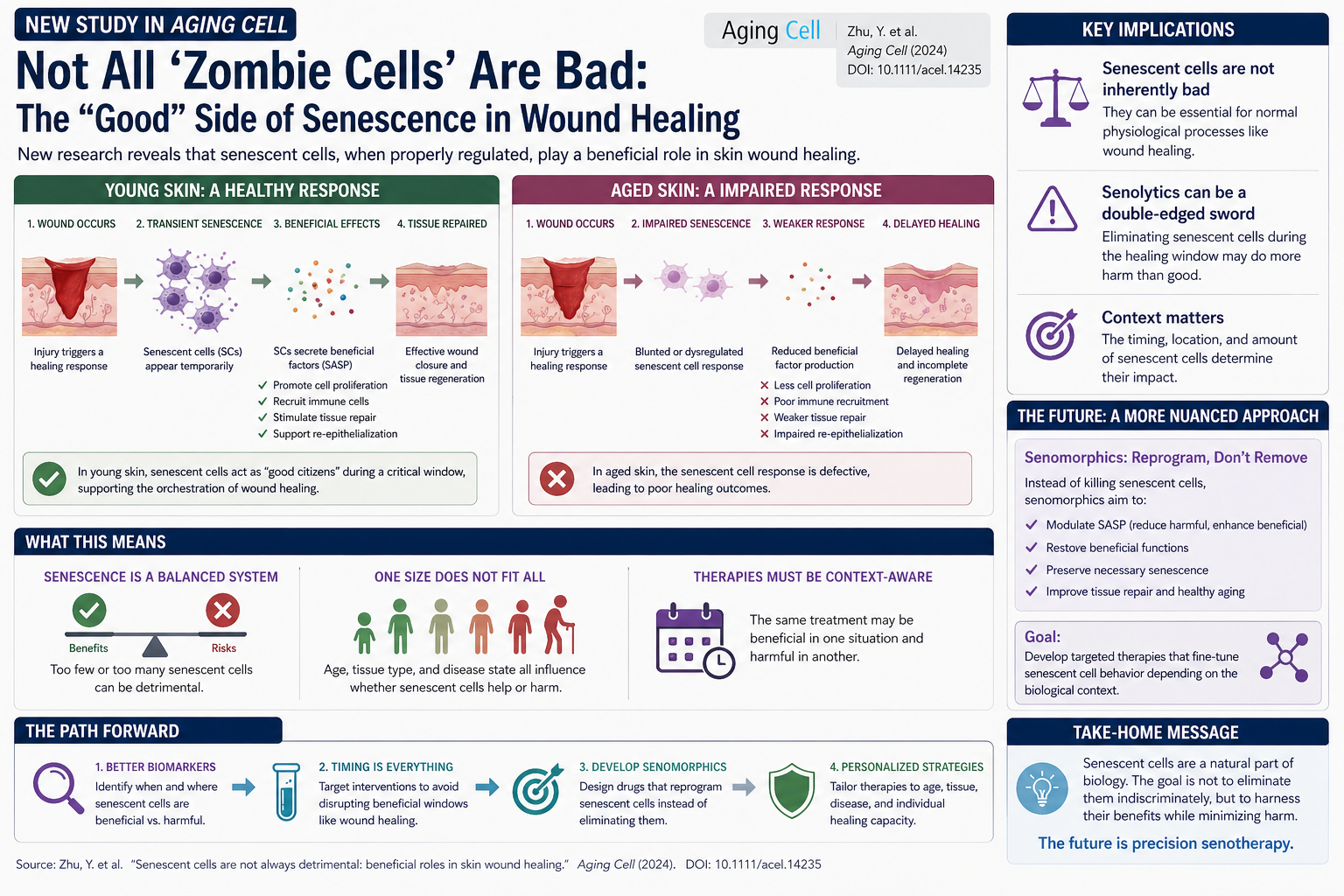
- Zombie cells (senescent) secrete SASP
- Gut bacteria change, more endotoxins
The catastrophic combination: less targeted fighting + more inflammatory noise. This is what turns a "simple" virus like influenza into a killer in older adults.
The Specific Danger: Respiratory Viruses
The article focuses on the biggest clinical challenge: viruses that attack the lungs. The three major ones:
1. Influenza
The burden is concentrated in older adults: according to CDC data, in a typical flu season about 50-70% of hospitalizations and 70-85% of deaths are in people aged 65+. The same virus that puts a young person down for a day or two can lay an older adult low for a week and lead to hospitalization.
2. RSV (Respiratory Syncytial Virus)
For decades considered a childhood disease. Now known to cause 100,000+ hospitalizations per year in the US alone among older adults. Mortality: 6-12% of those hospitalized.
3. SARS-CoV-2 (COVID)
In 25-year-olds, most cases are mild. In older adults aged 80 and over who are hospitalized, mortality is still measured in single to tens of percent even after years of vaccines, depending on baseline health status. Age is the strongest risk factor for severe illness.
Why the Regular Vaccine Isn't Enough
A regular vaccine relies on the immune system to "respond" to the antigen and produce antibodies. In people aged 70+, the immune response to vaccination tends to be weaker and shorter-lived:
- Lower antibody response: A higher rate of non-responders who do not develop adequate protection
- Immune memory weakens faster: Protection wanes at a faster rate
- T cells activated after vaccination are less active
The result: In older adults, real-world flu vaccine efficacy is often low and sometimes not statistically significant, while in younger, healthy adults it is significantly higher. This is precisely why age-adapted vaccines have been developed.
The Solution: Age-Adapted Vaccines
The review explains that improved vaccine options for older adults now exist:
1. High-Dose Vaccines
The influenza vaccine Fluzone High-Dose contains 4 times the antigen. In a large study published in the NEJM in people aged 65+, it protected about 24% better than a regular vaccine against confirmed flu.
2. Vaccines with Adjuvants
Addition of substances that stimulate the immune system. Fluad (influenza with MF59) and Shingrix (shingles with AS01B) are examples.
3. New RSV Vaccines
Since 2023, Arexvy and Abrysvo exist, RSV vaccines specifically for adults over 60. Protection: 75-83% against severe disease.
4. Adapted COVID Vaccine
New shots are tailored to specific variants. People aged 65+ receive a higher dose or more doses.
Beyond Vaccination: Additional Interventions
The review suggests several other approaches:
1. Early Antivirals
Early antiviral treatment can reduce the risk of severe illness, but the effect depends on the drug and virus. For COVID, Paxlovid started within 3-5 days of symptoms showed in the EPIC-HR study a reduction of about 89% in hospitalization or death, but this was in an unvaccinated, high-risk population (the benefit is smaller in vaccinated individuals). For influenza, Tamiflu (oseltamivir) shortens symptom duration by about one day on average if started early, but its effect on preventing hospitalization is modest and inconsistent in studies. Veklury (remdesivir) is an intravenous treatment and not a routine outpatient therapy. In any case, the earlier you start, the greater the chance of benefit—many older adults wait too long.
2. Face Masks in Winter Season
For at-risk older adults, a KN95 or N95 mask blocks a significant portion of particles in the lab. In the field, the community benefit of masks is not uniform across studies, but in crowded settings or during a wave of illness, this is a reasonable additional layer of protection.
3. Maintaining the System
- Moderate physical activity: Strengthens the immune system
- Adequate sleep: Poor sleep impairs antibody production
- Mediterranean diet: Reduces baseline inflammation
- Sufficient vitamin D: Normal levels (>30 ng/ml) are important for vaccination
- Adequate zinc: Essential for T cells
4. Senolytics (Experimental Treatment)
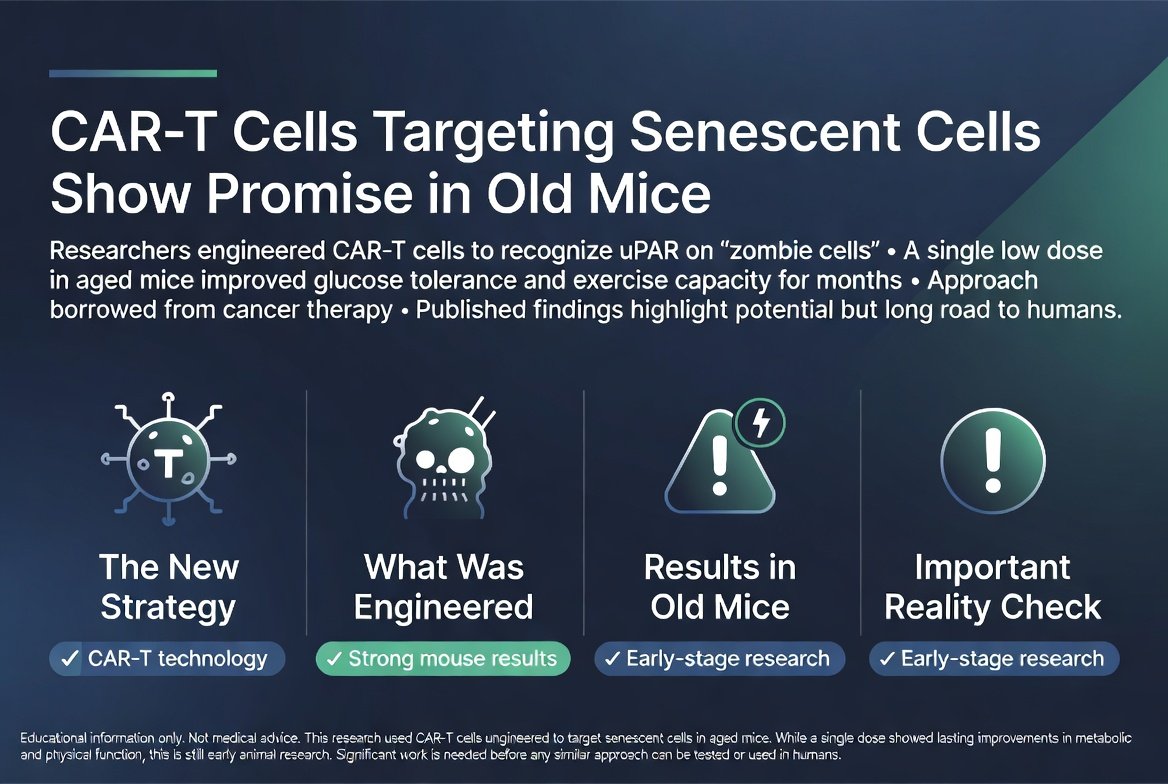
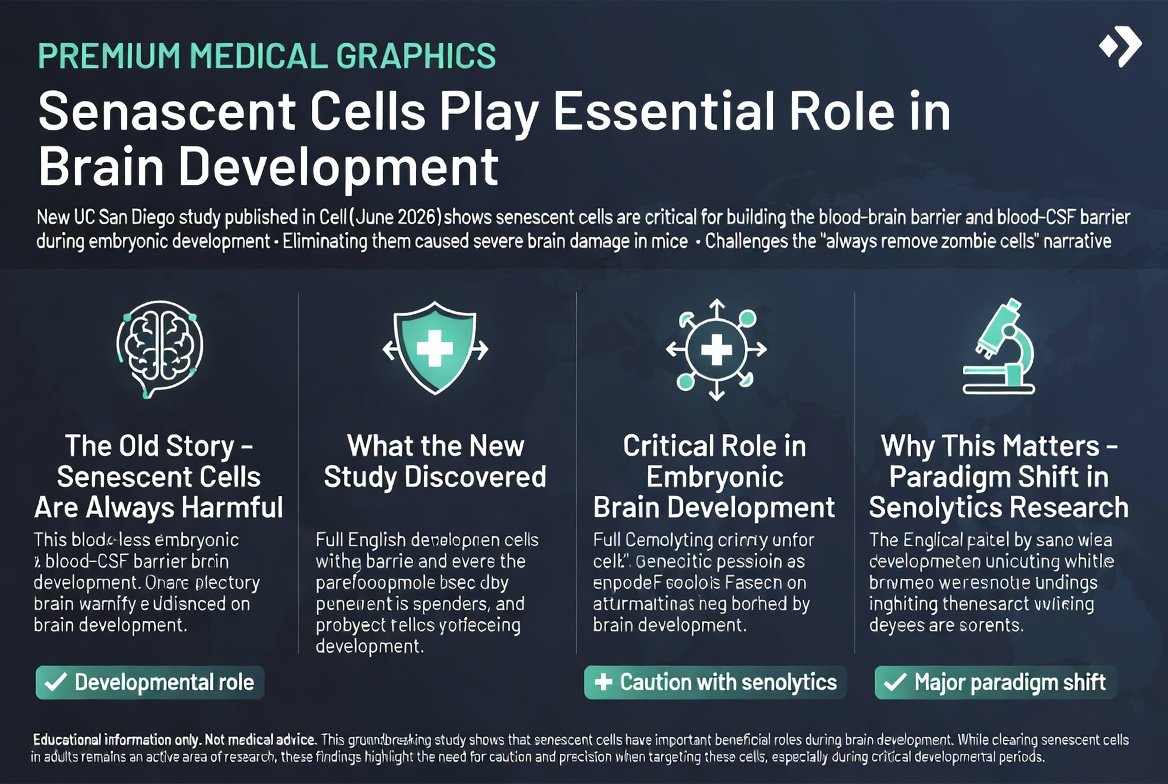
Preliminary studies, mainly in animals, suggest that removing zombie cells reduces baseline inflammation. The effect on vaccine response in humans has not yet been proven: early trials gave mixed results, and some (e.g., the combination of dasatinib+quercetin) showed no improvement in flu vaccine response. This is a promising but still preliminary direction.
What Not to Do?
Common mistakes among older adults:
- "I'm healthy, I don't need a vaccine": A vaccine is important even when you are healthy, to avoid getting infected
- "The flu vaccine gave me the flu": Myth. The vaccine simply caused a mild immune response (a sign it's working)
- Delaying antiviral drugs: If symptoms appear, see a doctor within 24-48 hours
- "I don't leave the house, I won't get infected": Household members, caregivers, visitors—all are sources
Systemic Implications
For healthcare systems:
- Need to prioritize age-adapted vaccines in health funds
- Risk screening: Testing baseline IL-6, CRP levels to assess inflammageing
- Developing new vaccines for neurodegenerative viruses (CMV, age-specific)
What Should People Over 65 Do Now?
- High-Dose Influenza Vaccine: Every fall. Even if you think the vaccine doesn't help—it saves lives in this age group.
- RSV Vaccine: One dose. Protection for several years.
- Updated COVID Vaccine: According to current recommendations (every 6-12 months)
- Pneumococcal Vaccine: PCV20 or PCV15+PPSV23. Once in a lifetime after 65.
- Shingles (Zoster) Vaccine: Shingrix - 2 doses, long-term protection.
The Bottom Line
Aging of the immune system is a field undergoing a revolution. Instead of accepting that "this is how it has to be," 21st-century medicine offers tailored tools. If you (or your parent) are over 65, make sure to get age-adapted vaccines. This is the difference between "I got over the flu" and "I was hospitalized." Be diligent.

💬 Comments (0)
Be the first to comment on the article.