Telomeres are specialized structures found at the ends of chromosomes, resembling small caps that protect the chromosome ends from damage and injury.
They consist of repetitive DNA sequences, along with special structural proteins called the shelterin complex. It is important to distinguish between these structural proteins and telomerase, which is a separate enzyme whose function is to lengthen the telomeres and not to be part of their structure.
Telomeres are essential for normal cell function and play important roles in many processes, including:
- Maintaining genome stability: Telomeres prevent the degradation of chromosome ends, which could lead to loss of genetic information and cell damage.
- Protecting chromosomes from fusion: Telomeres prevent chromosomes from fusing with each other, which could lead to severe genetic syndromes.
- Influencing the aging process: Telomere length shortens with each cell division.
Significant shortening of telomeres is linked to the aging process and many diseases.
Structure of Telomeres
- Repetitive DNA sequence: Telomeres are composed of a repetitive DNA sequence, primarily consisting of the base sequence TTAGGG.
- Shelterin complex proteins: A group of six structural proteins (including TRF1, TRF2, and POT1) that bind to the telomeric DNA sequence, folding the chromosome end into a protective structure and preventing the cell from mistakenly identifying the chromosome end as a DNA break that needs repair.
- Telomerase (separate enzyme): A reverse transcriptase enzyme capable of adding TTAGGG sequences and lengthening the telomeres. It is not part of the structure but acts upon it. In most adult body cells, its activity is very low, so telomeres gradually shorten.
Functions of Telomeres
- Maintaining genome stability: Telomeres prevent the degradation of chromosome ends, which could lead to loss of genetic information and cell damage.
- Protecting chromosomes from fusion: Telomeres prevent chromosomes from fusing with each other, which could lead to severe genetic syndromes.
- Influencing the aging process: Telomere length shortens with each cell division. Significant shortening of telomeres is linked to the aging process and many diseases.
Why Telomeres Shorten
The main reason for telomere shortening is called the "end replication problem." In each cell division, the DNA replication machinery cannot fully copy the end of the lagging strand because after the removal of the last primer, a short segment remains that cannot be completed. As a result, a small portion of the chromosome end is lost with each division.
In each cell division, telomeres lose approximately 50 to 100 base pairs. Telomeres serve as a "buffer" that sacrifices itself so that important genetic information is not damaged. When telomeres shorten below a critical threshold, the cell stops dividing and enters a state of cellular senescence or programmed cell death. This limit on the number of divisions of a human cell is called the "Hayflick limit." In addition to the end replication problem, oxidative stress and DNA damage also accelerate the rate of telomere shortening.
Factors Affecting Telomere Length
- Cell division: With each cell division, telomere length shortens slightly due to the end replication problem.
- Oxidative stress: Oxidative stress factors, such as smoking, radiation exposure, and pollution, can accelerate telomere shortening.
- Diseases: Many diseases, such as degenerative diseases, are associated with telomere shortening.
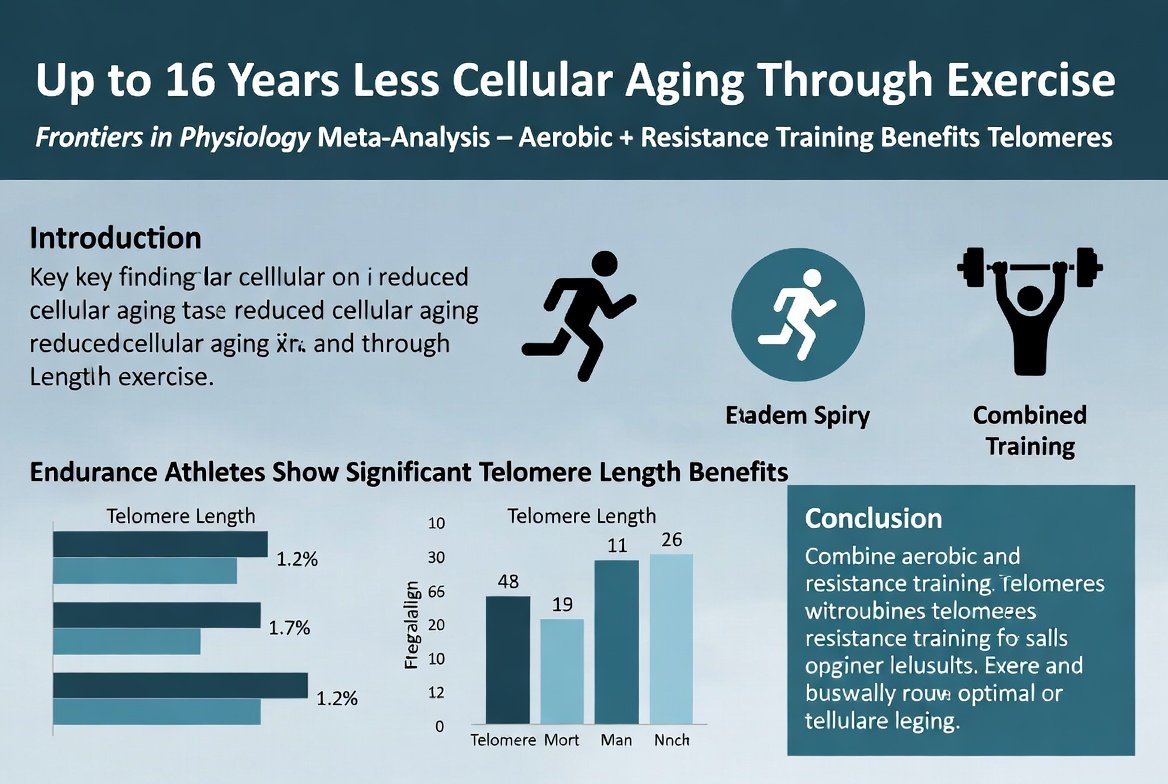
- Lifestyle: Studies show a link between a healthy lifestyle and longer telomere length.
Factors Affecting Telomere Lengthening
- Physical activity: Regular physical activity is associated with longer telomeres.
- Healthy diet: A diet rich in fruits, vegetables, and whole grains is associated with longer telomeres.
- Adequate sleep: Adequate sleep is important for repairing cell damage, including damage to telomeres.
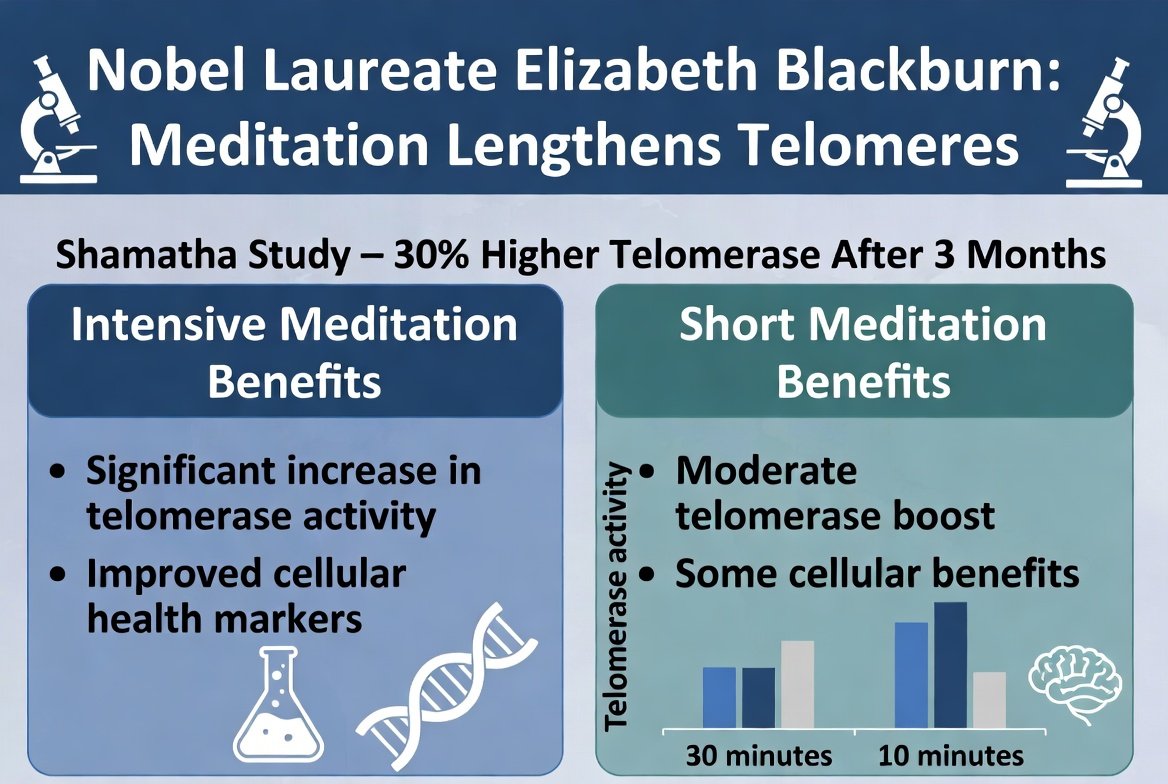
- Telomerase activity: The enzyme telomerase can lengthen telomeres, but in most adult body cells, it is almost inactive. Attempts to activate it deliberately are still in the research phase.
The Enzyme Telomerase
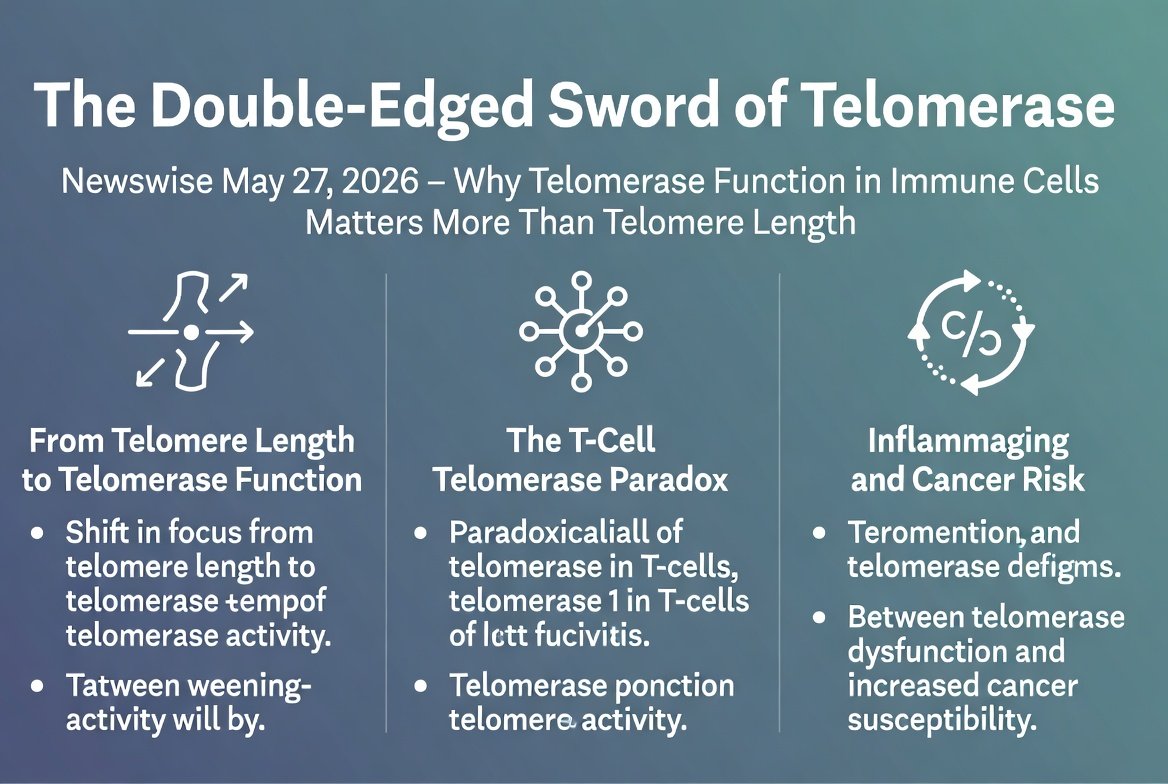
- Telomerase: This enzyme is responsible for lengthening telomeres by adding new TTAGGG sequences to the chromosome end. It is mainly active in stem cells, germ cells, and cancer cells.
- Shelterin proteins: These structural proteins bind to the telomeric DNA sequence, protect the chromosome end, and regulate telomerase access to it.
Diseases Associated with Telomeres
- Cancer: Contrary to intuition. To divide indefinitely and become "immortal," most cancer cells (over 85 percent) reactivate the enzyme telomerase, or use an alternative mechanism called ALT, and thus they maintain their telomere length instead of losing it. This allows the cancer cell to continue dividing repeatedly without the telomeres shortening to a critical state that would stop it.
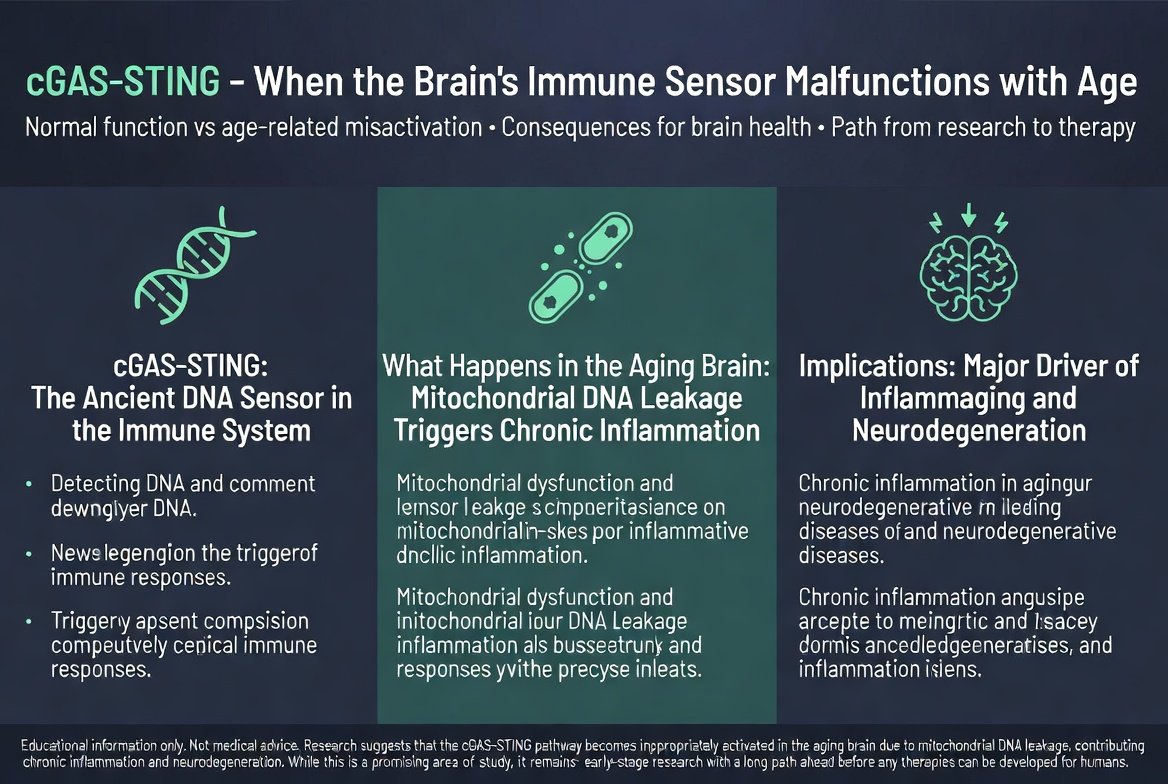
- Degenerative diseases: Many degenerative diseases, such as Alzheimer's disease and Parkinson's disease, are associated with telomere shortening.
The reason for this is not entirely clear, but it is possible that telomere shortening impairs the normal function of brain cells. - Cardiovascular diseases: Cardiovascular diseases are also associated with telomere shortening.
The reason may be that telomere shortening impairs the normal function of blood vessel wall cells. - Immune diseases: Conditions of chronic overactivation of the immune system, such as AIDS, are associated with telomere shortening in white blood cells.
The reason may be that accelerated division of immune system cells shortens their telomeres.
Telomere Research
Telomere research is a highly active field, and there is significant progress in understanding the roles of telomeres and their connection to diseases.
This research may lead to the development of new treatments for many diseases associated with telomere shortening.
Potential Treatments (Research Stage Only)
It is important to emphasize that all treatments described here are experimental and in early research stages (in the lab and in animals), and are not available as approved medical treatments in humans.
- Telomerase activation: Substances aimed at increasing the activity of the enzyme telomerase to slow telomere shortening are being studied. This approach is still experimental and also raises safety concerns, as telomerase activation could contribute to the survival of cancer cells.
- Gene therapy: The possibility of using gene editing to increase the production of the enzyme telomerase in cells is being examined in research. This approach is still far from clinical use and is only in preliminary research.
- Stem cell therapy: The possibility of using stem cells to replace cells with short telomeres is being studied.
This treatment is still only in early research stages.
Summary
Telomeres are specialized structures found at the ends of chromosomes and play important roles in normal cell function.
Telomere length shortens with each cell division due to the end replication problem, and significant shortening of telomeres is linked to the aging process and many diseases.
Telomere research may lead to the development of new treatments for many diseases associated with telomere shortening.



💬 Comments (0)
Be the first to comment on the article.