Years of research on brain aging have focused on the question: what causes brain cells to lose communication with each other with age? A new study from the University of California, San Francisco (UCSF), published in Nature Aging, provides a sharp answer: a single protein called FTL1 that intensifies with age and causes the depletion of neural connections. And the big surprise: when it is neutralized, the process reverses.
What is FTL1?
FTL1 (Ferritin Light Chain 1) is a protein responsible for storing iron inside cells. In reasonable amounts, it is essential for normal function. But the new study shows something troubling: with age, FTL1 levels in the hippocampus (the brain region responsible for memory and learning) rise dramatically, and at the same time, connections between brain cells weaken and a person loses memory abilities.
The Experiment: They Took Old Mice and Rejuvenated Them, and Vice Versa
A team led by Saul Villeda at UCSF conducted two parallel experiments:
- In old mice: reduced FTL1 levels. Within a short time, brain cells began rebuilding lost connections, and the mice showed improvement in memory test performance
- In young mice: increased FTL1 levels. Their brains began to function like those of old mice, with fewer neural connections
The finding that stunned the team: nerve cells engineered to produce excess FTL1 developed simple neural structures, instead of the complex branches that characterize a healthy cell. That is, FTL1 not only slows function but actually changes the physical shape of the cell.
"This is truly a reversal of deficits. It's much more than just delaying or preventing symptoms," explained Saul Villeda.
The Secret Connection: Metabolism
The next question was: how does FTL1 damage cells? The answer surprised the researchers. High levels of FTL1 slow down cellular metabolism in the hippocampus. Brain cells do not receive the energy they need to maintain their connections, and this loss of connections is exactly what we recognize as cognitive decline.
And here comes the practical step: when the researchers treated cells with a compound that improves metabolism, the negative effects of FTL1 were completely prevented. That is, the cause is not the iron itself, but the shutdown of metabolism that the protein performs.
What Does This Mean for Humans?
It is important to be cautious. The experiments were conducted only in mice, and it will take time to know if a similar finding holds in humans. But the findings open promising directions:
- A new drug target: Villeda expressed optimism that the work could lead in the future to treatments that block the effects of FTL1 in the brain
- A possible biomarker: Previous studies found a link between ferritin levels in cerebrospinal fluid and blood and cognitive function. A hypothesis (ours, not a stated goal of the study) is that in the future, measuring such levels could serve as a tool for assessing brain aging, but this has not yet been tested
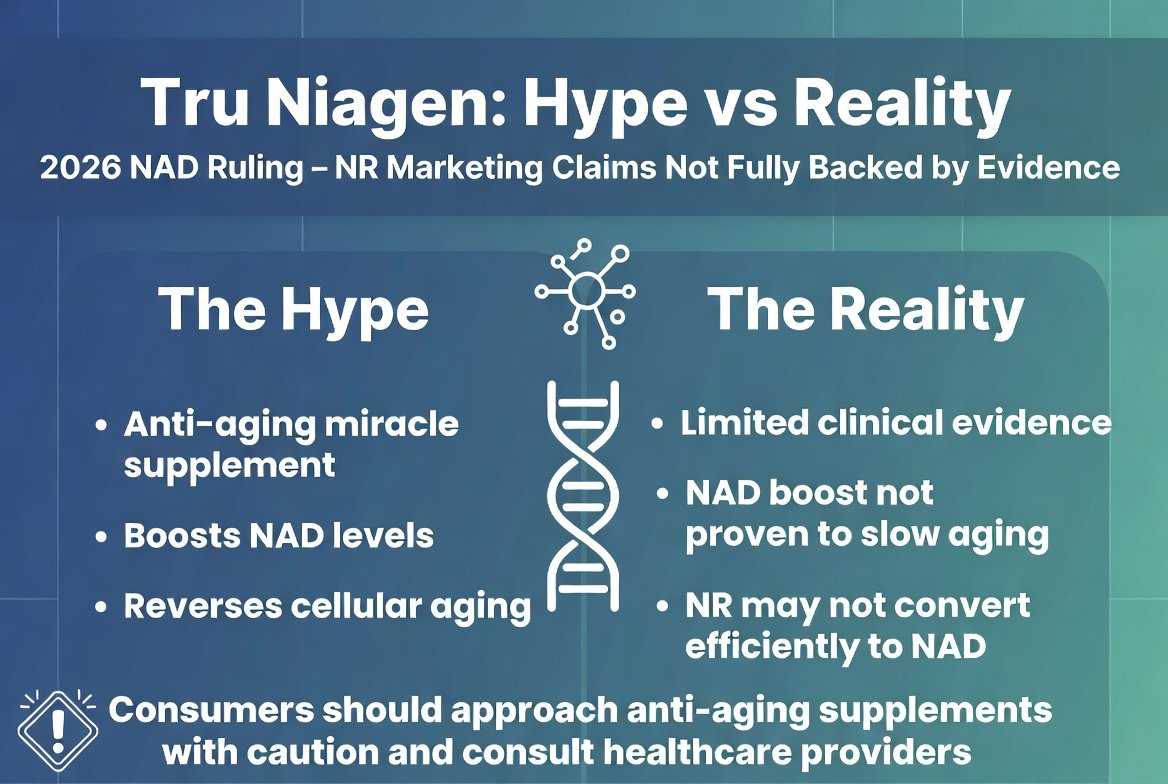
- Boosting metabolism: Dietary approaches and supplements that improve brain metabolism (such as NAD+, creatine, MCT) gain a clearer theory for why they might help
The Broader Context: The Brain Aging Revolution
FTL1 joins a growing list of proteins linked to brain aging, including:
- SASP proteins secreted by senescent cells (zombie cells)
- Growth factors that decline with age, such as BDNF
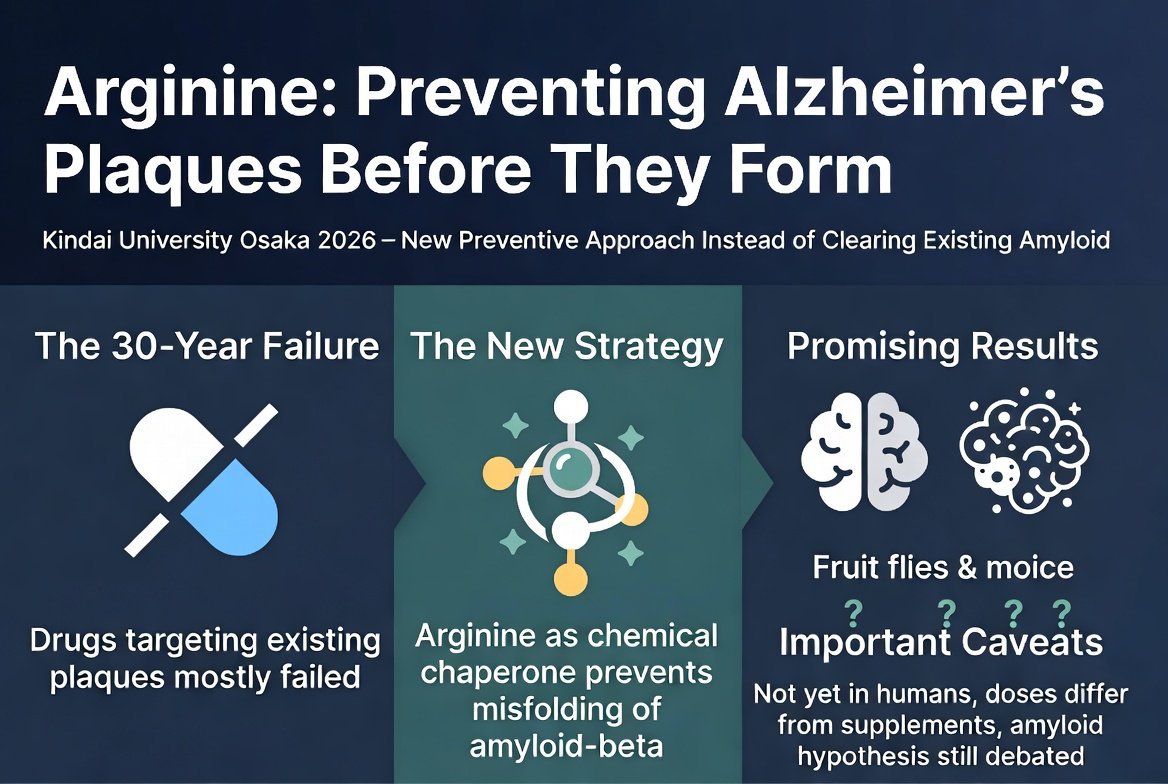
- TAU and amyloid proteins that accumulate in Alzheimer's
But FTL1 is unique in one important sense: reducing it alone was enough to reverse cognitive decline in mice. Most previous approaches only managed to slow aging, not turn it back.
Next Steps
The research is at the mouse stage. The UCSF team hopes that the new understanding of FTL1's role could lead in the future to treatments that target the protein in the brain, but no timeline for human trials has been announced, and currently there is no known drug that lowers FTL1 in humans. As Villeda said, "We are seeing more and more opportunities to alleviate the severe consequences of old age." Until such treatments are developed, the practical insight remains: maintaining healthy brain metabolism through diet, physical activity, and quality sleep is the best protection we have today.

💬 Comments (0)
Be the first to comment on the article.