Inside every cell in our body, tiny "power plants" operate – the mitochondria. They are responsible for producing essential energy for normal cell function. Mitochondria can be likened to tiny engines that convert nutrients (mainly glucose) into usable energy (ATP) required for all cellular activities. This energy enables cells to perform a variety of vital processes, such as DNA repair, cell division, movement, and more.
Structure and Function of Mitochondria:
Mitochondria are tiny organelles surrounded by a double membrane. The inner membrane is uniquely folded, creating membrane-like folds called "cristae." The increased surface area of the cristae allows for the organization of more complexes of the electron transport chain and the ATP synthase enzyme, thereby maximizing energy (ATP) production.
In addition to the double membrane, mitochondria contain their own DNA, distinct from the DNA found in the cell nucleus. This DNA, known as mtDNA, is essential for producing specialized enzymes required for the process of cellular respiration. It is important to be precise: the breakdown of glucose itself (glycolysis) occurs in the cell fluid (cytoplasm) and not inside the mitochondria. Only the intermediate product, pyruvate (which is converted to acetyl coenzyme A), enters the mitochondria. There, in the inner matrix and inner membrane, most of the usable energy (ATP) is produced through the Krebs cycle and the electron transport chain, from pyruvate and acetyl coenzyme A derived from glucose, fats, and amino acids.
The Connection Between Mitochondria and Aging:
With age, there is a gradual decline in the efficiency of mitochondria. This decline results from several factors, including:
- Damage to mtDNA: Over the years, mutations accumulate that can impair the production of enzymes essential for cellular respiration. For many years, the hypothesis ("free radical theory of aging") prevailed that the main damage was caused by oxidation, but it is now controversial. Current evidence indicates that a significant portion of mutations actually stems from replication errors by the enzyme polymerase gamma: "mutator" mice with defective polymerase gamma age prematurely due to a mutation load, not necessarily due to increased oxidative stress. Therefore, it is common to view mtDNA damage as a contributing factor to aging, rather than a proven and sole cause.
- Accumulation of Damaged Proteins: Damaged proteins tend to accumulate in mitochondria with age, impairing their function.
- Decreased Efficiency of Respiratory Systems: These systems are responsible for using oxygen to produce energy, and with age, they operate less efficiently.
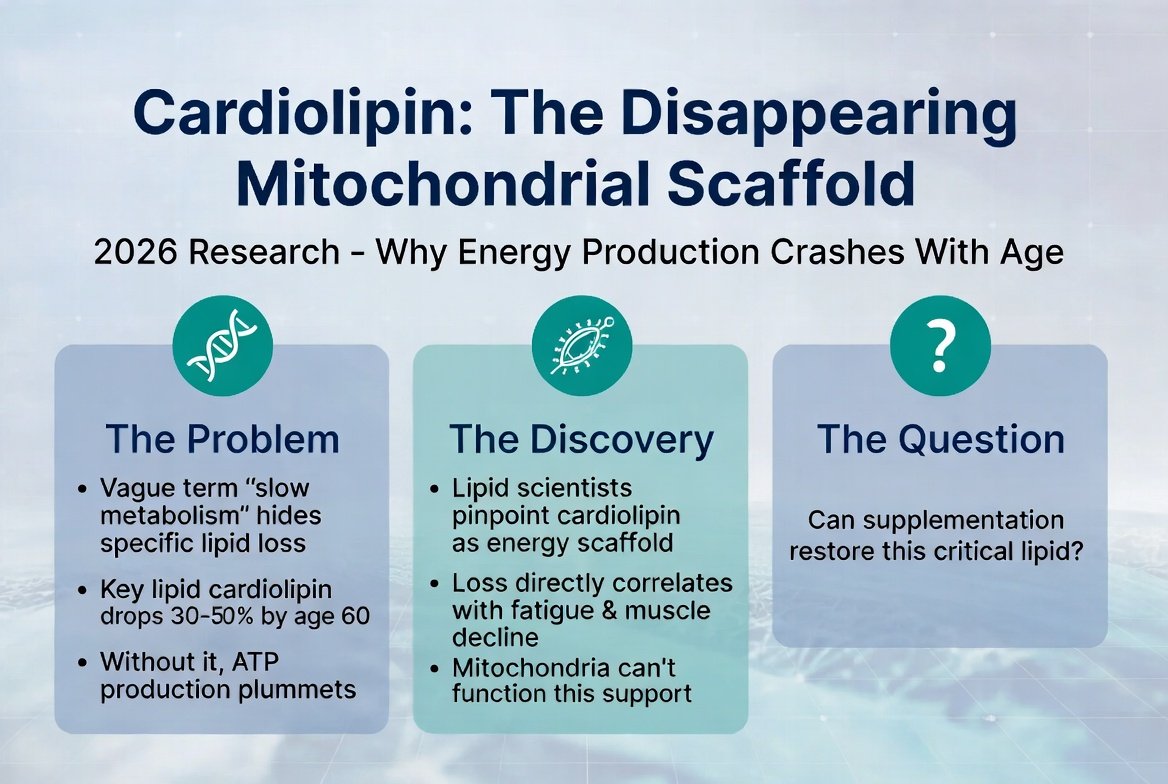
- Changes in the Mitochondrial Membrane: These changes cause leakage of essential substances and impair mitochondrial function.
Effects of Decreased Energy Production:
A decrease in mitochondrial energy production impairs cell function, and consequently, reduces the ability for regeneration, damage repair, and cell division. As a result, we witness many phenomena associated with aging, including:
- Decreased Muscle Strength: Muscles require a lot of energy for their activity. A decrease in mitochondrial energy production leads to reduced muscle strength and endurance.
- Decreased Brain Function: The brain requires a lot of energy for its normal activity. A decrease in mitochondrial energy production leads to reduced memory, concentration, and cognition.
- Decreased Immune System Function: Immune system cells require a lot of energy for their activity. A decrease in mitochondrial energy production leads to a reduced ability of the immune system to fight infections.
- Accelerated Skin Aging: A decrease in mitochondrial energy production leads to reduced production of collagen and elastin, proteins essential for maintaining the skin.
Ways to Address Decreased Energy Production:
- Physical Activity: Physical activity increases the production and efficiency of mitochondria. Aerobic activity, such as running, swimming, and cycling, is particularly effective for improving mitochondrial function.
- Proper Nutrition: A balanced diet rich in vegetables, fruits, and whole foods supports overall health. However, it is important to be precise: taking antioxidant supplements (such as vitamin C and E) has not shown consistent benefit in slowing aging or protecting mitochondria in human studies, and high doses may even impair the body's adaptation to exercise. It is better to obtain antioxidants from food itself, rather than from high-dose supplements.
- Dietary Supplements: Certain dietary supplements, such as coenzyme Q10 and omega-3 fatty acids, may contribute to normal mitochondrial function.
- Innovative Treatments: New studies are examining innovative treatments, such as gene therapy and genetic engineering, that may repair mitochondrial energy production failures. These treatments are still in early stages, but may offer a future solution for slowing the aging process.
Expansions:
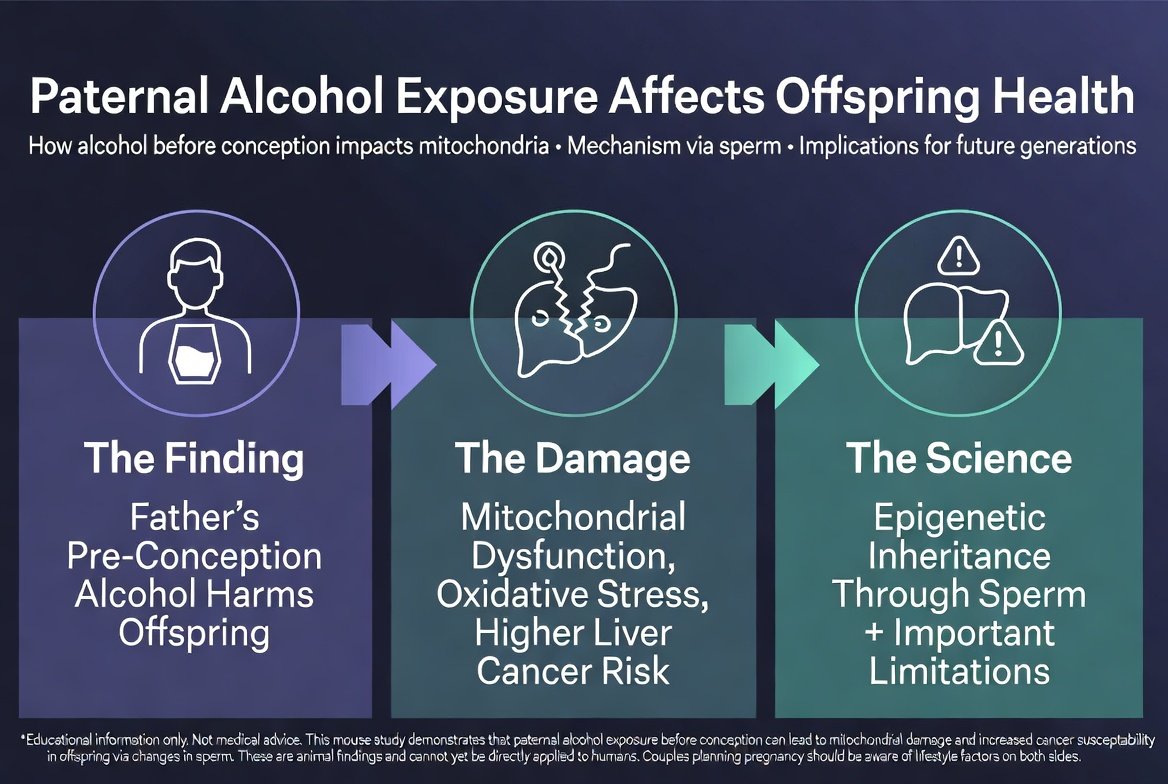
- The Connection Between Mitochondria and Diseases: Many diseases, such as cancer, cardiovascular diseases, and neurodegenerative diseases, are linked to mitochondrial dysfunction. Studies indicate that mitochondrial dysfunction contributes to the development of these diseases, as well as their worsening.
- Psychological Effects of Decreased Energy Production: A decrease in mitochondrial energy production is also linked to reduced cognitive functions and depression. Studies indicate a connection between mitochondrial dysfunction and reduced memory, concentration, and mood.
- The Ethics of Innovative Treatments: Innovative treatments focused on improving mitochondrial function raise many ethical questions. These questions concern, among other things, the safety of the treatments, their long-term effects, and their accessibility to different populations.


💬 Comments (0)
Be the first to comment on the article.