In 2026, the study of cellular senescence, commonly known as 'zombie cells', is at a moment of maturity. If in the previous decade the field was like an excited teenager, discovering a new molecule every day and a new experimental drug every month, today it has become a more cautious and established discipline. A new academic review published in the journal Aging (Aging-US) in May 2026, by a group of researchers from West China Hospital and Sichuan University in China, offers an updated perspective on the question: how does a cell become a zombie, and why does it matter to us?
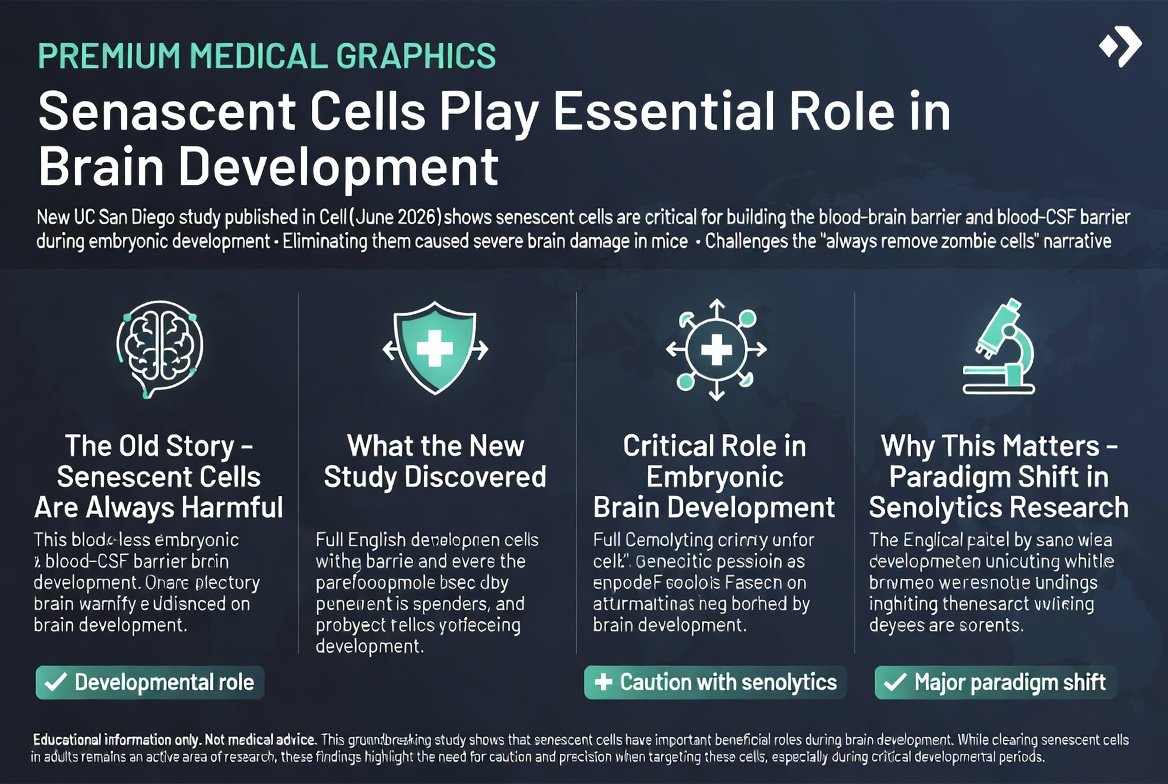
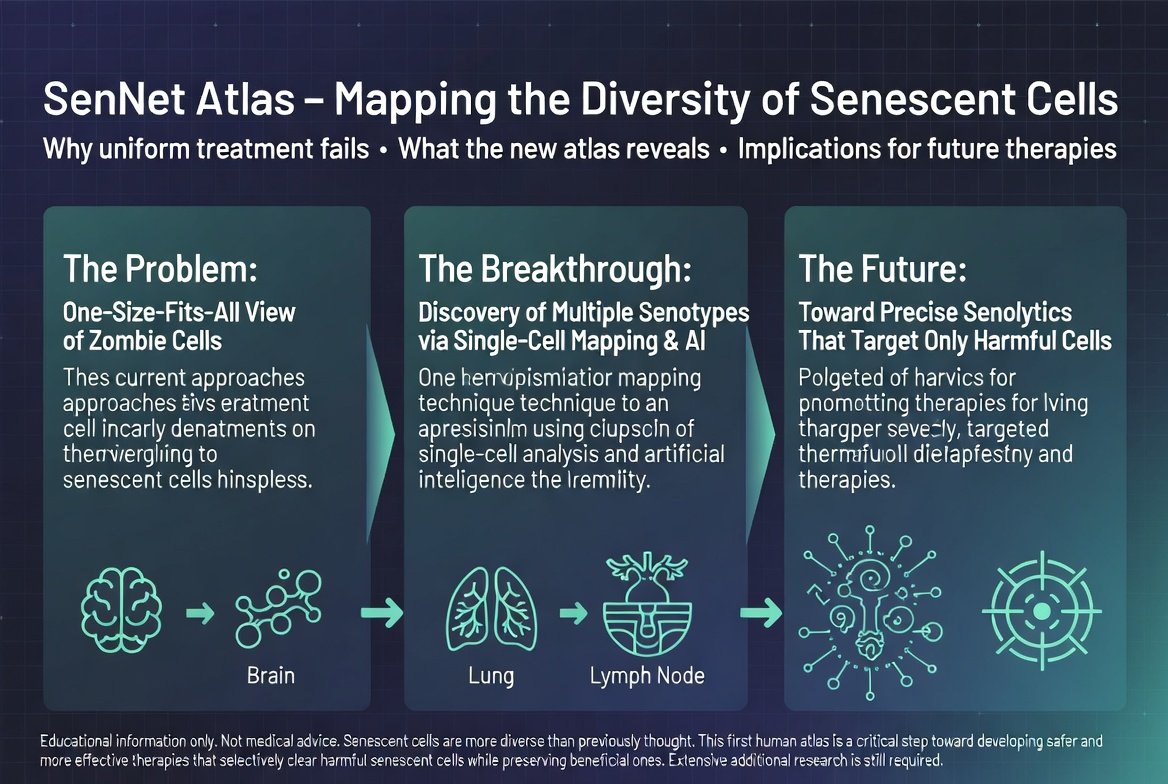
The review does not focus on a single new drug, but on a conceptual shift. Its central claim is that senescent cells are not uniform: some are harmful, some are actually beneficial, and the future of the field is not 'to eliminate them all' but precise intervention, selective removal of pathogenic zombies while preserving those necessary for the body. The researchers propose an approach of 'prevention first, then precise intervention'.
In this article, we will focus on the mechanistic side: we will dive into the biological pathways that push a cell into senescence, and honestly examine where the science of senolytics and biomarkers really stands in 2026, what is already known and what is still far from the clinic.
What is Cellular Senescence?
Cellular senescence is a biological state in which a cell stops dividing but does not die. It remains in the tissue, consumes energy, and secretes a cocktail of molecules that affect its neighbors. The phenomenon was first described in 1961 by Leonard Hayflick, but modern understanding of it has only developed in the last two decades.
- Permanent growth arrest: The cell no longer responds to growth signals. It is 'stuck' in the G1 phase of the cell cycle and cannot proceed further.
- Morphological change: The cell becomes larger, flatter, with an enlarged nucleus and cytoplasmic granules.
- SASP secretion: Senescence-Associated Secretory Phenotype, a unique secretory profile including inflammatory cytokines (IL-6, IL-8, TNF-alpha), tissue-degrading enzymes (MMPs), and growth factors.
- Accumulation with age: The zombie load in tissues increases with age, but in a tissue-dependent manner. In the skin of older people, for example, measurements indicate a relatively low percentage, usually in the range of a few percent up to about 10-15% in certain tissues at advanced age, not a 'takeover' of the tissue by zombie cells.
- Link to dozens of age-related diseases: Alzheimer's, Parkinson's, type 2 diabetes, osteoarthritis, pulmonary fibrosis, heart failure, and atherosclerosis.
It is important to understand: Senescence is not just a malfunction, but also a programmed genetic plan. It evolved evolutionarily as a protective mechanism against cancer. When a cell accumulates dangerous DNA damage, it has three options: repair the damage, die by apoptosis, or enter senescence. Senescence is the middle choice, to stay alive to signal 'I am damaged, do not divide', and wait for removal by the immune system.
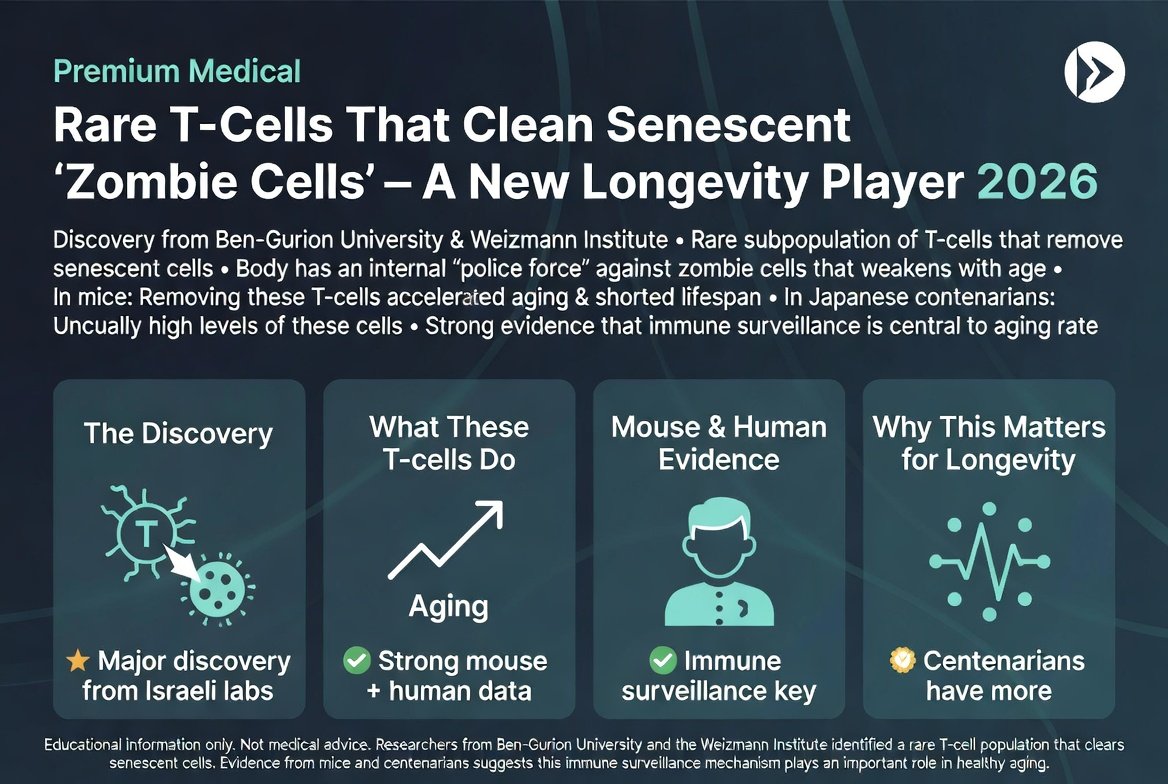
The problem is that with age, the immune system begins to fail in its removal work. The zombies that should be cleared remain in the tissue, accumulate, and cause chronic inflammation, which is a central part of most age-related diseases. This is the Inflammaging hypothesis, the inflammation that develops with aging.
The Molecular Mechanisms: The Gateways to Senescence
A cell can reach senescence through several major molecular pathways. It is important to note that these are not 'four official rules' defined by the review, but a convenient grouping of the mechanisms that science identifies as pushing a cell into senescence. They integrate and feed into each other, and each is also a potential target for intervention.
Mechanism 1: DNA Damage Response (DDR)
DNA damage, whether from oxidative stress, radiation, or replication errors, activates a complex signaling system called the DNA Damage Response, or DDR for short. The key proteins in it are ATM, ATR, and p53. When the damage is too severe to repair, the DDR activates the p16INK4a and p21 genes, which stop cell division and cause it to enter senescence.
The interesting finding: Even DNA damage that cannot be fully repaired can activate chronic DDR, which maintains the cell in a senescent state over time. These cells are a major source of zombies with high p16 expression, considered the more pathogenic version.
Mechanism 2: Telomere Shortening
Telomeres are the 'protective caps' at the ends of chromosomes. With each cell division, they shorten by about 50-200 nucleotides. When they reach a critical length, the cell recognizes the exposed ends as DNA damage and enters replicative senescence. This is the famous 'Hayflick limit', the phenomenon Hayflick himself discovered in 1961.
Telomerase, the enzyme that lengthens telomeres, is mainly active in stem cells and germ cells. Most somatic cells do not express it, so they 'count' their divisions and must stop after a limited number of divisions. Telomere shortening is an 'internal clock' of senescence, and this explains why our cells cannot regenerate forever.
Mechanism 3: Mitochondrial Dysfunction
Mitochondria, the 'powerhouses' of the cell, function less efficiently with age. They produce less ATP, more ROS (Reactive Oxygen Species), and lose efficiency in energy production. This dysfunction is both a result and a cause of senescence: on one hand, zombie cells exhibit defective mitochondria. On the other hand, mitochondrial damage can serve as a trigger for entering senescence.
The mechanism: ROS from damaged mitochondria causes DNA damage, which activates DDR, leading to senescence. Additionally, NAD+, a critical molecule for mitochondrial metabolism, declines by about 40-50% by around age 50 (in a tissue-dependent manner). This decline may contribute to the increase in senescence load. This is one reason NAD+ and NMN supplements receive attention in the anti-aging field, although, as we will see, human evidence is still limited.
Mechanism 4: Oxidative Stress
Oxidative stress occurs when ROS production exceeds the cell's antioxidant defense capacity. ROS causes damage to proteins, lipids, and DNA, which ultimately activates the DDR. Oxidative stress can come from internal sources (damaged mitochondria, inflammation) or external sources (radiation, air pollution, smoking, alcohol, and an unbalanced diet).
It is important to understand: ROS is not necessarily bad. At low levels, it serves as an essential signaling molecule. The problem is imbalance, too much ROS, and too few antioxidants. With age, this balance tends to break in favor of ROS, which drives senescence.
Where Do the Studies Really Stand in 2026
This is the part where we need to speak honestly. Around the topic of senescence, there are quite a few inflated promises and sensational headlines. So what is really known, and what is still speculative?
Heterogeneity: There is No Single 'Zombie'
The most established message from recent years, and the one at the heart of the review, is that senescence is not a uniform state but a range of states. Different senescent cells express different markers, secrete different SASP, and were created through different pathways. This explains why one senolytic drug does not work on all zombies, and this is precisely why the field is moving towards precise interventions rather than 'mass killing'.
Telomerase Gene Therapy: What Has Been Proven (In Mice)
The classic evidence that telomere lengthening can slow aging comes from an older but robust study: a team led by Maria Blasco and Bruno Bernardes de Jesus from CNIO in Spain, published in EMBO Molecular Medicine in 2012. They injected adult and old mice with an AAV vector containing the telomerase gene (TERT). The result: mice treated at one year of age showed an approximately 24% increase in median lifespan, and mice treated at two years of age showed an approximately 13% increase, along with improvements in insulin sensitivity, bone density, and neuromuscular coordination.
The important point: The experiment did not show an increased risk of cancer, contrary to the early concern about telomerase. But it is important to remember that this is in mice. Telomerase gene therapy in humans is still very far from approval, and the results should be read with caution.
NAD+ and NMN: Human Evidence is Limited
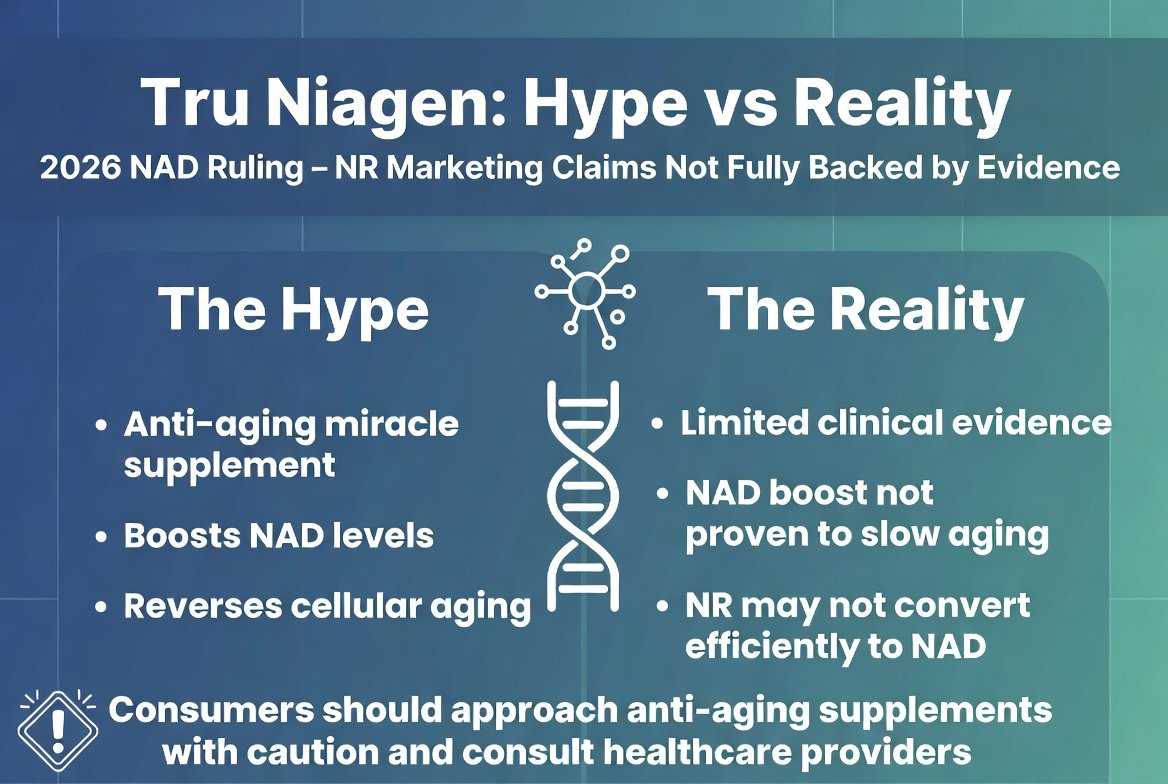
Despite the extensive talk about NMN and NR as supplements that raise NAD+, it is important to be precise: the human trials conducted so far are small, short-term, and have not consistently shown a reduction in senescence load in the skin or lifespan extension. They do show that NAD+ levels can be raised, but the leap from 'raises NAD+' to 'slows aging in humans' has not yet been bridged by strong evidence. Those interested should see this as a promising hypothesis, not an established fact.
Biomarkers for Identifying Zombies: Still in Development
One of the biggest hurdles is the ability to clinically distinguish between a pathogenic zombie and a beneficial one. Markers like p16, p21, and Beta-2-Microglobulin (B2M) are being studied as potential markers. B2M is a surface protein reported to appear on senescent cells, and in 2021, a proof-of-concept of a toxin-conjugated antibody (ADC) targeting it was presented, which eliminated senescent cells in culture. But these are early stages: there is currently no approved clinical test that measures 'zombie load', and no B2M-based human senolytic is approved or has a definite timeline for the market.
SASP as an Inflammation Measure: A Direction, Not a Promise
Components of the SASP, particularly IL-6 and IL-8, are being studied as potential markers for systemic inflammation and senescence load. High systemic inflammation is indeed linked in the literature to morbidity and mortality. But turning SASP proteins into an accurate 'biological age test' is still a research goal, not an established clinical tool. It is best to view this as a promising direction, not a ready-made tool.
What About Specific Age-Related Diseases?
One of the interesting aspects of senescence research is that the molecular mechanisms translate into concrete pathologies in different age-related diseases:
- Alzheimer's: Senescence of microglial cells in the brain may contribute to chronic inflammation associated with amyloid plaque and tau accumulation.
- Parkinson's: Accumulation of zombies around the substantia nigra is linked to the death of dopaminergic neurons, with oxidative stress considered a major factor.
- Type 2 Diabetes: Senescence of pancreatic beta cells may reduce insulin production.
- Osteoarthritis: Senescence of chondrocytes in cartilage is linked to joint degradation, with mechanical damage and oxidative stress as triggers.
- Pulmonary Fibrosis (IPF): Senescent fibroblasts in the lungs secrete excess extracellular matrix.
- Heart Failure and Atherosclerosis: Senescence of heart muscle cells and vascular wall cells is linked to decreased function and stiffness, with mitochondrial dysfunction and oxidative stress as prominent factors.
The appealing idea here: If a common mechanism underlies several age-related diseases, one intervention that acts on it could affect several of them simultaneously. This is the strategy of the geroprotector, the 'pan-disease' drug. However, as of 2026, this is still a research goal, not a clinical reality.
Should We Start Taking Senolytics?
This is a question that interests millions of people, and the answer in 2026 is still very cautious.
No Senolytics Approved for Treating Aging
As of May 2026, there is no senolytic drug approved by the FDA for the general treatment of aging. Dasatinib is approved for certain types of leukemia, quercetin and fisetin are dietary supplements being tested in clinical trials. All use for anti-aging is off-label and not sufficiently established.
The Danger of an Imprecise Approach
Precisely because senescent cells are not uniform, 'blanket' senolytics could also eliminate beneficial zombies, which are necessary for wound healing and tissue maintenance. This is one of the main reasons the field is moving towards precision instead of mass killing, and it is also why uncontrolled self-experimentation is dangerous.
Open Questions on Diagnosis
Biomarkers that distinguish between pathogenic and beneficial zombies are still in development. p16, p21, B2M, methylation signatures, all are being studied academically, but their accuracy in the clinic has not yet been proven. Without reliable diagnosis, even a precise drug will struggle to know exactly who it is supposed to target.
What to Take Away from the Research?
- Don't rush to take unproven senolytics. The evidence suggests that blanket senolytics could be as harmful as they are beneficial. It is better to wait for precise drugs that undergo proper clinical trials.
- Address the mechanisms through lifestyle. DNA damage, telomere shortening, mitochondrial dysfunction, and oxidative stress are directly influenced by daily choices. Avoid smoking, excessive alcohol, and air pollution.
- Eat a Mediterranean diet rich in polyphenols. Vegetables, fruits, legumes, olive oil, and fish. Such a diet is consistently linked to less systemic inflammation and better health.
- Support your mitochondria. Regular physical activity, including endurance and strength training, promotes mitophagy, the process that removes damaged mitochondria. This is one of the most established interventions.
- View NMN or NR with a critical eye. They raise NAD+ and are considered relatively safe, but human evidence for anti-aging benefit is still limited. If you do take them, see it as an unproven personal experiment, not an established treatment.
- Check basic inflammatory markers. Levels of hsCRP and HbA1c in a standard blood test give an indication of systemic inflammation and metabolic health. High levels are a reason for lifestyle action.
- Invest in quality sleep. Sleep is a critical time for body maintenance, repair, and immune system function. 7-9 hours of quality sleep is important for long-term health.
- Follow the field with a sober eye. Precise senolytics and senescence biomarkers are an exciting field, but also one rife with premature promises. Distinguishing between preliminary research and proven intervention is the most useful tool you have.
The Broader Perspective
The new review in Aging marks an interesting moment in aging research: the transition from enthusiasm for 'killing zombies' to a more mature approach of precision and discrimination. Instead of asking 'how do we eliminate all zombie cells', the question becomes 'which cells are exactly harmful, and how do we remove only them without harming the beneficial ones'.
One can see a historical parallel to the field of cancer. When Douglas Hanahan and Robert Weinberg presented the Hallmarks of Cancer framework in Cell in 2000, they helped unify an entire field of disconnected mechanisms. Senescence research is today on a similar journey towards a unified framework, although it is important not to exaggerate: this review does not declare official 'hallmarks of senescence', but offers a more organized way of thinking.
And there is something deeper here: Senescence is not a superfluous phenomenon, but also an evolutionary protective mechanism. A body without any senescence would struggle to heal wounds and protect itself from cancer. The goal is not to eliminate senescence, but to direct it, to distinguish between beneficial and harmful, and to act with gentleness and precision.
It is also important to mention the connection to other fields. Senescence integrates with metabolism (NAD+), the immune system (Inflammaging), nutrition, and physical activity (mitophagy). There is no single drug that will solve everything, but a broad framework that combines lifestyle, nutritional interventions, and eventually, perhaps, precise drugs.
And there is reason for cautious optimism. It is possible that in the coming decade we will see a new generation of precise interventions that target only the pathogenic zombies. But even if that happens, the foundation will remain lifestyle: a Mediterranean diet, regular physical activity, quality sleep, stress management, and social connections. These are the ground on which any future drug will act, and a person who takes care of their lifestyle will get the most out of any future breakthrough.
The summary of senescence mechanisms and aging in 2026 is essentially a story of a field coming of age. We know much more than ever, and we are also more humble than we were a decade ago. We understand that biology is not simple, that every phenomenon is a double-edged sword, and that real solutions require caution, precision, and long-term work. And that, ultimately, is the good news: that we are on the right path, even if slower than we had hoped.
References:
Aging (Aging-US) - Cellular senescence: from pathogenic mechanisms to precision anti-aging interventions (May 2026, DOI 10.18632/aging.206375)
EMBO Molecular Medicine - Bernardes de Jesus et al., Telomerase gene therapy in adult and old mice (2012)

💬 Comments (0)
Be the first to comment on the article.