In recent years, the home beauty device market has simply exploded. Rollers with tiny needles, microneedling pens, microcurrent devices like NuFace, gua sha stones, ice rollers, and red light masks—all promise younger, firmer skin from home. Meanwhile, aesthetic clinics offer stronger treatments: deep needling, RF, chemical peels, lasers, and injections. The promises are big, prices range from tens to thousands of shekels, and the confusion is immense.
The real problem is that most of what you'll find online on this topic is marketing, not science. Every manufacturer promises collagen, tightening, and rejuvenation. In this guide, we'll do something different: we'll honestly explain what each treatment actually does, rate each one based on scientific evidence, and crucially, sort them all into three clear safety levels. Because the difference between a superficial home roller and an injection into the skin isn't just a difference in intensity—it's a difference in who should even be touching your skin.
How to Read This Guide: Three Safety Levels and Three Colors
Before we dive into the treatments themselves, it's important to understand the two marking systems we'll use throughout the guide. The first is the safety level, and the second is the evidence rating.
We'll sort each treatment into one of three safety levels:
- Level 1, Relatively Safe at Home (with Warnings). Devices that a reasonable person can use on their own with caution, such as superficial microneedling, microcurrent, gua sha and facial massage, ice rollers, and home red light masks.
- Level 2, Only in a Licensed Clinic. Treatments that require a dermatologist or licensed practitioner, such as deep needling, RF microneedling, deep chemical peels, lasers, and ultrasound tightening. Do not do these on your own, under any circumstances.
- Level 3, Medical and Injectable, Information Only. Botox, fillers, and PRP. We'll explain what they are and what the science says, but we will not provide any instructions, dosages, or injection techniques. Only a licensed doctor, period.
And alongside the safety level, we'll give each treatment a color-coded evidence rating:
- 🟢 Green: Good and consistent evidence that the treatment works and is safe when performed correctly.
- 🟡 Yellow: Partial, limited, or unproven promise. Might work, might mostly feel nice.
- 🔴 Red: Weak evidence, high risk, or both. Approach with great caution.
Microneedling: What It Is and the Science Behind It
Microneedling, also called Percutaneous Collagen Induction (PCI or CIT), is based on a simple idea: creating thousands of tiny, controlled punctures in the skin. These punctures cause minimal injury that activates the body's natural healing mechanism, and in response, the skin produces new collagen and elastin. Over time, the result can be smoother skin, improved texture, and reduced scarring.
And here we have real evidence, not just marketing promises. A study by El-Domyati et al. from 2015, published in the International Journal of Dermatology, followed 10 patients who underwent 6 microneedling sessions at two-week intervals. Histological examination of skin samples showed a statistically significant increase in collagen types I, III, and VII, and in tropoelastin, along with visible clinical improvement in sun-damaged skin. A comprehensive review by Hou et al. from 2017 in the journal Dermatologic Surgery added that microneedling is effective and safe for a variety of conditions (scars, sun damage, skin rejuvenation), with a low rate of side effects, most of which are temporary: mainly transient redness.
But, and this is a critical but, there is a huge difference between what is described in these studies and a roller you buy online. Depth is everything, and it's exactly what separates the home safety level from the clinical level.
Superficial Microneedling at Home (🟡 Yellow, Level 1)
These are home rollers and pens with very short needles, typically in the range of 0.25 to 0.5 millimeters. At this depth, the effect on deep collagen production is limited, but they can improve the absorption of skincare products and give a fresher appearance. The rating is yellow because the evidence for this depth is modest, and promises are often exaggerated. If using, it's mandatory to follow these safety rules:
- Sterility above all. A disposable needle or a thoroughly sanitized head, every time. A dirty needle is a direct path to infection.
- Only superficial depth. 0.25 to 0.5 mm only. Longer needles are not for home use, period.
- Not on damaged skin. Do not use over active acne, rosacea, infection, open wounds, or any irritation. The punctures will spread the problem and worsen it.
- Patch test. Start on a small area and monitor skin reaction before expanding.
- Sun protection afterward. The skin is more vulnerable after treatment, and sunscreen is mandatory.
Professional Deep Needling and RF Microneedling (🟢/🟡, Level 2, Only in a Clinic)
This is a completely different story. Professional needling (CIT) uses deeper needles that reach the layers where collagen is actually produced, and is therefore considered more effective but also requires a qualified practitioner and a sterile environment. RF microneedling combines needles with radiofrequency energy (thermal) that heats the skin from within. Systematic reviews have found an average improvement of 20 to 60 percent in wrinkles, laxity, and texture after one to three treatments, with mild and temporary side effects and high satisfaction. The green/yellow rating reflects good evidence but still based mainly on small studies. In any case, these are not home treatments. Deep needles and tissue heating are the domain of a doctor or licensed practitioner only.
Additional Home Beauty Devices: What Works and What's Mostly Nice
Beyond needling, there is a huge market of home devices. Here, honesty is especially important because promises are big and evidence is often small.
- Microcurrent (NuFace and similar) (🟡 Yellow, Level 1). Devices that pass a very weak electrical current through the skin, aiming to stimulate facial muscles and improve firmness. There are small studies showing measurable improvement in forehead wrinkles and a feeling of firmness, but the evidence is limited and the effect is temporary: it requires regular use and fades when you stop. Nice as part of a routine, not a miracle.
- Gua Sha, Facial Massage, and Rollers (🟡 Yellow, Level 1). This is perhaps the category where it's most important to be honest. The evidence for permanent "tightening" or "facial structure reshaping" is very weak. What they do: feel nice, reduce tension, and can temporarily aid lymphatic drainage and reduce morning puffiness. If you enjoy the ritual, great, just don't expect real structural change.
- Ice Rollers (🟡 Yellow, Level 1). Cold constricts blood vessels and temporarily reduces swelling and redness. Nice and soothing, but doesn't change the skin long-term.
- Home Red Light Masks (🟡 Yellow, Level 1). Here there is interesting evidence. A controlled study by Wunsch and Matuschka from 2014 showed that treatment with red and near-infrared light led to improvement in skin texture and an increase in intradermal collagen density, compared to a control group. The key is documented wavelengths and consistent use over weeks. Quality home masks can work, but not overnight. You can read more about red light masks for the face that we recommend.
Those looking for home devices that have been honestly tested and rated can check out our recommended facial care devices.
Treatments Only in a Clinic: Peels, Lasers, RF, and Ultrasound
This group includes powerful and effective treatments, but they are not for home use in any way. They require diagnosis of skin condition, professional knowledge, and licensed equipment. Self-use can cause burns, scars, and permanent pigmentation disorders.
- Chemical Peels (🟢/🟡, Level 2). Acids at various concentrations remove upper skin layers and promote renewal. Superficial peels are relatively mild, but deep peels are a medical procedure with risks of burns and scarring. Only a licensed practitioner determines which acid, concentration, and depth are suitable for your skin.
- Laser and Photorejuvenation (🟢, Level 2). Fractional lasers and laser resurfacing are considered among the most effective treatments for skin rejuvenation, but they are also the strongest and most dangerous in unskilled hands. The risk of burns and pigmentation in darker skin tones is real. Only a dermatologist or qualified specialist.
- RF (Radiofrequency) for Skin Tightening (🟡, Level 2). Controlled heating of deep layers that contracts existing collagen and encourages new growth. There are home RF devices, but the evidence for home strength is relatively weak, and the clinical version is much stronger and more controlled.
- Ultrasound Tightening (Ultherapy) (🟡, Level 2). Focused ultrasound energy to deep layers for mild tightening. A clinic-only procedure, with moderate results that vary from person to person.
Medical and Injectable: Botox, Fillers, and PRP (Information Only)
Here we move to the third safety level, and it's important to be absolutely clear: These are injectable medical procedures performed only by a licensed doctor. We explain what they are and what the science says, but we will not provide any instructions, dosages, injection sites, or techniques. Just like with prescription medications, the information here is educational only, and never a directive to do it yourself.
- Botox (🟢, Level 3). A protein that temporarily relaxes certain facial muscles, thereby smoothing expression wrinkles (mainly on the forehead and between the brows). Effective and research-backed for this purpose, and the effect is temporary (lasting months). But it is a medical injection with risks if performed incorrectly, including eyelid droop and asymmetry. Only a doctor.
- Fillers (Dermal Fillers) (🟢/🟡, Level 3). Substances, usually based on hyaluronic acid, injected to restore volume, smooth wrinkles, and contour features. Effective for volume purposes, but incorrect injection can cause serious complications, including vascular occlusion. Only a licensed doctor with full anatomical knowledge.
- PRP, "Vampire Facial" (🟡 Yellow, Level 3). A small amount of blood is drawn from the patient, the platelet-rich plasma is separated via centrifuge, and injected back into the skin (sometimes combined with needling). Systematic reviews have found possible improvement in texture and wrinkles, but the rating is yellow because preparation methods are not standardized and the evidence is still not strong enough. The effect usually fades within months. A medical procedure, only with a doctor.
The absolute rule for this entire category: Injections into the skin are medicine, not home skincare. Never purchase fillers or Botox and inject yourself, and never let an unqualified person do it. The risks are real and sometimes irreversible.
What Really Matters Most (The Unglamorous Truth)
And here comes the part no gadget manufacturer wants you to hear. After all the talk about needles, currents, and lasers, the truth is that for most people, the most boring things are also the most effective. They are cheap, backed by massive research, and beat almost any device:
- Daily Sunscreen. Sun protection is the single most powerful product against skin aging. Cumulative UV damage is responsible for most wrinkles, spots, and loss of elasticity. SPF every day beats any gadget.
- Retinoids. Vitamin A derivatives are among the few ingredients with strong evidence for improving collagen and reducing wrinkles over time.
- No Smoking. Smoking dramatically accelerates skin aging, damages collagen, and reduces blood flow to the skin.
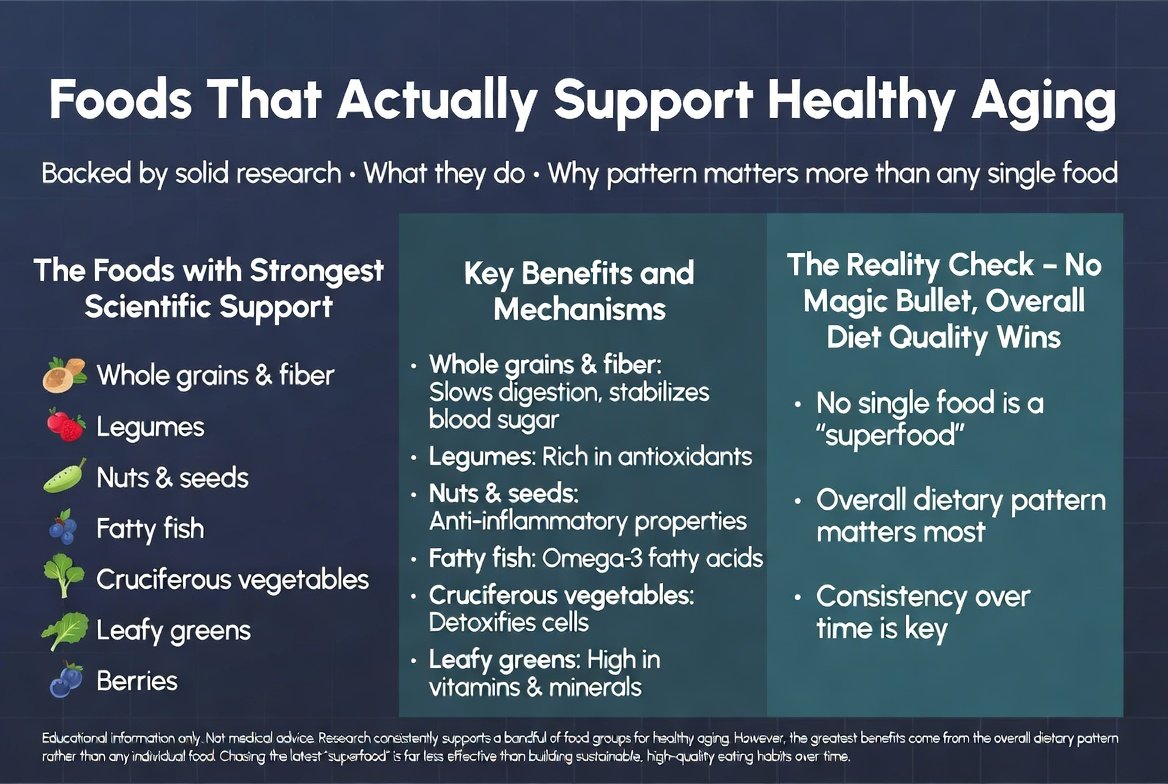
- Sleep and Nutrition. Adequate sleep and a diet rich in antioxidants support the skin from within.
In other words: a beauty device can be a nice addition, but it will never compensate for a lack of sunscreen or for smoking. We've compiled all the basics in the Skin Guide, and the ingredients that work topically in Skincare (Retinol, Vitamin C, Sun Protection).
Bottom Line and Safety Checklist
If you take only a few things from this guide, let them be: Superficial microneedling, microcurrent, gua sha, and red light masks are relatively safe at home with caution, but with moderate expectations. Deep needling, RF, peels, and lasers are only in a licensed clinic. And Botox, fillers, and PRP are only with a doctor, never on your own. And above all, the basics (sunscreen, retinoids, no smoking, sleep) beat most gadgets.
Quick safety checklist before any home treatment:
- Sterility: Disposable or sanitized needle, always.
- Depth: Only superficial at home (0.25 to 0.5 mm for microneedling).
- Not on damaged skin: Not over active acne, rosacea, infection, or wounds.
- Patch test: Start small and monitor skin reaction.
- Sun protection: Mandatory after any treatment.
- Stop if irritated: If there is persistent pain, strong redness, or swelling, stop and consult a doctor.
When to see a professional? If you want a deeper treatment than a superficial roller, if you have an active skin condition (acne, rosacea, pigmentation), if you are considering any type of injection, or if an unusual reaction occurs after a home treatment. A dermatologist can examine your skin and recommend the safest and most effective path. Want more practical tools? We have more practical guides.
The information in this guide is educational and general only, and does not constitute medical or cosmetic advice, is not a substitute for consultation with a dermatologist, and is not an encouragement to perform any treatment. A patch test should be done before using a new device, and use should be stopped immediately at any sign of irritation, pain, or unusual reaction. Injectable treatments (Botox, fillers, PRP) and deep treatments (deep needling, deep peels, lasers, RF) are performed only by a licensed and qualified doctor or practitioner, and never independently. Any decision regarding skin treatment should be made based on personal condition and in consultation with a professional.
References:
El-Domyati M et al., Int J Dermatol 2015, Multiple microneedling sessions for minimally invasive facial rejuvenation: an objective assessment
Hou A et al., Dermatol Surg 2017, Microneedling: A Comprehensive Review
Wunsch A, Matuschka K, Photomed Laser Surg 2014, A Controlled Trial to Determine the Efficacy of Red and Near-Infrared Light Treatment


💬 Comments (0)
Be the first to comment on the article.