Your gut works much harder than you might think. It is not just a tube that moves food from point A to point B, but a home to tens of trillions of bacteria, viruses, and fungi that make up what is called the microbiome. This tiny population trains the immune system, produces vitamins, sends signals to the brain, and affects the level of inflammation throughout the body. When it is balanced, you feel it: normal digestion, stable energy, better mood.
The good news is that the microbiome is one of the easiest things to influence through lifestyle. Unlike your genes, the composition of gut bacteria changes in response to what you eat, how much you move, and how you sleep, sometimes within just days. This guide is not about the science of microbiome aging (we wrote about that separately), but about the practical question: what exactly can you do today to give the good bacteria the upper hand.
Why It Works: The Microbiome Thrives on Diversity and Fiber
The basic rule is simple: different gut bacteria like different foods. The wider the variety of plant foods you eat, the wider the variety of bacteria you feed, and high diversity (what scientists call 'microbial richness') is considered one of the clearest markers of a healthy gut.
- Dietary fiber is the main fuel. Our bodies do not digest fiber, but gut bacteria do, and they turn it into short-chain fatty acids like butyrate, which nourish gut cells and reduce inflammation.
- Diversity matters as much as quantity. Thirty types of apples won't help as much as thirty different plant foods. Each plant brings a different type of fiber and other compounds.
- Change is rapid. Studies show that the microbiome composition begins to change within days of changing your diet, for better or worse.
- Fermented foods add live bacteria and compounds created during fermentation, helping to increase diversity.
In other words: you don't need a lab to cultivate your gut. You need a diverse plate. Let's break this down into concrete habits.
9 Daily Habits for Improving Gut Health
- Aim for 30 different plant types per week. This is the number that emerged from the large American Gut Project study, and it has since become an excellent practical target. 'Plant' is not just a vegetable or fruit, but also legumes, whole grains, nuts, seeds, herbs, and spices. A teaspoon of chia seeds, a handful of almonds, and a pinch of turmeric all count. Most people start around 10-15 and find that with a little planning, they reach 30 without effort.
- Increase fiber intake gradually. Most people eat less than half the recommended amount. Aim for around 25-35 grams per day from whole sources: oats, legumes, vegetables with the skin, fruits, and whole grains. Increase slowly to give bacteria time to adapt, because a sudden jump can cause gas and bloating.
- Add one fermented food per day. Yogurt with live cultures, kefir, sauerkraut (unpasteurized), kimchi, miso, or tempeh. Start with a small amount, a few tablespoons, and increase over time. A small serving every day is better than a large serving once a week.
- Eat 'food for bacteria' (prebiotics) regularly. Garlic, onion, leeks, Jerusalem artichokes, asparagus, slightly green bananas, and legumes are rich in fibers that particularly nourish good bacteria. These are foods that should be in your regular rotation.
- Reduce ultra-processed foods and excess sugar. Industrial snacks, sugary drinks, and refined pastries feed the bacteria you want less of and dilute fiber. There is no need for absolute zero, but the more your plate consists of whole food, the more your gut benefits.
- Drink enough water. Fiber needs water to work properly in the gut. When you increase fiber but not water, the result can be constipation instead of relief.
- Move every day. Regular physical activity, even a daily 30-minute walk, is linked to a more diverse microbiome and better gut transit. No need for intense exercise, just consistency.
- Manage stress and maintain the gut-brain axis. The gut and brain are directly connected via the vagus nerve, and chronic stress disrupts digestion and bacterial composition. Breathing exercises, walking in nature, meditation, or any relaxing activity are not luxuries but part of gut health.
- Sleep well and at consistent times. The microbiome operates on a biological clock just like the rest of the body. Irregular sleep and sleep deprivation are linked to impaired bacterial diversity. Seven to nine hours at consistent times helps the gut too.
What Harms Gut Bacteria
It is equally important to know what pulls in the opposite direction. Here are the main factors that reduce diversity or feed less desirable bacteria:
- Unnecessary antibiotics. Antibiotics save lives when needed, but a broad-spectrum course also wipes out good bacteria, and recovery can take months. Use them only when a doctor determines they are necessary, not 'just in case' for a viral infection.
- Low-fiber, high-processed diet. When there isn't enough fiber, certain bacteria start eating the protective mucus layer of the gut, weakening the gut barrier.
- Excess alcohol. Heavy drinking is linked to dysbiosis and gut inflammation.
- Chronic stress and lack of sleep. Both negatively alter the microbiome composition and increase gut permeability.
- Excessive sanitization and an overly 'sterile' environment. Moderate contact with nature, soil, and diverse home cooking nourishes the gut. Over-sterilizing everything can actually dilute healthy microbial exposure.
What Probiotic Supplements Really Do
This is one of the most common questions, and here it is worth being honest. Probiotic supplements are strain-specific, meaning the effect depends on exactly which bacteria, at what dose, and for what purpose. A strain that helps with diarrhea after antibiotics will not necessarily help with bloating or mood.
- The relatively strong evidence is in specific areas: preventing antibiotic-associated diarrhea, relieving symptoms of irritable bowel syndrome (IBS) in some people, and supporting children with gut infections.
- For the general goal of 'strengthening the gut' or 'improving health' in a healthy person, the evidence is much weaker. Many strains simply pass through the system without colonizing long-term.
- Probiotics are not a substitute for a diverse diet. The most powerful way to influence the microbiome is through the plate, not the bottle.
If you still want to try a supplement, look for a product that states the exact strain and the number of units, and match it to a specific goal. For those interested in personalized matching by goals, we built gut supplements that honestly explain what is behind each one. But even there, the rule remains: the supplement is a complement, not a replacement.
When to See a Doctor
Mild and temporary digestive issues are part of life, but there are signs you should not treat on your own with diet or supplements. See a doctor if you experience:
- Digestive symptoms lasting several weeks that do not resolve: abdominal pain, persistent diarrhea or constipation, constant bloating.
- Blood in the stool or black stool.
- Unexplained weight loss, persistent fever, or repeated vomiting.
- A sudden and noticeable change in bowel habits, especially over age 50.
- Extreme fatigue, paleness, or signs that may indicate anemia.
These signs require medical investigation to rule out conditions like inflammatory bowel disease, celiac disease, or more serious issues. Good diet supports gut health, but it does not replace medical diagnosis when there are concerning symptoms.
The Big Picture
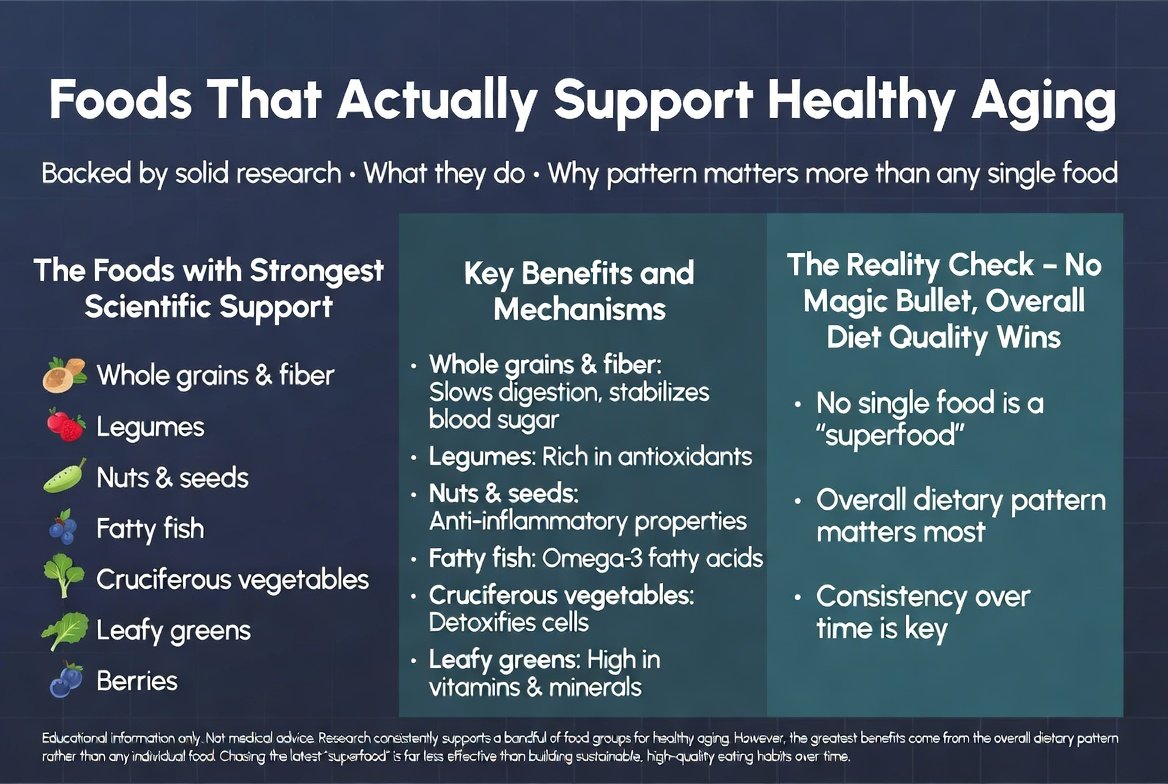
If there is one bottom line to this guide, it is this: Gut health is not bought in a supplement; it is built through habits. Plant diversity, fiber, some fermented foods, less processed food, movement, sleep, and calm—these are the interventions with the strongest evidence, and they are also the cheapest and most accessible.
Your gut reflects your lifestyle, not the labels on the supplement shelf. Start with one or two habits this week, add another plant to your plate, a serving of fermented food per day, a short walk, and let time do its work. Gut health is a long game, but it is one where small, consistent moves win. For those who want to go deeper, we have also compiled the principles in the nutrition for longevity guide, as well as more practical guides for daily implementation.
Note: The information in this guide is general and educational only, and does not constitute personal medical or nutritional advice. Before making significant dietary changes, especially if you have an existing medical condition or persistent symptoms, consult a doctor or dietitian.
References:
McDonald D et al., American Gut: an Open Platform for Citizen Science Microbiome Research, mSystems, 2018
Wastyk HC et al., Gut-microbiota-targeted diets modulate human immune status, Cell, 2021


💬 Comments (0)
Be the first to comment on the article.