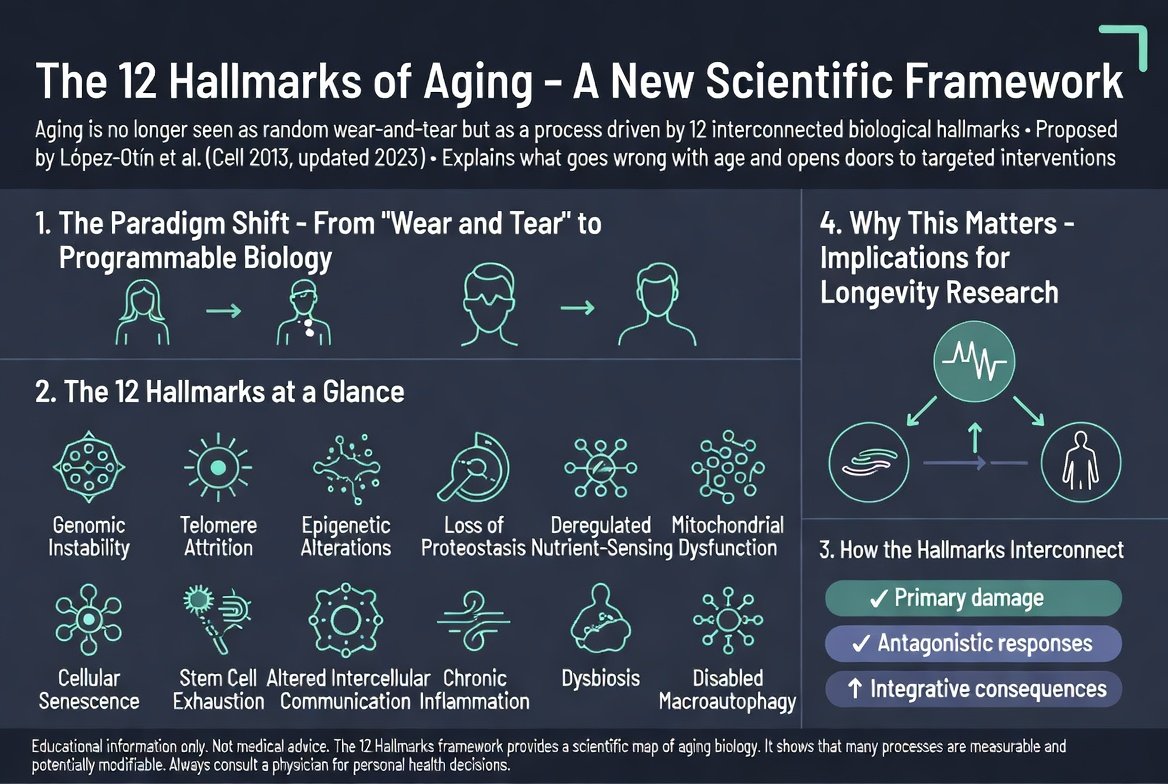
Every few years, biologists studying aging update the list of 'Hallmarks of Aging'. The list changes slightly each time, but one item consistently reappears: Mitochondrial dysfunction. In the eyes of many researchers, this is not just another item on the list. It is the item that drives all the others. Because once the cellular power plant starts producing less energy and more toxins, every other system in the cell, from DNA repair to the immune system, begins to break down in its wake.
New research reported by Phys.org on May 7, 2026, under the title Study seeks to stave off mitochondrial dysfunction believed to cause aging, attempts to tackle the practical question: if we know mitochondria fail with age, what are we doing about it? In this article, we will review the active therapeutic directions in 2026, from Urolithin A to MitoQ, from NMN to PGC-1α stimulation, and ask the tough question: why, after twenty years of research, do we still not have a single approved drug that directly treats mitochondrial aging in humans.
What is Mitochondrial Dysfunction
Every cell in the human body (except red blood cells) contains hundreds to thousands of mitochondria. They are our endosymbiotic ancestors, ancient bacteria that merged with eukaryotic cells about two billion years ago and became organelles. Their functions include:
- ATP production, the cell's energy currency, through oxidative phosphorylation in the electron transport chain.
- Regulation of programmed cell death (apoptosis) via cytochrome C release.
- Synthesis of essential molecules, from heme to steroids.
- Intracellular signaling through ROS levels, calcium, and fatty acids.
- Maintaining redox balance, balancing energy production with the disposal of free radicals.
Mitochondrial dysfunction is not a single event. It is a cascade: less ATP, more ROS (free radicals), damaged mitochondrial DNA, swollen and inefficient mitochondria, and ultimately chronic inflammatory signaling that infects the entire tissue.
The Connection to Aging: A Mechanism of Cumulative Collapse
The importance of mitochondria to aging is based on several key observations:
1. Mitochondrial DNA is particularly vulnerable. Unlike nuclear DNA, mtDNA is directly exposed to free radicals produced just nanometers away in the electron transport chain. Over decades, mutations accumulate. By age 70, a significant percentage of cells exhibit heteroplasmy, a mix of normal and damaged mtDNA.
2. Decline in NAD+ impairs efficiency. NAD+ is a coenzyme required for the function of the electron transport chain and the Sirtuins. In many tissues (skin, muscle, and brain), NAD+ levels have been measured to decline with age, in a range reported between approximately 10% and 50% over the adult lifespan. It is important to be precise: measurements of NAD+ in whole blood actually remain relatively stable in some studies, so the sharp decline is mainly noticeable at the tissue level, not in the blood. In any case, less NAD+ in tissue = less energy efficiency, less DNA repair, less proper signaling.
3. Mitophagy slows down. Mitophagy is the mechanism the cell uses to 'take out the trash', clearing damaged mitochondria and digesting them. With age, this process becomes slow and inefficient, and damaged mitochondria accumulate instead of being cleared.
4. Mitochondrial biogenesis declines. Every day, the body produces new mitochondria through a process governed by PGC-1α, a master regulator of mitochondrial biogenesis. With age, levels and expression of PGC-1α decrease, and fewer new mitochondria replace the old ones.
The cumulative result: tissue (especially muscle, brain, and heart) filled with damaged, less efficient mitochondria that produce more toxins. This is the molecular definition of 'aging'.
Current Evidence: Therapeutic Directions
Study 1: Urolithin A (Mitopure) from Nestle and Amazentis
Urolithin A is a metabolite produced by our microbiome from ellagitannins (compounds found in pomegranates and walnuts). It activates specific mitophagy. A randomized, double-blind, placebo-controlled study in elderly individuals aged 65 to 90 (66 randomized participants) who took 1000 mg of Urolithin A daily for 4 months, published in JAMA Network Open, examined whether the supplement improves muscle function. The result: improvement in muscle endurance (number of contractions until fatigue) in the leg and hand muscles, as well as a decrease in blood markers of mitochondrial health and inflammation. However, the primary endpoints, the 6-minute walk test and maximal muscle ATP production, did not reach statistical significance compared to placebo. In other words, a secondary endurance measure improved, but the primary functional measures did not. A lifespan extension study in humans does not yet exist.
Study 2: MitoQ, a Mitochondria-Targeted Antioxidant
MitoQ is a derivative of CoQ10 engineered to penetrate directly into the mitochondria, where it can neutralize free radicals at their source. A study by Rossman and colleagues published in Hypertension in 2018 (University of Colorado) on 20 older participants showed a 42% improvement in endothelial function (flow-mediated dilation of the brachial artery) after 6 weeks of 20 mg daily. Regarding the brain, as of today, only a very small pilot exists: a two-day crossover trial in about 12 Alzheimer's patients, which examined markers of cerebral blood flow, oxygenation, and oxidative stress, not clinical endpoints. There is no phase 3 study of MitoQ in Alzheimer's, and no slowing of cognitive decline has been reported. It is also important to note that in a study of Parkinson's patients, MitoQ did not improve clinical measures.
Study 3: NR and NMN, Replenishing NAD+ Stores (Stanford, Washington)
Supplements that raise peripheral NAD+ levels have shown a 30-40% increase in blood NAD+ levels, and modest improvement (around 5-10%) in several metabolic measures. However, as discussed in article 402, they come with a cancer warning: high NAD+ levels may fuel resistant cancer cells. The question of whether NAD+ replenishment is effective enough as an anti-aging treatment to justify the risk remains open.
Study 4: PGC-1α Stimulators, The Frontier
The search for a drug that activates PGC-1α (the main player in mitochondrial biogenesis) is the holy grail. In mice with muscle-specific overexpression of PGC-1α, the effect on lifespan was found to be modest and sex-dependent: an extension of only about 5% in median lifespan (in females and the combined sample) and about 10% in maximum lifespan (in males and the combined sample), not a dramatic leap. Molecules in development: ZLN005 (active in mouse studies), SR-18292 (treats diabetes in mice), and several new molecules from Altos Labs. None have entered phase 2 in humans as of 2026.
Study 5: Exercise, The Only Proven Drug
If you want to increase PGC-1α and improve mitochondrial function, the only method with strong evidence in humans is exercise, especially HIIT training. A study by Robinson and colleagues published in Cell Metabolism in 2017, which examined young (18-30) and elderly (65-80) trainees, showed that after 12 weeks of high-intensity interval training, mitochondrial capacity (cellular respiration) in muscle increased by about 69% in the elderly group, along with a reversal of a significant portion of age-related changes in the mitochondrial protein profile. No drug achieves such a result.
What About Neurodegenerative Diseases?
Mitochondrial collapse is particularly relevant to Alzheimer's and Parkinson's. In Parkinson's disease, damage to the mitochondria of dopaminergic neurons is one of the earliest signs. In Alzheimer's disease, brain ATP levels decline years before clinical symptoms appear.
Consequently, new therapeutic directions in neurodegeneration focus on saving mitochondria. EPI-743, a mitochondria-targeted derivative of vitamin E, is in a trial for Parkinson's. In ALS, trials with edaravone and high-dose CoQ10 continue. None are yet effective enough to stop the disease, but they slow the rate.
Heart failure is also considered not just a disease of a 'weak heart pump' but a disease of 'weak heart mitochondria'. Heart muscle is the tissue with the most mitochondria per cell, and therefore particularly sensitive to mitochondrial failure.
Should We Start Taking Mitochondrial Supplements?
It depends on how seriously you approach the matter:
Urolithin A (500 mg daily)
The best clinical evidence among supplements, even if modest. Price: about $100-150 per month in the US, around 350-500 shekels in Israel. Long-term safety data (beyond 4 months) is still lacking. Reasonable for an older adult with muscle weakness, less clear for a healthy 40-year-old.
MitoQ (10-20 mg daily)
Less clinically proven, but has a unique profile due to direct mitochondrial penetration. Price: $60-90 per month. Risk: Antioxidants that act with excessive potency may disrupt normal ROS signaling. An Aristotelian principle: too much of a good thing can be harmful.
NMN/NR
Sold everywhere, but the caution we discussed in article 402 about NAD and cancer is relevant here. If you have a risk factor for cancer, this supplement is not safe.
CoQ10
The most established, also the cheapest. Proven effective in rare genetic mitochondrial diseases, but its efficacy in 'normal' aging is limited. Still a reasonable option for someone taking statins (which reduce endogenous CoQ10).
What to Do Starting Today
- Add 2-3 HIIT sessions per week. 4 rounds of 4 minutes at high intensity, with 3 minutes of rest in between. This is the only method proven in humans to increase mitochondrial biogenesis.
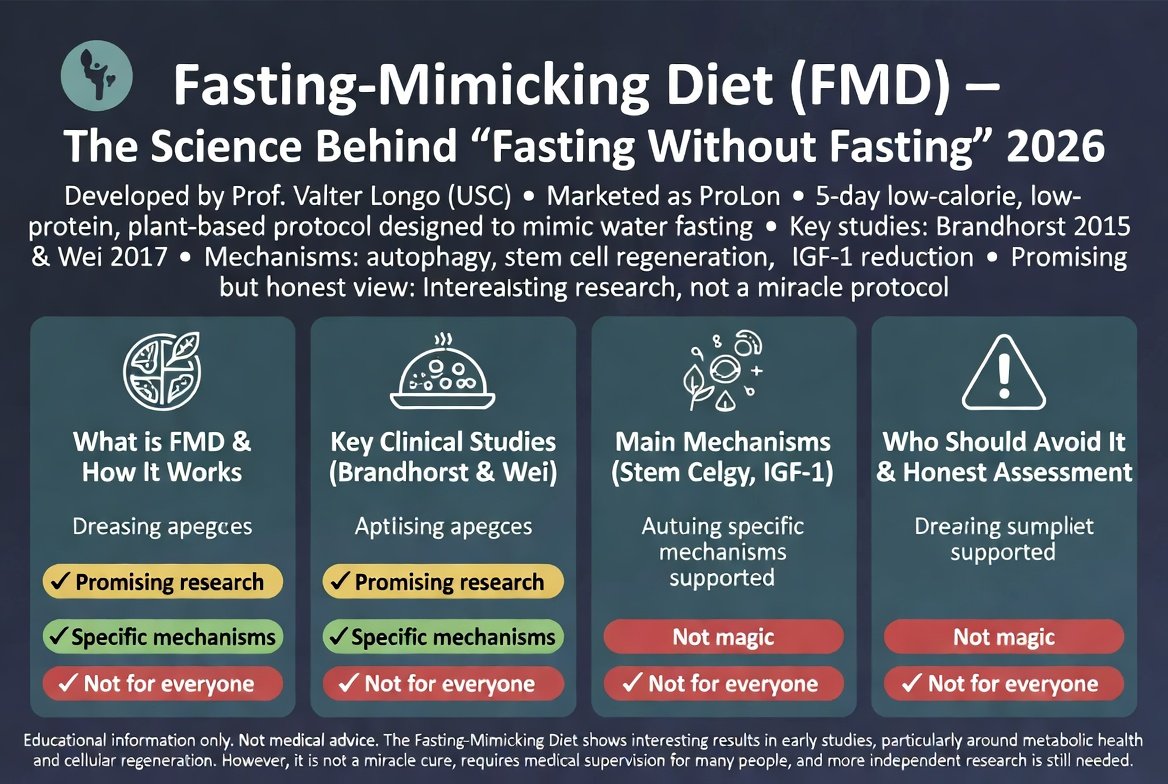
- Incorporate intermittent fasting of 14-16 hours. Fasting activates mitophagy and naturally raises NAD+, without supplements.
- Eat foods rich in ellagitannins: pomegranates, walnuts, raspberries. Your microbiome will convert them to Urolithin A in your body, without needing a supplement.
- Avoid prolonged extreme temperatures, but do short cold exposures (cold shower for 2-3 minutes). This activates UCP1 and improves mitochondrial activity in brown fat.
- Quality sleep is essential for mitochondrial turnover. During deep sleep, mitophagy goes into high gear. Poor sleep = accumulation of damaged mitochondria.
The Broader Perspective
The story of mitochondrial function and aging is a case study for an entire field. On one hand, we have solid biological consensus: every aging biologist agrees that mitochondria are central. On the other hand, we have an empty medicine cabinet: after 30 years of research, there is not a single approved drug that treats mitochondrial aging in humans.
The reason is twofold. First, the mitochondrion is a highly complex system, not a problem of a single molecule. Any attempt to fix it via a single molecule runs into its delicate balance. Second, 'aging' is not an FDA-approved medical indication. Pharmaceutical companies cannot run a phase 3 trial on 'aging' because there is no official endpoint. They need to find a specific disease (Parkinson's, sarcopenia, heart failure), and those trials take years and billions.
In the meantime, the individual who wants to preserve their mitochondria must return to basics: exercise, quality nutrition, good sleep, and occasional fasting. These are the interventions with the strongest evidence base, and they are cheaper than any supplement or future drug. Until research matures into a real drug, the answer is to nurture your power plant with the tools we already have.
References:
Phys.org - Study seeks to stave off mitochondrial dysfunction believed to cause aging

💬 Comments (0)
Be the first to comment on the article.