Scientists from the Universities of Amsterdam and Maastricht are opening a new window into understanding the aging process at the cellular level, offering potential new approaches to slowing the process and improving quality of life.
This groundbreaking study, published in the prestigious scientific journal Nature Aging, reveals a surprising link between a specific type of fat, known as bis(monoacylglycero)phosphates (or BMPs), and tissue aging.
"The idea that we could reverse aging has long been considered science fiction, but these findings allow us to understand much more about the aging process,"
notes Riekelt Houtkooper, a professor in the Laboratory of Genetic Metabolic Diseases at the University of Amsterdam.
According to him, the results are a new and important step in understanding aging, but they are certainly not the final word on the subject.
Breakthrough Findings:
As part of the study, a team of researchers mapped tissues from young mice compared to old mice, and simultaneously examined human tissues.
The analysis revealed that BMP levels significantly increased in all examined tissues of the older mice.
A similar finding was also observed in muscle biopsies of older people compared to younger ones.
This discovery raises several fascinating questions:
- What is the exact link between BMPs and aging?
Do BMPs directly contribute to the aging process, or are they a secondary consequence? - What effects does BMP accumulation have on tissue function?
Do BMPs impair cellular function, or do they play a different role in the aging process? - Can BMP accumulation be prevented or reduced?
Is physical activity the only way to influence BMP levels, or are there other ways to intervene?
Physical Activity May Be Key to Slowing Aging:
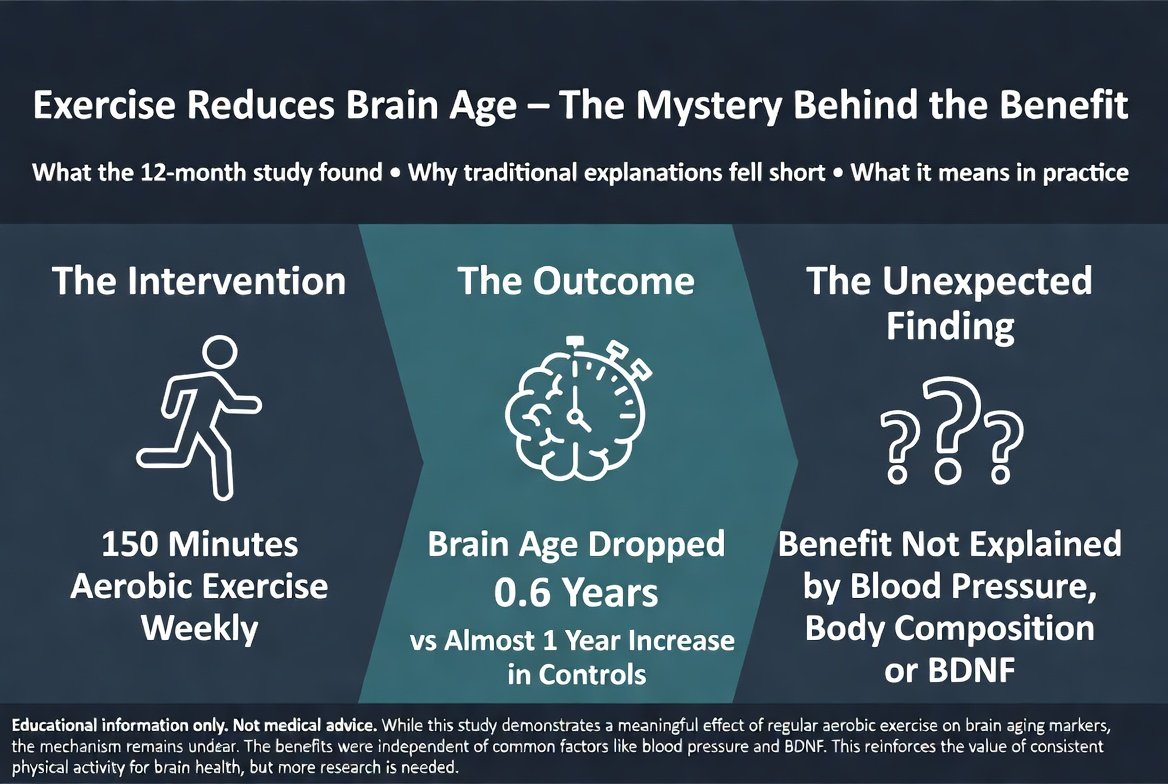
The study found that an intervention of moderate to vigorous physical activity, as part of daily activity, led to a decrease in BMP levels in muscle biopsies of postmenopausal women who participated in the study.
This finding raises hope and points to physical activity as a potential factor in slowing the aging process at the cellular level.
Broad Implications:
This groundbreaking study opens up many new possibilities for research and the development of new treatments for age-related diseases.
A deeper understanding of the link between BMPs and aging could lead to the development of effective preventive strategies, innovative drug therapies, and even novel approaches to reverse aging.
In conclusion, this study represents a significant step forward in understanding the aging process at the cellular level and offers new hope for the possibility of slowing the process and improving quality of life throughout life.
References:
https://www.nature.com/articles/s43587-024-00595-2



💬 Comments (0)
Be the first to comment on the article.