Proteins: The Building Blocks of Life
Proteins are essential molecules for all living organisms. They are built from chains of amino acids, and their functions range from building cells and tissues to catalyzing chemical reactions and protecting against infections.
Protein Folding:
To function properly, proteins must be folded into a specific three-dimensional shape. This folding is determined by the protein's amino acid sequence. The folding process is complex and influenced by several factors, including:
- Amino acid sequence: This sequence determines the protein's tendency to fold in a certain way. This sequence is similar to a genetic code, and it determines the protein's structure and function.
- Environment: Environmental factors such as temperature, pH, and salt concentration can affect protein folding. These factors can influence protein stability and its ability to fold correctly.
- Other proteins: Certain proteins, called chaperone proteins, can assist in the folding of other proteins. These proteins act as guides and help other proteins fold correctly.
Effects of Damaged Proteins:
When a protein folds incorrectly, it becomes damaged. Damaged proteins can accumulate in cells and impair their normal function.
- Impaired cell function: Damaged proteins can interfere with the function of other proteins in the cell, thereby harming vital processes such as metabolism, energy production, and cell-to-cell communication. This damage can lead to cell dysfunction and even cell death.
- Cell death: The accumulation of damaged proteins can lead to a state of cellular stress, which can cause cell death. Cell death can lead to damage to tissues and organs and even the death of the organism.
- Diseases: The accumulation of damaged proteins is linked to the development of many diseases, including:
- Alzheimer's: A degenerative disease causing a decline in cognitive abilities. Research shows that the accumulation of a damaged protein called amyloid-beta is linked to the development of the disease.
- Parkinson's: A neurological disease causing tremors, muscle stiffness, and slowness of movement. Research shows that the accumulation of a damaged protein called alpha-synuclein is linked to the development of the disease.
- Cancer: A disease characterized by uncontrolled cell growth. Research shows that damaged proteins can interfere with processes that control cell growth.
Aging:
With age, there is a decline in the cells' ability to break down damaged proteins. As a result, damaged proteins tend to accumulate in cells, causing impaired function and an increased risk of disease. This decline is linked to various factors, including:
- Decreased energy production capacity: This decline impairs many cellular processes, including protein breakdown.
- Decreased activity of defense systems: These systems are responsible for identifying and breaking down damaged proteins. A decrease in their activity leads to the accumulation of damaged proteins in cells.
- Genetic changes: These changes can affect the process of protein production and turnover.
Therapeutic Approaches for Damaged Proteins:
Several potential therapeutic approaches exist for treating damaged proteins:
Genetic Therapies:
- Using advanced technologies to correct genetic defects that cause the production of damaged proteins.
- For example, CRISPR-Cas9 treatments can correct genetic defects specifically and precisely.
Environmental Therapies:
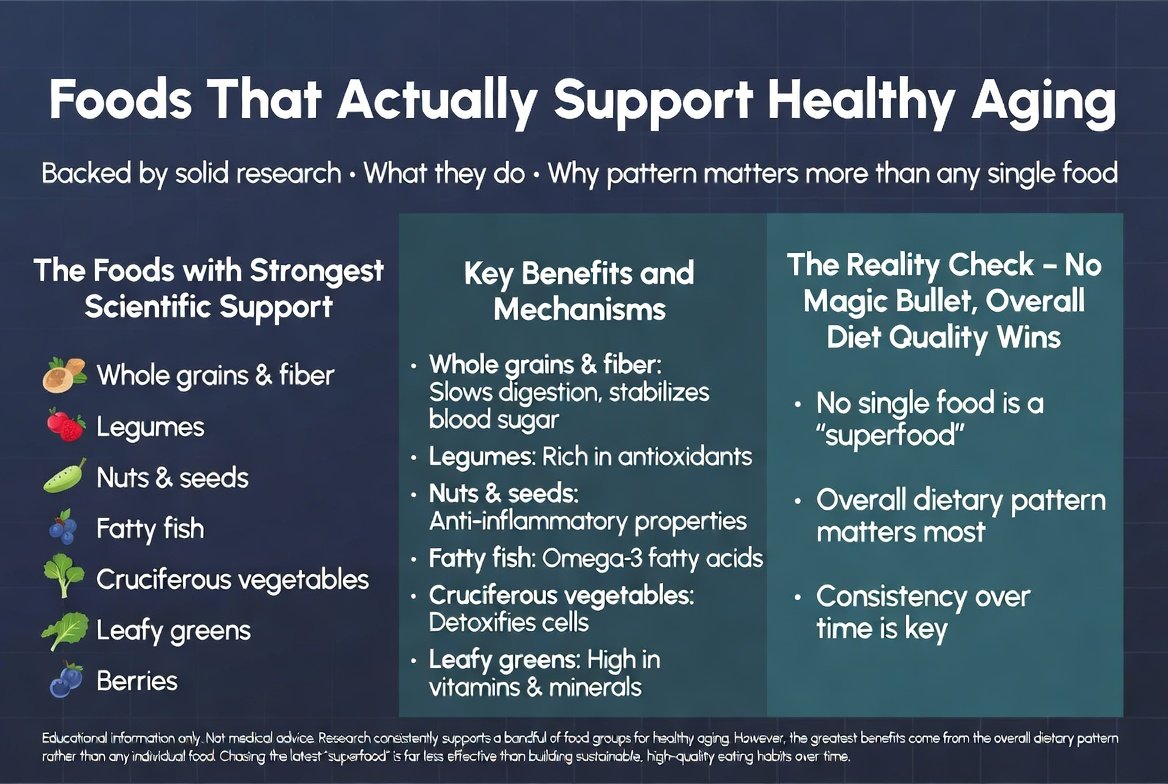
- Lifestyle changes such as proper nutrition, physical activity, and adequate sleep can help reduce the accumulation of damaged proteins in cells.
- For example, a diet rich in antioxidants can help protect cells from damage that could lead to the formation of damaged proteins.
Innovative Therapies:
- Innovative therapeutic approaches are under development, including treatments based on nanotechnology and treatments using stem cells.
- These approaches may offer new solutions for treating diseases related to damaged proteins.
Challenges:
Developing effective treatments for damaged proteins is a complex challenge.
- Diagnostic difficulties: It is difficult to diagnose and isolate damaged proteins.
- Difficulties in finding drugs: Developing drugs that act specifically on damaged proteins is complex.
- Difficulties in treating diseases: Diseases related to damaged proteins are often chronic and complex.
The Future:
Research in the field of damaged proteins is developing rapidly. Innovative therapeutic approaches are under development, and it is expected that more effective treatments will become available in the future for a wide range of diseases related to damaged proteins.
Note: It is important to note that this text is a general and concise overview of the topic of damaged proteins. There are additional therapeutic approaches, and research in the field is constantly evolving.



💬 Comments (0)
Be the first to comment on the article.