In the human body, cells die naturally and are replaced by new cells.
This process, called apoptosis, is essential for the maintenance and proper function of tissues. For example;
Apoptosis helps in embryonic development, in removing damaged or infected cells, and in regulating the immune system.
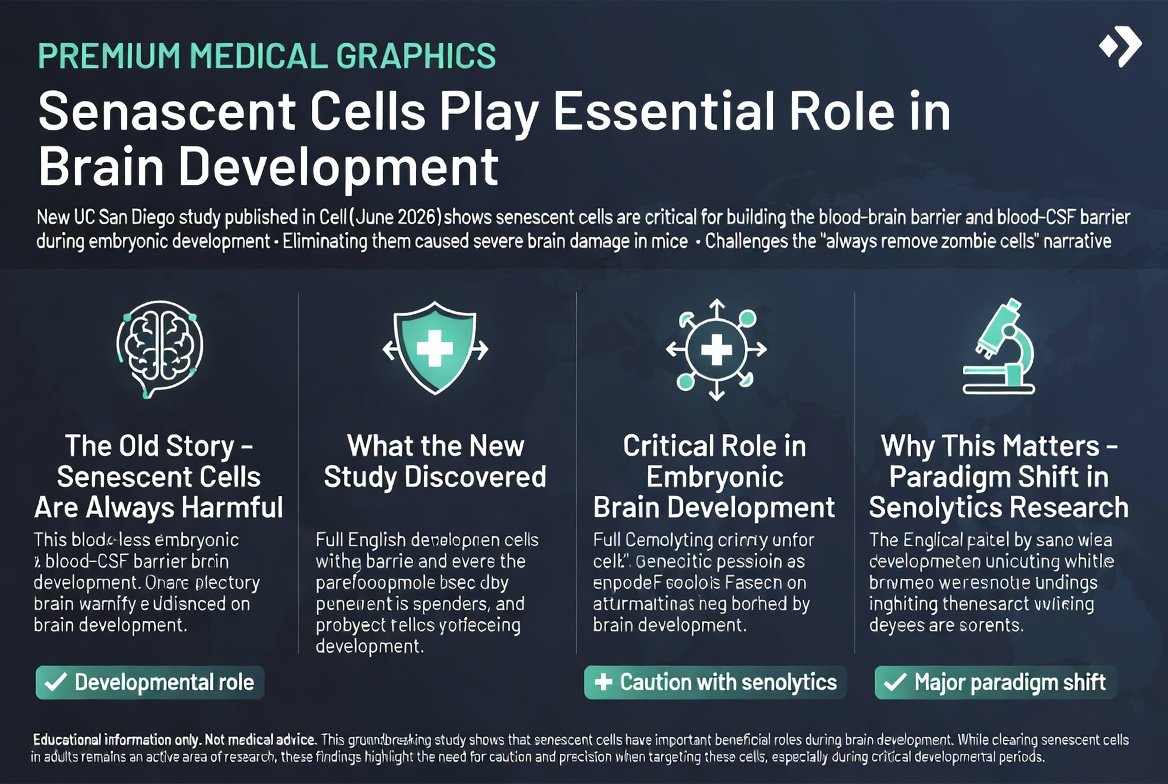
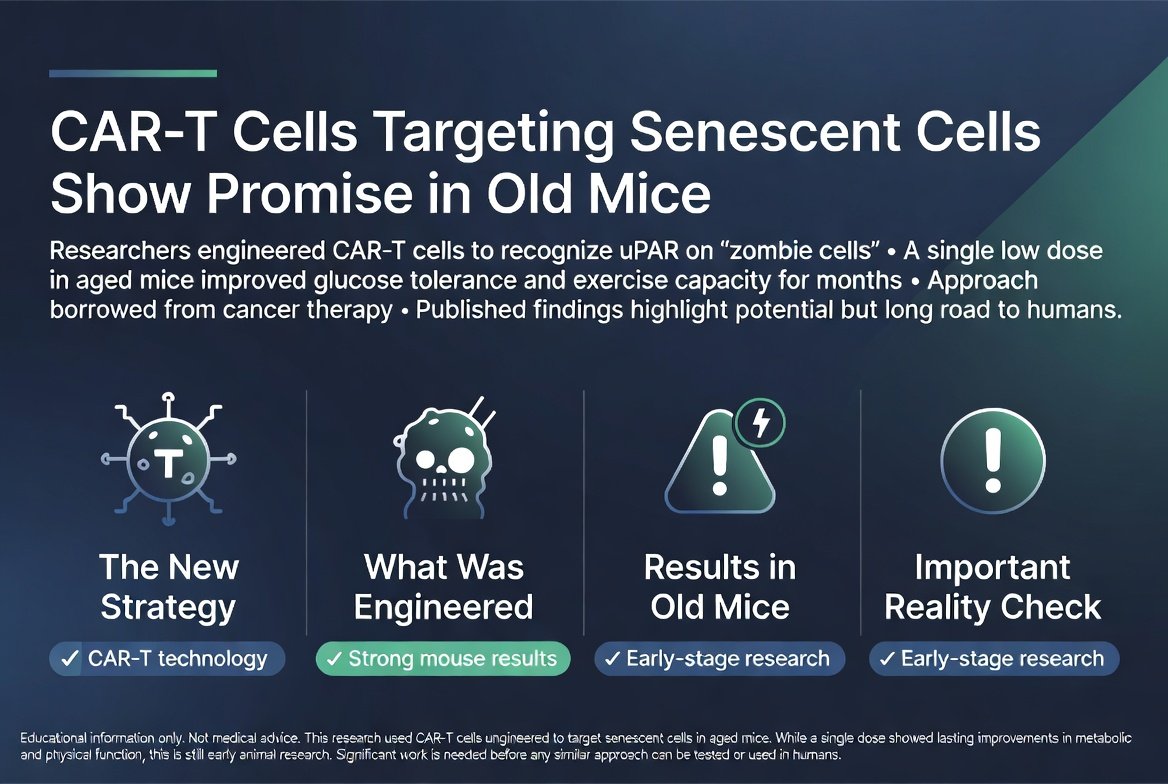
With age, old cells ("zombie cells") accumulate in the body.
When a cell is exposed to damage, stress, or telomere shortening, it can become a senescent cell, meaning a cell that stops dividing but does not die. Normally, the body gets rid of such cells, but with age they accumulate for two main reasons:
- Resistance to apoptosis: Senescent cells activate anti-apoptotic mechanisms (such as BCL-2 family proteins, BCL-XL, and PI3K/AKT pathways) that protect them from cell death. As a result, they "refuse to die" and remain in the tissue instead of being cleared.
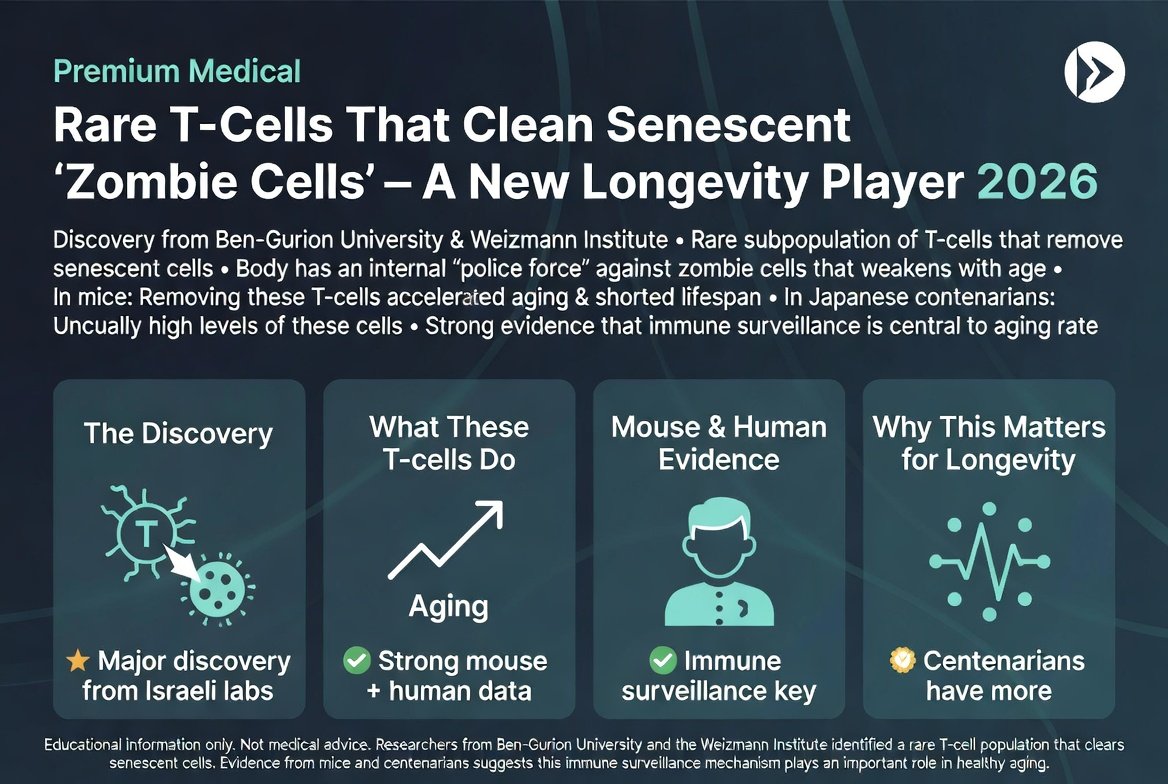
- Decreased immune clearance: The immune system is supposed to identify and eliminate senescent cells, but this clearance ability weakens with age. Additionally, some senescent cells develop mechanisms to evade the immune system.
These cells remain in the body and function poorly, which can lead to a variety of health problems, such as:
- Impaired function: Senescent cells lose their ability to function properly.
They produce fewer essential proteins, are less efficient at breaking down damaged proteins, and are more prone to accumulating genetic damage. - Secretion of inflammatory substances (SASP): Senescent cells secrete a mixture of molecules called SASP (Senescence-Associated Secretory Phenotype), which includes inflammatory cytokines (such as IL-6 and IL-8), growth factors, and tissue-degrading enzymes.
This secretion promotes chronic inflammation and can damage nearby healthy cells. Chronic inflammation is linked to the development of many diseases, including cardiovascular disease, cancer, and diabetes. - Impaired cell-to-cell communication: Senescent cells impair the ability of cells to communicate, disrupting many cellular processes.
Effects of senescent cells on the body:
- Chronic inflammation: Senescent cells contribute to the development of chronic inflammation, which damages tissues and causes many diseases.
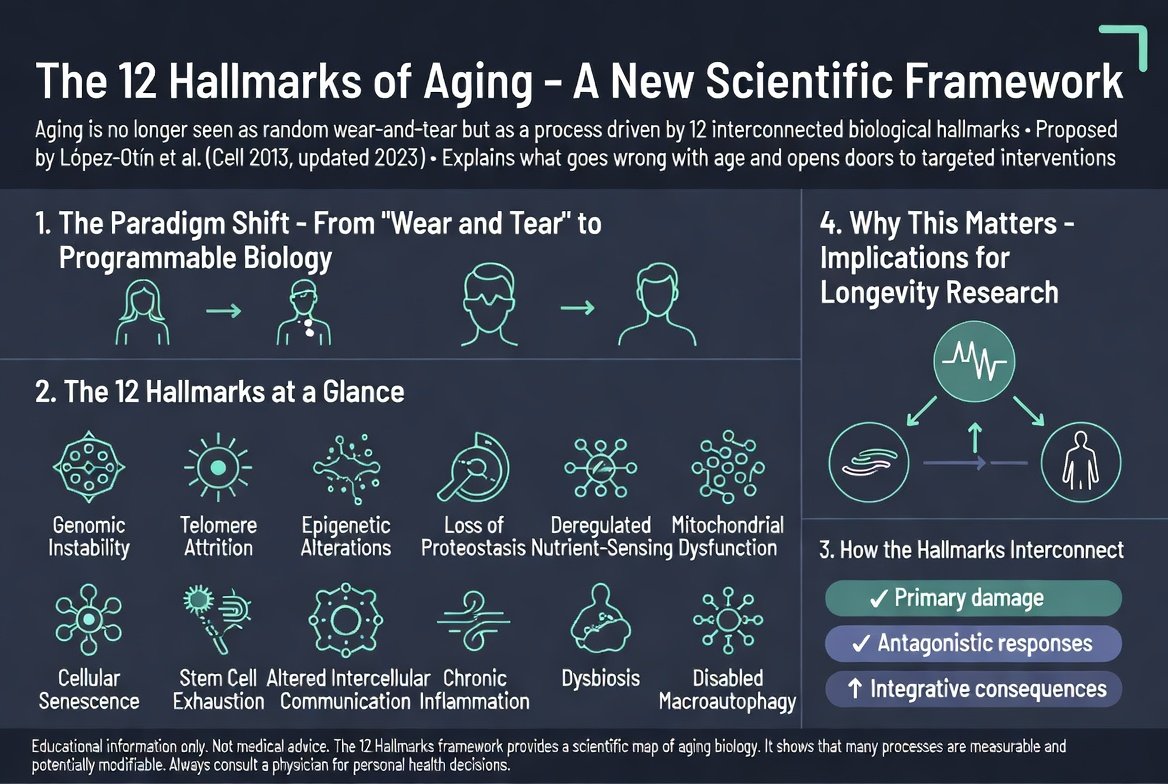
- Aging: The accumulation of senescent cells in tissues causes them to age and impairs their function.
- Diseases: Senescent cells are linked to the development of many diseases, including:
- Cardiovascular disease: Accumulation of senescent cells in blood vessels causes atherosclerosis, which can lead to heart attacks and strokes.
- Cancer: Senescent cells are more prone to accumulating genetic mutations, which can lead to cancer development.
- Diabetes: Senescent cells accumulate in type 2 diabetes and are linked to impaired function of pancreatic beta cells, which are responsible for insulin production. The relationship is complex and bidirectional, and in animal studies, removing senescent cells improved blood sugar levels.
Molecular mechanisms of cellular senescence:
The process leading to cellular senescence is driven by several molecular mechanisms, including:
- Telomere shortening: Telomeres are special structures at the ends of chromosomes that protect them from damage. With each cell division, telomeres shorten, and as a result, the cell approaches the end of its life.
- Genetic damage: Over time, a cell's DNA tends to accumulate damage, causing a decline in its ability to function properly.
- Oxidative stress: Oxidative stress results from excessive activity of free radicals, which cause damage to cells and DNA.
- Genetic changes: Certain genetic changes can lead to accelerated cellular aging.
Innovative therapeutic approaches:
Innovative research in the field of senescent cells offers hope for a future where diseases related to these cells can be treated.
New therapeutic approaches are being developed, including:
Drugs:
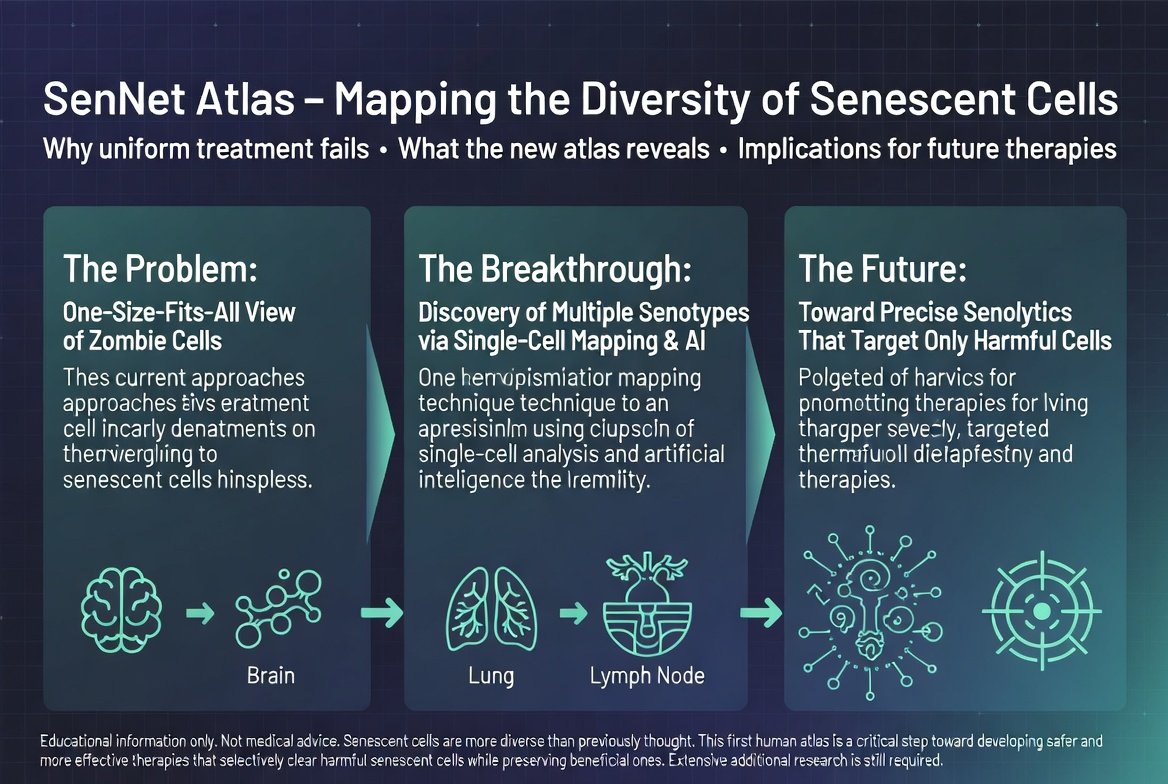
Development of drugs capable of specifically killing senescent cells.
These drugs, called "senolytics," work precisely by neutralizing the anti-apoptotic mechanisms that protect the senescent cell (for example, blocking BCL-2 proteins), thus "forcing" it to undergo apoptosis. They are in early stages (phase 1 to 2) of clinical trials.
Gene therapies:
Use of advanced technologies to correct genetic defects that cause cells to become senescent.
These treatments may include the use of CRISPR-Cas9, a technology that allows precise gene editing.
These treatments are still in early research stages, but they may offer an innovative solution for treating diseases related to senescent cells.
Environmental treatments:
Lifestyle changes such as proper nutrition, physical activity, and adequate sleep can help reduce the number of senescent cells in the body.
For example;
A diet rich in antioxidants can help protect cells from damage that can lead to senescence.
Physical activity can help reduce chronic inflammation and improve immune system function, factors that contribute to the accumulation of senescent cells.
Innovative treatments:
Innovative therapeutic approaches are being developed, including treatments based on nanotechnology and treatments using stem cells.
These approaches may offer new solutions for treating diseases related to senescent cells.
These treatments are in early research stages, and there is uncertainty regarding their efficacy and safety.
Challenges:
- Developing effective treatments against senescent cells is a complex challenge.
- Diagnostic difficulties: It is difficult to specifically diagnose and isolate senescent cells.
- Drug discovery difficulties: Developing drugs that act specifically on senescent cells with minimal damage to healthy cells is complex.
- Treatment difficulties: Diseases related to senescent cells are often chronic and complex.
The future:
Research in the field of senescent cells is developing rapidly.
Innovative therapeutic approaches are being developed, and it is expected that in the future, more effective treatments will be available for a wide range of diseases related to senescent cells.
Note: It is important to note that the current text is a general and abbreviated overview of the topic of senescent cells. There are additional therapeutic approaches, and research in the field is constantly evolving.


💬 Comments (0)
Be the first to comment on the article.