Parkinson's disease, a common neurodegenerative disorder affecting movement, posture, and speech, has cast a heavy shadow over the lives of millions of people worldwide.
Its well-known symptoms, such as tremors, muscle rigidity, difficulty walking, and slowness of movement, lead to loss of independence, decreased quality of life, and social and psychological difficulties.
Despite the lack of a complete cure, scientific research in the field of Parkinson's disease has experienced an unprecedented boom in recent years.
Innovative approaches, based on cellular and molecular repair, are opening a window to promising therapeutic possibilities, inspiring deep hope for a future free of disease.
Understanding the Roots of the Disease:
In the brains of people suffering from Parkinson's disease, there is a significant decrease in the number of specific neurons that produce dopamine, a chemical essential for the proper functioning of the motor system.
This decrease, caused by the gradual death of neurons, leads to the familiar symptoms of the disease.
Scientific studies point to many factors that may contribute to the development of Parkinson's disease, including:
- Genetics: Studies indicate a link between genetic factors and the development of the disease.
It has been found that having mutations in specific genes increases the risk of getting the disease. - Environmental Factors: Exposure to toxic substances, air pollution, and head trauma may influence the development of the disease.
- Aging Processes: Studies show that the risk of developing Parkinson's increases significantly with age.
Current Treatments:
Treatment for Parkinson's disease currently focuses mainly on alleviating symptoms and slowing the progression of the disease.
Available medications are used to replace or increase dopamine levels in the brain, while physical therapy and other treatments help improve movement and balance.
However, these treatments are unable to stop the progression of the disease or restore lost neurons.
As a result, Parkinson's patients are forced to cope with a gradual deterioration in their condition over time.
The Promise of Future SENS Treatments:
Scientific research is opening new directions for treating Parkinson's disease, using cellular and molecular repair approaches.
These approaches, based on principles of biological engineering and advanced technologies, may bring about a dramatic change in the treatment options available to patients.
Here are some of the most promising approaches:
- Neuron Transplantation: Advanced technologies allow the growth of new neurons in culture, using stem cells.
This approach, called "RepleniSENS," may allow the replacement of lost dopaminergic neurons in the brains of Parkinson's patients. - Breaking Down Protein Aggregates: Studies show that aggregates of a protein called alpha-synuclein are linked to the development of Parkinson's disease.
Treatments aimed at neutralizing or breaking down these aggregates, called "AmyloSENS" and "LysoSENS," are in various stages of development. - Mitochondrial Repair: Damage to mitochondria, the "powerhouses" of cells, may contribute to the development of Parkinson's disease.
The MitoSENS project is developing an "allotopic expression" approach: inserting backup copies of genes encoding mitochondrial proteins into the cell nucleus, so that the cell can produce these proteins even when the mitochondrial DNA is damaged, thereby bypassing the damage instead of repairing it.
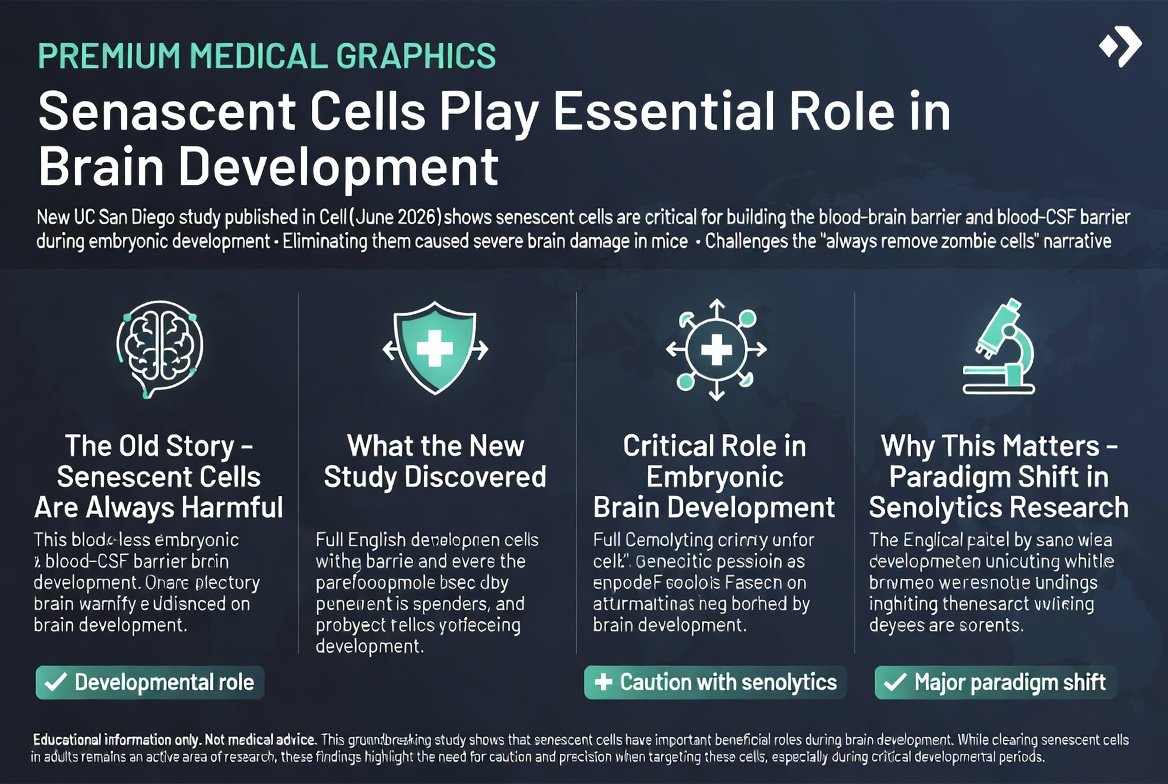
This approach may help slow the progression of the disease and even improve the function of remaining dopaminergic neurons. - Removal of Senescent Cells: Old cells, called "senescent," accumulate in the brains of Parkinson's patients and may contribute to neurodegeneration.
Treatments called "ApoptoSENS" allow the controlled removal of these cells while protecting healthy cells.
This approach may reduce damage to the brain and improve its function over time.
Challenges and a Look to the Future:
The impressive scientific developments in the field of Parkinson's disease inspire great hope for more effective treatment options and even a complete cure in the future.
However, it is important to note that the research is still in development stages, and most of the future treatments mentioned above are not currently available to patients.
In addition, there are many challenges that must be addressed before the new technologies can be implemented in practice.
These challenges include:
- Developing Safe and Effective Technologies: It must be ensured that future treatments are safe for patients and effective in treating the disease.
- Funding Research and Development: Significant financial resources are required to continue researching and developing new treatments.
- Recruiting Participants for Clinical Studies: There is a need to recruit a large number of patients who agree to participate in clinical trials to test the efficacy and safety of new treatments.
Despite the challenges, the impressive scientific progress provides reasons for optimism about a better future for Parkinson's patients and their families.
These innovative approaches, based on cellular and molecular repair, may bring about a significant change in the lives of millions of people worldwide and open a window to a future free of disease.
References:




💬 Comments (0)
Be the first to comment on the article.